
You can learn a lot about a person in seconds. Things you can figure out about someone just by looking at them include their mood, confidence level, and even their habits. Body language speaks louder than words. This guide shows you how to read these signs without being creepy or judgmental.
We meet new people every day. Sometimes you wonder what they are really like. You might ask yourself what the things you can figure out about someone just by looking at them really are. It is a common human habit to observe. We want to feel safe and understand our surroundings.
Looking at someone gives you clues. These clues are not magic. They are signals. Your brain processes these signals fast. You notice how they stand. You notice their clothes. You notice their face. All of this adds up to a picture.
This skill helps in social situations. It helps in dating too. Knowing what to look for saves time. It helps you decide who to trust. But you must be careful. Do not judge too fast. People are complex. Visual cues are just the start.
Key Takeaways
- Body Language Matters: Posture and gestures reveal confidence and openness.
- Eyes Tell Stories: Eye contact shows interest, honesty, or discomfort.
- Style Choices Count: Clothing often reflects personality and current mood.
- Hygiene Signals Care: Grooming habits show self-respect and daily routine.
- Context Is Key: Always consider the situation before making assumptions.
- Trust Your Gut: Intuition often picks up on subtle visual cues quickly.
- Avoid Judgments: Use observations to understand, not to criticize harshly.
📑 Table of Contents
Understanding Body Language Cues
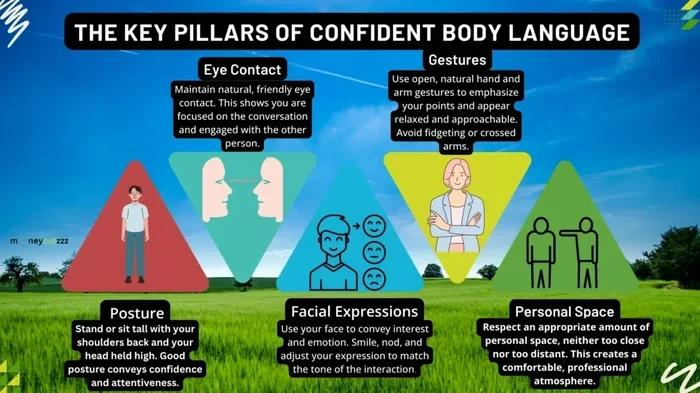
Body language is the biggest clue. It shows how a person feels inside. You can see confidence or fear. You can see openness or secrecy. These are key things you can figure out about someone just by looking at them.
Posture and Stance
Stand tall means confidence. Slouching might mean tiredness. It could also mean low self-esteem. Look at their shoulders. Are they relaxed? Or are they tight? Tight shoulders show stress. Relaxed shoulders show comfort.
Feet direction matters too. Feet point where the mind wants to go. If their feet point at you, they are interested. If they point away, they want to leave. This is a subtle sign. But it is very telling.
Hand Gestures
Hands talk a lot. Open palms show honesty. It feels like sharing. Hidden hands might show hiding. People touch their face when nervous. They might play with jewelry. These are nervous habits. They show anxiety or discomfort.
Crossed arms are tricky. Sometimes it means defense. Sometimes it just means cold. You must check the context. Look at the whole body. Do not focus on one thing only.
Quick Tip
Watch how people enter a room. Confident people walk in smoothly. Nervous people might hesitate. This first impression lasts long.
What Eyes Reveal About Personality
Eyes are the window to the soul. This is an old saying. It holds some truth. You can see emotion in eyes. You can see focus too. This is one of the things you can figure out about someone just by looking at them.
Eye Contact Patterns
Strong eye contact shows interest. It shows confidence too. But too much staring is weird. It can feel aggressive. Good eye contact is balanced. It shows respect and attention.
Avoiding eye contact has many reasons. It might mean shyness. It might mean dishonesty. Or it might mean cultural difference. Some cultures avoid staring. Do not assume lying too fast. Look for other signs too.
Pupil Dilation
Pupils change size. They grow when excited. They grow when interested. This is automatic. You cannot control it. If you see big pupils, they like something. It could be you. It could be the topic.
Dark circles show tiredness. They show lack of sleep. This affects mood. A tired person might be irritable. Knowing this helps you understand them. You know not to take it personally.
Style and Clothing Choices
Clothes are a form of expression. People choose what to wear. This choice says something. It is one of the visible things you can figure out about someone just by looking at them. Style reflects personality.
Grooming and Hygiene
Clean clothes show care. Good hygiene shows self-respect. People who groom well value appearance. This might mean they value social norms. Or they just like feeling clean. Messy clothes might mean busy life. It might mean low energy.
Note the fit of clothes. Well-fitted clothes show attention to detail. Baggy clothes might mean comfort focus. Some people dress for function. Others dress for style. Both are valid choices.
Colors and Patterns
Bright colors show energy. They show extroversion sometimes. Dark colors might show reserve. They might show professionalism. Patterns matter too. Busy patterns show boldness. Simple patterns show calm.
Think about the occasion. People dress up for events. They dress down for home. Context changes meaning. A suit at a party is different. A suit at work is normal. Always check the setting.
Common Mistakes
Do not judge wealth by brands. Fake items exist. Do not judge status by shoes alone. Comfort is a priority for many. Avoid assuming too much from one item.
Emotional State and Energy Levels
You can feel the vibe. Energy is visible. Some people glow. Some people drain. This is about emotional state. It is one of the things you can figure out about someone just by looking at them quickly.
Facial Expressions
A genuine smile reaches eyes. Fake smiles stay in the mouth. Look for crow’s feet. They show real joy. A flat face shows boredom. Or it shows sadness. Furrowed brows show confusion. Or they show anger.
Micro-expressions are fast. They happen in seconds. They show true feeling. Most people miss them. But you can learn to see. Practice helps you notice. It improves your empathy.
Movement Speed
Fast movements show urgency. Or they show anxiety. Slow movements show calm. Or they show fatigue. Watch how they walk. A brisk walk shows purpose. A slow walk shows relaxation.
Energy levels change. Morning people look different. Night owls look different at 9 AM. Consider the time of day. A tired look might be normal for them. Do not assume laziness.
Social Habits and Confidence
Social habits are visible. You see how they act near others. Confidence is a big factor. It shows in how they hold space. These are practical things you can figure out about someone just by looking at them.
Interaction with Others
Watch how they treat staff. Watch how they treat friends. Kindness shows character. Rudeness shows arrogance. Do they listen? Or do they interrupt? Listening shows respect. Interrupting shows impatience.
Group dynamics matter. Are they the leader? Are they the follower? Some people blend in. Some people stand out. Both are okay. It shows their social role.
Personal Space
Some people need space. Some people stand close. This is cultural too. It is also personal preference. Invading space feels aggressive. Keeping distance feels formal. Notice their comfort zone.
Respect boundaries. If they step back, give space. If they step forward, they are comfortable. Mirroring helps build trust. Copy their energy level. It creates connection.
Expert Insight
Psychologists say first impressions form in seconds. You cannot stop it. But you can refine it. Use observations to be kind. Use them to understand, not to judge.
Limitations and Context Matters
Observation has limits. You cannot know everything. People hide things. People have bad days. You must remember this. These are the limits of things you can figure out about someone just by looking at them.
Masking and Hiding
People wear masks. They hide pain. They hide stress. A happy face might hide sadness. A calm face might hide anger. Do not trust looks only. Words matter too. Actions over time matter most.
Some people are good actors. They practice social skills. They look confident outside. Inside they feel scared. You cannot see the inside. You can only guess. Guessing is not knowing.
Cultural Differences
Signs vary by culture. Eye contact is rude in some places. It is polite in others. Gestures mean different things. Colors mean different things. Learn about differences. Avoid wrong assumptions.
Context changes meaning. A frown at a funeral is normal. A frown at a party is weird. A suit at a beach is strange. A suit at a bank is normal. Always check the scene.
Key Takeaways
- Look at the whole picture. Do not focus on one detail.
- Consider the context. Situation changes meaning.
- Be kind. Everyone has hidden struggles.
- Verify with words. Talk to know the truth.
- Trust intuition. But verify with facts.
Understanding people is a skill. It takes practice. You learn more over time. You make fewer mistakes. You become more empathetic. This helps your relationships. It helps your social life.
Remember you are human too. People judge you. They look at you. They see your clothes. They see your face. Be aware of this. Present yourself how you want. But accept others as they are.
Observation is a tool. Use it for good. Use it to connect. Do not use it to harm. Do not use it to exclude. Understanding builds bridges. Judgment builds walls. Choose bridges.
There are many things you can figure out about someone just by looking at them. But there are many things you cannot. Respect the mystery. Respect the depth. People are deep. Looks are just the surface.
Keep learning. Watch people kindly. Listen more than you speak. This is the best way. It builds real knowledge. It builds real trust.
Frequently Asked Questions
Can you really tell personality by looking?
You can see traits like confidence or openness. But you cannot know their full history. Visual cues are just hints. They are not complete facts.
Is eye contact always a sign of honesty?
Not always. Some honest people are shy. Some dishonest people stare hard. Look for clusters of signs. Do not rely on eyes alone.
What does messy clothing really mean?
It might mean they are busy. It might mean they do not care about fashion. It does not always mean they are lazy. Context is very important here.
Can you spot anxiety from a distance?
You might see fidgeting. You might see tight posture. But you cannot diagnose them. Only a professional can do that. Be careful with labels.
Why do first impressions matter so much?
Your brain wants to know if someone is safe. It makes fast decisions. This is an evolutionary trait. It helps protect you. But it can be wrong.
How do I stop judging people too fast?
Remind yourself you do not know their story. Pause before you decide. Ask questions instead. Curiosity beats judgment every time.
