
Emotional agility helps you face difficult feelings instead of forcing fake happiness. When you stop chasing relentless positivity, you build true resilience and deeper self-awareness. This guide shows you how to process emotions with honesty, reduce stress, and create healthier relationships. You will learn simple steps to navigate pain without falling into the trap of toxic positivity.
Key Takeaways
- Emotional agility means accepting feelings as they come instead of fighting them.
- Toxic positivity often pushes people to suppress pain, which increases anxiety and burnout.
- Healthy emotional regulation requires honest self-reflection and gentle self-compassion.
- Processing difficult emotions builds stronger resilience and better mental health over time.
- Simple daily practices like journaling and mindful breathing support genuine emotional growth.
- Supportive relationships thrive when people communicate real feelings instead of forced happiness.
- Learning to sit with discomfort creates lasting peace and deeper personal freedom.
📑 Table of Contents
- Why Emotional Agility Matters More Than Forced Happiness
- Understanding the Trap of Toxic Positivity
- How to Build Emotional Agility in Daily Life
- Moving Through Difficult Emotions With Less Resistance
- Why Honest Emotions Strengthen Relationships
- Practical Steps to Stop Chasing Forced Positivity
- Common Mistakes When Trying to Be More Emotionally Agile
- Final Thoughts on Choosing Real Feelings Over Fake Happiness
Why Emotional Agility Matters More Than Forced Happiness
Life throws heavy moments at all of us. Some days feel bright and smooth. Other days feel heavy and confusing. Many people try to hide the hard feelings. They smile through the pain. They tell themselves to stay upbeat no matter what. This habit often creates more stress. Emotional agility offers a healthier path. It teaches you to notice feelings without judgment. It helps you move through pain with clarity. You do not need to force joy to prove strength. Real strength comes from honest awareness.
Forced happiness can feel exhausting. You might smile while your chest feels tight. You might say everything is fine while your mind races. This pattern often grows from social pressure. People expect quick recovery. People expect constant optimism. These expectations ignore human reality. Human beings feel sadness, anger, fear, and grief. These emotions serve a purpose. They signal that something needs attention. When you ignore them, they often grow louder. Toxic positivity can trap you in this cycle. It tells you to cancel hard feelings before they fully arrive. That approach rarely works. It usually leaves you feeling more isolated.
Emotional agility changes this pattern. It invites you to pause. It invites you to name what you feel. It invites you to treat your inner world with respect. This mindset does not demand instant solutions. It allows room for confusion. It allows room for grief. It allows room for healing. You can still hope for better days. You can still look forward. But you do not need to pretend the present moment feels easy. That balance creates a steadier life.
The Hidden Cost of Constant Positivity
Many people believe upbeat thinking solves every problem. That belief sounds encouraging at first. It can even feel motivating. Yet constant positivity can become a trap. You may start to judge yourself for feeling sad. You may treat normal pain like a personal failure. This mindset can create shame. Shame often blocks real healing. It keeps you stuck in silence. It also makes it harder to ask for support.
Constant positivity can strain your relationships too. Friends may sense that something feels off. They may notice your forced smile. They may notice your quick deflection. Over time, this can create distance. People connect through honesty. They connect through shared vulnerability. When you hide your feelings, you miss that connection. You also lose the chance to receive comfort. Support often arrives when you speak openly. Emotional awareness opens that door.
There is another cost too. Forced optimism can dull your intuition. Your feelings often carry useful information. Anger may point to a boundary that was crossed. Sadness may point to a loss that needs mourning. Fear may point to a risk that needs careful thought. When you push all of that away, you lose guidance. You may keep repeating the same patterns. You may keep avoiding the same hard truths. Emotional agility helps you listen instead of dismiss.
How Emotional Agility Supports Real Resilience
Resilience is not about pretending nothing hurts. Resilience is about adapting with honesty. It is about staying grounded when life feels unsteady. Emotional agility strengthens this skill. It helps you respond instead of react. It gives you space between feeling and action. That space matters. It helps you choose a better next step.
This approach also supports long-term mental health. People who accept their emotions often recover more smoothly. They do not waste energy fighting themselves. They do not spend every hard moment judging their pain. That self-judgment drains the mind. It also increases tension in the body. When you soften that inner conflict, you create room to heal. You may still feel upset. You may still feel tired. But you will not add extra pressure on top of it.
Emotional agility also improves decision-making. Clear decisions rarely come from denial. They come from honest assessment. You can notice what hurts. You can notice what helps. You can notice what needs to change. This honest view supports practical action. It also reduces regret. You are less likely to ignore warning signs. You are more likely to protect your energy. That matters in work, friendships, and family life.
Understanding the Trap of Toxic Positivity
Toxic positivity sounds helpful, but it often backfires. It pushes people to replace real feelings with cheerful slogans. It suggests that negative thoughts should disappear quickly. It treats sadness like a bad habit. It treats fear like weakness. This mindset can feel dismissive. It can make people feel unseen. It can also make people feel guilty for struggling.
The problem is not hope. Hope is healthy. The problem is denial dressed up as optimism. Denial asks you to bypass reality. It asks you to ignore pain before you process it. That usually creates more pressure. It can also create emotional numbness. Numbness may seem safe at first. Yet numbness blocks joy too. When you shut down hard feelings, you often dull the good ones. Life starts to feel flat. You may lose touch with what matters to you.
Many people fall into this pattern because it feels easier in the moment. It is easier to say “I am fine” than to explain a heavy heart. It is easier to scroll through happy quotes than to sit with grief. It is easier to focus on the bright side than to face a difficult conversation. These habits can look like coping. Sometimes they are just avoidance. Emotional agility offers a different way. It asks you to stay present. It asks you to let feelings move through you. That process may feel uncomfortable at first. Still, it usually brings more relief than suppression.
Signs You May Be Avoiding Your Real Feelings
It helps to notice when positivity becomes a shield. Here are some common signs:
- You quickly change the subject when someone asks how you are.
- You judge yourself for feeling sad, angry, or scared.
- You use humor or busyness to avoid quiet reflection.
- You feel guilty when you rest or slow down.
- You tell yourself you should be grateful, so you cannot complain.
- You feel exhausted from maintaining a cheerful front.
- You struggle to name what you feel beyond “good” or “fine.”
These signs do not mean you are failing. They mean you may be carrying too much alone. They also suggest it may be time to slow down. You do not need to perform emotional perfection. You only need to stay honest with yourself. That honesty is the first step toward emotional agility.
Why Denial Feels Safer Than Feeling Pain
Pain can feel overwhelming. It can pull at your attention. It can make your body feel tense. It can make the future seem uncertain. So it makes sense that many people try to escape it. Avoidance can bring temporary relief. It can create a sense of control. It can also protect you from feeling too much too fast. The trouble starts when avoidance becomes the main strategy. Then pain does not disappear. It often waits. It often returns with more intensity.
Denial also keeps you from learning what your feelings mean. Pain often carries a message. A lonely feeling may ask for connection. A frustrated feeling may ask for change. A hurt feeling may ask for repair. When you skip that message, you miss an opportunity to care for yourself. Emotional agility helps you stay close enough to hear it. You do not need to drown in the feeling. You only need to notice it with courage.
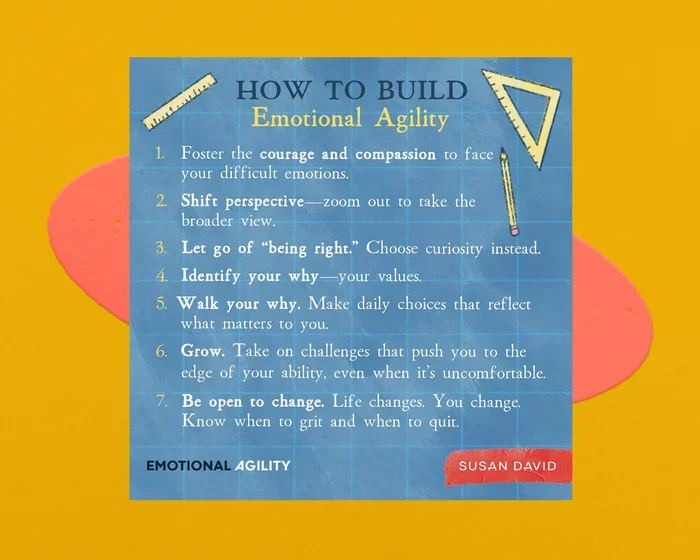
How to Build Emotional Agility in Daily Life
Building emotional agility takes practice. It starts with small choices. It starts with a gentler inner voice. You do not need a perfect routine. You only need a willingness to notice. Here are some simple ways to begin.
First, name your feeling with accuracy. Try to move beyond vague words. Instead of “I feel bad,” ask what kind of bad. Is it sadness? Disappointment? Embarrassment? Loneliness? Fear? Clear naming reduces confusion. It also helps your mind organize the experience. When you know what you face, you can respond more wisely.
Second, allow the feeling to exist without fixing it immediately. This step can feel strange. Many people want quick solutions. They want the discomfort to vanish. Yet feelings often need a little time. You can breathe through the moment. You can sit still for a minute. You can remind yourself that feelings are temporary. You do not need to solve everything right away.
Third, check your self-talk. Hard moments often trigger harsh thoughts. You may tell yourself you are too sensitive. You may tell yourself you should be over it. Try to replace that tone with kindness. You can say, “This is hard, and I am still here.” You can say, “It makes sense that I feel this way.” These words do not erase pain. They reduce shame. They also make it easier to keep going.
Simple Practices for Naming and Accepting Feelings
You can train this skill with small daily habits. Try these ideas:
- Pause for a moment and ask, “What is happening inside me right now?”
- Write one sentence about your mood without judging it.
- Use a feeling list if you struggle to find the right word.
- Notice where the emotion sits in your body. Is your jaw tight? Is your stomach heavy?
- Take three slow breaths before reacting to a stressful message.
- Give yourself permission to feel disappointed without turning it into failure.
These practices may seem simple, but they matter. They help you slow down. They help you notice patterns. They also build trust with yourself. Over time, you become less afraid of difficult moods. You learn that you can survive them. You learn that you can respond with care. That is the heart of emotional agility.
When to Pause Instead of Push Through
Some moments call for action. Other moments call for rest. It is not always easy to tell the difference. A good rule is to notice your energy. If you feel sharp panic, deep grief, or intense anger, pause before making big decisions. Give the feeling some space. Drink water. Step outside. Stretch your shoulders. Let the wave settle a little. Then reassess.
Pushing through every hard feeling can lead to burnout. It can also create reactive choices. You may say things you do not mean. You may agree to things that drain you. You may ignore your limits. A brief pause can prevent that. It helps you return to center. It helps you choose from clarity instead of pressure. This habit supports healthier relationships too. People respond better when you speak from steadiness rather than strain.
Moving Through Difficult Emotions With Less Resistance
Resistance often makes pain feel larger. When you fight a feeling, you give it more attention. You also create inner conflict. That conflict can feel exhausting. You may feel torn between what you feel and what you think you should feel. Emotional agility reduces that tug-of-war. It asks you to stop arguing with your own experience. It asks you to let the feeling be there while you keep living your life.
This does not mean you become passive. It means you stop wasting energy on denial. You can still set boundaries. You can still make changes. You can still ask for help. But you do it from a clearer place. You do it with a more honest understanding of your needs. That makes your actions stronger. It also makes your healing more sustainable.
A helpful image is to think of emotions like weather. You cannot stop rain by yelling at the clouds. You can only grab an umbrella and keep moving. Emotional agility works in a similar way. You notice the storm. You prepare for it. You do not pretend it is sunshine. That honest stance helps you stay grounded.
The Role of Self-Compassion in Emotional Healing
Self-compassion is a powerful ally. It softens the urge to criticize yourself for struggling. It reminds you that hardship is part of being human. It also helps you recover more quickly from setbacks. When you treat yourself with care, you create a safer inner environment. Safety matters. People heal better when they do not feel attacked by their own thoughts.
You can practice self-compassion in plain language. Try speaking to yourself the way you would speak to a dear friend. If a friend felt heartbroken, you would not mock them. You would not demand instant happiness. You would likely offer patience. Offer that same patience to yourself. It may feel awkward at first. Still, it can change your inner tone over time.
Self-compassion also supports emotional regulation. When your nervous system feels calmer, you can think more clearly. You can notice triggers more easily. You can choose responses that fit the situation. This matters in conflict, grief, and stress. It also matters when you feel overwhelmed by your own expectations. Kindness does not weaken you. It steadies you.
Why Honest Emotions Strengthen Relationships
Relationships grow through truth. People need to know where they stand. They need to understand what hurts and what helps. When you hide your feelings, others often guess instead of understand. That can create confusion. It can also create frustration. Honest emotional expression reduces that guesswork. It builds trust. It also invites deeper connection.
This does not mean you must share every feeling with everyone. Boundaries still matter. You can be honest without oversharing. You can say, “I am having a hard day and need some quiet.” You can say, “I felt hurt when that happened.” These statements are clear and respectful. They also open the door for support. People often want to help, but they need guidance. Clear communication gives them that guidance.
Emotional agility also helps you handle conflict better. Disagreements feel less threatening when you can name your experience. You can separate the feeling from the blame. You can say what you need without attacking the other person. That approach lowers defensiveness. It also makes repair more possible. Over time, this creates stronger bonds. It also creates more peace at home and at work.
How to Talk About Hard Feelings Without Blame
Difficult conversations go better when you keep them simple. Try this approach:
- Start with “I” statements instead of accusations.
- Describe the feeling without exaggeration.
- Mention the specific event that triggered it.
- State what you need going forward.
- Leave room for the other person to respond.
For example, you might say, “I felt overwhelmed when the plan changed last minute. I need a little more notice next time.” That message is honest and practical. It does not attack character. It focuses on the experience and the solution. This style of communication supports healthy communication and reduces unnecessary tension.
Setting Boundaries When You Feel Overwhelmed
Boundaries protect your energy. They also protect your relationships from resentment. When you feel overwhelmed, a boundary can help you regain balance. You might need more time alone. You might need fewer commitments. You might need a clearer division of responsibilities. Saying yes to everything often leads to exhaustion. Saying no with kindness creates room to breathe.
A boundary is not a punishment. It is a form of self-respect. It tells others how to treat you with care. It also tells yourself that your limits matter. People who practice emotional agility often find it easier to set boundaries. They can notice when they are stretched too thin. They can speak up before they reach collapse. That habit supports long-term well-being.
Practical Steps to Stop Chasing Forced Positivity
Letting go of forced positivity takes intention. It helps to replace old habits with new ones. You do not need to reject hope. You only need to make room for the full range of human feeling. Here are practical steps that can help.
Start by noticing your positivity triggers. Ask when you feel pressure to appear happy. Ask whether that pressure comes from social media, family expectations, or your own inner critic. Once you see the trigger, you can respond more intentionally. You can choose honesty over performance.
Next, create a safe outlet for hard feelings. Some people write in a journal. Some people talk to a trusted friend. Some people take a quiet walk. The goal is not drama. The goal is release. A regular outlet helps emotions move instead of pile up. That reduces the need for suppression.
Then, redefine strength. Strength is not endless cheerfulness. Strength is the ability to stay present through difficulty. Strength is the courage to ask for help. Strength is the willingness to rest when you need it. When you redefine strength this way, you give yourself more room to breathe.
Creating Space for Sadness, Anger, and Fear
Hard feelings need room. If you keep stuffing them into corners, they often return louder. Try giving them a scheduled moment. You might set aside ten minutes to reflect. You might let yourself cry without rushing to stop. You might write an angry note and then put it away. These small acts teach your mind that feelings are allowed. That permission often reduces inner tension.
You can also ask what the feeling wants you to notice. Sadness may ask for comfort. Anger may ask for fairness. Fear may ask for preparation. When you listen, you turn pain into information. That shift can feel empowering. It helps you move from helplessness to understanding. That is a key part of emotional agility.
Daily Habits That Support Genuine Emotional Growth
Small habits build lasting change. Try adding a few of these to your week:
- Check in with your mood once a day.
- Limit time with content that shames negative emotions.
- Practice slow breathing when stress rises.
- Share one honest feeling with someone safe.
- Rest without earning it first.
- Notice when you are performing instead of feeling.
- Celebrate progress, not perfection.
These habits may seem modest, but they add up. They teach your mind that honesty is safe. They also train you to respond with care. Over time, you may notice less inner fighting. You may notice more calm. You may notice a deeper sense of freedom. That freedom comes from no longer demanding fake positivity from yourself.
Expert Insights on Emotional Flexibility
Many therapists and coaches emphasize flexibility over control. They note that people heal better when they can adapt to changing feelings. They also remind us that emotions are not problems to eliminate. They are signals to understand. This perspective can be freeing. It removes the pressure to feel the right way at all times. It also encourages curiosity instead of judgment.
Another helpful insight is that progress is rarely linear. Some days will feel balanced. Other days will feel messy. That does not mean you failed. It means you are human. Emotional agility includes room for setbacks. It includes room for learning. When you accept that reality, you stop punishing yourself for being imperfect. You start building a more sustainable relationship with your inner life.
Common Mistakes When Trying to Be More Emotionally Agile
Even with good intentions, people can slip into new traps. Here are a few common mistakes:
- Trying to accept emotions while still judging them secretly.
- Using mindfulness to bypass real problems instead of facing them.
- Expecting emotional agility to remove all pain instantly.
- Sharing every feeling with everyone without considering boundaries.
- Confusing emotional agility with emotional overanalysis.
- Ignoring practical needs while focusing only on feelings.
If you notice these patterns, do not panic. Just adjust. Emotional agility is a practice, not a performance. You can return to honesty again and again. You can keep simplifying. You can keep softening the pressure. That is how growth happens.
Final Thoughts on Choosing Real Feelings Over Fake Happiness
You do not need to force yourself to be positive all the time. Real life includes joy, but it also includes sorrow, frustration, and uncertainty. Emotional agility helps you meet those moments with honesty. It helps you stop fighting your own inner experience. It helps you build resilience through acceptance instead of denial. When you choose real feelings over fake happiness, you give yourself a gift. You give yourself clarity. You give yourself peace. You give yourself the chance to heal in a deeper way.
Start small. Name one feeling today. Let it be there for a moment. Speak to yourself with kindness. Reach out when you need support. These simple steps can change your relationship with your own heart. They can also change the way you move through life. You deserve a life that feels honest. You deserve a life where you do not have to hide your humanity to be accepted. Emotional agility can help you build that life, one honest moment at a time.
Frequently Asked Questions
What does emotional agility mean?
Emotional agility means noticing your feelings with honesty and responding to them with flexibility. It helps you move through difficult emotions without forcing fake happiness or suppressing pain.
Why is toxic positivity harmful?
Toxic positivity can make people feel ashamed of normal struggles. It often pushes pain underground, which increases stress and makes honest connection harder.
How can I stop trying to be positive all the time?
Start by naming your real feelings instead of replacing them with cheerful slogans. Practice self-compassion, set boundaries, and allow hard emotions to exist without rushing to fix them.
Does emotional agility mean I should always express every feeling?
No, emotional agility is about honest awareness, not oversharing. You can acknowledge your feelings privately and share them selectively with people who are safe and supportive.
What are simple ways to build emotional agility daily?
You can pause to name your mood, breathe through stress, journal briefly, and speak kindly to yourself. Small check-ins throughout the day help you stay connected to your inner experience.
Can emotional agility improve relationships?
Yes, because honest feelings create clearer communication and deeper trust. When you express what you need without blame, conflicts become easier to resolve and connections feel more genuine.
