
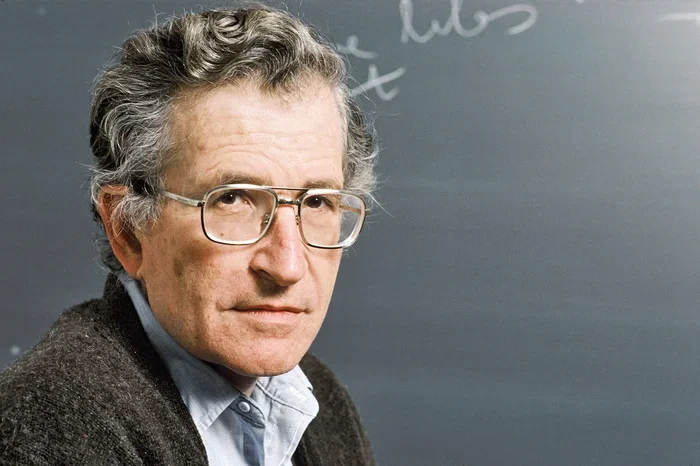
Wise Lessons From Noam Chomsky To Deeper Your Understanding Of The World offer a clear path to seeing through manipulation and questioning authority. His ideas on language, media, and power help us think for ourselves instead of following the crowd. You will learn how to spot propaganda, value free speech, and build a more honest view of society. These lessons are simple yet powerful tools for anyone who wants truth.
Noam Chomsky has spent decades asking hard questions about power, truth, and human nature. His work touches on language, politics, media, and ethics. Many people turn to his ideas when they feel confused by the noise around them. The wise lessons from Noam Chomsky give us a clear lens to see the world more honestly.
You do not need a degree in linguistics or political science to benefit from his thinking. His core messages are simple, direct, and deeply practical. They invite us to slow down, question assumptions, and think for ourselves. In a time of fast news and constant opinions, that kind of clarity is rare and valuable.
Key Takeaways
- Question power structures: Always ask who benefits from the stories we hear every day.
- Protect free speech: Open debate is the foundation of a healthy and free society.
- Study language carefully: Words shape thought, so pay close attention to how they are used.
- Seek independent information: Do your own research instead of trusting only mainstream sources.
- Value critical thinking: Never accept claims without checking the evidence first.
- Recognize media bias: News outlets often serve corporate or political interests over public truth.
- Take small daily actions: Real change starts with consistent personal choices and local efforts.
📑 Table of Contents
- Understanding Power Through The Wise Lessons From Noam Chomsky
- The Role Of Media And Information In The Wise Lessons From Noam Chomsky
- Language, Thought, And The Wise Lessons From Noam Chomsky
- Freedom, Responsibility, And The Wise Lessons From Noam Chomsky
- Taking Action With The Wise Lessons From Noam Chomsky
- Common Mistakes When Applying The Wise Lessons From Noam Chomsky
- Expert Insights On The Wise Lessons From Noam Chomsky
- Key Takeaways For Living The Wise Lessons From Noam Chomsky
Understanding Power Through The Wise Lessons From Noam Chomsky
Chomsky has always focused on how power works in society. He looks at who makes the rules, who benefits from them, and who gets left out. This approach helps us see that many systems are not neutral. They often serve specific interests while presenting themselves as fair or natural.
When you study these wise lessons from Noam Chomsky, you start to notice patterns in everyday life. A company may claim it cares about workers while cutting pay. A politician may promise change while protecting the same old networks. A news story may look balanced while quietly pushing one side. The goal is not to become cynical. The goal is to become clear-eyed.
Spotting Hidden Agendas In Daily Life
Hidden agendas are not always dramatic. Sometimes they appear in small choices. A school may teach one version of history while leaving out other voices. A workplace may praise teamwork while ignoring unfair demands. A friend group may reward conformity and punish honest questions.
You can practice spotting these patterns with a few simple habits. Ask who gains from a message. Ask who might lose. Ask what is left unsaid. These questions do not require anger. They only require attention.
- Check the source: Look at who is speaking and what they stand to gain.
- Compare versions: Read more than one account of the same event.
- Notice emotions: Strong fear or anger can be used to bypass careful thinking.
- Watch for repetition: Repeated phrases often signal an attempt to shape opinion.
Why Power Needs Attention, Not Fear
Chomsky often reminds people that power is not a monster to worship or a shadow to panic over. It is a structure to understand. When we understand how influence works, we can respond with reason instead of panic. That shift matters a lot.
Fear can make us freeze. Understanding can make us act. If you know how advertising works, you can shop more mindfully. If you know how political messaging works, you can vote more thoughtfully. If you know how social pressure works, you can protect your own values. The wise lessons from Noam Chomsky encourage this kind of calm, steady awareness.
The Role Of Media And Information In The Wise Lessons From Noam Chomsky
Media plays a huge role in shaping what people believe. Chomsky has written extensively about how news, advertising, and public relations can guide public opinion. He does not say all media is fake. He says media often carries filters that decide what gets attention and what gets ignored.
This idea is one of the most useful wise lessons from Noam Chomsky for modern readers. We live in a world of endless content. Algorithms, trending topics, and sponsored posts all compete for our attention. It is easy to mistake what is loud for what is true. It is also easy to mistake what is repeated for what is important.
How To Read News More Carefully
Reading news carefully does not mean doubting everything. It means reading with a thoughtful pause. You can ask simple questions before accepting a story. Who reported this? What evidence is included? What perspective is missing? Are other outlets telling a different version?
A good news habit is like a good eating habit. You do not need perfection. You need balance, variety, and awareness. Try to mix local sources, independent writers, and direct documents when possible. Over time, this habit builds a stronger sense of what is likely true.
- Read past the headline: Headlines often simplify or exaggerate.
- Look for primary sources: Original reports, data, or statements are more reliable than summaries.
- Notice language choices: Emotional words can push you toward a conclusion.
- Check the timeline: Context often changes the meaning of an event.
Independent Thinking In An Age Of Algorithms
Algorithms are designed to keep us engaged. That means they often show us what we already like or already fear. This can create a narrow loop of ideas. Chomsky’s thinking pushes us in the opposite direction. He encourages curiosity, disagreement, and wide reading.
Independent thinking is a practice, not a personality trait. You can build it by seeking out views that challenge you. You can also build it by slowing down before sharing. A calm pause can prevent a rushed reaction. That pause is one of the simplest wise lessons from Noam Chomsky in action.
Language, Thought, And The Wise Lessons From Noam Chomsky
Chomsky is famous for his work on language. He argues that humans have a natural capacity for language and that this capacity shapes how we think. You do not need to agree with every detail of his linguistics to appreciate the larger point. Words matter. Language shapes thought. Thought shapes action.
This connection between language and thought is one of the most lasting wise lessons from Noam Chomsky. When people use vague language, they can hide hard truths. When they use precise language, they can reveal them. When they repeat slogans, they can shut down reflection. When they ask real questions, they can open it up.
How Words Shape What We Believe
Consider how different phrases can describe the same event. One person may call a protest a crisis. Another may call it a demand for justice. The event may be the same, but the frame changes how people feel. Frames are not just wording. They are tools of interpretation.
You can become more aware of framing by noticing repeated labels. Ask what a label includes and what it leaves out. Ask whether a phrase invites curiosity or closes the door. This kind of attention helps you resist manipulation without becoming suspicious of everyone.
Practical Ways To Sharpen Your Thinking With Language
You can train your mind to use language more carefully. Start by replacing vague reactions with clearer questions. Instead of saying a situation is bad, ask what exactly is harmful. Instead of saying something is fake, ask what part is inaccurate and why. Precision is a form of intellectual strength.
Here are a few practical habits that support clearer thinking:
- Define terms: When a word matters, ask what it means in that context.
- Separate fact from opinion: Both can be useful, but they are not the same.
- Notice metaphors: Metaphors can clarify, but they can also limit understanding.
- Write to think: Putting ideas on paper often reveals weak spots.
Freedom, Responsibility, And The Wise Lessons From Noam Chomsky
Chomsky often links freedom with responsibility. Freedom is not just the right to say whatever comes to mind. It is also the duty to think carefully before speaking. A free society depends on people who can reason, listen, and challenge ideas without violence or deception.
This view of freedom is deeply practical. It reminds us that rights and responsibilities go together. If we want honest public debate, we need to practice honesty in our own conversations. If we want better leadership, we need to support leaders who welcome scrutiny. If we want truth, we need to protect the conditions that allow truth to surface.
What Real Freedom Looks Like In Everyday Life
Real freedom is not a loud slogan. It is a steady habit. It shows up when you admit you might be wrong. It shows up when you listen to someone you disagree with. It shows up when you refuse to spread a claim you have not checked. These small choices protect freedom in daily life.
They also build trust. People trust those who think before they speak. People trust those who change their mind when new evidence appears. People trust those who treat disagreement as a chance to learn rather than a threat to defeat. The wise lessons from Noam Chomsky support this more mature kind of freedom.
Balancing Rights With Community Responsibility
No one lives in a vacuum. Our choices affect families, workplaces, neighborhoods, and larger systems. That means personal freedom should be balanced with care for others. Chomsky’s work often points toward solidarity, not selfishness. He suggests that justice is not a private project. It is a shared one.
You can practice this balance in simple ways. Speak honestly without needless cruelty. Defend your views without dismissing others. Take part in community decisions when you can. Support spaces where people can ask questions safely. Freedom grows stronger when it is shared responsibly.
Taking Action With The Wise Lessons From Noam Chomsky
Ideas matter, but they must also lead somewhere. One of the strongest parts of Chomsky’s message is that understanding should lead to action. You do not need to wait for a perfect moment. You can start with small, realistic steps that fit your life.
Action does not have to mean grand gestures. It can mean reading more carefully. It can mean asking better questions at work or school. It can mean supporting local efforts that matter to you. It can mean refusing to normalize dishonesty when you see it. These are all forms of participation.
Small Daily Habits That Build Understanding
Big change often begins with ordinary routines. You can build understanding through habits that are easy to repeat. Read a little each day from sources you trust and sources that challenge you. Write down questions that come up during the day. Talk with people who see things differently. Keep your mind open without losing your standards.
A useful routine is simple: notice, question, verify, and respond. Notice what you hear. Question what seems unclear. Verify what matters most. Respond with care. This routine is not flashy, but it is effective. It is one of the most practical wise lessons from Noam Chomsky for everyday life.
When To Speak Up And When To Keep Learning
Not every moment calls for a public statement. Sometimes the best move is to learn more before speaking. Sometimes the best move is to listen first. Other times, silence can protect a harmful status quo. Knowing the difference is part of wisdom.
A few signs can help you decide. If the issue affects others deeply, speak up with care. If you lack key facts, pause and gather them. If your emotions are running high, slow down before reacting. If a situation needs courage, consider whether your voice can help. Thoughtful action is better than impulsive action.
- Speak up when: The truth is being distorted in a way that hurts people.
- Listen more when: You are still learning the basics of a complex issue.
- Verify first when: A claim is dramatic, urgent, or hard to confirm.
- Act locally when: You can make a real difference in your community.
Common Mistakes When Applying The Wise Lessons From Noam Chomsky
Even good ideas can be misused. Some people treat Chomsky’s warnings as a reason to distrust everything. That is not the point. The point is to think clearly, not to surrender into cynicism. Healthy skepticism is useful. Blanket distrust can become its own trap.
Another common mistake is using these ideas only to win arguments. The goal is not to feel superior. The goal is to understand better. When learning becomes a weapon, it loses its value. When learning becomes a tool for clarity, it gains value.
Turning Skepticism Into Cynicism
Skepticism asks for evidence. Cynicism assumes the worst before looking. Skepticism leaves room for truth. Cynicism can shut the door on it. If you move too far toward cynicism, you may stop caring about improvement. That helps no one.
To stay balanced, remember that criticism should be specific. Name what is wrong. Name what is missing. Name what could be better. This keeps your thinking sharp and constructive.
Using Critical Thinking To Win Instead Of To Learn
Some people use critical thinking like a scorecard. They want to prove they are right and others are wrong. But real understanding is larger than winning a debate. It is about seeing the world more fully. That means being willing to revise your view when needed.
A better goal is intellectual honesty. Ask whether your view fits the evidence. Ask whether you are ignoring inconvenient facts. Ask whether your conclusion would still make sense if the roles were reversed. These questions keep learning alive.
Expert Insights On The Wise Lessons From Noam Chomsky
Many readers find Chomsky’s work refreshing because it combines deep study with plain language. He often avoids fancy jargon when simpler words will do. That does not mean his ideas are simple. It means he respects the reader. He trusts that people can handle honest analysis.
This approach is a lesson in itself. Clear communication is not a sign of shallow thought. It is often a sign of strong thought. When an idea can be explained plainly, it is easier to test, question, and use. That is why his work still resonates with so many people.
Why Simplicity And Depth Can Work Together
Simple language can carry serious meaning. A short sentence can point to a large problem. A clear question can expose a weak argument. Depth does not require confusion. In fact, confusion often hides weak reasoning. Clarity exposes it.
If you want to think more deeply, do not assume you need complicated words. Start with clear definitions, honest evidence, and patient reflection. That combination is powerful. It is also very accessible.
How To Keep Learning Without Burning Out
Constant exposure to bad news and heated opinions can wear anyone down. That is why balance matters. You do not need to consume every issue at full volume. You can choose a few topics to study well. You can also step back when you need rest.
Sustainable learning includes boundaries. Limit how much time you spend in outrage loops. Read deeply instead of endlessly. Talk with people who help you think, not just react. Protect your energy so you can keep showing up with a clear mind.
Key Takeaways For Living The Wise Lessons From Noam Chomsky
The heart of this approach is simple. Do not accept power without question. Do not trust media without care. Do not let language fool you. Do not treat freedom as careless. Do not stop at theory. Keep going with action.
These wise lessons from Noam Chomsky are not about becoming perfect. They are about becoming more awake. They ask for patience, honesty, and courage. They also promise something valuable in return: a clearer view of the world and a stronger role in it.
- Stay curious: Curiosity keeps the mind open and alert.
- Stay specific: Specific thinking prevents vague conclusions.
- Stay responsible: Freedom works best with care for others.
- Stay active: Understanding should lead to thoughtful action.
- Stay balanced: Skepticism should not turn into despair.
If you take one thing from this article, let it be this: question with care, learn with humility, and act with purpose. That is a life stance that can serve you well. It can also help the people around you. The world needs more clear thinking, not less.
Frequently Asked Questions
What are the wise lessons from Noam Chomsky?
The wise lessons from Noam Chomsky focus on questioning power, protecting free expression, and thinking critically about media and language. They encourage people to seek evidence, notice bias, and take responsibility for their own beliefs.
How can I use Chomsky’s ideas in everyday life?
You can use them by reading news more carefully, asking who benefits from a message, and checking claims before sharing them. You can also practice honest conversation and support local efforts that matter to you.
Did Noam Chomsky only study language?
Noam Chomsky is famous for his work on language, but he also wrote widely about politics, media, and public life. His linguistic research and social criticism are connected by a shared interest in how humans think and communicate.
Is skepticism the same as distrust?
No, skepticism is the habit of asking for evidence before believing a claim. Distrust is a blanket suspicion that can ignore good information. Healthy skepticism is careful; distrust can become cynical.
Why does language matter so much in understanding the world?
Language shapes how we describe events, people, and problems. The words chosen can highlight some facts and hide others. Paying attention to language helps you see frames, assumptions, and possible manipulation.
What is the best way to avoid burnout while staying informed?
The best way is to set boundaries, choose a few important topics, and read deeply instead of constantly scrolling. It also helps to balance serious study with rest, conversation, and action you can actually sustain.
