
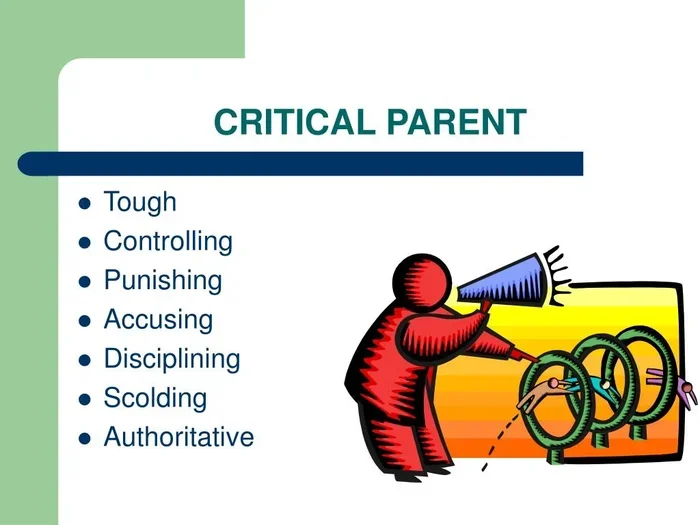
If you recognize these signs you were raised by highly critical parents, your adult relationships and self-esteem may carry hidden wounds. Constant judgment in childhood often shapes how you speak to yourself and handle conflict as an adult. The good news is that awareness brings healing. You can rewrite your inner story and build a kinder, healthier life starting today.
Growing up with harsh judgment leaves a mark. It changes how you see yourself. It also changes how you move through the world. Many people carry these invisible wounds without knowing where they came from. They just feel tired, anxious, or never good enough. If this sounds familiar, you are not alone.
This article will help you spot the patterns. We will look at the signs, the emotional impact, and the healing steps that actually work. You will also learn how to quiet that inner critic and build a kinder relationship with yourself. The goal is simple. You deserve peace, confidence, and a life that feels light instead of heavy.
Key Takeaways
- Constant criticism in childhood rewires self-talk. You may hear your parents voice every time you make a small mistake.
- Perfectionism is a survival response. You learned that doing things perfectly kept the peace and earned approval.
- Difficulty accepting praise is common. Compliments can feel uncomfortable or fake when you grew up with harsh judgment.
- People pleasing often starts early. You may have learned to read moods and avoid conflict to stay safe.
- Emotional sensitivity can feel like a weakness. Small critiques may trigger big reactions because your nervous system stayed on alert.
- Healing is absolutely possible. Therapy, boundaries, and self compassion can rebuild your sense of worth.
- Your past does not define your future. You can choose new habits and create a gentler inner voice.
📑 Table of Contents
- If You Recognize These Signs You Were Raised By Highly Critical Parents
- The Emotional Scars of Constant Judgment
- If You Recognize These Signs You Were Raised By Highly Critical Parents, You May Struggle With Perfectionism
- Difficulty Accepting Praise and Support
- People Pleasing and Over Accommodation
- A Hard Time With Conflict and Feedback
- What Healing Looks Like After Critical Parenting
- Practical Steps to Reclaim Your Confidence
- Moving Forward With Compassion
If You Recognize These Signs You Were Raised By Highly Critical Parents
When criticism becomes a daily habit, children do not just hear words. They absorb a message. The message says, “You are not quite right yet.” Over time, that message can turn into a loud inner voice. It can affect your confidence, your relationships, and even your body. The tricky part is that many adults do not connect their struggles to their childhood. They just think something is wrong with them. Usually, the real issue is what happened to them.
If you recognize these signs you were raised by highly critical parents, you may notice a pattern in your thoughts and reactions. You might chase perfection. You might dread feedback. You might feel guilty when you rest. These are not character flaws. They are learned survival habits. The good news is that learned habits can be unlearned. First, it helps to name what you experienced.
Why Childhood Criticism Leaves a Deep Imprint
Children depend on their caregivers for safety and love. When feedback feels constant and harsh, the child starts to believe love must be earned. That belief can follow them into adulthood. It can show up at work, in friendships, and in romance. It can also shape how you handle mistakes. Instead of seeing errors as normal, you may see them as proof that you are failing.
This is why healing matters. You are not trying to erase your past. You are trying to understand it. Once you understand the pattern, you can interrupt it. You can also replace old rules with new ones that actually support you.
The Emotional Scars of Constant Judgment
Constant judgment does more than sting in the moment. It can create long term emotional patterns. Many adults who grew up with harsh feedback describe a feeling of walking on eggshells. They stay alert. They scan for danger. They try to avoid displeasing others. That kind of vigilance is exhausting. It can also make relaxation feel unfamiliar.
Another common scar is shame. Shame says, “I am bad,” while guilt says, “I did something bad.” Critical environments often blur that line. A child may learn to feel ashamed of normal needs, normal emotions, and normal mistakes. As an adult, you may feel embarrassed simply for having feelings. You may also hide your needs because you fear being judged for having them.
How Shame and Self Doubt Show Up
Shame often hides behind perfectionism. It can also hide behind over apologizing. You might say sorry for taking up space. You might apologize for asking a simple question. You might even apologize for setting a boundary. These habits usually begin as ways to keep the peace. Later, they become automatic.
Self doubt is another frequent result. You may second guess your choices. You may assume other people know better. You may struggle to trust your own judgment. That can make everyday decisions feel heavy. It can also make you look outside yourself for validation, even when that validation never feels enough.
If You Recognize These Signs You Were Raised By Highly Critical Parents, You May Struggle With Perfectionism
Perfectionism is one of the most common responses to critical parenting. On the surface, it can look like ambition. Underneath, it is often fear. The fear says, “If I get this exactly right, I will finally be safe.” That is a heavy burden to carry. It can lead to procrastination, burnout, and a constant sense of pressure.
You might rewrite emails too many times. You might avoid starting projects because you fear imperfect results. You might feel oddly uncomfortable when something goes well, because success feels temporary. This is not laziness. It is a protective strategy. It developed because your nervous system learned that mistakes had consequences.
Healthy Standards Versus Fear Driven Perfectionism
There is a difference between healthy standards and fear driven perfectionism. Healthy standards help you grow. They leave room for learning. Fear driven perfectionism leaves no room for being human. It demands flawless performance and punishes ordinary mistakes. One supports you. The other drains you.
A simple way to tell the difference is to check your motivation. Ask yourself what happens if you fall short. If the answer is, “I will learn and adjust,” that is healthier. If the answer is, “I will be rejected, shamed, or unsafe,” that is likely a leftover fear from childhood. Recognizing that difference is powerful. It helps you slow down and choose a gentler path.
Difficulty Accepting Praise and Support
Many people raised with harsh criticism feel uneasy when someone compliments them. Praise can feel suspicious. It can feel unearned. It can even feel wrong. You may deflect kind words, change the subject, or point out every flaw. This reaction is common. It often comes from a deep belief that appreciation is temporary or conditional.
This can affect your relationships too. If you cannot absorb warmth, you may struggle to feel secure with others. You might assume people are only being nice for a reason. You might wait for the other shoe to drop. That mindset makes it hard to trust affection, even when it is genuine.
Why Compliments Can Feel Uncomfortable
When criticism is familiar, kindness can feel unfamiliar. Your brain may not know how to process it. It may treat praise like a trick or a setup. That does not mean you are ungrateful. It means your nervous system is protecting you from disappointment. The more you practice receiving kindness, the easier it becomes.
Start small. When someone says something nice, try not to argue. Just say thank you. Breathe. Let the moment land. You do not have to believe every compliment right away. You only have to tolerate the discomfort long enough to build a new habit. Over time, that habit can soften the old defenses.
People Pleasing and Over Accommodation
People pleasing often begins as a smart response to a demanding environment. If criticism was frequent, you may have learned to monitor moods and adjust quickly. You may have become skilled at keeping everyone calm. That skill can look like kindness from the outside. Inside, it often feels like pressure.
As an adult, you may say yes when you want to say no. You may over explain yourself. You may feel responsible for other people’s emotions. You might even believe that setting a boundary will cause conflict or rejection. This can leave you tired and resentful. It can also make your own needs disappear.
When Kindness Turns Into Self Abandonment
There is a difference between caring for others and abandoning yourself. Caring for others is a choice. Self abandonment is a habit. It happens when you consistently put everyone else first and treat your own needs as optional. That pattern often starts in childhood, when being “good” meant staying quiet, compliant, and easy to manage.
If this sounds familiar, begin by noticing your body. Tension, tightness, and exhaustion are useful clues. They often show up when you are overriding yourself. You can also practice tiny acts of honesty. Say, “I need a moment.” Say, “I cannot do that today.” These small boundaries teach your brain that your needs matter too.
A Hard Time With Conflict and Feedback
Critical parenting can make feedback feel dangerous. Even a mild suggestion may trigger shame, anger, or panic. You might become defensive quickly. You might shut down. You might leave the room emotionally before anyone says much at all. These reactions are not overreactions. They are protective responses built from repeated exposure to judgment.
Conflict can feel especially threatening. If you grew up with harsh words, disagreement may signal danger. You may avoid hard conversations for years. You may also fear that any disagreement will turn into rejection. That fear can keep you stuck in relationships that need honesty. It can also make you avoid necessary boundaries.
Relearning That Feedback Is Not Danger
Feedback does not have to mean attack. It can simply mean information. The challenge is that your body may not believe that yet. You can help your body learn by slowing the process down. Pause before responding. Take a breath. Notice whether you are reacting to the present moment or to an old memory. That small pause creates room for choice.
It also helps to separate tone from truth. Sometimes a message is useful even if the delivery is clumsy. Other times, the delivery is disrespectful and the message is not worth keeping. You get to decide what to absorb and what to leave behind. That is a major part of healing.
What Healing Looks Like After Critical Parenting
Healing does not mean pretending the past did not happen. It means changing the way the past runs your life today. That work is gradual. It happens through repetition, patience, and kindness. You do not need to become perfect at self compassion. You only need to keep practicing it.
One helpful step is to notice your inner language. Pay attention to how you speak to yourself after a mistake. If your first reaction is harsh, pause and ask, “Would I talk to a friend this way?” That question can create distance from the old pattern. It can also open the door to a more supportive response.
Building a Kinder Inner Voice
A kinder inner voice is not fluffy. It is practical. It helps you recover faster. It helps you try again. It helps you stay grounded when life gets messy. You can build it by using simple, honest statements. Try phrases like, “I am learning.” “This is hard, but I can handle it.” “I do not need to be flawless to be worthy.”
You can also support this shift with boundaries. Limit time with people who constantly criticize you. Protect your rest. Choose environments that allow you to be human. Healing grows better in spaces where you are not constantly defending yourself.
When Support From a Professional Helps
Sometimes the patterns run deep. In that case, a therapist or counselor can help you untangle them. Professional support can be especially useful if you struggle with anxiety, shame, or relationship patterns that keep repeating. You do not have to figure everything out alone. Support is a strength, not a weakness.
If you are curious about related patterns, you may also find it helpful to explore how criticism affects relationships. For example, some people begin to confuse intensity with care, or they become hyper aware of signs that someone is upset with them. Understanding those patterns can make your healing clearer and more grounded.
Practical Steps to Reclaim Your Confidence
Confidence grows when you keep small promises to yourself. Start with simple actions. Keep a regular bedtime. Eat regularly. Take breaks without earning them. These basics matter more than they seem. They tell your body that you are worth caring for.
You can also practice making room for imperfection. Finish a task without over polishing it. Share an idea before you feel fully ready. Let a small mistake exist without fixing it immediately. Each time you do this, you teach your nervous system that imperfection is survivable. That lesson is powerful.
Quick Tips for Everyday Healing
- Name the old rule. Notice when you think, “I must be perfect to be loved.”
- Replace the rule. Try, “I am allowed to be human and still matter.”
- Pause before apologizing. Ask whether you actually did something wrong.
- Receive compliments with a simple thank you. Do not argue with kindness.
- Set one small boundary each week. Protect your time and energy.
- Track your wins. Write down moments when you handled things differently.
- Celebrate effort, not just outcomes. Progress matters more than perfection.
Common Mistakes to Avoid
- Trying to heal by being harder on yourself. More self criticism does not create change.
- Waiting to feel confident before acting. Confidence often follows action.
- Assuming all feedback is dangerous. Not every correction is an attack.
- Isolating when it gets hard. Support can make healing faster and safer.
- Expecting instant results. Old patterns fade through repetition, not magic.
Moving Forward With Compassion
If you were raised by highly critical parents, your sensitivity may have started as a survival tool. You learned to notice details, anticipate reactions, and work hard for approval. Those skills helped you cope. They do not have to define your whole life. You can keep what is useful and release what is heavy.
Healing is not about becoming someone else. It is about coming home to yourself. It is about learning that your worth was never supposed to be earned through perfection. You are allowed to rest. You are allowed to make mistakes. You are allowed to take up space. The more you practice that truth, the more your life can feel like your own.
Start where you are. Choose one small act of kindness toward yourself today. Then choose another tomorrow. Over time, those choices become a new story. And that new story can be gentler, steadier, and far more honest than the old one.
Frequently Asked Questions
What are the most common signs you were raised by highly critical parents?
Common signs include perfectionism, harsh self talk, difficulty accepting praise, people pleasing, and strong reactions to feedback. You may also feel guilty when you rest or assume mistakes mean you are failing. These patterns often begin as ways to stay safe in a judgmental environment.
Can critical parenting cause confidence issues in adulthood?
Yes, it often can. When children hear frequent criticism, they may internalize the idea that they are never quite good enough. That belief can follow them into adulthood and affect work, friendships, and self esteem. The encouraging part is that confidence can be rebuilt with practice and support.
Why do compliments feel uncomfortable after growing up with criticism?
Compliments can feel unfamiliar when judgment was the norm. Your nervous system may expect criticism more than kindness, so praise can feel suspicious or unearned. This reaction is common and can soften over time as you practice receiving kind words without arguing with them.
How do you heal from being raised by highly critical parents?
Healing usually starts with awareness. Notice your inner voice, challenge harsh self talk, and practice small boundaries. Rest, self compassion, and honest communication also help. Many people benefit from therapy, especially when shame, anxiety, or relationship patterns feel stuck.
Is perfectionism always a sign of critical parenting?
Not always, but it is a common link. Perfectionism can come from many sources, including genetics, culture, and pressure in school or work. Still, when perfectionism feels driven by fear of judgment or rejection, it may be connected to early criticism. The key is to notice whether your standards support you or exhaust you.
What should you do if you recognize these signs in yourself?
Start gently. Pick one pattern to observe, such as over apologizing or negative self talk. Then try a small change, like pausing before you apologize or saying thank you when praised. Healing works best when it is gradual. If the patterns feel overwhelming, talking with a trusted professional can help you move forward with clarity.
