
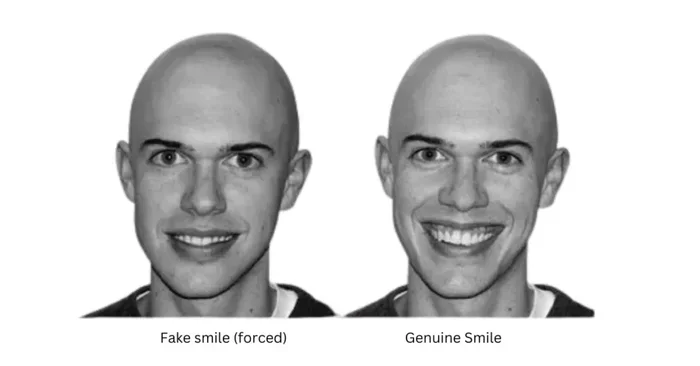
Some people smile from the heart, while others just fake it. The personality traits of people who naturally smile as opposed to forcing it reveal deep emotional health and inner peace. Real smiles come from confidence, gratitude, and true happiness. Fake smiles often hide stress, fear, or social pressure. Understanding these differences helps you build better relationships and find real joy in your own life.
This is a comprehensive guide about Personality Traits Of People Who Naturally Smile As Opposed To Forcing It.
Key Takeaways
- Genuine smiles come from inner peace: People who smile naturally usually feel calm and secure inside.
- Forced smiles hide real emotions: Fake smiling often masks anxiety, discomfort, or social fear.
- Confidence drives natural warmth: Self-assured people do not need to perform happiness for others.
- Gratitude fuels real joy: Thankful people smile more because they focus on good things.
- Body language tells the truth: Real smiles reach the eyes, while forced ones stay on the lips.
- Social pressure creates fake smiles: Many people force smiles to avoid conflict or please others.
- You can learn to smile more authentically: Healing stress and building self-worth helps real smiles appear.
[FEATURED_IMAGE_PLACEHOLDER]
Introduction
Have you ever noticed how some people light up a room the moment they walk in? Their smiles feel warm, easy, and completely real. You can tell they are not trying hard. On the other hand, some people smile all the time, but something feels off. Their smile looks stiff. Their eyes do not match their mouth. It feels like they are performing instead of feeling.
This difference matters more than most people think. A smile is not just a facial expression. It is a signal. It tells others how someone feels inside. It also shows how someone views the world. When you understand the personality traits of people who naturally smile as opposed to forcing it, you learn how to read emotional truth. You also learn what real happiness looks like.
This article breaks down those traits in simple terms. You will see why some people smile with ease. You will also see why others force it. We will look at confidence, stress, gratitude, and social habits. You will get practical tips to spot the difference. You will also learn how to grow a more natural smile in your own life. Let us start with the basics.
The Core Difference Between Real Smiles and Forced Smiles
A real smile starts deep inside. It grows from a calm mind and a light heart. A forced smile starts on the outside. It comes from habit, pressure, or fear. That is the simplest way to understand the difference.
Real smiles usually appear when someone feels safe. They show up during joy, comfort, and connection. Forced smiles often appear when someone wants to avoid trouble. They show up during awkward moments, stress, or social performance. One comes from feeling. The other comes from coping.
Here is a simple comparison to make this clearer.
| Real Smile | Forced Smile |
|---|---|
| Feels relaxed and easy | Feels tense or controlled |
| Reaches the eyes | Stays on the mouth |
| Appears in genuine moments | Appears to manage a situation |
| Matches the mood | Often hides the real mood |
| Comes from inner comfort | Comes from outer pressure |
This difference is not about judging people. Many people force smiles for good reasons. They may want to be polite. They may want to keep the peace. They may feel unsafe showing real emotion. Still, the difference matters. A forced smile can hide pain. A natural smile can reveal health and balance.
When you look closely, the personality traits of people who naturally smile as opposed to forcing it usually point to emotional freedom. These people do not need to manage every reaction. They can simply be present. That freedom changes everything.
Confidence and Emotional Security
One of the biggest traits of natural smilers is quiet confidence. These people do not need constant approval. They do not feel forced to perform happiness. They can be themselves, even in simple moments.
Confidence matters because it lowers the need to impress. When someone feels secure, they do not brace for judgment. They can relax their face. They can let a smile come naturally. That is why emotionally secure people often seem easier to approach. Their warmth feels real because it is not guarded.
Forced smiling often comes from the opposite place. Some people worry that if they do not smile, they will seem rude, cold, or difficult. So they smile to stay safe. This can become a habit fast. Over time, the face may smile even when the mind does not. That is exhausting.
A few signs of confidence-based smiling include:
- Smiling without overthinking the reaction
- Being comfortable when silence happens
- Not smiling just to please everyone
- Letting emotions show in a balanced way
People with this trait usually have a steady sense of self. They know their worth does not depend on constant approval. That inner steadiness makes genuine smiles easier. If you want to explore this more, it may help to read about why some people struggle to speak up for themselves, since self-expression and emotional safety are closely linked.
How Self-Worth Changes Facial Expression
Self-worth affects more than thoughts. It affects the body too. When someone feels worthy, the face softens. The shoulders drop. The breath gets easier. A smile can then appear without effort.
On the other hand, low self-worth can create tension. A person may feel they must earn attention. They may smile to seem likable. They may smile to avoid criticism. That kind of smiling feels mechanical because it is. It is a protection strategy, not a joy response.
When Confidence Becomes Calm Joy
Confidence does not mean arrogance. In fact, arrogant people often force charm. Calm confidence is different. It allows a person to be ordinary and still feel okay. That is where natural smiles grow best. They come from being at peace with who you are.
Genuine Happiness and Inner Peace
People who smile naturally often have a strong sense of inner peace. This does not mean their lives are perfect. It means they are not constantly at war with themselves. They can rest in the moment. They can enjoy small things. They can let happiness rise without chasing it too hard.
Inner peace supports natural smiling because the mind is not crowded. When the mind is full of worry, the face often tightens. When the mind is quieter, the face can soften. That is why people who practice acceptance often seem warmer. They are not fighting reality every second.
A few traits linked to inner peace include:
- Ability to slow down
- Less need to control everything
- More appreciation for ordinary moments
- Better emotional recovery after stress
Genuine happiness is often quiet. It does not always look dramatic. Sometimes it looks like a soft smile while drinking coffee. Sometimes it looks like a calm smile during a good conversation. These moments matter because they show real comfort.
If you want to understand how people find that kind of peace, you may find it useful to read about how it feels to finally have peace with yourself. That shift can change the whole face over time.
The Role of Presence
Presence is a huge part of natural smiling. When someone is truly present, they notice what is happening now. They notice a friend’s laugh. They notice sunlight. They notice kindness. These small moments can trigger a real smile.
Forced smiling often happens when the mind is somewhere else. A person may be smiling while worrying about the next task. They may be smiling while replaying an awkward moment. The mouth moves, but the mind is not there. That mismatch is easy to sense.
Joy That Does Not Need Performance
Real joy does not need an audience. It can exist in quiet places. It can exist without photos, praise, or attention. People who smile naturally often understand this. They do not treat happiness like a show. They let it be simple.
Social Warmth and Empathy
Another common trait is social warmth. People who smile naturally often connect easily with others. They notice emotional cues. They respond with care. Their smile is often part of that connection, not a mask over it.
Empathy helps here. When someone can feel what another person feels, their face often reflects that connection. They smile because they share a moment. They smile because they feel included. They smile because the interaction feels human.
This is different from smiling to smooth over tension. Some people smile to avoid discomfort. That is a social survival habit. It can look similar at first, but the energy is different. Empathic smiles feel open. Avoidant smiles feel careful.
A few signs of warmth-based smiling include:
- Smiling during shared laughter
- Smiling when someone else feels happy
- Smiling that invites conversation
- Smiling that feels welcoming, not defensive
Warm people usually make others feel safer. That is one reason natural smilers are often memorable. Their expression says, “You can relax here.” That kind of message builds trust quickly.
Connection Over Control
Natural smilers usually care more about connection than control. They do not try to manage every impression. They let the moment breathe. This makes their smiles feel less staged.
Forced smilers may try too hard to keep everything smooth. They may smile to prevent conflict or to seem agreeable. That can work for a while, but it is draining. It also makes the smile feel less authentic.
Stress Levels and Emotional Load
Stress changes everything. When someone carries too much stress, the face often becomes guarded. The smile may still appear, but it can feel tight. It may look like a reflex instead of a feeling.
People who smile naturally usually have lower emotional overload, or at least better recovery from stress. They may still face hard things, but they are not constantly braced. Their nervous system has more room to relax. That relaxation opens the door to real smiles.
Common signs that stress may be affecting smiles include:
- Smiling that looks sudden or stiff
- Smiles that disappear quickly when tension rises
- A face that seems tired even when smiling
- Smiling that feels like a duty
If someone is always forcing a smile, the body may be telling them something important. It may be saying, “I am overloaded.” It may be saying, “I need rest.” It may be saying, “I need honesty.”
People who want to understand emotional strain sometimes explore topics like how to stay healthy and positive in personal challenges. That kind of support can help reduce the need for constant masking.
The Body Keeps the Score
The body notices pressure long before words do. Tight jaws, shallow breathing, and stiff smiles all matter. They show that the nervous system is working hard. Natural smiles usually appear when the body feels safer.
Rest as a Smiling Factor
Rest is not lazy. Rest is restorative. When someone gets enough sleep, quiet, and emotional space, their face often looks softer. Smiles become easier. That is one reason burnout can kill genuine warmth. The body simply has no spare energy left.
Why Some People Force Smiles
Forced smiling is common, and it is not always bad. Sometimes people smile to be kind. Sometimes they smile to keep a conversation moving. Sometimes they smile because they were taught to hide discomfort. The problem starts when the smile becomes automatic and dishonest.
There are many reasons people force smiles:
- To avoid conflict
- To seem friendly in unsafe settings
- To meet social expectations
- To hide sadness or anxiety
- To keep working when they feel drained
In some cases, forced smiling comes from upbringing. A person may have learned that negative emotions were not welcome. So they learned to cover them with a smile. That habit can follow them into adulthood.
In other cases, forced smiling comes from fear. A person may worry that honesty will cause rejection. So they smile to stay accepted. This can be especially hard in relationships where emotional safety is weak. If you want to think more about that dynamic, you may find it helpful to read about how it is not your job to make others happy, because constant people-pleasing can turn smiles into performance.
Politeness Versus Performance
Politeness is healthy. Performance is draining. Polite smiles help social life flow. Performance smiles try to control how others feel. One is flexible. The other is heavy.
When Smiling Becomes a Mask
A smile becomes a mask when it hides the truth too often. Then the person starts to lose touch with their own feelings. They may not even know what they feel anymore. That is why authenticity matters. A real smile should match the inner state most of the time.
How to Tell the Difference in Everyday Life
You do not need to be a psychologist to notice the difference. You just need to pay attention. Small clues add up quickly.
Look at the eyes first. Real smiles usually involve the eyes. The cheeks lift. The face looks alive. Forced smiles often stay limited to the mouth. The eyes may look flat or tired.
Listen to the timing. Real smiles usually arrive naturally. They match the moment. Forced smiles may appear too late, too early, or too constantly.
Notice the after-feel. After a real smile, the person often looks relaxed. After a forced smile, they may look drained or distracted.
A few quick clues:
- Real smiles feel brief or spontaneous
- Forced smiles may feel fixed
- Natural smilers blink and breathe more easily
- Forced smilers may seem mentally elsewhere
This is not about catching people out. It is about understanding emotional truth with kindness. Sometimes a forced smile is all someone has right now. Sometimes it is a sign they need support.
Can You Learn to Smile More Naturally
Yes, you can. A natural smile is not a trick. It is a result. It grows when life feels safer, lighter, and more honest. You do not force it. You create the conditions for it.
Start by reducing unnecessary pressure. Ask yourself whether you smile to please people or because you feel something real. That question alone can bring awareness.
Next, make room for real emotion. If you are tired, admit it. If you are sad, allow it. If you are happy, enjoy it without rushing. Real smiles grow where emotions are allowed to exist.
A few helpful habits:
- Take breaks when you feel drained
- Practice honest communication in small ways
- Spend time with people who feel safe
- Notice moments that genuinely make you smile
- Reduce the need to perform happiness
Some people also find that lowering stress helps a lot. If you want to explore calm-supportive habits, you might look at how long it takes for ashwagandha to work as part of a broader stress-support discussion, since stress management can influence how relaxed someone feels.
Build Safety First
Safety comes before performance. When you feel safer in your daily life, your face has more room to relax. That means better sleep, better boundaries, and better self-talk. These things matter more than forcing cheerfulness.
Let Joy Be Simple
You do not need a huge reason to smile. A good song, a warm conversation, or a quiet moment can be enough. Natural smilers often let small joys count. That is a powerful habit to build.
Common Mistakes When Reading Smiles
People often misread smiles because they look too shallowly. A smile alone does not tell the whole story. Context matters. Pattern matters. Energy matters.
Here are common mistakes:
- Assuming every smile means happiness
- Thinking a forced smile is always fake in a bad way
- Ignoring stress, fear, or exhaustion
- Judging someone without knowing their history
- Missing the difference between politeness and joy
A better approach is to look for consistency. Does the smile match the moment? Does the person seem present? Does their body look relaxed? These questions give a clearer picture.
Be Careful With Assumptions
Some people smile through pain. Some people smile through grief. Some people smile because they are trying to survive a hard moment. Compassion matters here. Observation is useful. Assumption is not.
Expert Insights on Authentic Expression
Emotional experts often say that facial expression is a window, not a verdict. It shows what may be happening, but it does not explain everything. That is why curiosity works better than judgment.
A useful insight is this: people smile more naturally when they feel accepted. Acceptance lowers the need to hide. It also lowers the need to perform. Over time, that can make warmth feel easier and more frequent.
Another insight is that authenticity is a practice. People do not wake up perfectly expressive. They learn by noticing patterns. They learn by telling the truth in small ways. They learn by resting more and pretending less.
The Link Between Boundaries and Real Smiles
Boundaries help a lot. When someone can say no, they do not have to smile through everything. They can protect their energy. That protection often leads to more genuine expression later. If you want to explore this idea, you may find it useful to read about whether it is okay to set boundaries with your friends, since boundaries can reduce emotional masking.
Conclusion
The personality traits of people who naturally smile as opposed to forcing it usually point to something deeper than facial habit. They point to confidence, peace, warmth, and emotional honesty. Natural smiles grow where people feel safe enough to be themselves. Forced smiles often appear when people feel they must manage how others see them.
This does not mean forced smiles are evil. Sometimes they are just survival. Sometimes they are politeness. Sometimes they are a sign that someone needs rest or support. The goal is not to criticize smiles. The goal is to understand them.
When you learn to spot the difference, you become more emotionally aware. You also become kinder to yourself. You can stop treating happiness like a performance. You can let real joy show up in simple ways. And over time, that can make your own expression feel more natural too.
Real smiles are not about being cheerful all the time. They are about being real. That is the difference that matters most.
FAQs
What are the personality traits of people who naturally smile as opposed to forcing it?
People who smile naturally often show confidence, inner peace, empathy, and low emotional overload. Their smiles usually match their feelings instead of hiding them.
Why do some people force smiles all the time?
They may want to avoid conflict, please others, or hide stress and sadness. Forced smiling can become a habit when someone feels unsafe showing real emotion.
Can a forced smile still be polite?
Yes, politeness and performance are different. A polite smile helps social moments flow, while a forced performance smile often tries to control how others feel.
How can you tell if a smile is real?
Look at the eyes, the timing, and the body language. Real smiles usually reach the eyes and feel relaxed, while forced smiles often stay on the mouth and feel stiff.
Does stress affect how people smile?
Yes, stress can make smiles look tight or tired. When someone feels overloaded, smiling may become a reflex instead of a genuine reaction.
Can someone learn to smile more naturally?
Yes, by reducing pressure, building safety, and allowing real emotions to show. Natural smiles grow better when a person feels calmer and more honest with themselves.
Frequently Asked Questions
What is Personality Traits Of People Who Naturally Smile As Opposed To Forcing It?
Personality Traits Of People Who Naturally Smile As Opposed To Forcing It is an important topic with many practical applications.
