
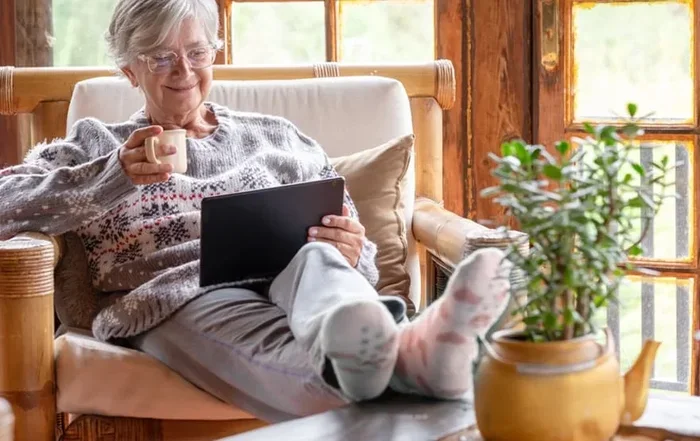
Many people who lose interest in leaving their house as they get older usually have these reasons, ranging from physical pain to deep emotional shifts. Understanding these triggers is the first step to helping yourself or a loved one reconnect with the world. This guide explores the hidden causes behind staying indoors and offers simple ways to find joy outside again.
It happens quietly. One day, the front door feels heavy. The outside world seems loud and confusing. You prefer the couch. You prefer the quiet. People who lose interest in leaving their house as they get older usually have these reasons, and they are more common than you might think. It is not just about being lazy. It is often about protection. It is about safety. It is about how life changes without us noticing.
Staying inside feels safe. The furniture is familiar. The temperature is controlled. There are no surprises. But human beings need connection. We need fresh air. We need to see the sky. When we stop going out, our world shrinks. Our minds can start to feel smaller too. If you notice this happening to you or someone you love, do not panic. There is a reason behind it. Understanding the cause is the key to fixing it.
In this article, we will look closely at why this happens. We will talk about the body. We will talk about the mind. We will talk about feelings. Most importantly, we will talk about how to find the way back out. You do not have to stay behind the door forever. There is hope. There is help. And there is still joy to be found outside.
Key Takeaways
- Physical health changes: Pain or mobility issues often make going out feel too difficult or exhausting.
- Fear of judgment: Worrying about how others perceive aging can create shame and withdrawal.
- Loss of routine: Retirement or empty nesting removes the natural reasons to leave the home.
- Mental health struggles: Depression and anxiety often hide behind the safety of four walls.
- Transportation barriers: Not driving anymore can feel like losing independence and freedom.
- Social isolation: Losing friends or a spouse reduces the motivation to engage with the community.
- Small steps help: Starting with short outings can rebuild confidence and interest over time.
📑 Table of Contents
Understanding the Physical Barriers to Going Out
The body changes as time passes. This is a simple fact of life. Sometimes, these changes make movement hard. Walking to the car might feel like a marathon. Standing in line at the store might feel impossible. When the body says no, the mind often listens. Physical health changes are a top reason why seniors stay indoors.
Pain is a big factor. Joint pain can make every step hurt. Back pain can make sitting in a car uncomfortable. If going out means suffering, the brain learns to avoid it. This is a natural survival instinct. Why would anyone choose pain over comfort? The house becomes a sanctuary. It is where the body feels safest.
Fatigue is another issue. Getting ready takes energy. Showering, dressing, and grooming all take effort. For some older adults, this drains their battery before they even leave. They save their energy for basic tasks like eating or cleaning. Social outings feel like a luxury they cannot afford. This leads to a cycle of staying in to save strength.
Common Physical Challenges
- Mobility issues: Trouble walking or balancing makes navigating outside scary.
- Chronic pain: Arthritis or back issues can make movement unbearable.
- Sensory loss: Hearing or vision problems make the outside world overwhelming.
- Medication side effects: Some drugs cause dizziness or tiredness.
It is important to listen to the body. But sometimes, we listen too much. We assume we cannot do things when we actually can. Small adjustments can help. A walking stick might provide stability. A comfortable chair in the car might reduce pain. Talking to a doctor about pain management can change everything. Mobility issues do not have to mean the end of going out. They just mean finding a new way to do it.
Sometimes, the fear is about falling. No one wants to break a hip. The sidewalk looks uneven. The stairs look steep. This fear is valid. But avoiding the outside increases the risk of falling in the long run. Muscles weaken without use. Balance gets worse without practice. Staying active keeps the body strong. It is a tricky balance between safety and movement.
Emotional Shifts and Mental Health Factors
The mind plays a huge role in this behavior. Sometimes, the body is fine, but the spirit is tired. Mental health struggles like depression or anxiety can make the outside world feel hostile. When you are depressed, everything feels heavy. Colors look dull. Voices sound annoying. The effort to socialize feels like climbing a mountain.
Anxiety is also very common. It might be social anxiety. It might be general worry. Worrying about traffic. Worrying about crowds. Worrying about forgetting something. The house is controlled. The outside is chaotic. For someone with high anxiety, the home is a bunker. It is a place to hide from stress.
There is also the feeling of being left behind. Friends might move away. A spouse might pass on. Children grow up and leave. This loss creates a void. Why go to a restaurant if you have no one to talk to? Why go to a park if you feel lonely? Social isolation feeds on itself. The less you go out, the fewer people you see. The fewer people you see, the less you want to go out.
Signs of Emotional Withdrawal
- Loss of interest: Hobbies and events no longer bring joy.
- Irritability: Small things annoy you more than before.
- Sleep changes: Sleeping too much or too little.
- Hopelessness: Feeling like things will not get better.
If these feelings sound familiar, you are not alone. Many people who lose interest in leaving their house as they get older usually have these reasons rooted in emotion. It is not a character flaw. It is a reaction to pain or loss. Acknowledging this is brave. It is the first step toward healing. Sometimes, talking to a professional helps. Therapy can provide tools to manage anxiety. Support groups can reduce loneliness.
It is also okay to grieve. Grief changes how we see the world. If you lost a partner, going out might feel wrong. It might feel like betraying their memory. But life continues. Honoring them can mean living fully. It can mean enjoying the sun they used to love. Processing grief takes time. Be patient with yourself.
The Loss of Routine and Purpose
Work gives us a reason to leave. School gives children a reason to leave. When these structures vanish, days can blur together. Retirement is a major life change. Suddenly, there is no alarm clock. There is no commute. There is no meeting schedule. The days feel empty. This lack of structure can make staying home feel like the default option.
Loss of routine creates a void. Without a plan, the couch looks very inviting. Television becomes the main activity. It fills the silence. It fills the time. But it does not fill the soul. Humans need purpose. We need to feel useful. We need to feel part of something. When that sense of purpose fades, motivation fades too.
Empty nesting is another trigger. For decades, the house was full of noise. Now it is quiet. The silence can be deafening. Parents often define themselves by caring for others. When the children leave, who are they? This identity crisis can lead to withdrawal. The house reminds them of what is missing. Going out reminds them of what they do not have.
Rebuilding a Sense of Purpose
- Volunteer work: Helping others provides immediate meaning.
- New hobbies: Learning a skill keeps the brain active.
- Part-time jobs: Staying in the workforce lightens the transition.
- Community groups: Joining a club creates social structure.
Finding a new reason to leave is crucial. It does not have to be big. It can be a weekly coffee with a friend. It can be a morning walk to get the paper. It can be a class at the local center. Reasons you dont have a boyfriend yet or reasons you feel stuck often tie back to a lack of new experiences. The same applies to aging. If you do not seek new reasons to go out, the old ones fade away.
Structure creates momentum. When you have a plan, you get dressed. When you get dressed, you feel ready. When you feel ready, you open the door. It is a chain reaction. Start with one small appointment. Make it something you enjoy. Protect that time. Treat it like a doctor’s appointment you cannot miss. Your happiness is just as important as your health.
Fear of Judgment and Social Anxiety
Nobody likes to feel judged. But as we age, that fear can grow. People might stare. They might speak slowly. They might assume you are confused. This treatment hurts. It makes you feel invisible or broken. Fear of judgment can keep someone locked inside. They would rather stay home than face potential embarrassment.
Technology changes fast. Younger people seem to know it all. Older adults might feel left behind. Using a self-checkout machine might feel stressful. Ordering food on a tablet might feel impossible. This digital divide creates shame. It feels easier to avoid places where you might struggle. The house is where you are competent. The house is where you know the rules.
There is also the worry about appearance. Weight changes. Hair turns gray. Teeth might need work. Looking in the mirror can be hard. Going out means being seen. If you do not like what you see, you stay hidden. This is a form of signs you have no self respect as a woman or man, but it is really about protection. It is about shielding a vulnerable ego.
Overcoming Social Fear
- Start small: Visit a quiet park instead of a busy mall.
- Bring support: Go out with a trusted friend or family member.
- Practice kindness: Remember most people are focused on themselves.
- Dress for confidence: Wear clothes that make you feel good.
Most people are kind. They are too busy thinking about their own lives to judge yours. They might even be inspired by your presence. Seeing an older adult out and about is refreshing. It shows resilience. It shows life. Do not let the fear of a few stares keep you in the dark. The world needs to see you. You have stories to share. You have wisdom to offer.
If social anxiety is severe, it helps to name it. Emotional needs you should never ignore in a relationship apply to your relationship with yourself too. Your need for safety is valid. But your need for connection is vital. Balancing these needs is the goal. You can feel safe and still step outside. It is a skill that can be learned.
Practical Barriers Like Transportation and Safety
Sometimes, the reason is purely logistical. You cannot drive anymore. Maybe your license was revoked. Maybe you chose to stop for safety. Now, you need a ride. Relying on others can feel burdensome. You do not want to ask your children every time. You do not want to wait for a bus that comes late. Transportation barriers are a major wall between seniors and the outside world.
Safety is another concern. The neighborhood might feel different. There might be more traffic. There might be construction. Crime rates might worry you. If the path to the store feels dangerous, you will not go. The house becomes the only safe zone. This is a rational response to a risky environment. But it limits freedom.
Weather plays a role too. Ice on the sidewalk is a real threat. Extreme heat is dangerous. Rain makes walking slippery. For someone with balance issues, weather dictates mobility. A few bad days can turn into a few bad months. Before you know it, you have not left in a season.
Solutions for Getting Around
- Ride services: Apps or senior transport services can help.
- Community shuttles: Many towns offer free rides for seniors.
- Walking groups: Safety in numbers makes walking easier.
- Delivery options: Use delivery for heavy items to save energy for fun outings.
Solving these problems requires creativity. Maybe you go out only when the weather is nice. Maybe you carpool with a neighbor. Maybe you move to a community with better access. Co parenting with an ex who is too punitive is hard, but coordinating transport with family can be hard too. Clear communication helps. Let people know you want to go out. They might be happy to help if they know you need it.
Safety can be improved. Wear good shoes. Use a cane if needed. Go out during daylight. Stick to familiar routes. These small changes reduce risk. They make the outside feel more manageable. You do not have to eliminate all risk. You just have to manage it wisely.
How to Reconnect With the Outside World
Knowing the reasons is half the battle. The other half is taking action. It does not have to be a big leap. It can be a small step. How long does it take to get over a breakup varies, but rebuilding confidence takes consistency. The same is true for leaving the house. Consistency builds habit. Habit builds confidence.
Start with something low stakes. Sit on the porch for ten minutes. Walk to the end of the driveway. The goal is to break the seal. Prove to your brain that the outside is not dangerous. Prove that you can return safely. Celebrate these small wins. They matter more than a big party.
Find a reason that sparks joy. Do not go out to do chores. Go out to see a flower. Go out to hear music. Go out to smell fresh bread. Connect the outside world with pleasure, not duty. This rewires the brain. It makes leaving feel like a reward, not a task.
Steps to Rebuild Confidence
- Set a schedule: Pick one day a week for an outing.
- Choose comfort: Wear clothes and shoes that feel good.
- Limit time: Plan a short trip so you do not get tired.
- Reflect: Write down how you felt after going out.
Support helps immensely. Tell a friend what you are doing. Ask them to check in. Having someone expect you makes it harder to stay in. It creates accountability. It also creates connection. You are not just going out; you are meeting someone. That social thread is powerful.
Remember, people who lose interest in leaving their house as they get older usually have these reasons, but they do not have to stay stuck there. Change is possible. It starts with understanding. It starts with compassion. Be kind to yourself. You have navigated life for a long time. You can navigate this too.
The world is still there. The sun still rises. The birds still sing. They are waiting for you. You do not have to run a marathon. You just have to open the door. Step one foot out. Feel the air. Take a breath. You are still part of this world. And you always will be.
Frequently Asked Questions
Why do seniors stop wanting to go out?
Seniors often stop going out due to a mix of physical pain, fear of falling, or mental health struggles like depression. People who lose interest in leaving their house as they get older usually have these reasons rooted in a desire for safety and comfort over social engagement.
Is it normal to feel anxious about leaving the house?
Yes, it is quite common, especially if you have had negative experiences or mobility issues. This anxiety often stems from a fear of judgment or worry about physical safety in unpredictable environments.
How can I help an elderly parent leave the house?
Start by offering companionship and planning short, low-stress outings. Listen to their fears without judgment and help solve practical barriers like transportation or clothing comfort.
Does staying inside affect mental health?
Yes, isolation can worsen depression and anxiety while reducing cognitive function. Human beings need social stimulation and fresh air to maintain emotional balance and mental sharpness.
What if I am too tired to go out?
Fatigue is a valid concern, so plan outings during your highest energy times of day. Keep visits short and ensure you rest afterwards, viewing the effort as a healthy investment in your well-being.
Can therapy help with agoraphobia in older adults?
Therapy can be very effective in managing fear and anxiety related to leaving home. A professional can provide coping strategies and gradual exposure techniques to rebuild confidence safely.
