
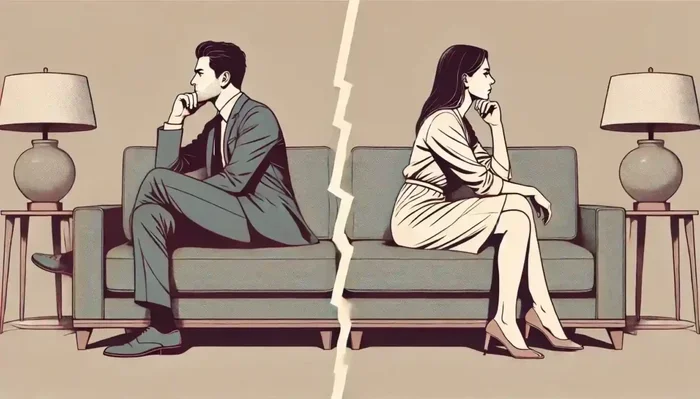
How to stay strong during marriage separation starts with protecting your emotional space and building daily habits that support healing. You will learn simple ways to manage stress, set healthy boundaries, and keep moving forward with clarity. This guide gives you real steps to stay grounded while you navigate one of life’s toughest transitions.
Going through a marriage separation can feel like standing on shaky ground. Everything around you may seem uncertain, and your emotions can swing from sadness to relief to fear in a single day. That is completely normal. This season is hard, but it can also be a turning point. If you are looking for how to stay strong during marriage separation, the key is to focus on what you can control and give yourself room to heal.
You do not need to have every answer right now. You only need a few steady habits, a clear plan, and a little patience with yourself. This article will walk you through practical steps that help you protect your peace, manage stress, and keep moving forward. You will also find simple tools for communication, self-care, and emotional balance. If you want more support on handling personal challenges, you may find this guide on how to stay healthy and positive in personal challenges helpful too.
Key Takeaways
- Protect your emotional energy: Limit contact to what is necessary and create space for calm reflection.
- Build a daily routine: Simple habits like walking, journaling, and sleeping well help you stay steady.
- Set clear boundaries: Decide what topics, visits, and communication styles work best for your peace.
- Lean on your support system: Trusted friends, family, or a counselor can keep you grounded.
- Focus on small wins: Celebrate tiny steps forward instead of waiting for big breakthroughs.
- Avoid rushed decisions: Give yourself time to process before making major life changes.
- Keep your long-term vision: Use this season to rediscover your values, goals, and personal strength.
📑 Table of Contents
- Why Staying Strong During Marriage Separation Matters
- How To Stay Strong During Marriage Separation With Daily Habits
- Setting Healthy Boundaries During Separation
- Building Strong Support Systems
- Managing Stress and Uncertainty
- Taking Care of Yourself While You Heal
- Staying Strong Through the Long Haul
- Conclusion
Why Staying Strong During Marriage Separation Matters
Staying strong during marriage separation is not about pretending everything is fine. It is about protecting your mental health while you figure out your next steps. When you stay grounded, you make better choices. You also give yourself a chance to process emotions without letting them control your actions. This matters because separation often brings big decisions, heavy feelings, and a lot of uncertainty.
A strong mindset helps you avoid reactive choices. It also helps you keep your identity outside of the relationship. Many people lose sight of their own needs during this season. That is why emotional resilience is so important. You are not just waiting for the next chapter. You are building the strength to write it.
The Emotional Reality of Separation
Separation can bring grief, anger, confusion, and even relief all at once. Some days you may feel calm. Other days you may feel overwhelmed. That rollercoaster is part of the process. The goal is not to stop your feelings. The goal is to handle them in a healthy way.
When you understand that emotional ups and downs are normal, you stop fighting yourself. You can then focus on coping with separation in a way that supports healing. This is where small daily habits make a big difference.
What Strength Really Looks Like
Strength is not acting tough. Strength is being honest about what you feel while still taking care of yourself. It is choosing rest when you need it. It is asking for help when things get heavy. It is also setting limits when you need space.
If you want to stay strong during marriage separation, focus on consistency more than perfection. One good night of sleep, one honest conversation, and one calm morning can add up over time.
How To Stay Strong During Marriage Separation With Daily Habits
When life feels unstable, daily habits become your anchor. They give your mind something steady to hold onto. If you are searching for how to stay strong during marriage separation, start with simple routines that support your body and mind.
Create a Simple Morning Routine
A calm morning can shape the whole day. You do not need a complicated routine. Keep it basic and repeatable.
- Wake up at a consistent time
- Drink water before checking your phone
- Take a few deep breaths
- Write down one priority for the day
- Move your body for even five minutes
This kind of routine helps you start the day with intention instead of panic. It also reduces the chance of waking up and immediately feeling pulled into stress.
Use Journaling to Process Emotions
Writing can help you untangle heavy thoughts. When your mind feels crowded, journaling gives you a safe place to sort things out. You do not need to write pages. A few honest sentences are enough.
Try prompts like these:
- What am I feeling right now?
- What do I need today?
- What is one thing I can control?
- What thought keeps repeating in my mind?
This practice supports emotional healing because it helps you notice patterns. You may see that certain triggers make you anxious or that some habits help you feel calmer. That awareness is powerful.
Protect Your Sleep and Energy
Stress can drain your body quickly. Poor sleep makes everything feel heavier. If you want to stay strong during marriage separation, treat rest as a priority, not a luxury.
A few ways to support better rest:
- Keep a regular bedtime
- Avoid late-night scrolling
- Limit intense conversations before sleep
- Make your room quiet and dark
- Give yourself time to unwind
When your body is tired, your emotions feel bigger. When your body is rested, you can think more clearly and respond more calmly.
Setting Healthy Boundaries During Separation
Boundaries are one of the most important tools when you are learning how to stay strong during marriage separation. They help you protect your time, energy, and emotional space. Without boundaries, it is easy to get pulled into constant conversations, confusion, or conflict.
Decide What Communication Works Best
Not every separation needs the same type of contact. Some people need frequent check-ins. Others need very limited communication. Think about what helps you stay steady. Then be clear about it.
You might choose:
- Text only for practical matters
- One scheduled call each week
- Email for important updates
- Short and calm conversations
- Time apart before discussing difficult topics
Clear communication reduces misunderstandings. It also helps both people know what to expect. If you are dealing with miscommunication and different love languages, this can be especially useful because it creates structure when emotions feel messy.
Protect Your Mental Space
Boundaries are not just about talking. They are also about what you allow into your mind. You may need to limit replaying old arguments or checking up on things that only increase anxiety.
Try asking yourself:
- Is this conversation necessary right now?
- Will this help me move forward?
- Am I reacting out of pain or clarity?
- Do I need space before I respond?
These questions can help you pause before you make a decision you might regret later.
Common Mistakes With Boundaries
Many people set boundaries too late or make them too vague. Others set them but do not follow through. That can create more stress. A boundary only works when it is clear and consistent.
A few mistakes to avoid:
- Apologizing for needing space
- Saying yes when you mean no
- Letting every issue become urgent
- Allowing conflict to happen at all hours
- Ignoring your own limits to keep peace
Healthy boundaries are not selfish. They are a way to keep yourself stable during a difficult season.
Building Strong Support Systems
You do not have to carry everything alone. In fact, trying to do that can make coping with separation much harder. Support gives you perspective, comfort, and reality checks when your thoughts spiral.
Choose the Right People
Not every friend or family member is the best person to lean on. Pick people who listen well and respect your situation. You want support, not more drama.
Good support people usually:
- Let you speak without rushing to judge
- Keep your confidence private
- Offer practical help when needed
- Remind you of your strengths
- Do not push you into quick decisions
If you feel isolated, even one dependable person can make a big difference. Sometimes the most healing thing is knowing someone is in your corner.
When Professional Support Helps
Sometimes friends are not enough. A counselor or therapist can help you sort through fear, grief, and confusion. Professional support can also help you communicate more clearly and handle stress in healthier ways.
Therapy may be especially useful if you notice:
- Constant anxiety or sadness
- Trouble sleeping or eating
- Repeating negative thoughts
- Difficulty making decisions
- Feeling stuck or overwhelmed
Getting help is not a sign of weakness. It is a practical step toward emotional resilience. If you are trying to stay strong during marriage separation, support can help you do that with more clarity and less exhaustion.
Managing Stress and Uncertainty
Separation often brings uncertainty. You may wonder what happens next, how long things will last, or whether you are making the right choices. That kind of uncertainty can create a lot of stress. The goal is not to erase it completely. The goal is to manage it.
Focus on What You Can Control
When everything feels uncertain, narrow your focus. Ask yourself what is in your control today. That might be your routine, your responses, your boundaries, or your self-care.
You cannot control every outcome. You can control how you care for yourself while you move through the process. This shift can lower anxiety and help you feel more grounded.
Use Calm-Down Tools in Real Time
Stress often shows up in the body before it shows up in your thoughts. You might feel tension in your shoulders, a tight chest, or a racing mind. Having a few quick tools can help.
Try these:
- Slow breathing with long exhales
- A short walk outside
- Drinking water
- Stretching for a few minutes
- Stepping away from conflict
- Writing down what is bothering you
These small actions can interrupt the stress cycle. They also remind your body that you are safe in this moment.
Avoid Rushing Major Decisions
When pain is high, it is tempting to make fast decisions just to end the uncertainty. But big choices are often best made with a clear head. If possible, give yourself time before making major moves.
A few questions to pause on:
- Am I deciding from fear or clarity?
- What happens if I wait a little longer?
- Do I have enough information?
- What would I advise a friend in this situation?
Slowing down can help you avoid regret. It also gives you space to think about what you truly want.
Taking Care of Yourself While You Heal
Self-care during separation is not about bubble baths and perfect routines. It is about meeting your basic needs and being kind to yourself when things feel messy. If you want to stay strong during marriage separation, self-care is part of the foundation.
Keep Your Body Supported
Your body carries a lot of emotional weight. Simple physical care can help you stay more stable.
- Eat regular meals
- Drink enough water
- Move your body daily
- Get fresh air when possible
- Rest when you feel drained
These basics matter more than they seem. When your body is supported, your mind has a better chance to settle.
Make Room for Hope
Healing does not mean pretending the pain is gone. It means allowing yourself to believe that this season will not last forever. You can be honest about the hard parts and still notice small signs of progress.
Hope can look like:
- Noticing one better day in a while
- Feeling a little lighter after journaling
- Sleeping more peacefully
- Learning a healthier response to stress
- Reconnecting with things you enjoy
If you are also navigating personal rebuilding after a difficult breakdown, you may find how to restart your life after a terrible breakdown useful as you move forward.
Quick Tips for Everyday Strength
Here are a few simple habits that can help you keep going:
- Start the day with one calm activity
- Limit stressful conversations when you are tired
- Write down three things that went okay
- Keep your space tidy enough to feel peaceful
- Take breaks before you reach burnout
- Remind yourself that healing takes time
Staying Strong Through the Long Haul
Some seasons of marriage separation feel short. Others drag on. Either way, endurance matters. Staying strong is not only about handling the first shock. It is also about keeping your balance over time.
Track Small Progress
Big change is often built from small steps. You may not feel dramatically different every day. That does not mean nothing is happening. Look for subtle signs of growth.
You might notice:
- You recover faster after a hard moment
- You speak more calmly
- You set boundaries more easily
- You feel less overwhelmed by uncertainty
- You trust yourself a little more
These are real signs of strength. They show that you are learning how to stay strong during marriage separation in a practical, sustainable way.
Keep Your Long-Term Vision in View
Separation can make life feel narrow and heavy. Try to widen your view when you can. Think about the life you want to build, not just the problem in front of you. This can help you stay motivated when the process feels slow.
Ask yourself:
- What kind of person do I want to be in this season?
- What values matter most to me right now?
- What do I want my daily life to feel like?
- What habits support the future I want?
When you keep your long-term vision in mind, the hard days become easier to carry. You are not just surviving separation. You are learning how to move forward with more clarity and self-respect.
Conclusion
Learning how to stay strong during marriage separation is less about being fearless and more about being steady. You can protect your peace, build supportive habits, and make thoughtful choices even when life feels uncertain. The goal is not to have a perfect emotional journey. The goal is to keep showing up for yourself in small, meaningful ways.
If you focus on clear boundaries, daily routines, honest self-care, and reliable support, you give yourself a much better chance of moving through this season with strength. Separation may be painful, but it can also become a time of growth, clarity, and renewal. Keep taking one step at a time. That is often how real resilience is built.
Frequently Asked Questions
How do I stay strong during marriage separation when I feel overwhelmed?
Start by narrowing your focus to one day at a time. Use simple routines, rest, and honest journaling to reduce emotional overload. If the weight feels too heavy, reach out to a trusted person or professional for support.
What are the best boundaries to set during a marriage separation?
The best boundaries are the ones that protect your peace and reduce conflict. Many people benefit from limiting conversations to practical topics, setting communication times, and taking space before responding to stressful messages.
How can I cope with separation without making rash decisions?
Slow the process down and check whether your choices come from fear or clarity. Write out the pros and cons, sleep on big decisions, and ask yourself what you would recommend to a friend. A pause can prevent regret.
Should I stay in contact with my spouse during separation?
That depends on your situation and what helps you stay calm. Some people need limited, structured contact for practical matters, while others need more distance to heal. Choose the level of contact that supports your stability.
How do I take care of myself during marriage separation?
Focus on the basics: sleep, food, movement, water, and time away from constant stress. Add small habits like journaling, walking, and talking to supportive people. Self-care helps your mind handle the emotional load.
When should I seek professional help during separation?
Seek help if you feel stuck, overwhelmed, unable to sleep or eat normally, or trapped in repeated negative thoughts. A counselor can help you process emotions and make clearer decisions. Getting support early can make the process easier to navigate.
