

Getting pregnant doesn’t have to be a mystery. With the right knowledge and consistent effort, many couples successfully conceive using proven, science-backed methods. This guide shares practical, tried and tested strategies to get pregnant—from tracking ovulation to optimizing your health—so you can feel confident and in control on your journey to parenthood.
Key Takeaways
- Track your ovulation accurately: Knowing when you’re most fertile increases your chances of conception. Use ovulation predictor kits, basal body temperature charts, or fertility apps.
- Time intercourse correctly: Have sex every 1–2 days during your fertile window—typically 5 days before ovulation and the day of ovulation.
- Adopt a fertility-friendly diet: Eat whole foods rich in folic acid, iron, omega-3s, and antioxidants. Avoid processed foods and excessive sugar.
- Maintain a healthy weight: Being underweight or overweight can disrupt hormonal balance and ovulation. Aim for a BMI between 18.5 and 24.9.
- Reduce stress and prioritize sleep: Chronic stress and poor sleep can interfere with reproductive hormones. Practice mindfulness, yoga, or deep breathing.
- Quit smoking and limit alcohol: Both habits are linked to reduced fertility in men and women. Even moderate drinking can affect conception.
- See a doctor after 6–12 months of trying: If you’re under 35 and haven’t conceived in a year (or 6 months if over 35), consult a fertility specialist.
📑 Table of Contents
- Understanding Your Fertility Window
- Timing Intercourse for Maximum Chances
- Nutrition and Lifestyle for Fertility
- Maintaining a Healthy Weight and Exercise Routine
- Managing Stress and Prioritizing Sleep
- Lifestyle Factors That Impact Fertility
- When to Seek Medical Help
- Staying Positive and Patient on Your Journey
- Conclusion
Understanding Your Fertility Window
When it comes to getting pregnant, timing is everything. Many couples assume that having sex once a week or randomly throughout the month is enough—but the truth is, conception is most likely during a narrow window each cycle. This is known as the fertile window, and understanding it is one of the most powerful tried and tested strategies to get pregnant.
Your fertile window includes the five days leading up to ovulation and the day of ovulation itself. Sperm can live inside the female reproductive tract for up to five days, but the egg only survives for about 12–24 hours after release. That means the best time to conceive is having sex in the days just before ovulation—when sperm are already waiting to meet the egg.
So how do you know when you’re ovulating? Every woman’s cycle is different, but the average menstrual cycle is 28 days, with ovulation typically occurring around day 14. However, cycles can range from 21 to 35 days and still be considered normal. The key is to track your personal patterns.
Signs of Ovulation to Watch For
Your body gives subtle clues when ovulation is near. One of the most reliable signs is a change in cervical mucus. As ovulation approaches, your discharge becomes clear, stretchy, and slippery—like raw egg whites. This type of mucus helps sperm swim more easily through the cervix.
Another sign is a slight rise in basal body temperature (BBT). After ovulation, your temperature increases by about 0.5 to 1 degree Fahrenheit due to the hormone progesterone. Tracking your BBT every morning before getting out of bed can help you identify your ovulation pattern over time.
Some women also experience mild pelvic pain or cramping on one side of the lower abdomen, known as mittelschmerz (German for “middle pain”). This usually occurs mid-cycle and can last a few minutes to a few hours.
Tools to Help You Track Ovulation
While paying attention to physical signs is helpful, using tools can make tracking even more accurate. Ovulation predictor kits (OPKs) are widely available and detect the surge in luteinizing hormone (LH) that happens 24–36 hours before ovulation. These are easy to use—just dip the test strip in your urine each morning starting a few days before you expect to ovulate.
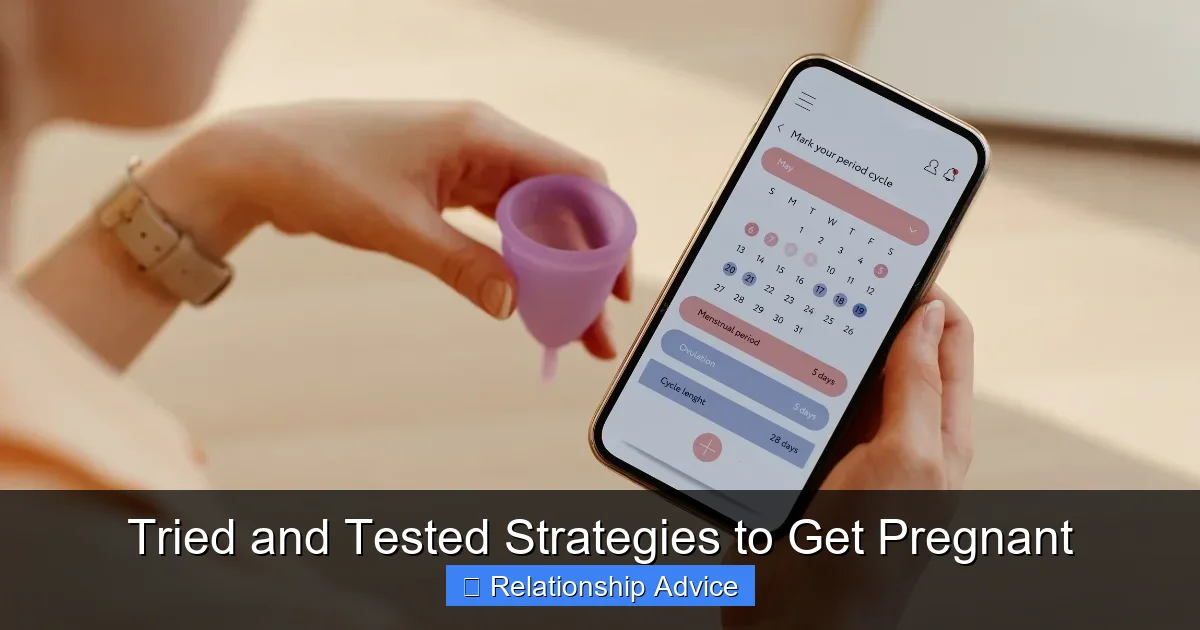
Fertility apps are another popular option. Apps like Clue, Flo, or Ovia allow you to log your period, symptoms, temperature, and test results. Over time, they predict your fertile days based on your data. While not 100% accurate, they’re a great starting point.
For even more precision, some women use fertility monitors like the Clearblue Advanced Digital Ovulation Test. These devices track both estrogen and LH levels, giving you a wider fertile window and more accurate predictions.
Timing Intercourse for Maximum Chances

Visual guide about Tried and Tested Strategies to Get Pregnant
Image source: realestlove.com
Once you’ve identified your fertile window, the next step is timing intercourse correctly. Many couples make the mistake of having sex only on the day they think they’re ovulating—but that’s often too late. Remember, the egg only lives for about a day, and if sperm aren’t already present, conception won’t happen.
The best approach is to have sex every 1–2 days during your fertile window. This ensures that healthy sperm are available when the egg is released. You don’t need to have sex multiple times a day—doing so can actually reduce sperm count. Quality over quantity is key.
How Often Should You Have Sex?
Research shows that couples who have sex every other day during the fertile window have the highest conception rates. This frequency maintains strong sperm quality while ensuring sperm are present when ovulation occurs.
If you’re using ovulation predictor kits, start having sex when you get a positive result and continue for the next two days. If you’re tracking cervical mucus, aim for intercourse when your discharge is at its most fertile—clear and stretchy.
It’s also important not to stress about timing. While it’s good to be intentional, obsessing over every day can create pressure and reduce intimacy. Keep things relaxed and enjoyable. After all, trying to conceive should still feel like lovemaking, not a chore.
Positions and Post-Coital Tips
There’s a lot of myth around sex positions and conception. The truth is, no position has been scientifically proven to increase pregnancy chances. What matters most is that sperm are deposited near the cervix. After intercourse, lying on your back for 10–15 minutes may help sperm travel upward, but you don’t need to stay upside down or elevate your hips with a pillow—though it won’t hurt either.
Avoid douching or using lubricants that aren’t sperm-friendly. Many common lubricants can damage sperm or alter vaginal pH. If you need lubrication, look for fertility-safe options like Pre-Seed or Conceive Plus, which are designed to support sperm motility.
Nutrition and Lifestyle for Fertility

Visual guide about Tried and Tested Strategies to Get Pregnant
Image source: realestlove.com
What you eat and how you live play a huge role in your ability to conceive. Your body needs the right nutrients to produce healthy eggs and maintain hormonal balance. Making smart dietary choices is one of the most effective tried and tested strategies to get pregnant.
Foods That Boost Fertility
A fertility-friendly diet focuses on whole, unprocessed foods. Think leafy greens, whole grains, lean proteins, healthy fats, and plenty of fruits and vegetables. Here are some key nutrients to prioritize:
– Folic acid: Essential for preventing neural tube defects and supporting early pregnancy. Found in spinach, lentils, avocados, and fortified cereals. Most doctors recommend 400–800 mcg daily, even before conception.
– Iron: Low iron levels can disrupt ovulation. Include iron-rich foods like lean red meat, beans, tofu, and pumpkin seeds. Pair with vitamin C (like citrus or bell peppers) to boost absorption.
– Omega-3 fatty acids: Support hormone production and reduce inflammation. Found in fatty fish (salmon, sardines), walnuts, chia seeds, and flaxseeds.
– Antioxidants: Protect eggs and sperm from damage. Berries, nuts, dark chocolate, and colorful vegetables are excellent sources.
Avoid trans fats, found in fried and processed foods, as they’ve been linked to reduced fertility. Also, limit refined sugars and white carbohydrates, which can spike insulin and disrupt hormonal balance.
Hydration and Caffeine
Staying hydrated is important for cervical mucus production and overall health. Aim for at least 8 glasses of water a day. Herbal teas like red raspberry leaf or nettle can also support reproductive health, but avoid excessive caffeine.
Studies suggest that more than 200–300 mg of caffeine per day (about 2–3 cups of coffee) may reduce fertility. If you’re trying to conceive, consider cutting back or switching to decaf.
Supplements to Consider
While food should be your primary source of nutrients, supplements can help fill gaps. A high-quality prenatal vitamin is a must. Look for one with folic acid, iron, iodine, and vitamin D.
Other helpful supplements include:
– Coenzyme Q10 (CoQ10): May improve egg quality, especially in women over 35.
– Vitamin D: Low levels are linked to infertility. Get your levels tested and supplement if needed.
– Omega-3s: If you don’t eat fish regularly, a fish oil supplement can help.
Always talk to your doctor before starting any new supplement, especially if you have underlying health conditions.
Maintaining a Healthy Weight and Exercise Routine
Visual guide about Tried and Tested Strategies to Get Pregnant
Image source: realestlove.com
Your weight can significantly impact your fertility. Being underweight or overweight can disrupt ovulation and hormone production. The goal is to reach a healthy body mass index (BMI) between 18.5 and 24.9.
How Weight Affects Fertility
Women who are underweight (BMI below 18.5) may stop ovulating due to low body fat, which is essential for hormone production. On the other hand, excess body fat can lead to insulin resistance and elevated estrogen levels, both of which can interfere with ovulation.
Even a 5–10% change in body weight can restore regular cycles and improve fertility. For example, if you weigh 180 pounds, losing just 9–18 pounds could make a big difference.
Safe and Effective Exercise
Regular physical activity supports hormonal balance and reduces stress, but moderation is key. Aim for 30 minutes of moderate exercise most days of the week—like brisk walking, swimming, or cycling.
Avoid excessive or intense workouts, especially if you’re underweight or have a history of irregular periods. Over-exercising can suppress ovulation. If you’re a serious athlete, talk to your doctor about adjusting your routine while trying to conceive.
Strength training and yoga are excellent options. Yoga, in particular, has been shown to reduce stress and improve reproductive health. Poses like the butterfly stretch, child’s pose, and legs-up-the-wall can enhance blood flow to the pelvis.
Managing Stress and Prioritizing Sleep
Stress is a silent fertility killer. When you’re stressed, your body produces cortisol, which can interfere with the hormones needed for ovulation and implantation. Chronic stress may also reduce libido and disrupt sleep—both of which affect your chances of conception.
Practical Ways to Reduce Stress
You don’t need to eliminate all stress, but managing it is crucial. Try these proven techniques:
– Mindfulness and meditation: Just 10 minutes a day can lower cortisol and improve emotional well-being. Apps like Headspace or Calm offer guided sessions.
– Deep breathing exercises: Slow, deep breaths activate the parasympathetic nervous system, helping your body relax.
– Journaling: Writing down your thoughts can help you process emotions and reduce anxiety.
– Spending time in nature: A walk in the park or gardening can boost mood and reduce stress hormones.
Couples counseling or support groups can also be helpful, especially if you’ve been trying for a while. Talking to others who understand your journey can ease feelings of isolation.
The Importance of Sleep
Sleep is when your body repairs and balances hormones. Aim for 7–9 hours of quality sleep each night. Poor sleep is linked to lower levels of melatonin and leptin, hormones that regulate ovulation and appetite.
Create a calming bedtime routine: avoid screens an hour before bed, keep your room cool and dark, and try reading or gentle stretching. If you have trouble sleeping, talk to your doctor—sleep disorders like insomnia or sleep apnea can affect fertility.
Lifestyle Factors That Impact Fertility
Beyond diet and exercise, several lifestyle habits can influence your ability to conceive. Some are obvious, like smoking, while others are more subtle, like environmental toxins.
Quit Smoking and Limit Alcohol
Smoking damages eggs and sperm, reduces fertility, and increases the risk of miscarriage. It’s one of the most harmful habits for conception. If you smoke, quitting is one of the best things you can do for your fertility—and your future baby’s health.
Alcohol is also a concern. Studies show that even moderate drinking (1–2 drinks per week) can reduce fertility. Heavy drinking is even worse. If you’re trying to conceive, it’s safest to avoid alcohol altogether.
Avoid Environmental Toxins
We’re exposed to chemicals every day—in plastics, cleaning products, cosmetics, and even food packaging. Some of these, like BPA (found in plastic bottles and canned food linings), mimic estrogen and can disrupt hormonal balance.
To reduce exposure:
– Use glass or stainless steel containers instead of plastic.
– Choose natural cleaning and personal care products.
– Eat organic when possible, especially for the “Dirty Dozen” fruits and vegetables.
– Filter your drinking water.
Limit Exposure to Heat (For Men)
Male fertility is also affected by lifestyle. High temperatures can reduce sperm count and motility. Men should avoid hot tubs, saunas, and tight underwear. Laptops on the lap can also raise scrotal temperature—use a desk or cooling pad instead.
When to Seek Medical Help
Most couples will conceive within a year of trying. But if you’re under 35 and haven’t gotten pregnant after 12 months of regular, unprotected sex—or if you’re 35 or older and it’s been 6 months—it’s time to see a doctor.
What to Expect at a Fertility Consultation
A fertility specialist will review your medical history, menstrual cycle, and lifestyle. They may order blood tests to check hormone levels, thyroid function, and ovarian reserve. An ultrasound can assess your uterus and ovaries.
For men, a semen analysis is standard. It checks sperm count, motility, and shape.
Depending on the results, your doctor may recommend treatments like ovulation induction, intrauterine insemination (IUI), or in vitro fertilization (IVF). But in many cases, simple lifestyle changes or timing adjustments are all that’s needed.
Common Treatable Causes of Infertility
Many fertility issues are treatable. Common causes include:
– Ovulation disorders: Like PCOS or thyroid problems. Often managed with medication.
– Blocked fallopian tubes: Can sometimes be treated with surgery.
– Endometriosis: May require medication or laparoscopic surgery.
– Male factor infertility: Low sperm count or poor motility. Lifestyle changes, supplements, or medical treatments can help.
The earlier you seek help, the better your chances of success.
Staying Positive and Patient on Your Journey
Trying to conceive can be an emotional rollercoaster. Some months you’ll feel hopeful; others, disappointed. It’s normal to grieve a negative test or a missed cycle. But staying positive and patient is key.
Communicate with Your Partner
This journey affects both of you. Talk openly about your feelings, fears, and hopes. Support each other, even when it’s hard. Remember, you’re a team.
Celebrate Small Wins
Did you track your cycle perfectly this month? That’s a win. Did you eat a fertility-boosting meal? Another win. Focus on progress, not perfection.
Know That You’re Not Alone
Millions of couples face fertility challenges. But with the right strategies and support, many go on to have healthy pregnancies. Whether it happens naturally or with medical help, your path to parenthood is valid.
Conclusion
Getting pregnant is a journey that combines science, timing, and self-care. The tried and tested strategies to get pregnant outlined in this guide—tracking ovulation, timing intercourse, eating well, managing stress, and seeking help when needed—are proven ways to boost your chances.
Remember, every couple’s path is different. What works for one may not work for another. But by taking charge of your health and staying informed, you’re giving yourself the best possible chance.
Be kind to yourself. Stay consistent. And trust that with time, effort, and a little hope, your dream of becoming a parent can come true.
Frequently Asked Questions
How long should I try before seeing a doctor?
If you’re under 35, see a doctor after 12 months of trying. If you’re 35 or older, seek help after 6 months. Early evaluation can identify and treat issues faster.
Can stress really prevent pregnancy?
Yes. Chronic stress can disrupt hormones like cortisol and prolactin, which may interfere with ovulation and implantation. Managing stress is an important part of fertility.
Do I need to take prenatal vitamins before getting pregnant?
Yes. Start taking a prenatal vitamin with at least 400 mcg of folic acid at least one month before trying to conceive. It helps prevent birth defects and supports early pregnancy.
Is it okay to have sex every day when trying to conceive?
Having sex every other day is usually best. Daily sex can lower sperm count. Focus on your fertile window—every 1–2 days during that time is ideal.
Can being overweight or underweight affect fertility?
Yes. Both can disrupt hormonal balance and ovulation. A healthy BMI (18.5–24.9) supports regular cycles and improves conception chances.
Are fertility apps accurate?
They can be helpful for tracking patterns, but aren’t 100% accurate. Use them alongside other methods like ovulation tests or basal body temperature tracking for better results.
