
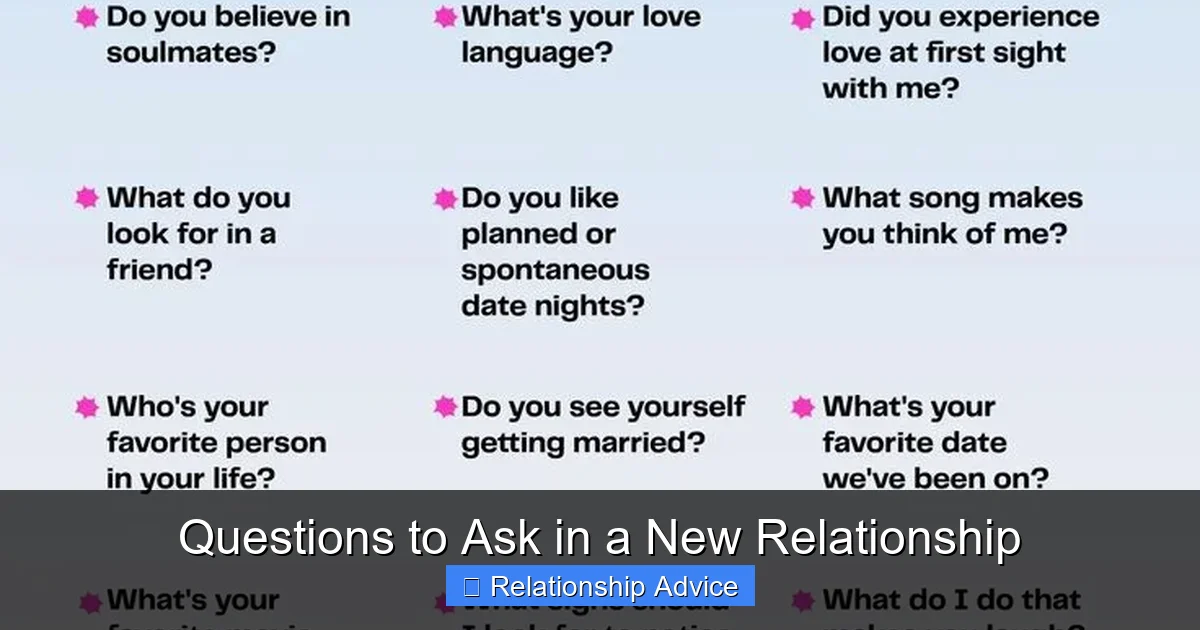
Starting a new relationship is exciting, but asking the right questions early on can prevent misunderstandings and build a stronger foundation. This guide covers meaningful, thoughtful questions that help you understand your partner’s values, goals, and expectations—without making it feel like an interrogation.
Key Takeaways
- Ask open-ended questions: Encourage deeper conversations by avoiding yes/no answers and inviting your partner to share stories and feelings.
- Focus on values and goals: Understanding each other’s core beliefs and life aspirations helps determine long-term compatibility.
- Discuss communication styles early: Knowing how you both handle conflict and express emotions prevents future misunderstandings.
- Talk about boundaries and expectations: Clear boundaries around time, space, and social interactions foster mutual respect.
- Explore past relationship patterns: Learning from previous experiences can help you avoid repeating unhealthy dynamics.
- Keep the tone light and curious: Frame questions as genuine interest, not interrogation, to keep the mood positive and engaging.
- Listen more than you speak: Active listening builds trust and shows your partner they’re truly heard and valued.
📑 Table of Contents
- Why Asking Questions Matters in a New Relationship
- When to Start Asking Important Questions
- Questions About Values and Life Goals
- Questions About Communication and Conflict
- Questions About Boundaries and Expectations
- Questions About Past Relationships and Patterns
- How to Ask Questions Without It Feeling Like an Interview
- Conclusion: Building a Relationship That Lasts
Why Asking Questions Matters in a New Relationship
Let’s be real—starting a new relationship feels like stepping into a beautiful, slightly foggy room. Everything is new, exciting, and full of possibility. You’re drawn to your partner’s smile, their laugh, the way they hold their coffee. But beneath the butterflies, there’s a quiet question: Is this going to last? That’s where asking the right questions comes in.
Asking thoughtful questions isn’t about testing your partner or playing detective. It’s about building a foundation of trust, understanding, and emotional intimacy. When you ask meaningful questions, you’re not just gathering information—you’re showing that you care. You’re saying, “I want to know you, not just the version of you that’s fun at brunch.” And that kind of curiosity? It’s the glue that holds relationships together.
But here’s the catch: not all questions are created equal. Some can spark deep connection, while others might make your partner feel like they’re being grilled. The goal isn’t to rush into heavy topics on the second date. Instead, it’s about pacing yourself, staying curious, and creating space for honest conversations as the relationship grows.
When to Start Asking Important Questions
Timing is everything. You don’t want to scare someone off by asking about their five-year plan on date three. But you also don’t want to wait so long that you realize you’re fundamentally incompatible after six months of dating.
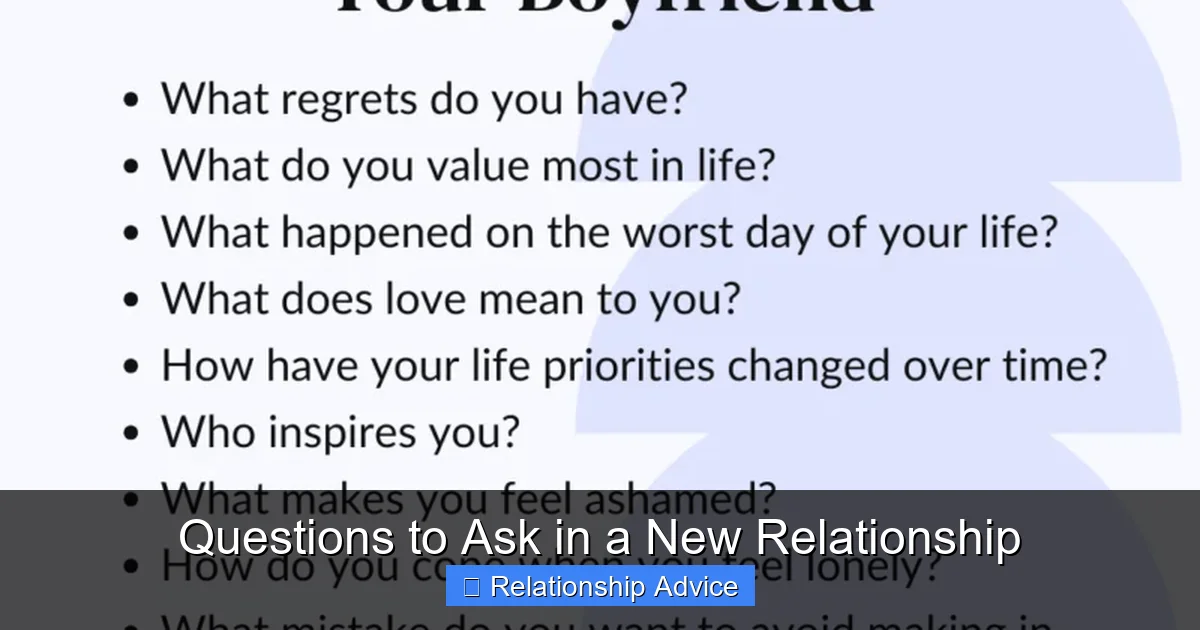
Visual guide about Questions to Ask in a New Relationship
Image source: choosingtherapy.com
A good rule of thumb? Start with lighter, fun questions early on—like “What’s the best vacation you’ve ever taken?” or “What’s your go-to karaoke song?” These help you connect on a personal level and build rapport. As the relationship progresses and you both start to feel more comfortable, you can gradually introduce deeper topics.
Pay attention to natural openings. Maybe you’re talking about family, and they mention their sister’s wedding. That’s a perfect moment to gently ask, “What was that like for you?” or “How do you usually celebrate big moments?” These kinds of questions feel organic, not forced.
Signs You’re Ready for Deeper Conversations
- You’ve been dating consistently for a few weeks or months.
- You’ve shared personal stories or vulnerabilities.
- You both seem interested in spending more time together.
- You’ve met each other’s friends or family (even casually).
- You feel emotionally safe and respected.
If these signs are present, it’s likely a good time to start exploring more meaningful topics. Remember, the goal isn’t to rush into commitment talk, but to build emotional depth over time.
Questions About Values and Life Goals
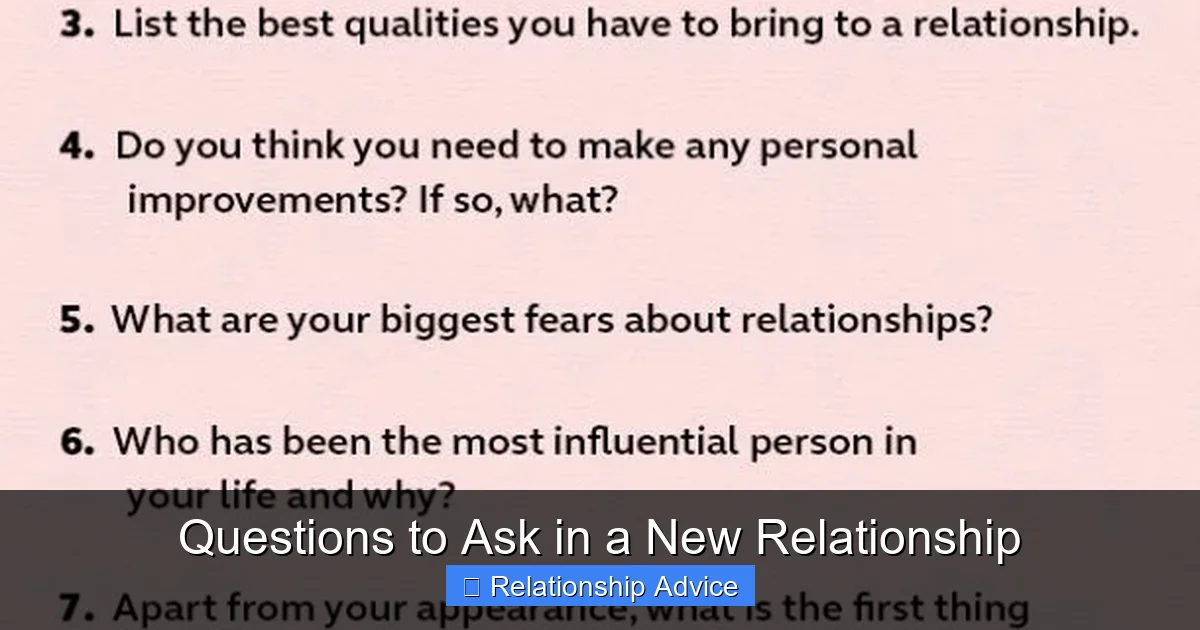
Values are the invisible compass that guides our decisions. When two people share similar core values—like honesty, family, independence, or adventure—they’re more likely to navigate life’s ups and downs together. That’s why asking about values early on is so important.
Visual guide about Questions to Ask in a New Relationship
Image source: i.pinimg.com
Start with broad questions that invite reflection. For example: “What’s something you’ve learned about yourself in the past year?” or “What kind of legacy do you hope to leave?” These aren’t easy questions, but they open the door to deeper conversations about purpose, growth, and what truly matters.
You might also ask about life goals. “Where do you see yourself in five years?” is a classic, but you can make it more personal by adding, “And what kind of life do you want to be living then?” This shifts the focus from career milestones to overall well-being and happiness.
Examples of Value-Based Questions
- “What’s a belief you hold strongly, even if others disagree?”
- “How do you define success?”
- “What role does family play in your life?”
- “What’s something you’re passionate about, even if it’s not ‘practical’?”
- “How do you handle stress or big life changes?”
These questions help you understand not just what your partner wants, but why they want it. And that “why” is often the most revealing part.
For instance, if your partner says they value independence, ask follow-up questions like, “What does independence mean to you?” or “How do you balance being close to someone while staying true to yourself?” This shows you’re listening and care about their perspective.
Questions About Communication and Conflict
Let’s face it—no relationship is perfect. Disagreements happen. The difference between couples who grow stronger and those who drift apart often comes down to how they communicate during tough moments.
Visual guide about Questions to Ask in a New Relationship
Image source: i.pinimg.com
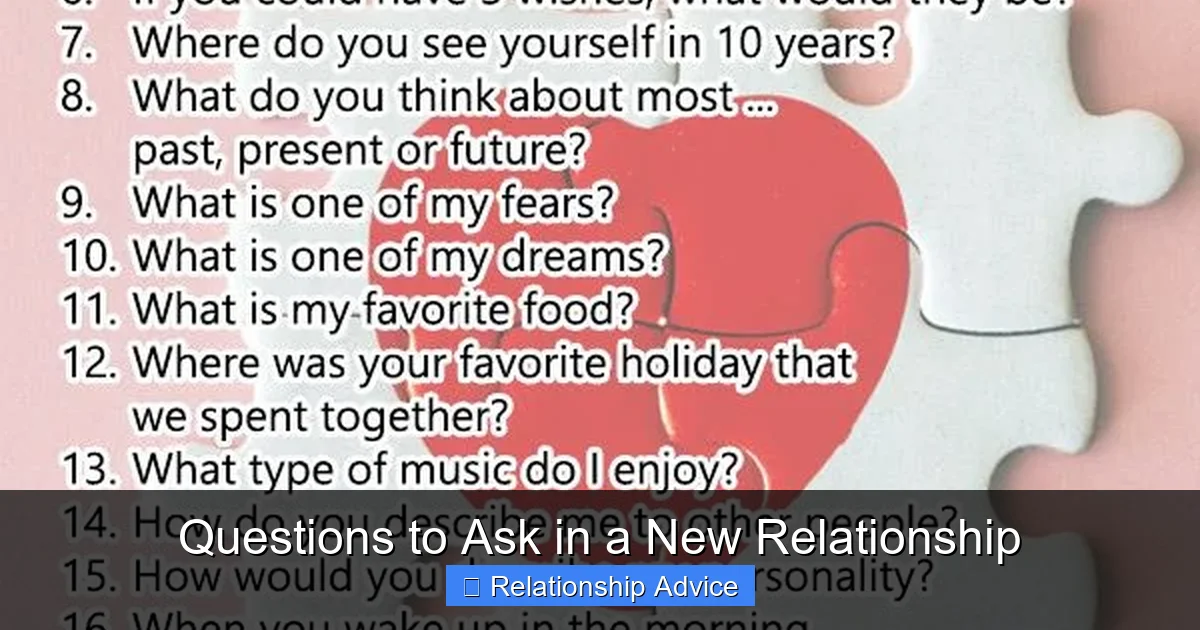
Asking about communication styles early can save you a lot of heartache later. You don’t need to dive into full-blown conflict scenarios right away, but you can gently explore how your partner handles disagreements.
Try questions like: “How do you usually work through a disagreement with someone you care about?” or “What’s your approach when you’re upset but don’t want to argue?” These open the door to understanding their emotional patterns without putting them on the spot.
Understanding Emotional Needs
Everyone has different emotional needs. Some people need lots of verbal reassurance, while others feel loved through acts of service or quality time. Knowing your partner’s love language—and sharing your own—can prevent misunderstandings.
You might ask: “What makes you feel most loved or appreciated?” or “How do you like to be supported when you’re going through a tough time?” These questions show empathy and a willingness to meet your partner where they are.
It’s also helpful to talk about how you both handle silence or distance. Some people need space to process, while others want to talk things out immediately. A simple question like, “When you’re upset, do you prefer to talk it out right away or take some time first?” can prevent future friction.
Conflict Resolution Styles
Not everyone resolves conflict the same way. Some people are natural mediators, while others tend to avoid confrontation. Understanding these styles can help you navigate disagreements more effectively.
Ask: “Can you tell me about a time you resolved a big disagreement with someone? What worked?” This gives you insight into their problem-solving approach and emotional maturity.
You might also share your own style: “I tend to want to talk things through right away, even if it’s uncomfortable. How about you?” This creates a two-way conversation and reduces the pressure on your partner to “answer correctly.”
Questions About Boundaries and Expectations
Boundaries are the invisible lines that define how we want to be treated. They’re essential for healthy relationships, but they’re often overlooked in the early stages—when everything feels easy and exciting.
Setting boundaries isn’t about being rigid or controlling. It’s about respecting each other’s needs, space, and individuality. And the best way to do that? Talk about it.
Start with questions about time and space. “How do you like to spend your alone time?” or “What’s your ideal weekend look like?” These help you understand each other’s rhythms and preferences.
You might also ask: “How do you feel about checking in during the day?” or “What’s your comfort level with social media and relationships?” These topics can be tricky, but addressing them early prevents misunderstandings later.
Social and Digital Boundaries
In today’s world, boundaries extend beyond physical space. Social media, texting habits, and time with friends all play a role in relationship dynamics.
Ask: “How do you feel about posting photos of us online?” or “What’s your usual texting style—do you like quick check-ins or longer conversations?” These questions help you align on expectations without assuming.
It’s also okay to share your own boundaries. For example: “I really value my Friday nights with friends—would that be okay with you?” This sets a tone of honesty and mutual respect.
Financial and Lifestyle Expectations
Money is one of the top sources of conflict in relationships. While it might feel early to talk about finances, it’s never too soon to understand each other’s attitudes toward money.
Try light questions like: “How do you usually handle splitting the bill on dates?” or “What’s your approach to saving and spending?” These can lead to deeper conversations about financial goals, debt, and long-term planning.
You might also ask: “How do you feel about supporting each other financially if one of us is going through a tough time?” This opens the door to discussing values around independence, generosity, and teamwork.
Questions About Past Relationships and Patterns
We all bring baggage into new relationships—lessons learned, wounds healed, patterns repeated. Talking about past relationships doesn’t mean dwelling on the past. It means understanding how it shaped who your partner is today.
But tread carefully. You’re not looking for a detailed breakup story on date four. Instead, focus on patterns and growth.
Ask: “What did you learn from your last relationship?” or “Is there something you’ve realized you need in a partner that you didn’t before?” These questions invite reflection without prying.
You might also share your own insights: “I’ve noticed I tend to pull away when things get too serious—have you ever experienced something like that?” This creates a safe space for vulnerability.
Red Flags vs. Growth Opportunities
Not every past relationship is a red flag. Sometimes, people grow from difficult experiences. The key is to listen for patterns—like repeated dishonesty, avoidance, or lack of accountability—that might signal deeper issues.
Pay attention to how your partner talks about their exes. Do they take responsibility for their part? Or do they blame everything on the other person? Healthy reflection shows emotional maturity.
Also, notice how they talk about you. Are they comparing you to past partners? That can be a sign of unresolved feelings or unrealistic expectations.
Building Trust Through Honesty
Honesty is the cornerstone of trust. But honesty doesn’t mean oversharing or demanding full transparency right away. It means being truthful about your intentions, feelings, and boundaries.
Ask: “What are you looking for in a relationship right now?” or “How do you define commitment?” These questions help you align on expectations without pressure.
And don’t forget to be honest yourself. If you’re not ready for something serious, say so. If you’re looking for a long-term partner, let them know. Clarity builds trust.
How to Ask Questions Without It Feeling Like an Interview
Let’s be honest—no one wants to feel like they’re being interrogated. Even the most thoughtful questions can fall flat if the tone is off.
The secret? Keep it conversational. Ask questions in response to something your partner says. For example, if they mention they love hiking, you might ask, “What’s the most beautiful place you’ve ever hiked?” This feels natural, not forced.
Use “I” statements to share your own thoughts. Instead of “Do you want kids?” try “I’ve been thinking a lot about the future, and I’d love to hear your thoughts on family.” This invites dialogue instead of demanding answers.
And remember: it’s okay to laugh, pause, or change the subject. Relationships aren’t about checking boxes. They’re about connection.
Tips for a Natural Flow
- Ask one question at a time—don’t rapid-fire.
- Listen actively and respond to what they say.
- Share your own answers to create balance.
- Use humor to lighten heavy topics.
- Take breaks if the conversation gets intense.
The goal isn’t to cover every topic in one sitting. It’s to build a habit of open, honest communication over time.
Conclusion: Building a Relationship That Lasts
Asking questions in a new relationship isn’t about finding the “perfect” partner. It’s about finding someone who’s willing to grow, communicate, and build something real with you.
The questions in this guide are tools—not tests. Use them to deepen your connection, not to judge or control. And remember, the best relationships aren’t built on perfection. They’re built on curiosity, kindness, and the courage to be truly seen.
So go ahead—ask that question you’ve been wondering about. Share that story you’ve been holding back. Let the conversation unfold. Because in the end, it’s not the answers that matter most. It’s the way you listen, the way you respond, and the way you make each other feel.
Frequently Asked Questions
When is it too early to ask serious questions in a new relationship?
It depends on the pace of your relationship, but generally, wait until you’ve established some emotional comfort and consistency—usually after a few weeks of regular dating. Start with lighter topics and gradually move deeper as trust builds.
How do I ask about past relationships without making my partner uncomfortable?
Frame questions around growth and learning, not blame or details. Try asking, “What did you learn from your past relationships?” instead of “Why did your last relationship end?”
What if my partner avoids answering important questions?
This could be a red flag. Healthy partners are usually open to honest conversations. If they consistently dodge questions, it may signal avoidance or lack of emotional readiness.
Should I share my answers to the questions I ask?
Yes! Sharing your own thoughts creates balance and encourages openness. It shows you’re not just gathering information—you’re building mutual understanding.
How often should we have deep conversations?
There’s no set rule, but aim for regular, meaningful check-ins—maybe once a week or every few dates. The key is consistency, not frequency.
What if we disagree on important values or goals?
Disagreements don’t have to be deal-breakers. What matters is whether you can respect each other’s perspectives and find common ground. Open dialogue helps determine long-term compatibility.
