
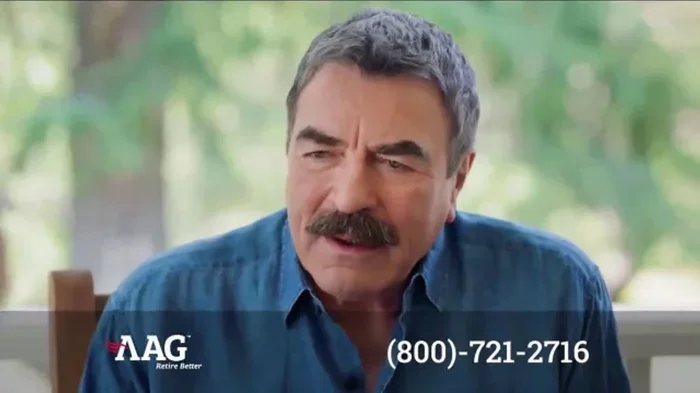
Many seniors see Tom Selleck reverse mortgage commercials and wonder if the program is real. It is real. The actor promotes a well-known reverse mortgage lender, and the loan itself is a government-insured option for older homeowners. This guide explains how the loan works, what the ads really mean, and what to watch for before you apply.
Key Takeaways
- Tom Selleck promotes a reverse mortgage lender: The ads highlight a home equity conversion mortgage, which is a federal program for seniors.
- You keep the title: Borrowers stay on the deed and must still pay taxes, insurance, and maintenance.
- No monthly mortgage payments: The loan gets repaid when you sell, move out, or pass away.
- Age and equity matter: You generally need to be at least 62 and have meaningful home equity.
- Fees and rates vary: Closing costs, mortgage insurance, and interest rates can differ by lender and loan type.
- Counseling is required: A HUD-approved session helps you understand the pros, cons, and alternatives.
- Compare multiple offers: Shopping around helps you find better terms and avoid costly surprises.
📑 Table of Contents
- Introduction
- What the Tom Selleck reverse mortgage company ads really mean
- How a reverse mortgage works in plain English
- Who qualifies for this type of loan
- The good side of a reverse mortgage
- The risks and costs you should know
- How to compare reverse mortgage offers
- The counseling requirement and why it helps
- Common mistakes borrowers make
- Expert insights on using home equity wisely
- Final thoughts on the Tom Selleck reverse mortgage company
Introduction
You have probably seen the commercials. A familiar actor talks about staying in your home and using your equity. Many people search for the Tom Selleck reverse mortgage company because the ads feel personal and easy to trust. That makes sense. Retirement planning can feel confusing, and a clear message helps.
This article breaks down what the ads really mean. It also explains how the loan works, who qualifies, and what to expect from the process. You will learn the key facts, the common risks, and the best questions to ask before you move forward.
What the Tom Selleck reverse mortgage company ads really mean
The commercials feature Tom Selleck talking about a reverse mortgage. He is not the lender himself. He is a spokesperson for a reverse mortgage company that offers home equity conversion mortgages. These loans are often called HECM loans. They are backed by the federal housing administration and designed for older homeowners.
The ads focus on comfort and independence. They suggest you can stay in your home and use your equity without a monthly mortgage payment. That message is simple, but the details matter. A reverse mortgage is still a loan. It has rules, costs, and responsibilities.
Here is what the ads usually leave out:
- You must still pay property taxes and homeowners insurance.
- You must keep the home in good condition.
- The loan balance can grow over time.
- Your heirs will need to repay the loan or sell the home later.
The Tom Selleck reverse mortgage message is useful as an introduction. It is not a full explanation. That is why it helps to look at the loan itself, not just the celebrity in the commercial.
Why the ads feel so trustworthy
Celebrity endorsements can make a financial product feel safer. People recognize the face, and the tone feels calm and friendly. That can be helpful for seniors who want a simple explanation. But trust should come from the loan terms, not the spokesperson.
A good rule is this: enjoy the clear message, then verify the details. Ask for the total cost. Ask how the loan ends. Ask what happens if your expenses rise.
How a reverse mortgage works in plain English
A reverse mortgage lets eligible homeowners turn part of their home equity into cash. Instead of paying the bank each month, the bank pays you. You can often choose a lump sum, monthly payments, a line of credit, or a mix of these options.
The loan does not require monthly mortgage payments. Interest and fees still build over time. That means the balance grows while you live in the home. When the loan ends, the home is usually sold or the borrower pays off the balance.
Common ways people use the money:
- Cover daily living costs
- Pay for home repairs
- Help with medical bills
- Reduce stress about cash flow
- Delay claiming Social Security
This loan can be helpful, but it is not free money. It uses your home as collateral. That is the most important thing to remember.
What makes it different from a regular mortgage
A regular mortgage shrinks over time if you make payments. A reverse mortgage usually grows. You do not make monthly principal and interest payments, so the loan balance increases. The interest gets added to what you owe.
Also, a regular mortgage asks you to pay right away. A reverse mortgage gives you access to cash now. That can feel easier in the short term, but it changes your long-term equity.
Who pays the loan back
The loan is typically repaid when the last borrower:
- Sells the home
- Moves out for most of the year
- Passes away
At that point, the home is often sold to pay the balance. If the home sells for more than the loan, the extra money goes to you or your heirs. If the home sells for less, federal insurance often covers the difference, depending on the loan terms.
Who qualifies for this type of loan
Eligibility rules are strict. That is a good thing. These loans are meant for a specific group of homeowners. You usually need to meet age, ownership, and home-type requirements.
Basic qualifications often include:
- You are at least 62 years old
- You own the home or have a lot of equity
- The home is your primary residence
- You can keep up with taxes, insurance, and maintenance
- You complete a required counseling session
Your home usually needs to be a single-family home, an approved condo, or certain small multi-unit properties. Not every property qualifies. That is why a lender will review your home type early in the process.
Equity and age matter a lot
The amount you can borrow depends on several factors. Age is one of them. Older borrowers often qualify for more because the loan has less time to grow before repayment. Home value also matters. The more equity you have, the more you may be able to access.
Current interest rates matter too. Higher rates can reduce the amount available. Closing costs and mortgage insurance also affect the net cash you receive.
The good side of a reverse mortgage
A reverse mortgage can be a useful tool in the right situation. It can help seniors stay in their homes and improve monthly cash flow. For some people, that peace of mind is worth a lot.
Possible benefits include:
- No monthly mortgage payments required
- Access to home equity without selling
- Flexible payout options
- Protection from falling home values in some cases
- A way to supplement retirement income
Some borrowers also like the line of credit option. A line of credit can grow over time, which may give you more borrowing power later. That feature is one reason many financial advisors talk about reverse mortgages as part of a larger retirement plan.
When it may make sense
This loan may fit if you:
- Plan to stay in your home for a long time
- Have strong equity and limited income
- Want to avoid monthly mortgage payments
- Understand the costs and responsibilities
- Have a clear plan for your heirs and final expenses
It is often less helpful if you plan to move soon. In that case, the upfront costs may not be worth it.
The risks and costs you should know
Every loan has tradeoffs. A reverse mortgage is no exception. The costs can be higher than people expect. The loan balance also grows, which means less equity for the future.
Common concerns include:
- High upfront fees
- Mortgage insurance premiums
- Interest that adds up over time
- Reduced inheritance for heirs
- The risk of losing the home if you miss tax or insurance payments
This last point is very important. You can lose the home if you do not meet the loan obligations. That is true even though there are no monthly mortgage payments. You still have to live in the home, pay taxes, insure it, and maintain it.
The reputation of Tom Selleck reverse mortgage offers
People often ask about the reputation of a Tom Selleck reverse mortgage offer because the ads are so visible. The actor makes the product easier to understand. The lender behind the ad is still a business, and the loan still follows federal rules.
That means you should judge the offer by the numbers, not the celebrity. Compare the total cost. Compare the rate. Compare the payment options. Compare the service you get from the loan officer.
How to compare reverse mortgage offers
Shopping around matters. Different lenders can offer different rates, fees, and service levels. A reverse mortgage calculator can help you estimate costs, but real quotes are better.
When you compare offers, look at:
- Interest rate and how it changes over time
- Origination fees
- Mortgage insurance costs
- Closing costs
- Payout options
- Customer service and responsiveness
A simple comparison table can help:
| Feature | What to check | Why it matters |
|---|---|---|
| Interest rate | Fixed or adjustable | Affects how fast the balance grows |
| Upfront costs | Fees and insurance | Affects cash you receive now |
| Payout type | Lump sum, monthly, line of credit | Affects flexibility and planning |
| Servicing | Who handles the loan later | Affects communication and support |
| Counseling help | How they support required sessions | Affects how well you understand the loan |
Questions to ask before you sign
Do not rush. Ask clear questions and write down the answers.
Good questions include:
- What is the total cost over time?
- What happens if I move to assisted living?
- How are taxes and insurance handled?
- What payout options do I have?
- Can I pay down the loan early?
- How will this affect my heirs?
A strong lender will answer these without pressure. If you feel rushed, slow down.
The counseling requirement and why it helps
Reverse mortgage borrowers usually must complete counseling with a HUD-approved counselor. This step exists to protect you. The counselor explains the loan, the costs, and the alternatives.
Counseling is not a sales pitch. It is a chance to ask hard questions. You can talk about whether a reverse mortgage fits your situation. You can also discuss other options, like downsizing, a home equity loan, or simply reducing expenses.
How to get the most from counseling
Prepare before the session. Bring your questions. Be honest about your income, debts, and plans.
Helpful prep steps:
- List your monthly expenses
- Estimate your tax and insurance costs
- Think about how long you plan to stay in the home
- Ask about family or heir implications
- Compare the reverse mortgage with other options
If the counselor says the loan may not be a good fit, listen carefully. That feedback can save you from a costly mistake.
Common mistakes borrowers make
Many problems come from rushing or misunderstanding the loan. The best way to avoid trouble is to slow down and read everything.
Frequent mistakes include:
- Thinking there are no payments at all
- Forgetting about taxes and insurance
- Borrowing more than they need
- Ignoring the impact on heirs
- Not comparing multiple lenders
Another common mistake is using the money without a plan. A reverse mortgage can help, but it works best when tied to a clear goal. That goal might be staying in your home, covering repairs, or improving monthly cash flow.
Quick tips to stay protected
Use these simple habits:
- Keep a separate fund for taxes and insurance
- Review your loan statements regularly
- Ask questions before each major decision
- Track your home value over time
- Talk with family or a trusted advisor early
Small habits can prevent big problems later.
Expert insights on using home equity wisely
Many retirement professionals say home equity should be part of a bigger plan. That means you should not look at a reverse mortgage in isolation. You should look at your income, your health, your family situation, and your long-term goals.
A reverse mortgage may work well when:
- You want to age in place
- You need cash flow but do not want monthly mortgage payments
- You understand the long-term cost
- You have a backup plan if your needs change
It may be less ideal when:
- You plan to move soon
- You want to leave the home free and clear
- You are uncomfortable with rising loan balances
- You cannot reliably cover taxes and insurance
The best choice is rarely the flashiest one. It is the one that fits your life.
Final thoughts on the Tom Selleck reverse mortgage company
The Tom Selleck reverse mortgage company ads are easy to remember. They present the loan as a simple way to stay home and use your equity. That message can be helpful, but it is only the starting point.
A reverse mortgage is a serious financial decision. It can help some seniors stay independent and improve cash flow. It can also reduce future equity and create obligations that must be managed carefully. The key is to understand the full picture before you apply.
If you are considering this route, take your time. Compare offers. Ask about costs. Complete counseling. Think about your heirs. Make sure the loan supports the life you want to live.
A good decision starts with clear facts. Once you know how the loan works, you can decide with confidence.
Frequently Asked Questions
Is Tom Selleck the owner of the reverse mortgage company?
No, he is a spokesperson in the commercials. The ads promote a reverse mortgage lender that offers home equity conversion mortgages, not a company owned by the actor.
Do you have to make monthly payments on a reverse mortgage?
You usually do not make monthly mortgage payments. However, you still must pay property taxes, homeowners insurance, and keep up the home to avoid default.
Who is eligible for a reverse mortgage?
Most borrowers must be at least 62, own the home or have substantial equity, and use it as their primary residence. You also need to complete a required counseling session.
What happens to the home when the loan ends?
The loan is typically repaid when the last borrower sells, moves out, or passes away. The home is often sold to pay the balance, and any remaining equity goes to you or your heirs.
Can a reverse mortgage affect my heirs?
Yes. Because the loan balance grows over time, there may be less equity left for your heirs. They may need to repay the loan or sell the home after you pass away.
Is a reverse mortgage the same as a home equity loan?
No. A home equity loan usually requires monthly payments, while a reverse mortgage does not require monthly mortgage payments. Both use home equity, but they work very differently.
Should I compare offers before choosing a lender?
Yes. Rates, fees, and service can vary. Comparing several offers helps you understand the true cost and choose the option that fits your needs best.
