
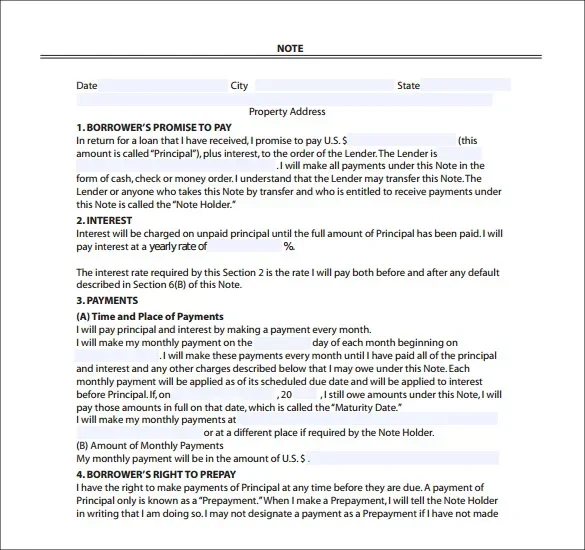
Finding your mortgage note is essential for protecting your home loan records. If you need to know where to find mortgage note documents, start with your lender, county recorder, or secure digital portals. Keeping these papers safe helps you manage payments, prove ownership, and handle future sales with confidence.
Key Takeaways
- Start with your lender: Most mortgage notes are stored by the loan servicer or original bank.
- Check county records: Public land records often hold copies of your mortgage and related documents.
- Use digital portals: Many lenders offer secure online access to loan documents.
- Keep personal copies: Store paper and digital backups in a fireproof safe or encrypted cloud storage.
- Verify the note holder: Knowing who owns your note helps with payments, modifications, and sales.
- Act fast if documents are missing: Request duplicates early to avoid delays in refinancing or selling.
- Protect your privacy: Share sensitive loan details only through secure channels.
📑 Table of Contents
- Where To Find Mortgage Note And Protect Your Loan Papers
- Start With Your Loan Servicer Or Lender
- Check County Recorder And Public Records
- Use Secure Online Portals And Lender Apps
- Request A Copy From The Note Holder
- Keep Your Own Safe Copies
- What To Do If You Still Cannot Find It
- Why This Matters For Your Home And Peace Of Mind
- Key Takeaways For Fast Document Access
Where To Find Mortgage Note And Protect Your Loan Papers
Your mortgage note is the heart of your home loan. It lists the amount you borrowed, the interest rate, and your payment promises. If you ever need to prove terms, refinance, or sell your home, this document matters. Many people search for where to find mortgage note files when they need quick access. The good news is that you can usually locate it without stress. You just need to know the right places to look and the right people to ask.
Lenders and servicers keep copies of your note for years. County offices also record mortgage-related papers for public viewing. You may also have a copy in your own files. If you lost your original, you can request a new one. The process is simple when you follow a clear path. This guide walks you through each step so you can secure your loan documents fast.
Start With Your Loan Servicer Or Lender
The fastest place to check is your loan servicer. This is the company that handles your monthly payments. They often keep the original note or a digital copy. You can call their customer service line or log in to your account. Ask for a copy of your mortgage note or the promissory note. Be ready to verify your identity. They may ask for your loan number, Social Security number, or other proof of ownership.
What To Ask For
Use clear words when you make the request. You can say, “I need a copy of my mortgage note for my records.” You can also ask for the “promissory note” or “loan agreement.” If the servicer refers you to another department, stay calm and ask for an email or mailed copy. Written requests create a paper trail. That trail helps if you need to follow up later.
How Long It May Take
Some lenders send digital copies within a few days. Others mail paper copies and take longer. If you need the document quickly, ask about expedited options. You can also ask if you can download it from a secure portal. Many companies now let you view and save loan documents online. This option is often the quickest path when you wonder where to find mortgage note records without waiting for mail.
Check County Recorder And Public Records
Your mortgage may be recorded with the county where the property sits. County recorders keep public documents tied to real estate. These records often include the mortgage deed and related filings. In many places, you can search online using your name or property address. Some counties also let you order copies for a small fee.
How To Search Online
Visit the official county website first. Look for a recorder, clerk, or land records section. Enter your property address or the legal description of the lot. Filter by document type if the site allows it. You may find the recorded mortgage, but not always the note itself. Still, this step helps you confirm the loan details and the recorded date. It also shows you who filed the paperwork.
When To Visit In Person
Some older records are not online. If the digital search fails, you can visit the county office. Bring your property address, your ID, and any known document numbers. Ask the staff how to request copies. They can guide you to the right counter or form. This route takes more time, but it can uncover records that online tools miss.
Use Secure Online Portals And Lender Apps
Many lenders now offer secure dashboards for borrowers. These portals show statements, payment history, and loan documents. You may find your note, or at least a summary of its terms, inside the document center. Log in with your username and password. If you forgot your credentials, use the recovery tools on the site. Always use a strong password and two-factor authentication when available.
What You May Find
Online centers often include monthly statements and tax forms. They may also store the original loan agreement, payoff statements, and notices. If the note is not listed, look for a contact form or message option. You can request the missing document directly through the portal. This method keeps your request inside a secure system, which is safer than emailing sensitive details.
Stay Safe While You Search
Never share your login details with anyone. Do not click suspicious links in messages that claim to be from your lender. Go directly to the official website or app. If you use a public computer, log out fully and clear the browser data. These habits protect your personal information while you look for where to find mortgage note files.
Request A Copy From The Note Holder
Sometimes the original lender sold the note to another company. In that case, the current note holder may hold the document. This can happen when loans are bundled and transferred. You can ask your servicer who currently owns the note. They should be able to point you in the right direction. If not, you can search for the investor or owner listed on your statements.
Why Ownership Matters
Knowing the note holder helps you send the right request. It also matters if you want a loan modification, payoff quote, or release document. The owner may have a specific process for document requests. Some companies respond faster than others. If you hit a dead end, keep a record of every call and email. That record can help you escalate the request if needed.
Write A Clear Request
A short, polite letter works well. Include your full name, property address, loan number, and contact information. State that you want a copy of your mortgage note. Ask them to send it by mail or secure download. Keep a copy of the letter for yourself. If you send it by email, save the sent message and any reply. Clear communication reduces confusion and speeds up the process.
Keep Your Own Safe Copies
Once you get the note, store it in a safe place. Make both paper and digital backups. Put the paper copy in a fireproof box or a secure filing cabinet. Save the digital copy in an encrypted folder or trusted cloud service. Name the file clearly so you can find it later. A good file name includes the loan number, property address, and date.
Build A Simple Document System
Create one folder for home loan records. Add the note, deed, payment statements, tax forms, and insurance papers. Keep them in order by date. This system saves time when you need to refinance, sell, or prove payment history. It also helps if you ever face a dispute about loan terms. A tidy file makes it easier to show the facts.
Quick Tips For Storage
- Label each document clearly.
- Back up digital files in two places.
- Use password protection for sensitive files.
- Check your copies once a year for damage or corruption.
- Shred old drafts before tossing them.
What To Do If You Still Cannot Find It
If the first attempts fail, do not give up. Try a second request with a different method. Call, email, and use the online portal if one is available. Ask for a written explanation if they deny the request. Sometimes a supervisor or special documents team can help. You can also ask about a payoff statement, which may include key note details.
Common Mistakes To Avoid
- Waiting too long to request a copy.
- Sending sensitive data through unsecured email.
- Assuming the county holds the note itself.
- Ignoring follow-up notices from the lender.
- Losing track of your loan number and account details.
Expert Insights For Faster Results
Be specific in every request. Use the exact document name and your loan number. Keep your contact information current so the lender can reach you. If you move or change your email, update your account right away. Ask for a confirmation number or receipt when you submit a request. That small step makes follow-up much easier.
Why This Matters For Your Home And Peace Of Mind
Your mortgage note is more than a piece of paper. It tells the story of your loan and your commitments. When you know where to find mortgage note documents, you gain control over your records. That control helps you stay organized, avoid delays, and protect your rights. It also brings peace of mind, especially when life gets busy or unexpected.
Home paperwork can feel heavy, but it does not have to be confusing. You can break the task into small steps. Start with your servicer. Then check public records. Next, use secure portals and keep your own backups. If you still need help, make a clear written request and track every step. With a calm plan, you can secure your loan documents fast and move forward with confidence.
Key Takeaways For Fast Document Access
Keep this simple routine in mind. First, ask your servicer for a copy. Second, search county records for related filings. Third, use secure portals to view and save documents. Fourth, store your own backups safely. Fifth, verify who holds the note if the loan was transferred. These steps create a strong system for the future. They also help you answer the question of where to find mortgage note records whenever you need them.
A little organization now can save a lot of stress later. Keep your loan number handy. Save your documents in more than one place. Use secure channels whenever you share personal details. When you treat your mortgage papers with care, you make homeownership smoother and safer.
Frequently Asked Questions
Where is the fastest place to find my mortgage note?
The fastest place is usually your loan servicer or lender. Many companies let you download it from a secure online portal or request a copy by phone. If you need it quickly, ask for a digital version and verify your identity right away.
Can I find my mortgage note in public records?
You can often find related mortgage records at the county recorder’s office. These public records may show the recorded mortgage and filing details, but not always the note itself. Still, this step helps you confirm key loan information and the recorded date.
What if my original lender no longer holds my note?
If the note was sold, the current owner or servicer should be able to guide you. Ask your servicer who holds the note and how to request a copy. A clear written request with your loan number usually works best.
Is it safe to download my mortgage note online?
Yes, if you use the lender’s official website or app. Always use a strong password and two-factor authentication when possible. Avoid clicking suspicious links and never share your login details with anyone.
What should I do once I get my mortgage note?
Make both paper and digital copies and store them safely. Keep them with your other home loan documents in one organized folder. Check the files once a year to make sure they are still readable and secure.
How do I request a copy if I cannot log in to my account?
Call the servicer’s customer service line and ask for a document request. You can also send a written request by mail or secure message if available. Be ready to verify your identity and provide your loan number and property address.
