
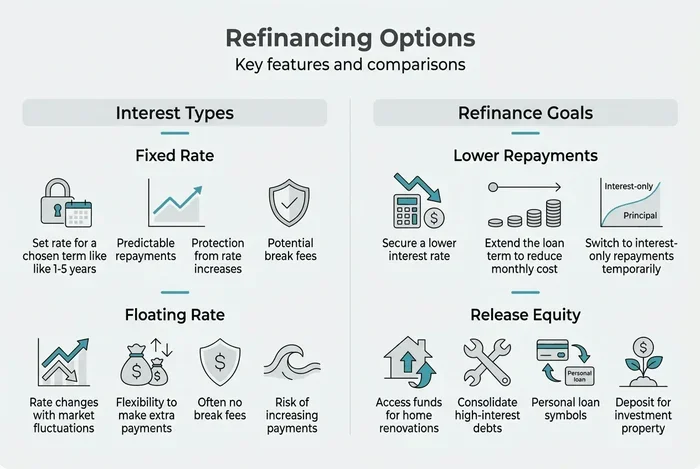
Refinancing your home loan can save you thousands of dollars over time. Finding the best bank to refinance mortgage requires careful comparison of rates, fees, and customer service. This guide walks you through every step so you can make a smart financial choice. You will learn how to compare lenders, avoid hidden costs, and pick the right option for your situation.
This is a comprehensive guide about Best Bank To Refinance Mortgage.
Key Takeaways
- Compare multiple lenders: Shopping around helps you find the best bank to refinance mortgage with competitive rates.
- Check your credit score first: A higher score often unlocks better refinancing terms and lower interest rates.
- Understand all fees: Closing costs, appraisal fees, and origination charges can impact your total savings.
- Choose the right loan type: Fixed-rate and adjustable-rate mortgages each offer different benefits depending on your goals.
- Calculate your break-even point: Make sure the savings from refinancing outweigh the upfront costs within a reasonable timeline.
- Read customer reviews: Lender reputation and service quality matter just as much as the advertised rate.
- Lock your rate at the right time: Interest rates change daily, so timing your application can protect your budget.
[FEATURED_IMAGE_PLACEHOLDER]
Why Finding the Best Bank To Refinance Mortgage Matters
Your mortgage is likely one of the biggest expenses in your life. A small difference in interest rates can change your monthly payment by hundreds of dollars. Over the life of a loan, those savings add up quickly. That is why choosing the best bank to refinance mortgage is such an important decision.
Many homeowners rush into refinancing without doing their homework. They focus only on the advertised rate and ignore other details. This approach can lead to costly mistakes. A good refinance should lower your financial stress, not create new problems. You deserve a clear path to better terms.
The right lender will offer transparent pricing, strong customer support, and flexible options. They will explain every step in plain language. They will also help you understand how refinancing fits your long-term goals. When you work with a trustworthy bank, the process feels smoother and more predictable.
Before you start comparing offers, take a moment to review your current loan. Look at your interest rate, remaining balance, and how many years are left. This information gives you a solid starting point. It also helps you spot whether a new loan truly improves your situation.
How To Compare Lenders For The Best Refinance Deal
Comparing lenders is the most critical step in the process. You want to look beyond the headline number. A low rate might come with high fees that cancel out your savings. The best bank to refinance mortgage will give you a full breakdown of all costs.
Start by collecting loan estimates from at least three different lenders. Ask each one for the same information so you can compare fairly. Pay close attention to the annual percentage rate, or APR. The APR includes both the interest rate and certain fees, which gives you a clearer picture of the true cost.
Here are the main factors to compare:
- Interest rate: This determines your monthly payment and total interest paid.
- Closing costs: These include appraisal fees, title services, and lender charges.
- Points: Some lenders let you pay extra upfront to lower your rate.
- Loan terms: A fifteen-year loan usually has a lower rate than a thirty-year loan.
- Customer service: Quick responses and clear communication save time and reduce stress.
Do not forget to ask about rate locks. A rate lock guarantees your interest rate for a set period while your loan is processed. This protection matters because rates can shift between application and closing. The best bank to refinance mortgage will explain how long the lock lasts and whether it costs anything.
You should also check whether the lender charges prepayment penalties. Some loans cost extra if you pay them off early. Since refinancing often means replacing your old loan, you want to avoid any surprise fees. A transparent lender will spell out every charge before you sign anything.
Fixed-Rate vs. Adjustable-Rate Mortgages
Choosing the right loan structure is just as important as finding a low rate. A fixed-rate mortgage keeps the same interest rate for the entire term. Your payment stays steady, which makes budgeting easier. Many people prefer this option because it removes uncertainty.
An adjustable-rate mortgage, or ARM, starts with a lower rate that can change later. The initial period might last five, seven, or ten years. After that, the rate adjusts based on market conditions. This option can work well if you plan to sell or refinance again before the adjustment period begins.
Here is a quick comparison to help you decide:
- Fixed-rate loans: Stable payments, predictable costs, best for long-term homeowners.
- Adjustable-rate loans: Lower initial rate, potential future changes, best for short-term plans.
- Hybrid options: Some loans combine fixed and adjustable periods for added flexibility.
Think about how long you plan to stay in your home. If you expect to move soon, an ARM might make sense. If you want peace of mind for decades, a fixed rate is usually the safer choice. The best bank to refinance mortgage will help you weigh these options without pushing you toward one specific product.
Understanding Closing Costs and Hidden Fees
Many borrowers focus only on the monthly payment and overlook the upfront costs. Closing costs typically range from two to five percent of the loan amount. These expenses can include appraisal fees, title insurance, recording fees, and lender origination charges. You need to know exactly what you are paying for.
Some lenders advertise no-closing-cost refinances. This sounds appealing, but it usually means the costs are rolled into the loan or offset by a higher rate. You still pay for the services; the structure just changes. Always ask for a written breakdown so you can compare the real price.
Common fees to watch for include:
- Appraisal fee: Pays for a professional estimate of your home value.
- Origination fee: Covers the lender administrative work for processing the loan.
- Title search and insurance: Protects against ownership disputes or lien issues.
- Attorney or closing agent fees: Covers the paperwork and final review.
- Prepayment penalty: A charge for paying off your old loan early, if applicable.
One smart move is to ask the lender which fees you might be able to shop around for. Services like title insurance and recording fees sometimes vary by provider. Comparing these line items can save you money without changing your lender. The best bank to refinance mortgage will be open about every cost and happy to answer your questions.
How Your Credit Score Affects Refinance Rates
Your credit score plays a huge role in the rate you receive. Lenders use it to judge how likely you are to repay the loan on time. A higher score usually means a lower interest rate and better overall terms. A lower score can lead to higher costs or stricter requirements.
Before you apply, check your credit report for errors. Mistakes happen more often than people realize. A wrong late payment or an outdated balance can drag down your score. Fixing these issues ahead of time can improve your refinancing options.
Here are a few ways to strengthen your credit before applying:
- Pay down credit card balances: Lower utilization often boosts your score quickly.
- Make all payments on time: Consistent on-time payments build a strong history.
- Avoid new credit applications: Too many recent inquiries can temporarily lower your score.
- Keep old accounts open: A longer credit history usually helps your rating.
If your score is not where you want it to be, give yourself some time to improve it. Rushing into a refinance with weak credit can cost you thousands. The best bank to refinance mortgage will tell you honestly whether now is the right moment or whether waiting makes more sense.
Calculating Your Break-Even Point
Refinancing costs money upfront, so you need to know when the savings start. The break-even point is the moment when your total savings exceed your closing costs. After that point, every month with a lower payment puts money back in your pocket.
To calculate it, divide your total closing costs by the monthly savings from the new loan. The result tells you how many months it takes to recover the upfront expense. For example, if closing costs are three thousand dollars and you save one hundred fifty dollars each month, your break-even point is twenty months.
This number matters because it helps you decide whether refinancing is worth it. If you plan to move before the break-even point, the refinance may not save you money. If you plan to stay long after that point, the savings can be substantial. The best bank to refinance mortgage will walk you through this math so you can make a confident choice.
Keep in mind that your goals may change over time. Some people refinance to lower their monthly payment. Others want to shorten the loan term and pay less interest overall. Some want to tap into home equity for renovations or debt consolidation. Your break-even calculation should reflect your specific reason for refinancing.
Top Factors That Influence Your Refinance Rate
Many things affect the rate a lender offers you. Some are within your control, and some are not. Understanding these factors helps you set realistic expectations and negotiate better terms. The best bank to refinance mortgage will consider your full financial picture, not just one number.
Market conditions are a major influence. When overall interest rates rise, mortgage rates usually rise too. When the economy slows, rates often drop. You cannot control these shifts, but you can time your application carefully. Watching trends and acting when rates dip can make a real difference.
Your personal finances also matter a lot. Lenders look at your credit score, debt-to-income ratio, employment history, and cash reserves. A stable job and low debt often lead to better offers. A high debt-to-income ratio can make a lender view you as riskier, which may raise your rate.
The loan-to-value ratio is another key factor. This compares your loan amount to your home value. A lower ratio usually means better terms because the lender has less risk. If your home has gained value, you may qualify for a stronger rate than you did before.
Property type and location can affect pricing too. Single-family homes often get different treatment than condos or investment properties. Some areas also have different tax rules or insurance costs that influence the overall loan picture. A knowledgeable lender will explain how these details apply to you.
Quick Tips For a Smoother Refinance Process
A little preparation goes a long way. These simple steps can help you move through the process with less stress and fewer delays.
- Gather documents early: Pay stubs, tax returns, bank statements, and proof of insurance are commonly requested.
- Keep your finances stable: Avoid large purchases or new debt while your loan is being processed.
- Respond quickly: Lenders often need extra paperwork. Fast replies keep the timeline on track.
- Ask questions: If something is unclear, speak up. A good lender will explain every step.
- Review the closing disclosure: Compare the final numbers with your original estimate before you sign.
These habits help you stay organized and in control. They also show the lender that you are serious and reliable. That impression can make the entire experience smoother.
Common Mistakes To Avoid When Refinancing
Even smart homeowners can make avoidable errors during refinancing. Knowing what to watch for helps you sidestep costly problems. The best bank to refinance mortgage will help you avoid these traps, but you still need to stay alert.
One common mistake is chasing the lowest rate without looking at the full cost. A slightly lower rate might come with higher fees or a longer term that increases total interest. Always compare the complete loan estimate, not just the headline number.
Another mistake is refinancing too often. Each refinance adds closing costs and resets parts of your loan. If you refinance repeatedly without a clear benefit, you may spend more than you save. Make sure each new loan serves a real purpose.
People also forget to check whether they are losing valuable features from their current loan. Some older loans have flexible payment options or other benefits that a new loan might not include. Review your existing contract before you replace it.
Here are a few more pitfalls to avoid:
- Ignoring your long-term plans: A loan that looks great now may not fit if your life changes soon.
- Skipping the fine print: Prepayment penalties, rate adjustment rules, and escrow changes deserve attention.
- Overlooking customer service: A cheap loan is not a bargain if the lender is slow or confusing to work with.
- Assuming one lender is enough: Getting multiple quotes gives you leverage and clarity.
Avoiding these mistakes keeps your refinance focused on real value. It also helps you build confidence in the decision you make.
How To Choose the Right Lender for Your Situation
The right lender depends on your goals, your timeline, and how much guidance you want. Some borrowers prefer a large bank with familiar branding and many branch locations. Others prefer a smaller lender or mortgage company that offers personalized service and faster communication. Neither choice is automatically better. The best bank to refinance mortgage is the one that matches your needs.
If you value convenience, a big bank might feel comfortable. You may already have accounts there, which can simplify paperwork and communication. If you want more hands-on guidance, a local lender or dedicated mortgage professional may be a better fit. They often take time to explain options in detail.
You should also think about how each lender handles the application process. Some use online portals that let you upload documents and track progress. Others rely more on phone calls and email. Choose the style that works best for your routine.
Customer feedback can offer useful clues. Look for patterns in reviews rather than isolated complaints. Consistent praise for clear communication and fair closing costs is a good sign. Repeated complaints about delays or hidden fees are a warning.
A strong lender will also ask about your goals. They should want to know whether you want lower payments, a shorter term, or cash out for another purpose. When they understand your priorities, they can tailor the loan to fit your life.
Expert Insights on Timing Your Refinance
Timing can make a big difference in your final cost. Interest rates change based on economic data, inflation, and market sentiment. While no one can predict the market perfectly, you can still make thoughtful decisions. The best bank to refinance mortgage will help you watch the right signals and act when the numbers make sense.
One useful approach is to set a target rate before you apply. If rates fall to that level, you can move quickly. This prevents you from rushing at the first small drop or waiting too long for a perfect number that never arrives. A target gives you a clear trigger.
Another smart habit is to monitor your personal readiness alongside market conditions. Even a great rate will not help much if your credit score is low or your debt load is high. Improving your finances first can put you in a stronger position when rates look favorable.
You should also think about how long you plan to keep the new loan. If you expect to move in a few years, a shorter break-even period matters more. If you plan to stay for decades, a slightly higher upfront cost may be worth it for a better long-term rate.
Final Thoughts on Finding the Best Bank To Refinance Mortgage
Refinancing can be a powerful way to reduce your monthly burden and save money over time. The key is to look at the whole picture, not just one attractive number. When you compare rates, fees, loan terms, and customer service, you give yourself the best chance to make a smart move. The best bank to refinance mortgage is the one that offers clear terms, fair costs, and a process you understand.
Take your time, gather multiple quotes, and ask plenty of questions. Make sure the new loan supports your real goals, whether that means lower payments, a shorter term, or better overall stability. If you stay organized and thoughtful, refinancing can feel much less stressful and much more rewarding.
Your home is a major part of your financial life. Choosing the right lender is one of the most important steps in protecting that investment. With the right information and a careful approach, you can move forward with confidence and clarity.
Frequently Asked Questions
What credit score do I need to refinance my mortgage?
Most lenders prefer a credit score of at least 620 for conventional refinances, though better rates usually go to borrowers with higher scores. If your score is lower, you may still have options, but the terms might be less favorable. Checking your score early gives you time to improve it before applying.
How long does the refinance process usually take?
The process often takes thirty to forty-five days, but it can vary based on the lender, your documents, and the complexity of the loan. Providing paperwork quickly and responding to requests can help speed things up. A well-organized application usually moves more smoothly.
Can I refinance if I have less than twenty percent equity?
Yes, but you may need to pay for private mortgage insurance or accept different loan terms. Some programs are designed for borrowers with lower equity, so it helps to ask about available options. Your home value, loan amount, and lender rules all play a role.
Should I pay points to lower my interest rate?
Paying points can make sense if you plan to keep the loan long enough to recover the upfront cost through lower payments. If you expect to move or refinance again soon, points may not be worth it. A simple break-even calculation can help you decide.
Will refinancing affect my taxes?
Refinancing can affect certain tax deductions, especially if your mortgage interest deduction changes. The impact depends on your loan structure, how you use the funds, and your overall tax situation. It is wise to review the details with a tax professional if you are unsure.
How do I know if refinancing is worth it?
Compare your total closing costs with the monthly savings you expect from the new loan. If you will stay in the home long enough to pass the break-even point, refinancing is more likely to be worthwhile. Your long-term plans and financial goals should guide the final decision.
