
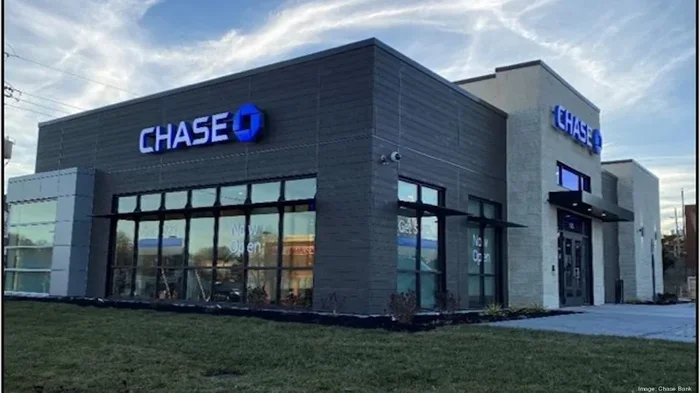
Does Chase Bank offer mortgages? Yes, Chase provides a wide range of home loan products for buyers and refinancers. Their offerings include conventional loans, FHA loans, VA loans, and jumbo mortgages. You can also explore their fixed-rate and adjustable-rate options to match your budget. This guide walks you through eligibility, rates, and the application process so you can move forward with confidence.
Many people ask does Chase Bank offer mortgages when they start shopping for a home. The short answer is yes. Chase provides a solid lineup of home loans for buyers and owners who want to refinance. Their products cover common needs like first-time purchases, upgrades, and cash-out refinances. If you want a lender with a large branch network and digital tools, Chase can be a strong option.
Buying a home is a big step, and the loan you pick shapes your monthly budget for years. That is why it helps to understand the main loan types, rate choices, and approval requirements before you apply. This guide explains what Chase offers, how to qualify, and what to expect during the process. You will also find practical tips to help you compare options and avoid common mistakes.
Let us start with the basics. A mortgage is a loan secured by the home you buy or already own. The lender pays the seller, and you repay the loan over time with interest. Your monthly payment usually includes principal, interest, taxes, and insurance. When you understand these pieces, it becomes easier to choose a loan that fits your life and your goals.
Key Takeaways
- Chase offers multiple mortgage types: Conventional, FHA, VA, and jumbo loans are available for different buyer needs.
- Fixed and adjustable rates exist: You can choose a stable monthly payment or a lower initial rate that may change later.
- Credit and income matter: Strong credit, steady income, and a reasonable debt-to-income ratio improve your approval chances.
- Down payment options vary: Some loans allow low down payments, while others require more equity upfront.
- Pre-approval helps you shop: Getting pre-approved shows sellers you are serious and clarifies your budget.
- Closing costs add up: Budget for fees like appraisal, title, and origination to avoid surprises at closing.
- Customer service supports the journey: Chase provides online tools, local loan officers, and resources to guide first-time buyers.
📑 Table of Contents
- Does Chase Bank Offer Mortgages for First-Time Buyers
- Does Chase Bank Offer Mortgages with Fixed and Adjustable Rates
- Does Chase Bank Offer Mortgages for Refinancing
- Does Chase Bank Offer Mortgages with Competitive Rates and Terms
- Does Chase Bank Offer Mortgages with a Simple Application Process
- Does Chase Bank Offer Mortgages That Fit Your Long-Term Goals
- Does Chase Bank Offer Mortgages with Helpful Support and Resources
- Final Thoughts on Does Chase Bank Offer Mortgages
Does Chase Bank Offer Mortgages for First-Time Buyers
If you are buying your first home, you may wonder does Chase Bank offer mortgages that work for newer buyers. The answer is yes, and Chase provides resources that can help first-time buyers learn the process. Many first-time programs allow lower down payments and more flexible credit standards. These loans can make homeownership feel more reachable when you have saved enough for a down payment and closing costs.
First-time buyers often benefit from guidance. Chase offers online education, calculators, and local loan officers who can explain your choices. A good loan officer can help you compare monthly payments, down payment options, and rate types. This support matters because your first home loan is likely your most important financial decision so far.
Conventional Loans for New Buyers
Conventional loans are a popular choice for buyers with decent credit and some savings. These loans are not insured by the government, so the standards can be a bit stricter. Still, many buyers like conventional loans because they offer flexibility in property types and loan terms. If you have a stable income and a reasonable credit profile, a conventional loan may fit your situation well.
Low Down Payment Options
Some buyers worry they need a large down payment before they can buy. That is not always true. Certain programs allow smaller down payments, which can help you move forward sooner. A smaller down payment lowers the cash you need upfront, but it may change your monthly payment and total loan cost. It is smart to compare the trade-offs before you decide.
Quick Tip
Save for both the down payment and closing costs. Many buyers focus only on the down payment and get surprised by the extra fees at closing. A little planning now can reduce stress later.
Does Chase Bank Offer Mortgages with Fixed and Adjustable Rates
Another common question is does Chase Bank offer mortgages with different rate structures. Chase offers both fixed-rate and adjustable-rate loans. A fixed-rate mortgage keeps the same interest rate for the life of the loan, so your principal and interest payment stays steady. This predictability is helpful if you plan to stay in the home for a long time.
An adjustable-rate mortgage, or ARM, usually starts with a lower rate for a set period. After that period ends, the rate can change based on market conditions. This option may appeal to buyers who expect to move or refinance before the rate adjusts. It can also suit buyers who want a lower initial payment and are comfortable with some future uncertainty.
Fixed-Rate Mortgages
Fixed-rate loans are simple to understand. Your rate does not change, so your payment does not change because of interest rate movement. That stability makes budgeting easier. Many buyers choose fixed-rate loans because they want peace of mind and a clear long-term plan.
Adjustable-Rate Mortgages
ARMs can be useful in the right situation. They often begin with a lower rate, which may help you qualify for a larger loan or keep early payments lower. The trade-off is that your rate and payment may rise later. If you choose an ARM, make sure you understand when the rate can change and how high it could go.
Fixed-Rate vs. Adjustable-Rate Mortgages
- Fixed-Rate: Same rate for the full term, steady principal and interest payment, easier long-term budgeting.
- Adjustable-Rate: Lower initial rate for a set period, possible rate changes later, may suit shorter-term ownership.
- Best for stability: Fixed-rate loans.
- Best for lower early payments: Adjustable-rate loans, if you understand the risks.
Does Chase Bank Offer Mortgages for Refinancing
Homeowners often ask does Chase Bank offer mortgages for refinancing too. Yes, refinancing is a common part of what mortgage lenders provide. A refinance replaces your current loan with a new one. People refinance to lower their rate, change the loan term, switch from an ARM to a fixed rate, or tap home equity.
A rate-and-term refinance focuses on changing the interest rate or the length of the loan. This can reduce your monthly payment or help you pay off the loan faster. A cash-out refinance lets you borrow more than you owe and receive the difference in cash. That option can help with renovations or other major expenses, but it increases your loan balance and may raise your payment.
When Refinancing Makes Sense
Refinancing can be helpful when rates drop, your credit improves, or your goals change. It may also make sense if you want to remove mortgage insurance or adjust your loan term. Before you refinance, compare the new payment with your current one and include the closing costs. A lower rate does not always mean the deal is better if the fees are too high.
Things to Watch Before You Refinance
Closing costs apply to refinances too. You should also check how long you plan to stay in the home. If you move soon, the savings may not outweigh the costs. Another factor is your equity. If your home value has changed, it can affect what you can borrow and whether you qualify for certain programs.
Common Mistake
Some homeowners refinance without calculating the break-even point. If it takes too long to recoup the closing costs, the refinance may not be worth it. Always compare total costs, not just the new monthly payment.
Does Chase Bank Offer Mortgages with Competitive Rates and Terms
Borrowers also want to know does Chase Bank offer mortgages with competitive pricing and useful terms. Rates change over time, and they depend on many factors like credit score, down payment, loan type, and market conditions. Chase provides different loan terms, and the right term can change your monthly payment and total interest cost.
A shorter term usually means higher monthly payments but less total interest over time. A longer term usually means lower monthly payments but more interest over the life of the loan. The best choice depends on your budget and your goals. If you want the lowest payment, a longer term may help. If you want to build equity faster, a shorter term may be better.
What Affects Your Rate
Several things can influence the rate you receive. Your credit history is a major factor because it helps lenders judge risk. Your down payment also matters because more equity often reduces the lender’s risk. The loan program, property type, and current market environment can all play a role as well.
- Credit profile: Stronger credit can improve your rate options.
- Down payment: A larger down payment may help you secure better terms.
- Loan type: Different programs have different pricing structures.
- Market conditions: Rates move with broader economic trends.
- Property use: Primary homes, second homes, and investment properties can have different requirements.
Rate Shopping Tips
It helps to compare more than one offer. Ask about the interest rate, the annual percentage rate, and the estimated closing costs. The annual percentage rate gives a broader picture of loan cost because it includes certain fees. Looking at the full picture makes it easier to compare lenders fairly.
Expert Insight
Do not focus only on the lowest rate you see online. The best loan is the one that fits your budget, your timeline, and your risk tolerance. A slightly higher rate with better terms may be a smarter choice than a low rate with high fees or risky features.
Does Chase Bank Offer Mortgages with a Simple Application Process
Many buyers care about how easy it is to apply. When people ask does Chase Bank offer mortgages with a smooth process, they usually want a clear path from pre-approval to closing. Chase provides online tools and local support, which can make the process feel more manageable. A well-organized application can save time and reduce confusion.
The process usually starts with pre-approval. This step helps you understand what you may be able to borrow. It also shows sellers that you are serious. After that, you submit documents, the lender reviews your file, and the loan moves toward closing. The exact steps can vary based on your loan type and situation.
Pre-Approval and Documentation
Pre-approval gives you a clearer budget before you start house hunting. You usually provide basic financial information, and the lender reviews your income, debts, and credit. This is not a final commitment, but it is a helpful early step. Once you have an accepted offer, you will share more documents for the full underwriting review.
- Income records: Pay stubs, W-2s, and tax documents may be requested.
- Asset records: Bank statements can show funds for the down payment and closing costs.
- Identity documents: A government ID and other basic records are usually needed.
- Property details: The purchase agreement and property information matter once you have an offer.
What to Expect at Closing
Closing is the final step where you sign the loan documents and the home purchase is completed. You will review the final numbers, pay your closing costs and down payment, and receive the keys to your new home. It is a good idea to read the closing disclosure carefully so you understand the payment and all fees.
Quick Tip
Ask questions early if anything looks confusing. A good lender will explain the numbers in plain language. Understanding your loan before closing can prevent stress and mistakes.
Does Chase Bank Offer Mortgages That Fit Your Long-Term Goals
A mortgage should fit more than your current budget. It should also support your future plans. That is why it helps to think beyond the immediate purchase. If you plan to stay in the home for many years, stability may matter most. If your needs may change soon, flexibility could be more important.
Think about your career, family plans, and comfort with risk. A fixed-rate loan may be a better match if you want predictable payments. An ARM may be useful if you expect a shorter stay and want a lower starting payment. A refinance later may also be part of your plan if your situation changes.
Matching the Loan to Your Life
The best mortgage is one that you can manage comfortably. That means looking at the monthly payment, the loan term, and the total cost. It also means leaving room for other goals like saving, investing, and handling emergencies. A home loan should support your life, not strain it.
- Plan for stability: Choose a loan structure that feels safe for your budget.
- Plan for changes: Consider how job moves, family growth, or rate changes may affect you.
- Keep reserves: An emergency fund can help you handle repairs and income changes.
- Review periodically: Revisit your loan choices if your goals or market conditions change.
Common Mistake
Some buyers stretch to the maximum they qualify for. That can leave little room for other expenses. A comfortable payment is often better than the largest loan you can get.
Does Chase Bank Offer Mortgages with Helpful Support and Resources
Support matters, especially for people who are new to home loans. Chase provides branch access, online tools, and loan professionals who can answer questions. This combination can be useful if you like both digital convenience and in-person help. A lender that communicates clearly can make the process feel less overwhelming.
If you are a first-time buyer, it can help to use educational resources too. Learning about down payments, closing costs, and loan terms can make you a more confident borrower. The more you understand, the easier it is to compare offers and ask the right questions.
Building Confidence as a Borrower
Confidence comes from preparation. When you know your budget, your documents, and your loan options, the process feels more manageable. It also helps to move step by step instead of trying to learn everything at once. Small, steady progress works well for most buyers.
- Learn the basics: Understand principal, interest, taxes, and insurance.
- Check your budget: Make sure the payment fits your monthly cash flow.
- Gather documents early: This can speed up the review after you find a home.
- Ask for clarity: Request simple explanations of any fee or term you do not understand.
Expert Insight
A mortgage is not just a purchase tool. It is a long-term financial commitment. The more clearly you understand your loan, the better you can plan for the years ahead.
Final Thoughts on Does Chase Bank Offer Mortgages
So, does Chase Bank offer mortgages? Yes, and they offer a variety of loan options for buyers and refinancers. You can explore conventional loans, government-backed programs, fixed-rate loans, adjustable-rate loans, and refinancing choices. The right option depends on your credit, your savings, your timeline, and your comfort with risk.
The best next step is to compare your goals with the loan features. Look at the monthly payment, the rate type, the term, and the total closing costs. If you are ready to move forward, start with pre-approval and gather your documents early. That approach can help you shop with confidence and make the process smoother.
Homeownership is a major milestone, and the right mortgage can make it more manageable. Take your time, ask questions, and choose a loan that supports both your current budget and your future plans. With careful planning, you can move into your next chapter with greater confidence.
Frequently Asked Questions
Does Chase Bank offer mortgages for first-time home buyers?
Yes, Chase offers mortgage options that can work for first-time buyers, including loans with different down payment levels. It helps to compare loan types and ask about programs that may fit your situation. A loan officer can also explain what documents you will need.
Does Chase Bank offer mortgages with fixed interest rates?
Yes, Chase provides fixed-rate mortgages that keep the same interest rate for the life of the loan. This gives you a steady principal and interest payment over time. Many buyers like this option because it makes long-term budgeting easier.
Does Chase Bank offer mortgages for refinancing an existing home loan?
Yes, Chase offers refinancing options for homeowners who want to change their rate, term, or loan structure. Some borrowers refinance to lower payments, while others use a cash-out refinance to access equity. Always compare the new costs with the potential savings before you decide.
Does Chase Bank offer mortgages with low down payment options?
Some loan options can allow a lower down payment, which may help buyers who do not have a large amount saved. A smaller down payment can make it easier to buy sooner, but it may affect your monthly payment and total loan cost. It is smart to review the trade-offs carefully.
Does Chase Bank offer mortgages with adjustable-rate options?
Yes, Chase offers adjustable-rate mortgages that usually start with a lower rate for a set period. After that period, the rate may change based on market conditions. This option can suit buyers who plan to move or refinance before the rate adjusts.
Does Chase Bank offer mortgages with online application tools and local support?
Yes, Chase provides online tools and branch-based support, so borrowers can choose the level of help they prefer. You can use digital resources to estimate payments and prepare your application, then speak with a loan professional for personalized guidance. This mix of tools and support can make the process easier to follow.
