
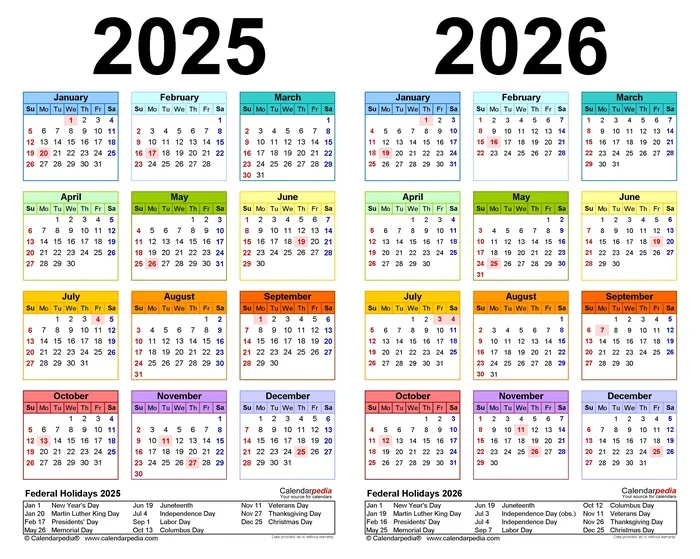
Making your monthly payment on time is crucial, but timing can help you save money. What is the best day to pay mortgage depends on your loan servicer and personal budget. Paying early in the cycle often reduces interest costs slightly. This guide explains how to optimize your payment schedule for better financial health.
This is a comprehensive guide about Best Day To Pay Mortgage.
Key Takeaways
- Payment Timing: Paying early in the cycle can reduce interest accrual.
- Due Dates: Most lenders offer a grace period before late fees apply.
- Budgeting: Align payments with your paycheck to avoid overdrafts.
- Interest Savings: Extra principal payments save more than timing alone.
- Credit Score: Consistent on-time payments boost your credit rating.
- Auto Pay: Setting up automatic payments ensures you never miss a deadline.
- Lender Rules: Always check your specific loan agreement for cutoff times.
[FEATURED_IMAGE_PLACEHOLDER]
Understanding Mortgage Payment Schedules
Your mortgage is likely the biggest expense in your monthly budget. It feels like a heavy weight every single month. You want to manage it wisely. Many people ask what is the best day to pay mortgage bills. The answer is not always simple. It depends on how your lender calculates interest. Most loans are structured with a specific due date. This date is usually the first of the month. You need to understand this cycle clearly.
Lenders expect payment by a certain time. If you pay late, you face fees. These fees add up quickly over time. You also risk damaging your credit score. A lower credit score costs you money later. It affects future loans and interest rates. So, timing matters for more than just savings. It matters for your financial reputation too. You should look at your loan documents. They explain the specific terms.
Some loans use simple interest. Others use amortized interest. This changes how daily payments work. If your loan accrues interest daily, paying early helps. You reduce the principal faster. This means less interest builds up. If your loan does not accrue daily, timing matters less. You still need to pay by the deadline. But the savings might be smaller. You must know your loan type.
How Interest Accrues on Your Loan
Interest is the cost of borrowing money. It is calculated based on your outstanding balance. The higher the balance, the more interest you pay. When you make a payment, you lower that balance. This reduces future interest charges. The timing of this reduction is key. If you pay on the first, the balance drops sooner. If you pay on the fifteenth, the balance stays higher longer. This is the core of what is the best day to pay mortgage questions.
Most mortgages are amortized. This means you pay interest first. The rest goes to principal. Early in the loan, most money goes to interest. Later, more goes to principal. Paying early helps shift this balance faster. It is a small advantage. But small advantages add up over years. You might save hundreds over the life of the loan. This is why people look for savings tips.
Daily accrual is common in some regions. In this system, interest adds up every day. Paying five days early saves five days of interest. This seems small. But over thirty years, it matters. You should ask your lender about this. They can explain your specific accrual method. Knowledge is power here. You can make better choices with facts.
The Impact of Grace Periods on Timing
Almost every mortgage has a grace period. This is a buffer after the due date. You can pay during this time without a late fee. This period is usually around fifteen days. It gives you flexibility. You do not have to pay on the exact due date. You can wait until the grace period ends. This helps with cash flow management. You might wait for your paycheck to clear.
However, using the grace period has risks. If you forget, you miss the deadline. Then you pay late fees. These fees are expensive. They can be five percent of the payment. This adds up over time. It is better to pay early. You avoid the stress of remembering the deadline. You also avoid accidental late payments. Consistency is key for financial health.
Some people think paying during the grace period is smart. They keep their money in savings longer. They earn a little interest on it. This is a valid strategy. But you must be disciplined. If you slip up, the fees outweigh the savings. You need to weigh the risk. For most people, paying early is safer. It builds a habit of reliability.
Late Fees and Credit Score Risks
Late fees are just the start. The real damage is to your credit. Lenders report late payments to credit bureaus. This happens after thirty days usually. But some report sooner. A late mark stays on your report for years. It lowers your score significantly. A lower score means higher rates later. You might pay more for car loans or credit cards. This cost is much higher than late fees.
You should protect your credit score fiercely. It is a valuable financial asset. Paying on time is the best way to do this. Set up reminders on your phone. Use calendar alerts too. You can also set up auto pay. This ensures the money moves automatically. You do not have to remember manually. This reduces human error significantly.
Communication helps if you are struggling. Call your lender before you miss a payment. They might offer options. They do not want you to default either. They prefer steady payments. Being proactive shows responsibility. This can help your relationship with the servicer. It might prevent negative reporting. Always try to solve issues early.
Aligning Payments with Your Paycheck
Your cash flow is unique to you. You get paid on specific days. Maybe you get paid bi-weekly. Maybe you get paid monthly. Your mortgage due date might not match this. This creates timing challenges. You might run out of money before the due date. This is why what is the best day to pay mortgage matters for budgeting. You need to align the bill with your income.
If you get paid on the first, pay the mortgage then. This clears the big bill immediately. You know exactly what is left for other expenses. This reduces anxiety about money. You can plan your grocery and utility spending better. It creates a clear financial picture. You avoid accidental overspending. This is a practical budgeting strategy.
If you get paid later in the month, adjust your mindset. You still need to pay by the due date. You might need to save from the previous paycheck. This requires discipline. You must set aside money specifically for the mortgage. Do not mix it with other funds. Keep it separate in your budget. This ensures the money is there when needed.
Budgeting Strategies for Homeowners
Creating a budget is essential. List all your income sources first. Then list all your expenses. Put the mortgage at the top. It is the most important bill. Everything else comes after this. This is called prioritizing expenses. You ensure the roof over your head is secure. This gives you peace of mind.
Use the envelope method if you like cash. Put the mortgage money in a separate envelope. Do not touch it for other things. This physical separation helps discipline. Digital banks also offer separate buckets. You can label them for specific bills. This keeps your funds organized. It prevents accidental spending.
Review your budget every month. Income and expenses change. You might get a raise. You might have new bills. Adjust your plan accordingly. Flexibility is important in budgeting. A rigid budget breaks easily. A flexible budget survives changes. This keeps your mortgage payments stable.
Strategies to Maximize Savings on Mortgage Payments
Timing is one part of savings. Principal reduction is another big part. If you want to save money, pay extra. This goes directly to the principal balance. This reduces the total interest you pay. It shortens the loan term too. You become debt-free faster. This is the most effective savings strategy.
You can make extra payments monthly. Or you can make one extra payment yearly. Both methods work well. The yearly extra payment is easier to manage. You save up for it throughout the year. Then you apply it all at once. This gives you a big boost. It feels like a reward for your discipline.
Refinancing is another option. If rates drop, you can refinance. This lowers your monthly payment. It also lowers the total interest. But refinancing has costs. You need to calculate the break-even point. Make sure the savings outweigh the fees. This is a bigger decision than payment timing.
The Power of Extra Principal Payments
Extra payments attack the debt directly. They reduce the balance immediately. This means less interest accrues next month. It creates a snowball effect. You save more interest every month. Over thirty years, this is huge. You could save thousands of dollars. This is real money in your pocket.
Specify that extra money goes to principal. Lenders might apply it to next month’s bill. You must instruct them clearly. Write a note with your payment. Use the online portal options too. Ensure the extra amount is designated correctly. Otherwise, you lose the benefit. You want to reduce debt, not prepay future bills.
Even small extra amounts help. Twenty dollars a month adds up. One hundred dollars is better. Do what you can afford. Do not strain your budget. Consistency is more important than size. Small steps lead to big results. This is the truth of debt reduction.
Common Mistakes to Avoid When Paying Your Mortgage
People make errors with mortgage payments. These errors cost money. One common mistake is paying late consistently. This racks up fees quickly. Another mistake is not checking the servicer. Sometimes loans are sold to new companies. You need to know where to send money. Old information leads to lost payments.
Some people pay the wrong amount. They forget to include escrow changes. Taxes and insurance go into escrow. These costs change over time. Your payment might increase unexpectedly. If you pay the old amount, you fall behind. You need to stay updated on escrow totals. Review your annual statement carefully.
Ignoring communication is another error. Lenders send important letters. They might change payment methods. They might update portal systems. If you ignore these, you miss info. This leads to confusion. Stay engaged with your loan servicer. Read their emails and letters. It keeps you informed and safe.
Misunderstanding Escrow and PMI
Escrow accounts hold money for taxes. They also hold money for insurance. Your lender pays these bills for you. This is convenient but adds to your payment. You need to understand this total cost. It is not just principal and interest. It is principal, interest, taxes, and insurance. This is called PITI.
Private Mortgage Insurance is another cost. This applies if you put less than twenty percent down. It protects the lender, not you. It adds to your monthly bill. You can remove PMI eventually. Once you reach twenty percent equity, ask to remove it. This lowers your payment automatically. It is a hidden savings opportunity.
Monitor your home value too. If values rise, you gain equity faster. This helps you remove PMI sooner. You can order an appraisal if needed. This costs money but saves more later. It is worth the investment. Keep track of your equity position. It empowers you to make changes.
Expert Insights on Mortgage Payment Timing
Financial experts agree on consistency. Paying on time is the most important factor. Timing within the month is secondary. But if you can pay early, do it. It shows financial discipline. It reduces interest slightly. It also reduces stress for you. Peace of mind is valuable too.
Experts also suggest automating everything. Life gets busy. You might forget manual payments. Auto pay removes this risk. You can schedule it for the due date. Or you can schedule it for payday. Choose what fits your cash flow. Automation simplifies your financial life. It lets you focus on other things.
Review your loan annually. Check for errors in statements. Check for better rates elsewhere. Your financial situation changes. Your loan should match your situation. If not, consider refinancing. Or consider extra payments. Stay proactive about your debt. It is the best way to manage it.
When to Contact Your Loan Servicer
Contact them if you see errors. Contact them if you move houses. Update your address immediately. Contact them if you struggle to pay. They have hardship programs. Do not wait until you are behind. Reach out early. They are more helpful before a crisis.
Ask questions about your statement. Understand every line item. If something looks wrong, ask. They should explain it clearly. You have a right to know. Your money is your responsibility. Manage it with confidence. Knowledge removes fear from the process.
Conclusion
Managing your mortgage is a big responsibility. You want to save money where you can. Understanding what is the best day to pay mortgage helps you plan. Paying early reduces interest slightly. Paying on time avoids fees and credit damage. Aligning payments with your paycheck helps budgeting. These strategies work together for financial health.
Remember that principal reduction saves the most. Timing is good, but extra payments are better. Focus on reducing the debt balance. This frees up your future income. It gives you more freedom eventually. You will own your home outright sooner. This is a worthy financial goal.
Stay organized and informed. Use auto pay to avoid mistakes. Review your statements every year. Contact your lender if you have issues. Your home is a major asset. Protect it with smart financial habits. You can master your mortgage with care. Start today with your next payment.
Frequently Asked Questions
Can paying my mortgage early save me money?
Yes, if your loan accrues interest daily, paying early reduces the principal faster. This lowers the total interest you pay over the life of the loan. However, the savings are usually small compared to making extra principal payments.
What happens if I pay during the grace period?
You will not incur a late fee if you pay within the grace period. However, your payment is still technically late regarding the due date. It is safer to pay by the actual due date to protect your credit score.
Does the day I pay affect my credit score?
Paying on time helps your credit score significantly. Paying late can hurt your score if reported to bureaus. The specific day within the month does not matter as long as it is on time.
Should I align my mortgage payment with my paycheck?
Yes, aligning payments with income helps cash flow management. It ensures you have funds available when the bill is due. This reduces the risk of overdrafts or missed payments.
How do I ensure extra payments go to principal?
You must specify in writing that extra funds are for principal reduction. Lenders may apply extra money to future bills by default. Check your online portal or send a note with your check.
Is refinancing better than changing payment timing?
Refinancing can lower your interest rate and monthly payment significantly. Changing payment timing offers minor savings. Refinancing is better if rates have dropped since you bought the loan.
