
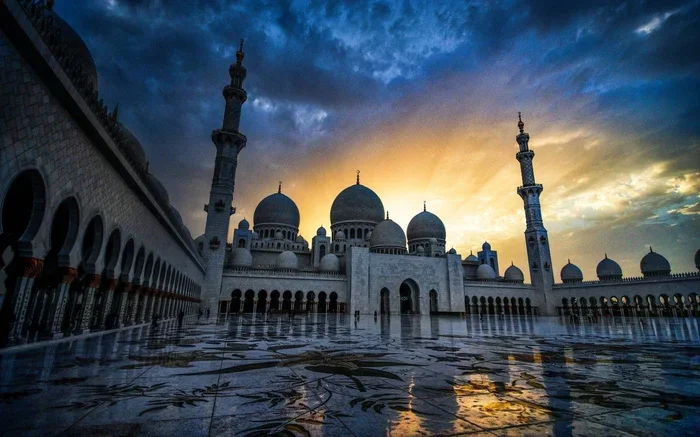
Is marriage allowed in Muharram? Yes, it is generally permissible in Islam, but many couples avoid it out of respect for the sacred month. This guide explains the religious rulings, cultural nuances, and practical tips for planning a wedding during this time. You will learn everything you need to know to make an informed decision.
This is a comprehensive guide about Is Marriage Allowed In Muharram.
Key Takeaways
- Primary Ruling: Islamic scholars generally agree that holding a wedding during Muharram is permissible.
- Sacred Month: Muharram is one of the four sacred months in Islam, which increases the spiritual weight of actions.
- Cultural Practices: Some cultures avoid weddings in Muharram due to mourning traditions, especially around Ashura.
- No Prohibition: There is no specific hadith or Quranic verse that explicitly forbids marriage ceremonies in this month.
- Intention Matters: Performing good deeds like marriage is encouraged, but solemnity is often preferred.
- Consult Scholars: Always check with local religious leaders for specific community guidelines or fiqh differences.
- Practical Planning: If you proceed, keep the ceremony respectful and avoid overly festive celebrations that clash with the mood.
[FEATURED_IMAGE_PLACEHOLDER]
Understanding the Islamic Calendar and Muharram
The Islamic calendar is based on the lunar cycle. It has twelve months. Each month holds specific significance for Muslims around the world. Muharram is the first month of this holy calendar. The name itself means forbidden or sacred. This shows the importance of the time.
There are four sacred months in total. These are Dhul-Qa’dah, Dhul-Hijjah, Muharram, and Rajab. During these times, certain actions are viewed with extra care. Fighting is traditionally prohibited in these months. This historical rule highlights the sanctity of the period.
Is marriage allowed in Muharram is a common question during this time. People want to know if the sacred nature changes daily life. The answer lies in understanding the purpose of the month. It is a time for reflection and worship. However, life events like marriage still happen.
Muslims celebrate Eid al-Adha and Eid al-Fitr in other months. Those are times of joy. Muharram is different. It is often associated with remembrance. The 10th day, known as Ashura, is particularly significant. Many Muslims fast on this day. It commemorates historical events in Islamic history.
Because of this solemnity, some people feel hesitant. They worry about mixing joy with mourning. But Islam is a practical religion. It balances spiritual duties with worldly needs. Marriage is a blessed contract. It is not seen as a sin.
Understanding the context helps reduce confusion. You need to look at both religious texts and cultural habits. Religion provides the base rules. Culture adds layers of tradition. Both influence how people view weddings in Muharram.
Is Marriage Allowed In Muharram According to Scholars?
When asking is marriage allowed in Muharram, scholars look at Islamic texts. The Quran does not forbid marriage in specific months. The Prophet Muhammad also did not ban weddings during this time. This is the core of the religious ruling.
Major Islamic schools of thought have different views on minor details. But the main consensus is clear. Marriage is permissible. It is not haram or forbidden. Couples can sign the contract during this month.
Some scholars suggest avoiding lavish parties. They recommend keeping the event simple. This aligns with the spirit of the sacred month. It is not about stopping the marriage. It is about respecting the timing.
There is a difference between the contract and the celebration. The legal part is always allowed. The party is where opinions vary. Some families prefer to wait. They want to avoid any religious discomfort.
It is important to distinguish between bid’ah and custom. Bid’ah is innovation in religion. Custom is cultural habit. Avoiding Muharram weddings is often a custom. It is not a religious law. You should know the difference.
If you follow the Shafi’i school, the view is permissive. The Hanafi school also allows it. The Maliki and Hanbali views are similar. The key is intention. If your intention is pure, the act is blessed.
Cultural Perspectives and Regional Practices
Culture plays a huge role in how people view is marriage allowed in Muharram. In some countries, people strictly avoid it. In others, it is quite common. Geography and tradition shape these views.
In South Asia, for example, many families wait. They prefer Shawwal or Rajab. They feel Muharram is too somber. This is especially true after the 10th of Muharram. The mood is reflective, not celebratory.
In the Middle East, practices vary. Some communities hold weddings normally. Others might scale back the music. They might avoid bright decorations. This is out of respect for the month.
In Western countries, Muslim families might not follow these restrictions. They focus more on the legal and religious validity. The cultural pressure is less there. They prioritize the convenience of the date.
Family elders often influence these decisions. Grandparents might insist on waiting. They want to follow traditional norms. Younger generations might disagree. This can cause tension in planning.
Communication is key here. You should talk to your family early. Explain your reasons clearly. Respect their views but state your needs. Compromise is often possible.
Some families choose a middle path. They hold the contract in Muharram. They delay the big party for later. This satisfies both religious and cultural concerns. It is a practical solution.
Spiritual Significance of Marrying in Sacred Months
Marriage is a sacred act in Islam. It is half of faith for some. Doing it in a sacred month adds spiritual weight. This is a positive angle to consider.
Good deeds are multiplied in sacred times. While marriage is a contract, the blessing matters. Starting a life together with blessings is ideal. It sets a strong foundation for the future.
However, the solemnity of Muharram is unique. It is not like Ramadan. Ramadan is for fasting and prayer. Muharram is for reflection on history. The energy is different.
Some couples feel a spiritual connection. They want to start their journey during this time. They see it as a sign of God’s will. This personal belief is valid.
Others feel the mood is too heavy. They prefer joyous times for weddings. This is also valid. Islam does not force one view over the other. It gives freedom within boundaries.
Prayer and gratitude are essential. Regardless of the month, thank God for the union. Make du’a for a blessed life. This is more important than the calendar date.
Focus on the spiritual bond. The date is secondary. The relationship is primary. Keep your priorities straight.
Practical Tips for Couples Planning During Muharram
If you decide to proceed, planning is key. You need to be sensitive to the context. Here are some practical tips for you.
Keep the ceremony modest. Avoid excessive noise or partying. A simple gathering is respectful. It honors the sacred nature of the month.
Consider the date carefully. The first ten days are more solemn. The 10th day is Ashura. Many avoid weddings on this specific day. Try to pick a date away from Ashura.
Communicate with guests. Let people know the tone. They should dress appropriately. They should understand the context. This avoids awkward moments.
Focus on religious rituals. Include prayers and Quran recitation. This aligns the event with the spirit of the month. It makes the gathering meaningful.
Manage family expectations. Talk to elders beforehand. Explain your choice respectfully. Listen to their concerns. Find a solution together.
Budget wisely. You might not need a huge venue. A home gathering works well. It saves money and fits the mood.
Consult local leaders. Ask an Imam or scholar. They know your local community norms. They can give specific advice.
Common Misconceptions About Muharram Weddings
There is a lot of confusion out there. Many people believe is marriage allowed in Muharram is a strict no. This is simply not true. Let us clear up some myths.
Myth 1: It is Haram. As stated, it is not forbidden. There is no evidence for this claim. It is a misconception based on culture.
Myth 2: It brings bad luck. Superstition has no place in Islam. Luck is in God’s hands. The date does not determine your future.
Myth 3: All scholars forbid it. Most scholars permit it. Some advise caution on celebrations. But forbidding the contract is rare.
Myth 4: It disrespects the martyrs. Muharram commemorates historical events. Marriage is a new life. It does not erase the past. Respect is shown through behavior, not avoiding life events.
Myth 5: You must wait for Shawwal. Shawwal is after Eid. It is a popular time. But you do not have to wait. You can marry whenever you are ready.
Understanding these myths helps you decide. Do not let fear drive your choices. Use knowledge instead. Talk to trusted sources.
Conclusion
So, is marriage allowed in Muharram? The answer is yes. Islam permits it. The sacredness of the month calls for respect. But it does not ban life events.
You should balance religious guidance with cultural norms. Talk to your family. Talk to your scholars. Make sure everyone feels comfortable.
Remember that the blessing of marriage comes from God. The date is just a marker on the calendar. Your commitment and love matter most.
If you choose to marry in Muharram, do it with sincerity. Keep the event respectful. Focus on your new journey together. May God bless your union with happiness and peace.
Is it haram to get married in Muharram?
No, it is not haram. Islamic scholars generally agree that marriage is permissible during this sacred month. There is no specific religious text that forbids it.
Why do some people avoid weddings in Muharram?
Many avoid it due to cultural traditions and the solemn mood of the month. The period around Ashura is often treated with extra reverence and mourning.
Is the 10th of Muharram suitable for a wedding?
It is better to avoid the 10th day, known as Ashura, for celebrations. Many prefer to focus on fasting and reflection on this specific day.
Does the Islamic school of thought affect this ruling?
Most major schools of thought permit marriage in Muharram. Differences usually relate to the style of celebration rather than the contract itself.
Can we hold a reception during Muharram?
You can hold a reception, but it is recommended to keep it modest. Avoid overly festive elements that might clash with the sacred atmosphere.
Should I consult a scholar before planning?
Yes, consulting a local scholar is always a good idea. They can provide guidance based on your specific community and school of thought.
Frequently Asked Questions
What is Is Marriage Allowed In Muharram?
Is Marriage Allowed In Muharram is an important topic with many practical applications.
