
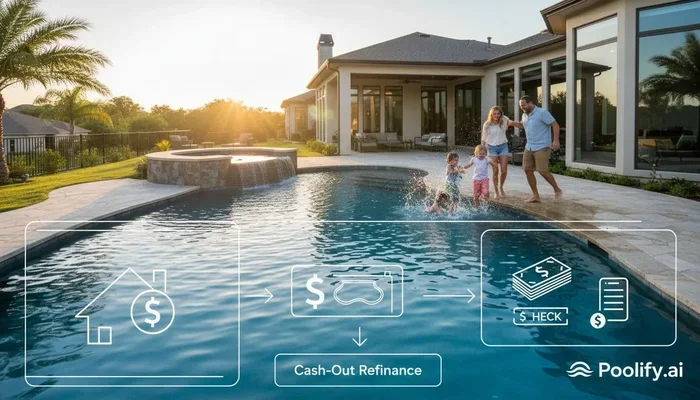
Can you add pool into mortgage? Yes, it is possible through refinancing or specific home improvement loans. This strategy lets you spread the cost over time instead of paying cash upfront. However, you must weigh the interest rates and long-term equity impact carefully. Understanding the process helps you make smart financial choices for your backyard upgrade.
Can you add pool into mortgage? This is a common question for homeowners dreaming of a backyard oasis. A swimming pool brings fun and relaxation. It also adds beauty to your property. But the cost is high. Many people wonder if they can fold this expense into their home loan. It sounds convenient. You avoid a separate payment. You use your existing equity. But is it smart? Let us explore how this works.
Buying a home is a huge step. Adding a pool is another big step. When you combine them, you change your financial picture. You need to know the rules. Lenders have specific requirements. You also need to understand the risks. This guide will walk you through everything. We will look at refinancing options. We will compare loan types. We will discuss the pros and cons. By the end, you will know if this path fits your life.
Think about your goals. Do you want to stay in your home for years? Or do you plan to sell soon? Your timeline matters. A pool is a long-term investment. Financing it over thirty years might not make sense if you move in five. We will dig into these details. You deserve clear answers before you sign any papers. Let us start with the basics of mortgage financing for improvements.
Key Takeaways
- Refinancing is key: You often need to refinance your existing loan to bundle pool costs.
- Equity matters: Having significant home equity improves your chances of approval.
- Interest rates vary: Pool loans may have higher rates than primary mortgage debt.
- Total cost increases: Adding debt increases your monthly payment and total interest paid.
- Home value boost: A pool can increase property value, but not always dollar-for-dollar.
- Alternative loans exist: Personal loans or HELOCs are viable options outside refinancing.
- Budget carefully: Consider maintenance costs alongside the loan repayment.
📑 Table of Contents
Understanding Can You Add Pool Into Mortgage Options
The short answer is yes. You can often add pool costs to your mortgage. But you cannot just call your lender and ask to add it to your current payment. The process usually requires refinancing. This means you replace your old loan with a new one. The new loan amount includes the pool cost. This is called a cash-out refinance. You take out more money than you owe. You use the extra cash to build the pool.
This option works best if you have equity. Equity is the difference between what your home is worth and what you owe. If your home is worth $500,000 and you owe $300,000, you have $200,000 in equity. Lenders let you borrow against some of that equity. They usually allow up to eighty percent of the home value. This limit is called the loan-to-value ratio. Knowing your equity position is the first step.
Cash-Out Refinance Basics
A cash-out refinance changes your main mortgage. Your interest rate might change too. If rates are higher now than when you bought your home, you could pay more overall. You need to run the numbers. Sometimes the convenience is worth the extra cost. Sometimes it is not. You should compare the new rate with your old rate. This comparison helps you see the true cost.
You also need to consider closing costs. Refinancing costs money. You pay fees for appraisal, title search, and origination. These fees can add thousands to your loan. If you roll these fees into the loan, you pay interest on them too. This increases the total amount you repay. Always ask for a detailed closing disclosure. Read every line before you proceed.
Home Equity and Approval
Lenders look at your whole financial picture. They check your credit score. They look at your debt-to-income ratio. This ratio compares your monthly debt payments to your income. A high ratio can lead to rejection. Adding a pool payment increases your debt. You must show you can handle the new payment. Strong income and good credit help your case.
The pool itself must add value. Lenders want collateral. If you default, they want to sell the home and get their money back. A pool can increase market appeal. But it must be installed properly. Permits and inspections matter. Unpermitted work can hurt your loan application. Make sure your contractor follows all local laws. This protects your investment and your loan.
Exploring Financing Alternatives
Refinancing is not the only way. You have other choices. Sometimes a separate loan is better. This keeps your mortgage separate. You avoid changing your main interest rate. You also avoid closing costs on a big refinance. Let us look at these options. Each has pros and cons. You should pick the one that fits your budget.
Personal loans are one option. These are unsecured loans. You do not put your home at risk. But the interest rates are higher. Mortgage rates are usually lower than personal loan rates. You pay more over time with a personal loan. However, the process is fast. You get money quickly. This is good if you want to start building soon.
Home Equity Loan vs. HELOC
A home equity loan gives you a lump sum. You pay it back over a set term. The interest rate is usually fixed. This means your payment stays the same. It is predictable. A HELOC is different. HELOC stands for Home Equity Line of Credit. It works like a credit card. You can draw money as you need it. You only pay interest on what you use.
Both options use your home as collateral. This means lower rates than personal loans. But it also means risk. If you cannot pay, you could lose your home. You must be sure about your income stability. These loans are great for large projects. A pool is a large project. So these fit well. You just need to manage the repayment carefully.
Construction Loans
Some lenders offer construction loans. These are for building new things. They often convert to a mortgage later. This is common for new homes. It is less common for adding a pool to an existing home. But it exists. The funds are released in stages. The lender inspects the work before releasing more money. This protects the lender. It also ensures quality work for you.
This process takes more time. You need detailed plans. You need a licensed contractor. The paperwork is heavier. But it keeps the pool cost separate from your main balance initially. Then it merges later. This might be complex for a simple pool add-on. Most people find refinancing or home equity loans easier. But it is good to know all paths.
Comparing Costs and Rates
Money matters most here. You need to compare the total cost. A lower monthly payment might mean higher total interest. A higher payment might mean less interest over time. You need to look at the big picture. Let us compare the main methods. This table helps you see the differences clearly.
Comparison of Pool Financing Options
| Feature | Cash-Out Refinance | Home Equity Loan | Personal Loan |
|---|---|---|---|
| Interest Rate | Usually Lower | Moderate | Usually Higher |
| Closing Costs | High | Moderate | Low |
| Risk | Home is Collateral | Home is Collateral | No Collateral |
| Speed | Slow | Moderate | Fast |
| Tax Deductibility | Possible | Possible | No |
As you see, rates vary. Refinance often has the lowest rate. But the closing costs are high. You need to stay in the home long enough to break even. If you sell soon, the costs eat your savings. Personal loans are fast. But you pay more interest. Home equity loans sit in the middle. They balance cost and speed.
Tax Implications
Interest on home loans can be tax-deductible. This is a big benefit. The IRS allows deductions for home improvement debt. But rules change. You must use the money to improve the home. A pool counts as an improvement. You should talk to a tax pro. They can tell you what you qualify for. This deduction lowers your effective cost. It makes the loan cheaper in real terms.
You must itemize deductions to claim this. Many people take the standard deduction now. If you take the standard deduction, you cannot claim the interest. Check your tax situation. This affects your decision. Do not assume you get the break. Verify it first. Saving on taxes is nice. But do not count on it unless you are sure.
Impact on Home Value
Will a pool raise your home value? Often yes. But not always. It depends on where you live. In hot climates, pools are very desirable. Buyers expect them. In cold climates, pools are less useful. They might not add much value. You need to know your local market. A real estate agent can help. They know what buyers want in your area.
You should not buy a pool just for value. Buy it for enjoyment. If you love swimming, it is worth it. If you hate maintenance, it might be a burden. Some buyers see a pool as a liability. They worry about safety and cost. This can limit your buyer pool when you sell. Think about who will buy your home later.
Maintenance Costs
Building the pool is just the start. You must maintain it. Chemicals cost money. Electricity for pumps costs money. Repairs happen. You need a budget for this. Add this to your monthly loan payment. Can you afford both? If not, you might struggle. A pool is a lifestyle choice. It is not just a financial asset. Enjoyment matters too.
Insurance also changes. Your homeowner insurance might go up. Pools carry liability risk. You need extra coverage. This adds to your annual cost. Factor this into your total budget. Many people forget this step. They focus on the loan. Then they are surprised by the insurance bill. Plan for the whole picture.
Steps to Secure Financing
Ready to move forward? Here is a simple plan. Follow these steps to stay on track. First, check your credit. Fix any errors. Pay down small debts. This boosts your score. A better score gets better rates. Second, estimate your equity. Look at recent sales in your area. Use online tools for a rough idea. This tells you how much you can borrow.
Third, shop around. Do not use the first lender you find. Get quotes from three lenders. Compare rates and fees. Ask about closing costs. Ask about prepayment penalties. Some loans charge you for paying early. You want to avoid those. Fourth, get quotes for the pool. Know the exact cost. Lenders need this for the loan amount. Do not guess. Get written estimates from contractors.
Final Approval and Closing
Once you pick a lender, apply. Submit your documents fast. Delays happen if you are slow. The lender will order an appraisal. The appraiser checks the home value. They also look at the pool plans. If the value comes in low, it affects the loan. You might need to adjust the loan amount. Be ready for this possibility.
After approval, you review the closing disclosure. This document shows all final numbers. Check it against your quote. Make sure nothing changed. Then you sign the papers. The lender funds the loan. They pay off your old mortgage. They give you the cash for the pool. Then you start building. Keep all receipts. You might need them for taxes or resale.
Common Mistakes to Avoid
People make errors when financing pools. One big mistake is borrowing too much. Just because you can borrow does not mean you should. Keep your payment comfortable. Do not stretch your budget to the limit. Life happens. You might lose income. You need a safety margin. Borrow only what you need.
Another mistake is ignoring maintenance. As mentioned, pools cost money to keep. If you max out your loan for construction, you have no cash for upkeep. Leave room in your budget. Also, do not skip permits. Unpermitted pools cause problems later. They can stop a sale. They can void insurance. Always follow the rules. It saves trouble later.
Expert Insights
Financial advisors suggest caution. They say home equity is for safety too. If you use all your equity for a pool, you have less for emergencies. Think about your overall financial health. A pool is fun. But security is more important. Balance fun with safety. Maybe save more cash first. Or choose a smaller pool. You can always upgrade later.
Real estate experts say location matters. In some neighborhoods, pools are standard. In others, they are rare. Know your neighborhood. If everyone has a pool, you might fall behind without one. If no one has one, yours might stand out. Standing out can be good or bad. It depends on the buyer. Research your specific street. Local knowledge is powerful.
Key Takeaways
Financing a pool is a big decision. You have options. Refinancing works for some. Home equity loans work for others. Personal loans are fast but costly. You must weigh the rates. You must look at the total cost. Taxes might help you. Maintenance will cost you. Value might increase. But enjoyment is the real goal. Make sure you can afford the payments. Make sure you can afford the upkeep. Then you can relax in your new pool without worry.
Remember to shop around. Do not rush. Take your time to compare. Talk to professionals. Tax pros and real estate agents offer great advice. They see the big picture. You want to be happy with your choice. A pool should bring joy. It should not bring stress. Plan well. Execute carefully. Then enjoy your backyard oasis.
Frequently Asked Questions
Can I add a pool to my existing mortgage without refinancing?
Generally, no. You usually need to refinance your current loan to add the cost to the principal balance. Some lenders offer specific improvement loans, but bundling into the main mortgage typically requires a new loan agreement.
Does adding a pool increase my home value enough to cover the cost?
Not always. A pool might increase value by a portion of its cost. In warm climates, the return is higher. In cold areas, the return is lower. You should view it as a lifestyle expense, not just an investment.
What credit score do I need to finance a pool?
Most lenders prefer a score of 620 or higher for home equity products. For the best rates, a score above 740 is ideal. Check your score before applying to know where you stand.
Can I deduct the interest on a pool loan from my taxes?
Possibly. If the loan is secured by your home and used for improvement, the interest may be deductible. However, you must itemize deductions, and tax laws vary. Consult a tax professional for your specific situation.
How long does it take to get approved for a cash-out refinance?
The process usually takes 30 to 45 days. It depends on the lender and the complexity of your finances. Appraisal and underwriting steps cause most of the delay. Plan ahead if you have a construction timeline.
Is a HELOC better than a cash-out refinance for a pool?
It depends on your current mortgage rate. If your current rate is low, a HELOC keeps it intact. If your rate is high, refinancing might save money overall. Compare the total interest cost for both scenarios.