

Pretending to be friends with someone you love is a common but painful emotional tightrope. While it may seem like a safe compromise, it often leads to confusion, unresolved feelings, and long-term heartache. This article explores why people do it, the hidden costs, and how to move forward with honesty and self-respect.
Have you ever smiled through a text conversation, laughed at their jokes, and said “I’m fine” when asked how you’re doing—all while your heart quietly aches? You’re not alone. So many of us have been there: pretending to be friends with someone we’re actually in love with. It feels like a compromise, a way to stay in their world without scaring them off. Maybe they’ve moved on, started dating someone else, or made it clear they only see you as a friend. So you swallow your feelings, tone down your affection, and play the role of the “chill, no-pressure” buddy.
But here’s the truth: pretending to be friends with someone you love is rarely as harmless as it seems. It’s not just about hiding your emotions—it’s about living in a gray zone where your heart is still invested, but your actions say otherwise. You show up, you listen, you care… but you’re not being fully honest. And that disconnect? It takes a toll. Over time, the act of pretending can blur your sense of self, confuse your boundaries, and keep you stuck in emotional limbo. You’re not moving forward, and you’re not really present—either in the friendship or in your own life.
This isn’t about blaming yourself or judging your choices. Love doesn’t follow logic, and attachment doesn’t just switch off. But understanding why we fall into this pattern—and what it really costs us—can be the first step toward healing. Whether you’re currently in this situation or reflecting on a past experience, this article will help you unpack the emotions, recognize the red flags, and explore healthier ways to move forward. Because you deserve more than a role. You deserve real connection, honesty, and peace.
Key Takeaways
- It’s a common emotional shield: Many people pretend to be friends to stay close to someone they love, hoping feelings will fade or the relationship will evolve.
- It often prolongs pain: Maintaining friendship while harboring deeper feelings can delay healing and prevent emotional closure.
- Boundaries are essential: True friendship requires mutual respect and emotional safety—something hard to achieve when one person is in love.
- Honesty is healthier long-term: While difficult, being honest about your feelings (or stepping back) leads to clearer decisions and personal growth.
- Self-worth matters most: Staying in a pretend friendship can erode self-esteem; prioritizing your emotional well-being is crucial.
- There are better paths forward: Whether it’s taking space, redefining the relationship, or moving on, healthier alternatives exist.
- You deserve real connection: Pretending prevents authentic relationships—both with others and with yourself.
📑 Table of Contents
Why Do We Pretend to Be Friends with Someone We Love?
It’s easy to assume that pretending to be friends is a sign of weakness or lack of self-respect. But the reality is far more nuanced. Most people don’t do it to manipulate or deceive—they do it out of love, fear, or hope. Let’s break down the most common reasons.
Fear of Losing the Person Altogether
One of the biggest drivers is the fear of total loss. If you confess your feelings and they don’t reciprocate, you might worry the friendship will end. So you choose the safer path: stay in their life, even if it’s not the way you want. It’s like choosing a little pain over no contact at all. You tell yourself, “At least I still get to talk to them,” even if every conversation leaves you emotionally drained.
For example, imagine you’ve had feelings for your coworker for months. They start dating someone else, and you’re heartbroken. But you keep saying yes to lunch invites, group hangouts, and late-night chats. Why? Because the thought of cutting them off feels worse than the quiet ache of unrequited love. You’re clinging to the connection, even if it’s one-sided.
Hope That Feelings Will Change
Another powerful motivator is hope. You might believe that if you stay close, show your worth, and be patient, they’ll eventually see you differently. Maybe they’ll realize their current relationship isn’t working, or they’ll finally recognize what they’ve been missing. This hope can be comforting in the short term, but it’s also risky. It keeps you waiting for a future that may never come.
Think of Sarah, who stayed friends with her ex after their breakup. She told herself, “If I’m there for him, he’ll remember how good we were together.” But months passed, and he moved on—emotionally and romantically. Sarah was left wondering why she’d stayed in a role that offered no real payoff.
Guilt or a Sense of Duty
Sometimes, we pretend out of guilt. Maybe they’ve been through a hard time, and you feel responsible for their well-being. Or perhaps they’ve said things like, “I don’t know what I’d do without you,” making you feel like abandoning the friendship would be cruel. In these cases, love gets tangled with obligation. You’re not just protecting your heart—you’re trying to protect theirs, too.
This is especially common in long-term friendships that have deepened over time. You’ve shared secrets, supported each other through breakups, and built a bond that feels irreplaceable. Walking away feels like betrayal, even if staying hurts you.
Low Self-Worth or Fear of Rejection
Underneath many pretend friendships is a quiet belief: “I’m not worth more than this.” If you’ve been rejected before or struggle with self-doubt, you might accept a half-hearted connection because it’s better than nothing. You downplay your needs, suppress your emotions, and convince yourself that being their friend is enough.
This pattern often stems from past experiences—childhood dynamics, previous relationships, or societal messages that equate love with sacrifice. But over time, this mindset can erode your confidence and make it harder to advocate for yourself.
The Emotional Cost of Pretending

Visual guide about Pretending to Be Friends with Someone You Love
Image source: realestlove.com
At first, pretending might feel manageable. You’re still in their life, still sharing moments, still feeling connected. But over time, the emotional toll becomes harder to ignore. The act of hiding your true feelings isn’t just exhausting—it’s damaging.
Emotional Exhaustion and Confusion
Living a double life—where your words say one thing but your heart says another—is mentally draining. You’re constantly monitoring your reactions, editing your responses, and suppressing your emotions. Are you laughing too hard at their jokes? Are you texting too much? Are you coming across as “just a friend”?
This emotional labor adds up. You might feel tired, irritable, or emotionally numb. And because you’re not being authentic, you start to lose touch with your own feelings. You forget what you really want, what you truly need, and who you are outside of this dynamic.
Stalled Healing and Emotional Stagnation
When you’re in love with someone who doesn’t love you back, healing requires space. You need time to grieve, reflect, and rebuild your sense of self. But pretending to be friends keeps you emotionally entangled. Every interaction—every text, every shared memory—reopens the wound.
Instead of moving on, you’re stuck in a loop. You might replay conversations in your head, analyze their tone, or wonder if they’ll ever change their mind. This prevents closure and keeps you emotionally dependent on their presence.
Erosion of Self-Worth
The longer you stay in a pretend friendship, the more you internalize the message: “I’m not enough for them to love me.” Even if you don’t say it out loud, your actions reinforce it. You’re choosing a role that doesn’t honor your feelings, and that sends a powerful message to your subconscious.
Over time, this can lead to self-doubt, anxiety, and a diminished sense of self. You might start questioning your worth in other areas of life—your career, your friendships, your ability to attract love. The pretend friendship becomes a symbol of your perceived inadequacy.
Confusion in the Relationship
Pretending also creates confusion for the other person. They might not realize how deeply you feel, or they might sense your emotional distance but misinterpret it as disinterest. This can lead to mixed signals, misunderstandings, and even unintentional hurt.
For example, if you pull back because you’re hurting, they might think you’re mad at them. Or if you’re overly supportive, they might assume you’re truly “just friends” and never consider a deeper connection. The lack of honesty creates a fog that benefits no one.
Signs You’re Pretending to Be Friends
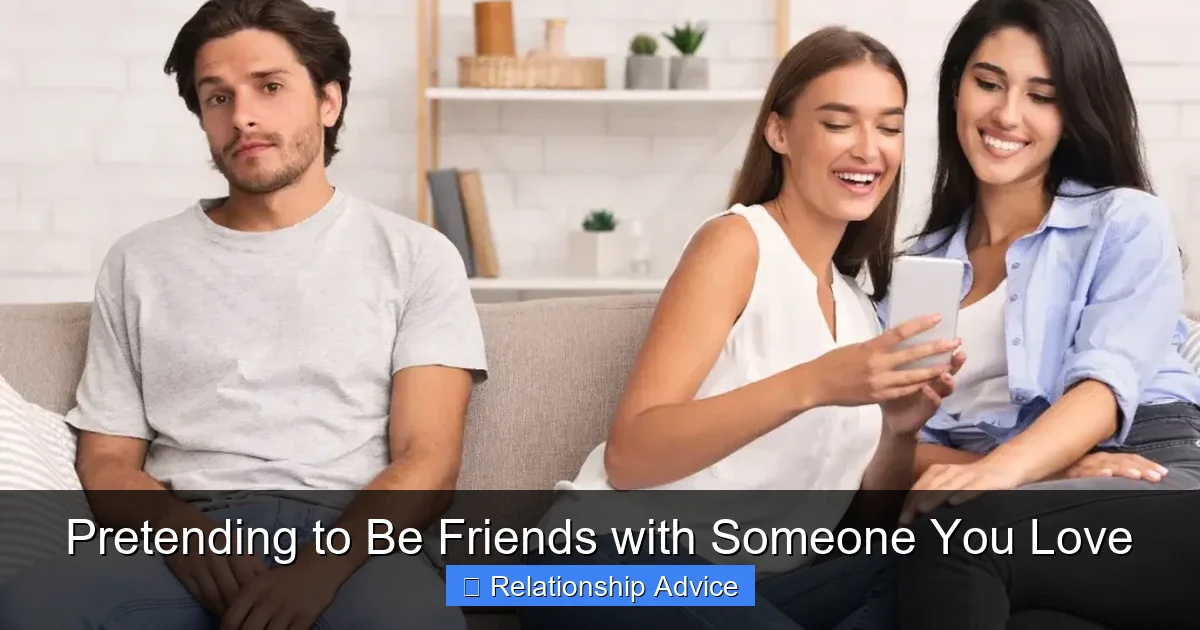
Visual guide about Pretending to Be Friends with Someone You Love
Image source: realestlove.com
How do you know if you’re in a pretend friendship? Sometimes it’s obvious—you’re clearly in love and hiding it. Other times, it’s more subtle. Here are some common signs to watch for:
You Feel Drained After Interacting
If every conversation leaves you emotionally exhausted, it’s a red flag. Real friendships should feel supportive and uplifting, not like emotional marathons. If you need to “recover” after seeing them, it’s likely because you’re suppressing your true feelings.
You’re Constantly Analyzing Their Behavior
Do you find yourself overanalyzing their texts, tone, or body language? Are you looking for hidden meanings or signs that they might feel the same way? This hyper-vigilance is a sign that your heart is still invested, even if your mind is trying to play it cool.
You Avoid Talking About Your Feelings
In a healthy friendship, you can be open about your emotions. But in a pretend friendship, you avoid vulnerability. You change the subject when love comes up, laugh off serious topics, or pretend everything is fine when it’s not. This avoidance protects you in the short term but prevents real connection.
You’re Holding Onto Hope
If you’re still hoping they’ll change their mind, fall out of love with their partner, or suddenly realize they’ve been in love with you all along, you’re not truly accepting the situation. Hope isn’t inherently bad, but when it keeps you stuck, it becomes a barrier to healing.
You Feel Jealous or Resentful
Jealousy is natural, but constant resentment—toward them, their partner, or yourself—is a sign that something’s off. If you feel bitter when they talk about their love life or guilty for feeling that way, it’s time to examine your role in the dynamic.
You’re Not Living Your Life Fully
When you’re pretending to be friends with someone you love, it’s easy to put your own life on hold. You might avoid dating, delay personal goals, or stay in situations that don’t serve you—all because you’re waiting for something that may never happen. This is a major sign that the pretend friendship is holding you back.
How to Move Forward: Healthier Alternatives
Visual guide about Pretending to Be Friends with Someone You Love
Image source: farm8.staticflickr.com
If you recognize yourself in these patterns, know this: you have options. Pretending doesn’t have to be your only path. There are healthier, more honest ways to handle unrequited love—ways that honor both your feelings and your well-being.
Take Space to Heal
One of the most effective steps is to create distance. This doesn’t mean cutting them off forever (unless that’s what you need), but it does mean stepping back temporarily. Reduce contact, avoid one-on-one hangouts, and give yourself time to process your emotions.
Space allows you to gain perspective. You’ll start to see the relationship more clearly, without the fog of hope and fear. And as you heal, you’ll rebuild your sense of self—something that’s often lost in pretend friendships.
Be Honest—With Yourself and Them
Honesty is scary, but it’s also liberating. You don’t have to declare your love in a dramatic way. But you can acknowledge your feelings, either to yourself in a journal or, if you feel safe, to them in a calm, respectful conversation.
For example, you might say:
“I’ve realized I have deeper feelings for you than just friendship. I care about you a lot, and it’s been hard to stay close while feeling this way. I need to take some space to figure things out.”
This doesn’t guarantee a romantic outcome, but it does create clarity. And clarity is the foundation of healthy relationships—whether they’re romantic or platonic.
Redefine the Relationship
Sometimes, after space and reflection, a new kind of friendship can emerge—one that’s honest, balanced, and free of hidden agendas. But this only works if both people are on the same page and your feelings have truly shifted.
If you’re still in love, a true friendship may not be possible—at least not right now. And that’s okay. Some connections are meant to evolve, while others are meant to end. The key is to honor your truth, not force a role that doesn’t fit.
Focus on Self-Growth
Use this experience as a catalyst for personal growth. Explore why you stayed in the pretend friendship. Was it fear? Low self-worth? A need for validation? Therapy, journaling, or talking to a trusted friend can help you unpack these patterns.
As you grow, you’ll become more confident in your worth and clearer about what you want in love. And when you’re ready, you’ll attract relationships that are authentic, mutual, and fulfilling.
Open Yourself to New Connections
One of the best ways to move on is to open your heart to new people. This doesn’t mean rushing into a relationship, but it does mean being open to meeting others, going on dates, and exploring connections that align with your values and desires.
New relationships can remind you that love doesn’t have to be painful or one-sided. They can show you what mutual care, respect, and attraction feel like—and help you let go of the past.
The Power of Letting Go
Letting go of someone you love is one of the hardest things you’ll ever do. It feels like losing a part of yourself. But here’s what I’ve learned: letting go isn’t about forgetting or erasing the person from your life. It’s about releasing the idea of what could have been and making space for what is—and what could be.
When you stop pretending, you stop living in a fantasy. You stop waiting for a future that may never come. And in that space, something beautiful can grow: peace. Clarity. Self-respect. You begin to see that your worth isn’t tied to their love. You are enough—just as you are.
And when you’re truly at peace with yourself, you become magnetic. You attract relationships that are real, reciprocal, and rooted in mutual care. You stop settling for crumbs and start demanding the feast.
Pretending to be friends with someone you love might feel like love, but it’s really a form of self-betrayal. True love—for others and for yourself—requires honesty, courage, and the willingness to let go when necessary.
So if you’re in this situation, take a deep breath. You’re not weak for feeling this way. You’re human. But you’re also strong enough to choose a path that honors your heart. Whether that means stepping back, speaking up, or walking away, know that every step you take toward honesty is a step toward freedom.
You deserve a love that doesn’t require you to pretend. You deserve a connection that sees you, values you, and loves you—exactly as you are.
Frequently Asked Questions
Is it ever okay to pretend to be friends with someone you love?
It can be a temporary step if you need time to process your feelings, but long-term pretending often leads to emotional harm. Honesty and space are usually healthier paths.
How do I stop loving someone who only sees me as a friend?
Focus on creating distance, redirecting your energy to self-care and new interests, and reminding yourself of your worth. Time and emotional detachment help feelings fade.
What if they find out I’ve been pretending?
They might feel confused or hurt, but honesty—when shared respectfully—can lead to clarity. It’s better than living a lie that harms both of you.
Can a pretend friendship ever turn into a real relationship?
It’s possible, but rare. More often, the imbalance in feelings prevents genuine connection. If it does happen, both people must be fully aware and willing to rebuild trust.
How do I know if I’m ready to be truly friends with them?
You’re ready when your feelings have shifted, you can interact without jealousy or hope, and the friendship feels balanced and mutually respectful.
Should I tell them how I feel?
Only if you’re prepared for any outcome. If it’s for closure or honesty, it can be helpful. But if you’re hoping to change their mind, it may prolong pain.
