
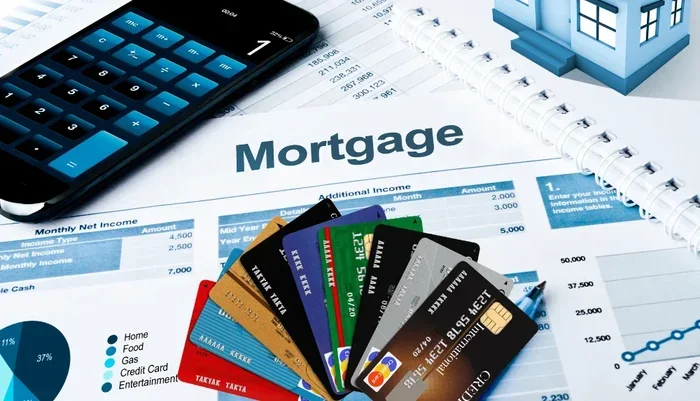
Most lenders do not accept American Express for direct mortgage payments due to high processing fees and policy restrictions. While some third-party services exist, they often charge extra costs that outweigh the benefits. Understanding your payment alternatives helps you avoid penalties and keep your home loan on track.
Key Takeaways
- Direct payments are rare: Most mortgage servicers do not accept Amex due to high merchant fees.
- Third-party services exist: You can use bill pay platforms, but expect convenience fees around 2-3%.
- Cash advances are costly: Using Amex for cash withdrawals to pay your mortgage triggers high interest and fees.
- Credit utilization matters: Paying a large mortgage amount with a credit card can spike your utilization ratio.
- Rewards may not offset costs: Amex points rarely cover the extra fees charged for mortgage payments.
- Check your servicer first: Always confirm accepted payment methods before setting up auto-pay.
- Explore better alternatives: Bank transfers, auto-debit, and budgeting apps often offer safer, lower-cost options.
📑 Table of Contents
- Can You Pay Mortgage With Amex Find Out Now
- Why Most Lenders Reject Amex for Mortgage Payments
- Third-Party Services That Claim to Accept Amex
- The Cash Advance Trap
- Can You Pay Mortgage With Amex for Rewards?
- Safer Alternatives to Pay Your Mortgage
- Expert Insights on Using Credit Cards for Housing Costs
- Final Thoughts on Can You Pay Mortgage With Amex
Can You Pay Mortgage With Amex Find Out Now
Many homeowners wonder can you pay mortgage with Amex when they want to maximize rewards or simplify their monthly bills. The short answer is usually no. Most mortgage lenders and loan servicers do not accept American Express as a direct payment method. This restriction comes down to processing costs, risk management, and standard industry practices. Credit card networks charge merchants higher transaction fees, and mortgage companies prefer lower-cost options like bank transfers or debit cards. Understanding why this limitation exists helps you make smarter financial choices and avoid unnecessary fees.
If you are trying to streamline your finances or earn points on a large monthly expense, you need to know your actual options. Some third-party bill pay services claim to accept credit cards for mortgage payments, but they often add convenience charges that eat into any rewards you might earn. Other methods, like cash advances, carry steep interest rates and immediate fees. Reading the fine print and comparing costs will save you money in the long run. Let us walk through what really happens when you try to use Amex for your home loan.
Why Most Lenders Reject Amex for Mortgage Payments
Mortgage servicers operate on thin margins when it comes to payment processing. They rely on automated systems that favor direct bank withdrawals, checks, and sometimes debit cards. American Express runs on a different network than Visa or Mastercard, and many payment processors do not support it for large recurring bills. Beyond technical limits, lenders avoid credit card payments because of the high interchange fees. These fees can range from two to three percent, which adds up quickly on a monthly housing payment.
Another factor is risk management. Credit card payments can be reversed through chargebacks, while bank transfers are final. Mortgage companies want certainty when collecting principal and interest. They also want to avoid encouraging borrowers to take on more debt to cover housing costs. For these reasons, most loan agreements explicitly state which payment methods are allowed. If you check your servicer handbook, you will likely see that Amex is not listed.
Processing Fees and Network Limitations
Payment processors charge merchants based on card type, transaction size, and risk level. American Express historically charges higher merchant rates than some competing networks. Mortgage servicers pass these costs along or simply refuse the card to keep operations lean. Even when a processor technically supports Amex, the servicer may block it to protect their bottom line. This is why you often see options for bank accounts and debit cards, but not for credit cards.
Loan Agreement Restrictions
Your mortgage contract outlines acceptable payment methods. These terms protect both you and the lender. If the agreement says payments must come from a bank account or approved debit card, using Amex would violate those terms. Some servicers allow credit card payments through specific portals, but they usually exclude Amex. Always review your payment guidelines before assuming a card will work.
Third-Party Services That Claim to Accept Amex
If you search online, you will find bill pay platforms and payment intermediaries that say they can process mortgage payments with a credit card. These services act as middlemen. You pay them with your Amex, and they send a check or bank transfer to your loan servicer. The convenience sounds appealing, especially if you want to consolidate bills or earn card rewards. However, the costs often outweigh the benefits.
These platforms typically charge a convenience fee plus a processing percentage. On a large monthly mortgage payment, even a small percentage becomes a significant amount. You might earn points or cash back on your Amex, but the fee usually exceeds the reward value. Before using any service, calculate the total cost and compare it to the rewards you would earn. If the math does not work, the service is not worth it.
Convenience Fees and Hidden Costs
Most third-party bill pay services list their fees clearly, but some add extra charges for expedited processing or verification. You may also face limits on how much you can pay each month. If your mortgage payment is high, you might need multiple transactions, each with its own fee. Read the terms carefully and ask about all charges before linking your card.
When It Might Make Sense
There are rare situations where using a middleman service could help. For example, if you are temporarily short on cash and need a few extra days to cover your payment, a credit card might bridge the gap. In that case, the fee is a short-term cost for avoiding a late penalty. This strategy only works if you pay the card balance quickly and avoid interest. Otherwise, the debt grows faster than the fee saves you.
The Cash Advance Trap
Some people consider using Amex to get a cash advance, then using that cash to pay the mortgage. This approach is risky and expensive. Cash advances usually carry a higher interest rate than regular purchases, and interest starts accruing immediately. There is often no grace period. You also pay a cash advance fee, which is typically a percentage of the withdrawal amount or a flat minimum charge.
If you withdraw enough to cover your mortgage, the balance on your card jumps significantly. High balances increase your credit utilization, which can lower your credit score. If you carry that balance month to month, interest compounds quickly. What seemed like a quick fix can turn into a long-term debt problem. This method is rarely a smart financial move.
Immediate Interest and Fees
Unlike purchases, cash advances do not wait until the billing cycle ends to start charging interest. The clock starts the moment you take the cash. If you cannot pay the balance in full right away, you will owe interest on the entire advance. Add the upfront fee, and the cost rises fast. Compare this to standard mortgage payment methods, which usually have no extra charges.
Impact on Credit Utilization
Credit scoring models look at how much of your available credit you are using. A large cash advance pushes your utilization up, sometimes well above recommended levels. High utilization can temporarily reduce your credit score. If you plan to apply for other loans or refinance soon, this dip could matter. Keeping your card balances low is generally better for your credit health.
Can You Pay Mortgage With Amex for Rewards?
Many cardholders ask can you pay mortgage with Amex because they want to earn points, miles, or cash back on a big monthly expense. The idea is simple: put the mortgage on the card, collect rewards, and pay the card off in full. In theory, this sounds clever. In practice, the math usually does not work. The fees from third-party services or cash advances typically exceed the value of the rewards.
Even if a service accepts Amex, you need to compare the reward rate against the total cost. For example, if your card earns one percent cash back but the service charges two percent, you lose money. Some premium cards offer higher rewards on specific categories, but mortgage payments rarely qualify as bonus spending. Unless you find a truly fee-free method, chasing rewards on your mortgage is not worth it.
Reward Rates Versus Processing Costs
Calculate the real return before you try. Take your mortgage payment amount, multiply it by the service fee percentage, and compare that to the rewards you would earn. Include any flat fees as well. If the total cost is higher than the reward value, skip it. You are better off using a no-fee payment method and saving your card rewards for everyday purchases that actually earn bonuses.
Better Ways to Maximize Amex Benefits
Instead of forcing your mortgage onto your card, use Amex for expenses that naturally fit its reward structure. Groceries, gas, dining, and travel often earn higher rates. Pay those bills with your card, then pay the balance in full each month. This approach builds rewards without extra fees. You can also use your card for planned purchases and track your spending with a budgeting app. Smart category use beats forcing a mortgage payment onto a card that does not support it well.
Safer Alternatives to Pay Your Mortgage
You have several reliable ways to pay your mortgage without wrestling with card restrictions. Direct bank transfers are the most common. They move money from your checking account straight to your loan servicer. Many lenders also offer auto-debit, which schedules the payment automatically each month. This reduces the chance of late fees and simplifies your routine. Some servicers accept debit cards through their payment portals, which can be useful if you want card-like convenience without credit card fees.
Budgeting tools can help you plan ahead. Set aside money each paycheck for housing, then schedule the payment when funds are ready. If you prefer manual control, set calendar reminders and keep a buffer in your account. A small cushion protects you from timing issues or unexpected delays. The goal is consistency, not complexity.
Auto-Debit and Bank Transfers
Auto-debit is one of the safest payment methods for homeowners. You authorize the servicer to pull the payment from your bank account on a set date. This reduces missed payments and often qualifies you for a small interest rate discount with some lenders. Bank transfers work similarly, but you initiate them manually. Both options avoid credit card fees and keep your housing costs separate from your card balances.
Budgeting and Payment Timing
Plan your mortgage payment around your pay schedule. If you get paid twice a month, split your housing fund accordingly. Keep a small reserve in your checking account to cover timing gaps. If your servicer offers a grace period, use it wisely, but do not rely on it as a habit. Consistent on-time payments protect your credit and keep your loan in good standing. When you need flexibility, look into payment date changes with your servicer instead of using high-cost card workarounds.
Expert Insights on Using Credit Cards for Housing Costs
Financial experts generally advise against using credit cards for mortgage payments unless you have a clear, fee-free path and a plan to pay the balance immediately. The main concern is debt stacking. Adding a large housing charge to a credit card can strain your budget if income shifts or unexpected expenses arise. Experts also warn about behavioral risks. When people use cards for big bills, they may feel less connected to the actual cost, which can lead to overspending in other areas.
A better mindset is to treat your mortgage as a fixed priority, not a rewards opportunity. Automate what you can, track your housing budget, and keep an emergency fund for surprises. If you want to use Amex strategically, focus on categories that earn real value and pay those balances in full. This keeps your credit healthy and your housing costs predictable.
Common Mistakes to Avoid
- Assuming all bill pay services are fee-free
- Using cash advances without calculating interest costs
- Ignoring your card utilization ratio after a large payment
- Relying on grace periods instead of steady auto-pay
- Chasing rewards that cost more than they return
Quick Tips for Smoother Payments
- Confirm your servicer accepted payment methods each year
- Set up auto-debit if your lender offers a rate discount
- Keep a small buffer in your checking account
- Review your mortgage statement for fee changes
- Use Amex for bonus categories, not housing
Final Thoughts on Can You Pay Mortgage With Amex
So, can you pay mortgage with Amex in a practical, cost-effective way? For most homeowners, the answer is no. Lenders rarely accept Amex directly, and third-party workarounds usually charge fees that erase any rewards. Cash advances add high interest and immediate costs. The smarter path is to use bank transfers, auto-debit, or approved debit options that keep your housing payments clean and affordable. If you want to maximize your Amex, focus on everyday spending categories that genuinely earn value, and pay those balances in full each month.
Keeping your mortgage payment simple protects your budget and your credit. It also reduces stress when life gets busy. Review your servicer options, set up reliable automation, and build a small cushion for timing issues. When you treat your home loan as a fixed priority, you free up mental space for the rest of your financial goals. If you ever wonder whether a card payment makes sense, run the numbers first. In most cases, the straightforward route wins.
Frequently Asked Questions
Can I pay my mortgage directly with an American Express card?
Most mortgage servicers do not accept American Express for direct payments due to high processing fees and network limitations. Always check your loan servicer guidelines before attempting a card payment.
Do third-party bill pay services charge extra for using Amex?
Yes, many intermediaries charge a convenience fee plus a processing percentage, which can total two to three percent or more. Calculate the total cost before linking your card to avoid losing money.
Is a cash advance on Amex a good way to cover my mortgage?
No, cash advances usually carry higher interest, immediate accrual, and upfront fees. This method often costs more than it saves and can hurt your credit utilization.
Will paying my mortgage with Amex help me earn more rewards?
Usually not, because the fees from workarounds typically exceed the reward value. It is better to use Amex for bonus categories that naturally earn higher returns.
Can using a credit card for my mortgage hurt my credit score?
It can, especially if a large payment spikes your credit utilization or if you carry a high balance month to month. Keeping card balances low is generally better for your score.
What is the safest way to pay my mortgage each month?
Auto-debit from a checking account or scheduled bank transfers are the safest options. They avoid card fees, reduce late payment risk, and some lenders even offer a small rate discount.
