
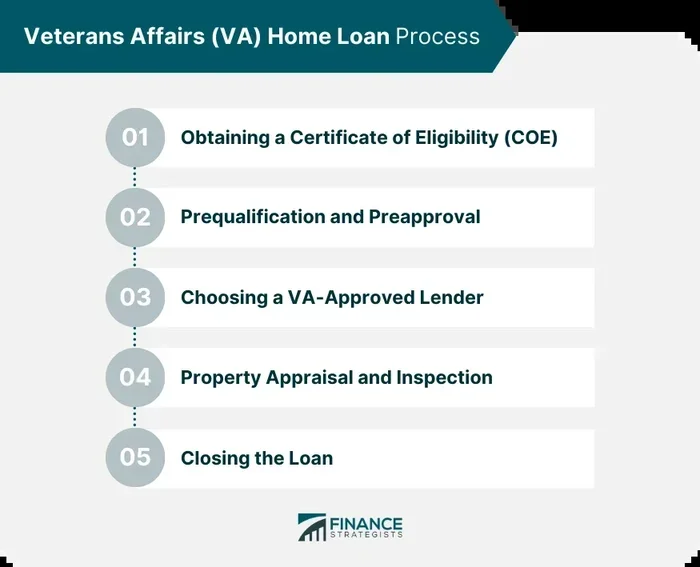
Yes, you can have 2 VA mortgages at the same time, but you must meet specific VA loan eligibility rules and lender requirements. Your remaining entitlement must cover the new loan, and the second property usually needs to be a primary residence or meet special occupancy rules. Understanding how entitlement works, how lenders view second VA loans, and what paperwork you need will help you move forward with confidence.
Many veterans and service members ask the same question when they are ready to move or buy again: can you have 2 VA mortgages at the same time? The short answer is yes, but the full answer depends on your entitlement, your occupancy plans, and the lender you choose. A VA loan is a powerful benefit, and it is not limited to a single use for eligible borrowers. Still, using it twice at once brings extra steps and important rules.
This guide breaks the topic into simple parts. You will learn how VA entitlement works, what lenders usually look for, and how occupancy rules can affect a second VA loan. You will also see common situations where two VA mortgages may make sense, along with practical tips to help you prepare. If you are weighing a move, a relocation, or another home purchase, this information can help you decide your next step with more confidence.
Key Takeaways
- Entitlement matters most: Your remaining VA loan entitlement determines whether you can secure a second VA mortgage without a down payment.
- Occupancy rules apply: Most VA loans require the home to be your primary residence, but exceptions exist for relocating service members and certain second-home scenarios.
- Lenders set their own rules: Even if the VA allows a second loan, individual lenders may require higher credit scores, lower debt-to-income ratios, or larger reserves.
- You can reuse your benefit: The VA loan benefit is not a one-time use; eligible veterans and service members can use it more than once.
- Down payments may be needed: If your remaining entitlement does not cover the full loan amount, you may need to make a down payment on the second property.
- Two VA loans can serve different goals: Some buyers use a second VA loan for a new primary home, while others explore investment or rental properties under specific conditions.
- Talk to a VA-savvy lender early: A lender experienced with VA loans can help you estimate entitlement, review occupancy options, and compare costs before you apply.
📑 Table of Contents
How VA Loan Entitlement Affects a Second Mortgage
The biggest factor in any VA loan is entitlement. Entitlement is the amount the VA promises to guarantee to your lender if you default. That guarantee helps lenders offer favorable terms to eligible borrowers. When people ask can you have 2 VA mortgages at the same time, they are often really asking whether they have enough remaining entitlement for another loan.
Full Entitlement and Remaining Entitlement
If you have never used your VA loan benefit, you likely have full entitlement. That usually gives you more flexibility. If you already used part of your benefit, you may still have remaining entitlement. The key is whether that remaining amount is enough to support the new loan you want. In many cases, borrowers can still get a second VA loan, but the numbers matter.
Here is a simple way to think about it:
- Full entitlement: You have not used your VA loan benefit, or your prior loan is paid off and the entitlement has been restored.
- Remaining entitlement: You still have an active VA loan, or you used part of your benefit and want to buy again before the first loan is closed or released.
- Entitlement shortfall: The new loan amount may exceed your remaining guarantee, which can mean a down payment or other adjustments.
When a Down Payment May Be Required
A second VA mortgage may not always be fully covered by your remaining entitlement. If the loan amount is larger than the guarantee available to you, the lender may ask for a down payment. This does not mean the VA loan benefit is gone. It means the loan may need extra collateral in the form of cash upfront. For some buyers, that is still a strong option compared with conventional financing.
A practical example: if your first VA loan is still active and you want to buy another home before selling it, your remaining entitlement may be reduced. That can affect how much you can borrow without a down payment. A lender can run the numbers and show you the exact impact before you apply.
Restoring or reusing Entitlement
In some situations, borrowers can restore entitlement after selling a home or paying off a prior VA loan. That restored entitlement may then be used again. This is one reason people sometimes believe the VA loan benefit is “used up” after one purchase. In reality, the benefit can often be reused when the prior loan is no longer active or the entitlement is restored through the proper process.
If you are wondering can you have 2 VA mortgages at the same time because you plan to keep your current home, the answer may still be yes, but your entitlement and occupancy plans become even more important. A VA-savvy lender can help you understand whether your current loan affects the new one.
Occupancy Rules and Why They Matter
VA loans are designed to help borrowers purchase a home they will live in. That means occupancy is a central part of the approval process. When borrowers ask can you have 2 VA mortgages at the same time, occupancy is often the second biggest question after entitlement. Lenders need to know where you will live and why you are buying more than one property.
Primary Residence Expectations
For most VA loans, the home must be used as your primary residence. That usually means you intend to live there within a reasonable time after closing and continue using it as your main home. This rule helps keep the program aligned with its purpose of supporting service members and veterans in obtaining safe, affordable housing.
If you already own a home with a VA loan and want another VA loan, the lender may ask how you will occupy the new property. If the new home will be your primary residence and the old one will be rented or sold later, the situation may still be workable. The details matter, and the lender will review your plan closely.
Common Occupancy Scenarios
There are several situations where a second VA loan may come up:
- Relocation: A service member or veteran moves for work and needs a new primary home while keeping the old one for a time.
- Growing family: A buyer outgrows a current home and wants a new primary residence before selling the previous one.
- Distance moves: A borrower purchases a home in a new city and plans to live there while the prior property is prepared for sale or rental.
- Multi-property transitions: A homeowner needs time to sell one home while securing another, which can create a temporary overlap.
Rental Plans and Second Properties
Some borrowers hope to keep the first home and rent it out after buying a second one. That can be possible in some cases, but it depends on the loan terms, occupancy intentions, and lender guidelines. A rental plan does not automatically disqualify a second VA loan, but it does require careful documentation and a clear explanation of your intent.
If the second home is not intended as your primary residence, the loan may not qualify under standard VA occupancy rules. That is why it helps to be direct with your lender about your plans from the start. Honest, early conversations can save time and prevent surprises later.
Lender Requirements and Underwriting Factors
Even when the VA allows a second loan, the lender still has to approve it. That is where many borrowers run into additional requirements. Lenders look at the full financial picture, not just VA eligibility. If you are exploring can you have 2 VA mortgages at the same time, expect the underwriting review to be thorough.
Credit and Income Review
Lenders usually evaluate credit history, income stability, and debt-to-income ratio. A second mortgage can increase your monthly obligations, so lenders will check whether your income can support both payments comfortably. They may also review reserves, which are funds left over after closing. Strong reserves can help show that you can handle the new loan and any unexpected costs.
Debt-to-Income and Monthly Payment Considerations
Your debt-to-income ratio is a major factor. Adding a second mortgage may raise that ratio, especially if the first home is still carrying a payment. Lenders may look at the combined impact of both loans, along with other debts such as car payments, credit cards, and student loans. If the numbers are tight, you may need to adjust the loan amount, reduce other debts, or delay the purchase until your finances are stronger.
Reserves, Assets, and Documentation
Some lenders want to see cash reserves after closing. This is especially common when a borrower already has one mortgage and is taking on another. Reserves can help demonstrate financial stability. You may also need to provide documentation such as pay stubs, tax returns, bank statements, and details about the first property. The more organized you are, the smoother the process tends to be.
Why Lender Guidelines Can Vary
Not all lenders apply the same standards. Some are more comfortable with second VA loans, while others are stricter. That means one lender may say yes while another says no, even if your VA eligibility is the same. Shopping with a lender who understands VA loans can make a real difference. They can explain how they interpret entitlement, occupancy, and risk for your specific situation.
When Two VA Mortgages May Make Sense
There are several realistic situations where a borrower may consider two VA mortgages. The key is whether the scenario fits VA rules and your personal finances. If you are asking can you have 2 VA mortgages at the same time because you have a specific goal in mind, it helps to match that goal with the right loan structure.
Buying a New Primary Home Before Selling the Old One
This is one of the most common reasons for a second VA loan. Life does not always line up perfectly. You may find a new home before your current one sells, or you may need to move quickly for work or family reasons. In that case, a second VA loan can help you secure the new primary residence while you manage the sale of the first home.
This approach can work well when you have enough entitlement and the lender is comfortable with your plan. It can also reduce stress because you do not have to rush into a contract on the new home before it is ready. Still, you should plan for the possibility of carrying two payments for a while.
Job Relocation and Military Moves
Relocation is another common reason. Service members may need to move to a new duty station and buy a home there while their previous home is still part of their finances. In those cases, the VA loan program is often used because it can offer flexible terms and strong borrowing options for eligible borrowers. The move itself may help support the occupancy case for the new home.
Keeping a First Home as a Rental or Future Property
Some buyers want to keep their current home and turn it into a rental or hold it for future use. This can be appealing if the property has good long-term value or if the market is not ideal for selling. While this path is not right for everyone, it can be possible in some situations if the loan and occupancy rules line up. The lender will want to understand your intent and how the property fits into your overall plan.
Weighing the Pros and Cons
Before moving forward, it helps to compare the benefits and challenges of carrying two VA-backed homes.
| Factor | Potential Advantage | Potential Challenge |
|---|---|---|
| Entitlement | You may still qualify if enough entitlement remains | Reduced entitlement may require a down payment |
| Occupancy | A clear primary-residence plan can support approval | Complex occupancy plans may require extra review |
| Payments | VA loan terms may remain favorable | Two payments can strain monthly cash flow |
| Flexibility | You may buy again without selling immediately | Carrying both properties takes planning and reserves |
| Future options | You can keep the first home for sale or rental later | Rental or sale plans must fit loan expectations |
How to Prepare Before Applying for a Second VA Loan
Preparation makes a big difference. If you want to know can you have 2 VA mortgages at the same time and you are serious about moving forward, the best next step is to get organized. A little planning can help you understand your options and avoid delays.
Check Your Entitlement and Loan Status
Start by reviewing your current VA loan status. Know whether your first loan is active, paid off, or in the process of being released. Ask your lender or the appropriate VA resource how much entitlement you may have left. This gives you a clearer picture of what is possible before you start shopping for a new home.
Review Your Budget and Monthly Capacity
Look at your full budget, not just the new mortgage payment. Include taxes, insurance, maintenance, utilities, and any HOA fees. Then compare that with your income and other obligations. If you plan to keep both homes for a while, make sure you have room in your budget for two sets of housing costs. A realistic budget helps you choose a loan amount you can comfortably manage.
Gather Documentation Early
Collect the documents lenders usually request. That may include income records, bank statements, tax documents, and details about your current mortgage. If you already know your plan for the first home, write it down clearly. A simple explanation of your occupancy and sale or rental plans can help the lender understand your situation faster.
Work With a Lender Experienced in VA Loans
A lender who works with VA loans regularly can help you avoid common mistakes. They can explain how entitlement interacts with your new loan amount, what occupancy documentation they need, and whether your plan is realistic under their guidelines. This kind of guidance is especially useful when you are dealing with two properties at once.
Consider Timing and Exit Plans
Think through what happens after closing. Will you sell the first home soon? Will you rent it? Will you move into the new home right away? Having a clear exit plan can make the process smoother and reduce financial pressure. It also helps you answer lender questions with confidence.
Common Mistakes to Avoid
When borrowers ask can you have 2 VA mortgages at the same time, they sometimes assume the answer is either a simple yes or no. In reality, the details matter. Avoiding a few common mistakes can save you time, money, and frustration.
Assuming Entitlement Is Unlimited
One common mistake is thinking the VA loan benefit can cover any number of homes without limits. Entitlement is real and measurable. If you have already used part of it, that affects what you can do next. Always check your remaining entitlement before making assumptions.
Overlooking Occupancy Requirements
Another mistake is forgetting that VA loans are tied to occupancy. If your plan does not clearly support the required use of the home, the loan may not move forward as expected. Be honest about where you will live and how the properties fit your life.
Stretching the Budget Too Far
It is easy to focus on approval and forget about comfort. Two housing payments can add up quickly. If your budget is too tight, a second VA loan may create stress even if you qualify. Make sure the numbers work for your everyday life, not just for the lender’s paperwork.
Waiting Too Long to Talk to a Lender
Some buyers wait until they have found the perfect home before asking about financing. That can lead to surprises if entitlement or occupancy becomes an issue. It is better to start the conversation early so you know your options before you make an offer.
Ignoring Lender-Specific Rules
VA rules are one thing, but lender guidelines are another. A loan may be VA-eligible and still be difficult for a particular lender to approve if your financial profile is tight. Comparing lenders and asking direct questions can help you find a better fit.
Final Thoughts on Using Your VA Loan Benefit Twice
So, can you have 2 VA mortgages at the same time? In many cases, yes, if your entitlement supports it and your occupancy and financial profile align with lender requirements. The VA loan benefit is designed to be reusable for eligible borrowers, and that flexibility can be a major advantage when life changes. At the same time, carrying two homes is a serious financial commitment, so it helps to move carefully.
The best approach is simple: understand your entitlement, be clear about where you will live, and work with a lender who knows VA loans well. With the right preparation, you can make a smarter decision and use your benefit in a way that supports your next chapter. Whether you are relocating, upgrading, or planning a transition, a second VA mortgage may be a practical option worth exploring.
Frequently Asked Questions
Can you have 2 VA mortgages at the same time?
Yes, in many cases you can, as long as you have enough remaining VA entitlement and meet the lender’s requirements. The second loan must also fit VA occupancy rules and your financial profile.
Do you need a down payment for a second VA loan?
Not always, but you may need one if your remaining entitlement does not fully cover the new loan amount. A lender can calculate whether your current entitlement is enough or if a down payment is required.
Can you use a VA loan if you already have a VA mortgage?
Yes, eligible borrowers can often use a VA loan again even if they currently have one. The key is whether your remaining entitlement and occupancy plans support the new purchase.
What happens if you keep your first home and buy another with a VA loan?
You may still qualify, but the lender will review your occupancy intent and ability to manage both payments. Some plans may work if the new home will be your primary residence and the first home is sold or rented later.
Does the VA allow two VA loans for rental properties?
VA loans are generally tied to primary residence use, so a pure rental purchase may not qualify under standard occupancy rules. If you plan to rent a home, it is best to discuss the specifics with a VA-literate lender before applying.
How do lenders decide if you can handle a second VA mortgage?
They usually review your credit, income, debt-to-income ratio, reserves, and the status of your current VA loan. They also look at how the new home will be occupied and whether your budget can support both properties.
