
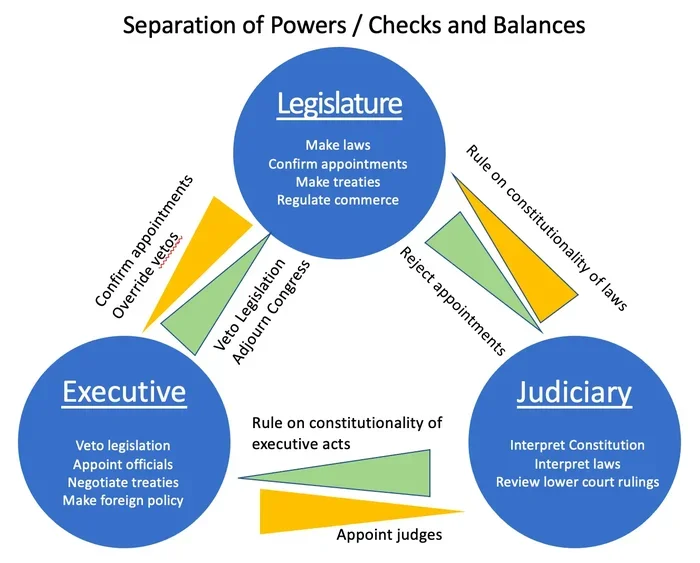
The separation of powers keeps government safe. It stops one group from having too much control. This system protects your rights and keeps leaders honest. Understanding why is the separation of powers important helps you see how democracy works for you.
Government power can be dangerous if left unchecked. History shows us what happens when one person or one group controls everything. They make unfair rules. They ignore the people. They take away freedom. That is why why is the separation of powers important matters so much today.
This idea divides government into different parts. Each part has its own job. Each part also watches the others. This system creates balance. It stops abuse before it starts. It gives citizens a voice. It keeps leaders within their limits.
You might wonder how this affects your daily life. The truth is simple. When power is split, your rights stay safer. Laws get reviewed. Actions get checked. Mistakes get caught early. This structure builds trust between people and their government.
Key Takeaways
- Prevents Tyranny: Dividing power stops any single branch from becoming too strong.
- Protects Liberty: Citizens gain safety when laws check government actions.
- Encourages Cooperation: Branches must work together to pass meaningful laws.
- Ensures Accountability: Each branch watches the others for mistakes or abuse.
- Promotes Fairness: Independent courts protect rights without political pressure.
- Limits Overreach: Clear boundaries keep leaders from exceeding their authority.
- Strengthens Democracy: Balanced power builds public trust in government systems.
📑 Table of Contents
- Understanding Why Is The Separation Of Powers Important
- How Checks And Balances Protect Citizens
- The Role Of Independent Courts
- Why Is The Separation Of Powers Important For Lawmaking
- Why Is The Separation Of Powers Important For Preventing Abuse
- Why Is The Separation Of Powers Important For Long Term Stability
- Final Thoughts On Why Is The Separation Of Powers Important
Understanding Why Is The Separation Of Powers Important
The separation of powers is a simple idea with a big impact. It means no single group runs everything. Instead, power gets shared. Different branches handle different tasks. This design protects people from harsh rule.
Think about a game with only one referee. That referee makes all the calls. They pick the rules. They decide who wins. That is not fair. Now think about a game with multiple referees. They watch each other. They correct mistakes. They keep the game honest. Government works the same way.
This system matters because power naturally grows. People in charge want more control. They want to make faster decisions. They want fewer limits. Without a strong structure, that desire turns into abuse. The separation of powers puts a fence around that power.
The Core Idea Behind Divided Government
Government gets split into main branches. One branch makes laws. One branch carries out laws. One branch reviews laws. Each branch has a clear role. Each branch also has limits. This clear design stops confusion. It also stops control from concentrating in one place.
This structure also helps people understand their government. When roles are clear, citizens know who does what. They know where to bring problems. They know who to ask for help. Clear roles build a stronger relationship between people and leaders.
Why Power Should Never Concentrate
Concentrated power creates many risks. Leaders can ignore the public. They can pass unfair laws. They can punish opponents. They can silence critics. These problems grow when no one checks the leader. A divided system stops this pattern. It forces leaders to answer to others.
Concentration also slows progress. One group may refuse to listen. It may reject good ideas. It may protect its own interests. A balanced system pushes leaders to cooperate. Cooperation creates better results for everyone.
How Checks And Balances Protect Citizens
Checks and balances work alongside the separation of powers. These checks allow each branch to limit the others. One branch can block a bad decision. One branch can review a unfair action. One branch can demand more clarity. These tools keep government honest.
This system helps everyday people in many ways. It protects free speech. It protects fair trials. It protects property rights. It protects privacy. When leaders know they will be checked, they think more carefully. They hesitate before crossing the line.
Examples Of Checks In Action
A law might look good at first. But another branch can study it. It can find problems. It can ask for changes. This process improves the final result. It also reduces rushed decisions. Rushed decisions often hurt regular people. Slow review prevents those mistakes.
Leaders also face limits when they try to act alone. They cannot ignore the law. They cannot bypass review. They cannot force unfair outcomes. Other branches can step in. This protection matters when leaders feel pressure to act fast. Fast action without review often causes damage.
Why Accountability Matters To You
Accountability means leaders answer for their choices. It means they cannot hide mistakes. It means they face review when they break rules. This idea keeps power humble. It reminds leaders that they serve the people. It also reminds people that they have a voice.
When accountability is strong, citizens feel safer. They trust the system more. They believe their rights will stay protected. They know someone will notice abuse. That knowledge changes how people live. It gives them confidence. It gives them peace.
The Role Of Independent Courts
Courts play a major part in this system. They review laws. They review actions. They protect rights. An independent court does not follow political pressure. It follows the law. That independence is essential. It keeps decisions fair.
People often forget how much courts protect daily life. A court can stop an unfair rule. A court can defend a person’s rights. A court can require leaders to follow the law. These actions protect the weak from the strong. They protect the many from the few.
Fair Judgments Without Political Pressure
Judges need space to make honest choices. They should not fear punishment for fair rulings. They should not chase popularity. They should not serve a political agenda. Independent courts give them that space. This freedom helps them focus on truth and law.
Fair judgments also build public trust. People accept outcomes more easily when they believe the process was fair. They may not always like the result. But they respect the system. That respect keeps society stable. It keeps conflict lower. It keeps peace stronger.
Why Is The Separation Of Powers Important For Lawmaking
Lawmaking works better when power is shared. One branch cannot force every idea through. Another branch can ask questions. Another branch can suggest improvements. This process creates stronger laws. It also creates laws that more people can support.
Good laws need careful thought. They need input from different voices. They need review from different angles. A divided system creates that review naturally. It slows down bad ideas. It speeds up good ones by making them more solid.
Better Laws Through Cooperation
Cooperation may feel slow sometimes. But slow can be good. Slow gives people time to study the problem. Slow gives leaders time to listen. Slow gives courts time to review. These steps reduce errors. Errors in law can hurt people for years.
Cooperation also encourages compromise. Leaders must find middle ground. They must respect different views. They must build ideas that work for more people. This habit creates a healthier government. It also creates a healthier society.
Why Is The Separation Of Powers Important For Preventing Abuse
Abuse grows in silence. It grows when no one watches. It grows when one branch controls everything. A divided system breaks that silence. It creates observers. It creates reviewers. It creates limits. These limits make abuse harder to hide.
This protection matters in many situations. It matters when leaders try to expand their power. It matters when leaders target opponents. It matters when leaders ignore the law. A strong system pushes back. It does not let one branch drift too far.
Early Warning Signs Of Power Overreach
Power overreach often starts small. A leader may stretch a rule. A branch may ignore a limit. A decision may skip review. These small steps can turn into big problems. A divided system notices those steps sooner. It reacts faster. It protects the line before it breaks.
Citizens also play a role here. They can watch for warning signs. They can ask questions. They can demand clarity. They can support institutions that protect balance. Public attention adds another layer of protection. It reminds leaders that people are watching.
How Healthy Boundaries Keep Democracy Strong
Healthy boundaries create stability. They tell leaders what they can do. They tell leaders what they cannot do. They give everyone a clear map. Clear maps reduce confusion. They reduce conflict. They reduce fear. A stable system helps people plan their lives with confidence.
Boundaries also protect future leaders. They set a standard. They show that power is temporary. They show that no one stays above the law. This mindset keeps democracy alive. It keeps the system open. It keeps the door clear for new voices.
Why Is The Separation Of Powers Important For Long Term Stability
Short term decisions can cause long term pain. A leader may want a quick win. A quick win may damage the system later. The separation of powers slows that damage. It forces longer thinking. It rewards careful planning. It protects the future from today’s impulses.
Stable systems also handle crisis better. When trouble comes, people need trusted institutions. They need clear rules. They need balanced power. These things reduce chaos. They help society recover faster. They help leaders act without destroying the system.
Building Trust Through Structure
Trust grows when people see balance. They see review. They see fairness. They see limits. Trust also grows when leaders respect those limits. A system with strong structure teaches people that rules matter. It teaches them that power has responsibility. It teaches them that no one is above the law.
Trust also helps communities work together. People cooperate more when they believe the system is fair. They follow laws more willingly. They support public institutions more strongly. That support keeps the whole country healthier.
Final Thoughts On Why Is The Separation Of Powers Important
The separation of powers is not just a political idea. It is a protection system. It protects people from abuse. It protects laws from rush. It protects courts from pressure. It protects the future from careless choices. That is why why is the separation of powers important remains such a vital question.
When power is divided, freedom has room to breathe. When power is checked, leaders stay accountable. When power is balanced, society grows stronger. This structure does not remove conflict. It manages conflict in a healthier way. It gives people a safer place to live, work, and speak.
You do not need to be a political expert to see the value. You only need to look at history. You only need to notice what happens when power goes unchecked. The answer becomes clear. Balanced power protects everyone. It keeps government honest. It keeps democracy alive.
Frequently Asked Questions
What does the separation of powers mean?
It means government power is divided into different branches. Each branch has its own role and limits. This division stops one group from controlling everything.
Why is the separation of powers important for freedom?
It protects freedom by limiting government control. When power is shared, leaders face more review. That review reduces the chance of unfair rule.
How do checks and balances support this system?
Checks and balances let each branch limit the others. One branch can block a bad action. One branch can review a questionable decision. This keeps power under control.
Can this system slow down government action?
Yes, it can slow things down sometimes. That slow pace can be helpful. It gives leaders time to review problems and avoid rushed mistakes.
What happens when power is not separated?
Power can concentrate in one place. That concentration can lead to abuse. It can also reduce accountability and weaken public trust.
How does this idea help everyday citizens?
It gives citizens more protection and more voice. It makes leaders answer for their actions. It also helps keep laws fair and courts independent.
