
If your mortgage payment went up because of escrow, you are not alone. Many homeowners see their monthly bills rise when property taxes or insurance premiums change. This guide explains why escrow payments increase, how lenders calculate these adjustments, and what steps you can take to handle the extra cost without stress.
Key Takeaways
- Escrow accounts collect funds for taxes and insurance: Your monthly mortgage payment often includes money set aside for property taxes and homeowners insurance.
- Tax reassessments can raise escrow costs: When local governments update property values, your tax bill may go up, which increases your escrow requirement.
- Insurance premium changes affect escrow: If your homeowners insurance rate rises, the lender adjusts the escrow amount to cover the new premium.
- Lenders perform annual escrow analysis: Once a year, your loan servicer reviews your account and sends a notice if your payment needs to change.
- Shortages and surpluses are common: A shortage means you owe more each month, while a surplus may result in a refund or reduced payment.
- You can request a review if errors occur: If your tax bill or insurance quote seems wrong, you can provide proof to your lender and ask for a correction.
- Budgeting for escrow changes helps avoid surprises: Setting aside extra money each month can make it easier to handle payment increases when they happen.
📑 Table of Contents
- Why Your Mortgage Payment Went Up Because Of Escrow Changes
- How Property Tax Changes Drive Escrow Increases
- Why Insurance Premium Changes Affect Your Escrow
- The Annual Escrow Analysis And Payment Adjustments
- How To Respond When Your Mortgage Payment Went Up Because Of Escrow
- Common Mistakes Homeowners Make With Escrow Changes
- When To Ask For A Professional Review
- Final Thoughts On Escrow Related Payment Increases
Why Your Mortgage Payment Went Up Because Of Escrow Changes
It can be frustrating to open your monthly statement and see a higher number. You may wonder why your mortgage payment went up because of escrow adjustments. The short answer is that your lender collects extra money each month to cover costs that are not part of the loan itself. These costs usually include property taxes and homeowners insurance. When those costs rise, your escrow payment rises too.
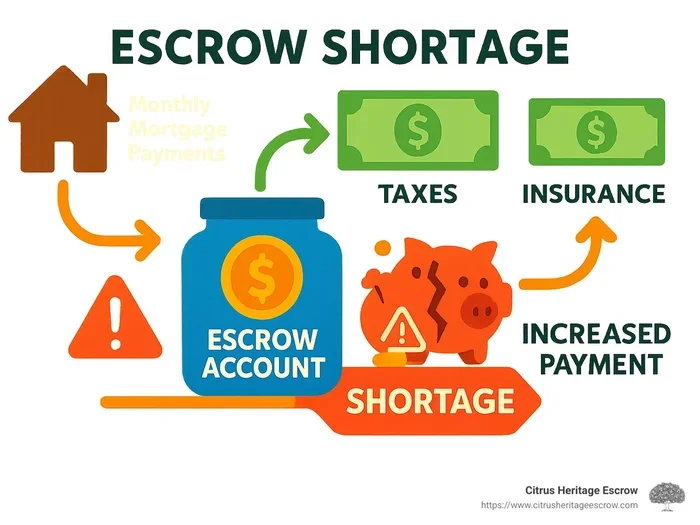
Many people focus on the principal and interest portion of their loan. That part stays fixed for the life of a fixed rate loan. But the escrow portion can change. Think of escrow as a savings bucket that your lender manages for you. The lender takes a little money each month and holds it until your tax bill or insurance bill is due. If the bills grow, the bucket needs more money. That is why your total payment can go up even when your interest rate stays the same.
This change often catches homeowners off guard. The good news is that the process is usually predictable. Lenders review escrow accounts regularly. They send notices before your payment changes. If you understand how the review works, you can plan ahead. You can also check whether the new amount makes sense for your situation.
What Escrow Really Means For Your Monthly Payment
Escrow is a simple idea once you break it down. Your mortgage payment has a few parts. One part pays down the loan balance. Another part covers interest. A third part may go into an escrow account. That account pays for things like property taxes and insurance. Some loans also include mortgage insurance or flood insurance in the escrow total.
The lender does not want you to fall behind on taxes or insurance. If taxes go unpaid, the local government could place a lien on your home. If insurance lapses, the lender loses protection for its collateral. So the lender collects money ahead of time. This system helps keep everything current. It also spreads a large annual cost into smaller monthly pieces.
When you see a payment increase, the escrow part is often the reason. The principal and interest may stay steady. The escrow portion moves based on real world costs. Those costs can change from year to year. That is why your total payment can rise even if your loan terms did not change.
How Property Tax Changes Drive Escrow Increases
Property taxes are one of the biggest reasons escrow payments grow. Local governments assess homes to decide how much tax is owed each year. If your home value goes up, your tax bill may go up too. This can happen after a reassessment, after improvements, or when neighborhood values rise. Sometimes tax rates change as well. A higher rate on the same home value also raises the bill.
Your lender looks at the most recent tax information when it reviews escrow. If the upcoming tax bill is larger than before, the lender adjusts the monthly collection amount. That adjustment can feel sudden, especially if you did not expect a tax change. But the increase reflects a real cost that you now need to cover.
It helps to watch for tax notices from your local authority. Many counties mail notices before taxes are finalized. Some also post updates online. If you see a big jump, you can prepare for a higher mortgage payment. You can also ask your lender how the new escrow amount was calculated. Understanding the math makes the change less confusing.
Common Reasons Property Taxes Rise
A few common triggers can push property taxes higher. These include:
- Reassessment after a home sale: Some areas update value when ownership changes.
- Home improvements: Adding square footage or major upgrades can raise assessed value.
- Market growth: Rising neighborhood values can lead to higher tax estimates.
- Rate changes: Local tax rates may increase to support public funding needs.
- Special assessments: Some communities add extra charges for local projects or services.
If one of these applies to you, the escrow increase makes sense. It is simply matching a higher tax obligation. Still, it is smart to review the numbers. Make sure the lender used the correct value and rate. Small errors can create unnecessary payment increases.
Why Insurance Premium Changes Affect Your Escrow
Homeowners insurance is another major part of many escrow accounts. Insurance protects your home from damage, theft, and certain natural events. When insurers raise rates, your premium can grow. That growth flows into your escrow calculation. The lender then collects more each month so it can pay the higher premium when it comes due.
Insurance costs can rise for several reasons. Weather patterns may affect risk in your area. Construction costs can influence repair estimates. Your own claim history may also matter. Sometimes insurers adjust rates across a whole region. Other times your specific policy changes because of coverage updates or deductible choices.
If your insurance bill went up, your escrow likely needs to catch up. The lender may spread the increase over the next year. That means your monthly payment rises gradually rather than all at once. This approach keeps the account balanced. It also helps you avoid a large lump sum payment.
How To Check Whether Insurance Costs Are Reasonable
It is wise to compare your insurance cost with other options. Start by reading your policy details. Look at the coverage limits, deductible, and any added riders. Then ask for quotes from a few other insurers. If another company offers similar coverage for less, you may be able to lower your escrow amount by switching.
Keep in mind that your lender needs proof before it changes the escrow amount. If you switch policies, send the new declaration page to your loan servicer. That document shows the updated premium. Once the lender verifies it, the escrow calculation may be adjusted. This process can help reduce your payment if the new premium is lower.
The Annual Escrow Analysis And Payment Adjustments
Most lenders review escrow accounts once a year. This review is called an escrow analysis. During the analysis, the lender estimates upcoming tax and insurance costs. It then compares those estimates with the money currently in the account. If more money is needed, the lender raises your monthly escrow payment. If less is needed, your payment may drop.
You usually receive a notice before the change takes effect. The notice explains the new totals and shows how the payment was calculated. It may also mention a shortage or surplus. A shortage means the account does not have enough to cover the upcoming bills. A surplus means there is extra money sitting in the account. Both situations affect your payment in different ways.
This annual review is normal. It does not mean something went wrong with your loan. It simply reflects updated costs. Still, it is important to read the notice carefully. Check the tax amount, the insurance amount, and the timeline. If anything looks off, contact your lender quickly.
Shortage, Surplus, And How They Change Your Payment
A shortage often leads to a higher monthly payment. The lender may spread the shortage over the next year. That spreads the cost out and keeps the account funded. A surplus may result in a refund or a lower payment. Some lenders apply the extra money to next year’s costs instead of sending a check.
Here is a simple comparison of how these situations can affect you:
| Situation | What It Means | Typical Payment Impact |
|---|---|---|
| Shortage | Not enough funds for upcoming bills | Monthly payment usually goes up |
| Surplus | Extra funds beyond what is needed | Payment may go down or you may get a refund |
| No change | Costs stay about the same | Payment stays steady |
If your notice shows a shortage, do not panic. Look at the numbers and confirm they match your real bills. If the figures are correct, the higher payment is simply covering a higher cost. If the figures seem wrong, you can ask for a review and provide supporting documents.
How To Respond When Your Mortgage Payment Went Up Because Of Escrow
When you see a higher payment, the first step is to understand why. Read the escrow analysis notice line by line. Identify whether the increase comes from taxes, insurance, or both. Then compare those numbers with your own records. If you have a recent tax bill or insurance quote, use it as a reference point.
If the numbers look accurate, the next step is to decide how to handle the change. You may need to adjust your household budget. Even a small increase can matter if money is tight. Look for areas where you can save a little each month. That can make the new payment easier to manage.
If the numbers look wrong, act quickly. Contact your loan servicer and explain the issue. Share copies of your tax bill or insurance documents if needed. Lenders can correct errors, but they need proof. The sooner you speak up, the sooner the account can be updated.
Practical Steps To Manage A Higher Escrow Payment
Here are some helpful actions you can take:
- Review the escrow analysis notice: Check every line for accuracy.
- Compare with your own bills: Match the notice to your tax and insurance documents.
- Ask questions if anything is unclear: Contact your servicer and request an explanation.
- Shop for insurance if premiums seem high: A better quote may reduce the escrow amount.
- Look into tax appeal options if value seems inflated: Some homeowners can challenge assessments.
- Update your monthly budget: Plan for the new total so you are not caught off guard.
- Keep copies of all documents: Save notices, emails, and payment records for future reference.
These steps can help you stay in control. They also make it easier to spot real problems early. A little attention now can prevent headaches later.
Common Mistakes Homeowners Make With Escrow Changes
A lot of stress comes from misunderstanding escrow. One common mistake is assuming the whole payment must be wrong when it rises. Sometimes only the escrow part changed. Another mistake is ignoring the annual notice. If you miss it, you may be surprised when the new payment starts.
Some homeowners also forget to shop for insurance. If your premium goes up and you do nothing, the higher cost stays in place. Others do not check property tax notices. If your assessment seems too high, there may be a way to question it. Waiting too long can limit your options.
Another mistake is not saving for occasional increases. Escrow changes are common, so it helps to expect them. If you treat every payment increase as an emergency, you may feel more stress than necessary. A simple budget buffer can make these changes much easier to handle.
Quick Tips To Avoid Escrow Surprises
Use these habits to stay ahead of escrow changes:
- Open lender notices right away: Do not let them sit unread.
- Track your tax and insurance due dates: Knowing the schedule helps you anticipate changes.
- Revisit your budget each year: Small updates can keep your finances stable.
- Compare insurance quotes regularly: Rates change, and better options may appear.
- Keep your contact information current: Make sure your servicer can reach you with updates.
These habits are simple, but they make a real difference. They help you notice changes early and respond calmly. That is especially useful when your mortgage payment went up because of escrow and you want to understand the reason quickly.
When To Ask For A Professional Review
Sometimes the numbers still do not make sense after you check them. In that case, it may help to ask for a closer review. Start with your loan servicer. Ask them to walk through the escrow calculation. Request a written explanation if needed. Having the details in writing can make the issue clearer.
If the problem involves property taxes, you may need to contact your local tax office. Ask how the assessed value was determined. If you believe the value is too high, find out whether there is an appeal process. Some homeowners succeed in lowering their assessment after providing evidence. That can reduce the tax bill and eventually lower the escrow amount.
If the issue involves insurance, compare your current policy with other options. An insurance agent can explain why your premium changed. You may discover that a different deductible or coverage choice would work better for your budget. Just make sure any new policy meets your lender’s requirements.
Expert Insights On Keeping Escrow Manageable
Experts often suggest a few simple habits for managing escrow changes. First, do not ignore the annual analysis. It is the best time to catch mistakes. Second, keep your documents organized. Tax bills, insurance declarations, and lender notices should all be easy to find. Third, build a small cushion into your budget when possible. That cushion can absorb modest increases without disrupting your finances.
It also helps to think long term. Escrow payments can rise and fall over time. Market values, tax policy, and insurance rates all play a role. You cannot control every factor, but you can stay informed. When you know what affects your payment, you can make better decisions. That knowledge is especially useful when you notice your mortgage payment went up because of escrow and want a clear plan forward.
Final Thoughts On Escrow Related Payment Increases
A higher mortgage bill can feel stressful, but the reason is often straightforward. Your mortgage payment went up because of escrow changes tied to taxes, insurance, or both. The lender adjusts the escrow portion so your bills stay paid on time. That system protects your home and keeps your account balanced.
The best response is to stay calm and check the details. Read your escrow analysis notice. Compare it with your real bills. If the numbers are right, update your budget and move on. If the numbers are wrong, ask for a correction and provide proof. Small actions can make a big difference.
Over time, understanding escrow can save you a lot of frustration. You will know why payments change and what to look for each year. That makes it easier to plan, budget, and protect your home. When you treat escrow as a normal part of homeownership, payment changes become less surprising and much easier to manage.
Frequently Asked Questions
Why did my mortgage payment go up if my interest rate did not change?
Your payment may rise because the escrow portion increased. Property taxes or homeowners insurance can go up even when your loan rate stays the same. The lender adjusts the escrow amount to cover those higher costs.
How often do lenders review escrow accounts?
Most lenders review escrow accounts once a year. They estimate upcoming tax and insurance costs and then adjust your monthly payment if needed. You usually receive a notice before the change takes effect.
What does an escrow shortage mean?
An escrow shortage means the account does not have enough money to cover upcoming tax and insurance bills. Lenders often spread the shortage over the next year, which raises your monthly payment.
Can I lower my escrow payment by changing insurance?
Yes, if you find a cheaper policy with similar coverage. Send the new insurance documents to your lender so the escrow amount can be recalculated. Make sure the new policy meets your loan requirements.
What should I do if my property tax bill seems too high?
Review your tax notice and compare it with your home value and local rates. If you believe the assessment is wrong, contact your local tax office and ask about the appeal process. Supporting evidence may help reduce the bill.
Will my escrow payment ever go down?
Yes, it can go down if your taxes or insurance costs decrease. A surplus in your account may also lead to a lower payment or a refund. The annual analysis determines whether your payment changes.
