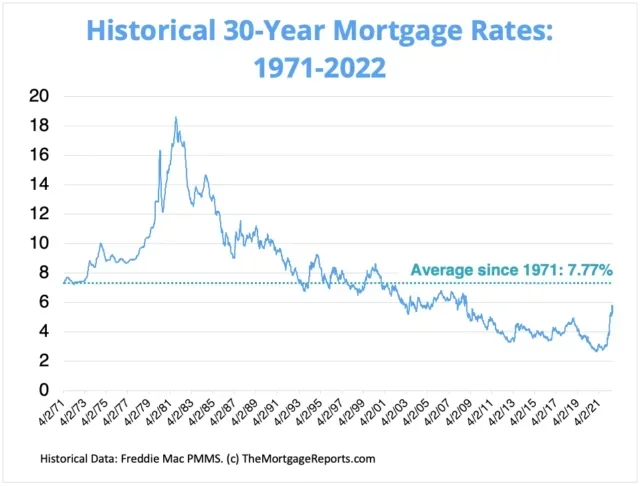
What is the lowest mortgage rate ever recorded in history? It happened in the early 2020s when rates dipped below three percent for a thirty-year fixed loan. This historic drop changed how millions of people bought homes. We will explore why rates fell, when they hit bottom, and how you can still find great deals today. Understanding this moment helps you make smarter money choices.
Key Takeaways
- Historic Low Point: The lowest mortgage rate ever for a thirty-year fixed loan fell below three percent during the early 2020s.
- Economic Triggers: Federal Reserve actions, low inflation, and global uncertainty pushed borrowing costs down to record levels.
- Regional Differences: Rates varied by state, credit score, and lender, so the absolute lowest rate depended on your personal profile.
- Buying Power Boost: Ultra-low rates helped buyers afford larger homes and save thousands in interest over time.
- Rate Reality Today: Current rates sit higher, but smart shopping and rate locks can still protect your budget.
- Long-Term View: Focusing only on the lowest rate ever misses the bigger picture of monthly payments, fees, and loan terms.
- Action Step: Compare multiple lenders, improve your credit, and time your application to capture the best available rate.
📑 Table of Contents
- What Is The Lowest Mortgage Rate Ever Found In History
- When Did The Lowest Mortgage Rate Ever Happen
- Why Rates Fell To Record Lows
- How Low Could Rates Go For You Personally
- What The Lowest Rate Ever Meant For Buyers
- How Today’s Rates Compare And What To Watch
- Common Mistakes When Chasing Low Rates
- Key Takeaways For Homebuyers
What Is The Lowest Mortgage Rate Ever Found In History
Many people ask what is the lowest mortgage rate ever because they want to know if today’s prices are truly bad. The short answer is that rates once dropped to levels that seemed impossible just a few years earlier. For a standard thirty-year fixed loan, the national average fell into the high one percent range and even touched the low two percent range at the absolute bottom. That moment changed how families planned their budgets and how lenders priced their loans.
It helps to remember that mortgage rates do not move in a straight line. They rise and fall based on economic signals, investor demand, and government policy. When the economy slows, investors often seek safe places to put their money. That demand can push bond yields down, which often pulls mortgage rates down with them. When the economy heats up, the opposite tends to happen. So the record low was not a random event. It was the result of a unique mix of forces.
Before we dive deeper, it is useful to define what we mean by lowest. We are talking about the average rate offered on a conventional thirty-year fixed mortgage to borrowers with strong credit and solid down payments. Individual offers can be lower or higher based on credit score, loan size, location, and lender fees. The headline number matters, but your personal rate matters more. That is why shopping around always pays off.
When Did The Lowest Mortgage Rate Ever Happen
The record low period arrived during a time of global stress and economic uncertainty. As markets reacted to sudden disruptions, the Federal Reserve cut short-term rates and bought large amounts of bonds to keep credit flowing. Those actions helped push long-term yields lower. Since mortgage rates often track long-term bond yields, home loan costs followed them down.
During this window, the average thirty-year fixed rate dipped into the high one percent range and briefly touched the low two percent range. Some well-qualified borrowers even received offers slightly below that average because of discounts, lender promotions, or special loan programs. The exact number varied by week, but the trend was clear. Borrowing costs reached a historic floor.
It is also worth noting that rates did not stay there for long. As the economy stabilized and inflation pressures grew, rates began climbing again. That quick rebound shows how fast the market can shift. If you are wondering what is the lowest mortgage rate ever, the key lesson is that extreme lows are usually temporary. They appear when the broader economy is under pressure, and they fade as conditions normalize.
Why The Timing Mattered
The timing mattered because many buyers were trying to purchase homes during a period of low inventory and high demand. Low rates increased buying power, which pushed home prices higher in many areas. That created a tricky balance. The loan was cheaper, but the house cost more. Some buyers saved money overall, while others paid more because of rising prices and bidding wars.
The timing also affected refinancers. Homeowners with older loans saw a chance to cut their payments sharply. Many rushed to lock in new rates, and lenders worked hard to process the surge. The result was a busy market with faster decision-making and more competition for loan officers. If you are studying what is the lowest mortgage rate ever, remember that the benefit depends on your starting point and your goals.
Why Rates Fell To Record Lows
Several forces worked together to drive rates down. The first was monetary policy. The central bank lowered short-term rates and supported the bond market to keep lending flowing. That support reduced the cost of long-term borrowing. The second force was investor behavior. When uncertainty rises, many investors move money into safer assets like government bonds. Higher demand for bonds pushes yields down, and mortgage rates often follow.
The third force was inflation expectations. In the early part of the low-rate period, inflation was quiet, which kept real returns low. Lenders and investors did not need a big inflation premium to part with their money. That helped keep loan costs down. Later, as inflation picked up, rates rose to reflect the new reality. This shows why what is the lowest mortgage rate ever is tied to the broader economic backdrop, not just one decision.
The Role Of Bond Yields
Mortgage rates are closely linked to the yield on long-term government bonds. Lenders use those yields as a baseline, then add a margin to cover risk and profit. When bond yields fall, the baseline drops, and lenders can offer lower rates. When bond yields rise, the opposite happens. This relationship is not perfect, but it is strong enough to guide most rate movements.
During the record low period, long-term yields dropped to levels that surprised many market watchers. That decline helped mortgage rates reach the high one percent range and low two percent range. The spread between bond yields and mortgage rates stayed fairly normal, which meant the drop in yields passed through to homebuyers. If you want to understand what is the lowest mortgage rate ever, watching bond yields is a smart place to start.
Economic Uncertainty And Safe-Haven Demand
Uncertainty can be painful in daily life, but it often pushes investors toward safety. That search for safety increases demand for government debt. Higher demand lowers yields. Lower yields help reduce mortgage costs. This chain reaction is one reason rates can fall quickly during stressful periods. It also explains why the lowest rates often appear when the news looks grim.
For regular buyers, this dynamic creates both opportunity and risk. The opportunity is a cheaper loan. The risk is that the same forces hurting the economy may also affect jobs, savings, and confidence. Smart borrowers look at the whole picture, not just the rate. That broader view is essential when thinking about what is the lowest mortgage rate ever and whether a similar window might appear again.
How Low Could Rates Go For You Personally
The headline average tells a broad story, but your personal rate depends on your profile. A borrower with excellent credit, stable income, and a larger down payment usually gets a better offer than the average. A borrower with lower credit or a smaller down payment may see a higher rate, even in a low-rate environment. That is why two people can hear the same news and get different quotes.
Lenders also price loans differently. Some offer discounts for automatic payments or relationship accounts. Others charge fees that can be traded for a slightly higher rate or a slightly lower rate, depending on your preference. These choices matter. A loan with a tiny rate difference can still cost more if the fees are high. So the best deal is not always the lowest number on the page.
Credit Score And Down Payment Effects
Your credit score is one of the biggest factors in your rate. Higher scores usually unlock better pricing because they signal lower risk. A larger down payment also helps because it reduces the lender’s exposure. Together, these two factors can move your offer meaningfully. In a low-rate period, a strong profile can put you near the very best available terms.
If your credit needs work, you can still improve your position. Pay down balances, fix errors, and avoid new debt before applying. Even a small score gain can help. If your down payment is limited, look into programs that allow lower down payments with reasonable pricing. These steps do not guarantee the absolute best rate, but they improve your odds. That is practical advice for anyone exploring what is the lowest mortgage rate ever and how to get close to it.
Points, Fees, And Rate Tradeoffs
You can often pay upfront points to lower your rate. One point usually costs one percent of the loan amount and may reduce the rate by a small amount. This tradeoff can make sense if you plan to keep the loan for a long time. If you expect to move or refinance soon, paying points may not be worth it. The math changes based on your timeline.
Fees also affect the true cost. Origination charges, appraisal fees, and closing costs can add up. A loan with a slightly higher rate but lower fees may be cheaper overall than a loan with a tiny rate advantage and heavy fees. Always compare the full picture. When people ask what is the lowest mortgage rate ever, they should also ask about the total cost of the loan, not just the interest rate.
What The Lowest Rate Ever Meant For Buyers
Ultra-low rates gave buyers more purchasing power. A lower rate reduces the monthly payment, which can free up budget for a larger home or a smaller payment. That extra room helped many families buy sooner than they expected. It also helped some homeowners refinance and free up cash for other goals. The benefit was real and meaningful for many households.
At the same time, low rates increased competition. More buyers could afford higher prices, which pushed values up in many markets. That meant some people paid more for the home itself, even though the loan was cheaper. The net result depended on location, timing, and negotiation. In some cases, the rate savings offset the higher price. In others, the price rise ate into the benefit.
Monthly Payment And Buying Power
A lower rate can shrink the monthly payment by a noticeable amount. That reduction can make a big difference over time. For example, a small rate drop can save hundreds of dollars each month on a typical loan. Over several years, that adds up to a meaningful sum. This is one reason buyers pay close attention to what is the lowest mortgage rate ever and how today’s rates compare.
Buying power also improves because lenders look at your payment relative to your income. A smaller payment can help you qualify for a larger loan, if your income supports it. That does not mean you should stretch your budget to the limit. It means you have more options. The healthiest approach is to choose a payment that fits your life, not just one that the calculator allows.
Refinancing And Equity Moves
Low rates also created refinancing opportunities. Homeowners with older, higher-rate loans could replace them with cheaper loans and lower payments. Some used the savings to pay down other debt or build emergency funds. Others tapped equity for home improvements or other needs. These moves can be helpful when done carefully and with a clear plan.
Refinancing is not always the right move. If you are near the end of your loan, the savings may be small. If you plan to move soon, closing costs may outweigh the benefit. If your current loan has features you value, changing it may not be worth it. Weigh the full picture before you act. This balanced thinking is just as important as knowing what is the lowest mortgage rate ever.
How Today’s Rates Compare And What To Watch
Rates today are generally higher than the historic lows, but they still vary by market and by borrower. The exact number changes with economic data, inflation reports, and lender capacity. Some weeks bring small drops, and other weeks bring small jumps. If you are watching the market, focus on trends rather than single days. A calm, steady approach usually works better than trying to time every move.
For buyers, the practical goal is to find the best rate you can get right now, not the perfect rate that may never appear. Improve your credit, compare lenders, and consider the total cost. If you find a good offer, think about locking it in if your timeline allows. A lock can protect you from short-term increases while you finish the purchase. That protection can be valuable in a moving market.
When To Lock And When To Wait
A rate lock holds your quoted rate for a set period, usually until closing. This can be helpful if rates are volatile and you are close to finalizing the loan. The tradeoff is that locks sometimes come with fees or limits. If your purchase timeline is uncertain, ask about flexible options. The right choice depends on your situation and your comfort with risk.
Waiting can make sense if your financial profile is not ready. Maybe you need to boost your credit, save more for a down payment, or stabilize your income. In that case, improving your qualifications may matter more than waiting for rates to move. When people research what is the lowest mortgage rate ever, they sometimes forget that their own readiness affects the result as much as the market does.
Smart Shopping Strategies
Get quotes from several lenders so you can compare real numbers. Ask for the same loan type and the same expected lock period so the comparison is fair. Look at the rate, the fees, and the estimated monthly payment. Then choose the offer that fits your goals and budget. This simple process often reveals better deals than sticking with the first quote.
Also ask about discounts and programs. Some lenders offer small rate reductions for automatic payments or other relationship benefits. Some loan programs have special pricing for first-time buyers or for certain properties. These details can tilt the balance. If you want to understand what is the lowest mortgage rate ever and how to get close to great pricing today, careful shopping is one of the best tools you have.
Common Mistakes When Chasing Low Rates
One common mistake is focusing only on the rate and ignoring the fees. A tiny rate difference can look exciting, but higher closing costs may erase the savings. Another mistake is waiting for an ideal number that may not come. Markets move in cycles, and perfect timing is hard to predict. A good offer at the right time is often better than a perfect offer that never arrives.
A third mistake is stretching the budget because rates look attractive. A cheap loan still needs to be paid every month. If the payment strains your finances, the rate does not matter much. A fourth mistake is skipping the comparison step. Different lenders price loans differently, and those differences can be significant. Avoiding these mistakes helps you make a smarter choice.
Quick Tips For Better Rate Outcomes
- Check your credit early: Fix errors and lower balances before you apply.
- Compare at least three lenders: Broader comparisons usually reveal better pricing.
- Look at the full cost: Compare fees and payments, not just the rate.
- Ask about discounts: Automatic payments and relationship perks can help.
- Consider your timeline: Decide whether points or a lock make sense for you.
- Keep your budget realistic: Choose a payment that fits your life, not just the market.
Key Takeaways For Homebuyers
The record low showed how far rates can fall when the economy, policy, and investor behavior line up in a rare way. That moment was real, but it was also temporary. The bigger lesson is that your personal rate depends on your credit, your down payment, your lender, and your loan choices. You cannot control the market, but you can control your preparation and your comparisons.
If you are buying now, focus on the best available offer, not a fantasy number. Improve what you can, shop carefully, and weigh the total cost. If you are refinancing, make sure the math supports the move. Either way, a clear plan beats chasing headlines. That is the most useful answer to what is the lowest mortgage rate ever for everyday buyers and owners.
Frequently Asked Questions
What is the lowest mortgage rate ever recorded for a thirty-year fixed loan?
The lowest mortgage rate ever for a standard thirty-year fixed loan fell into the high one percent range and briefly touched the low two percent range during the early 2020s. The exact number varied by week and by borrower profile. Well-qualified buyers sometimes received offers slightly below the national average.
Why did mortgage rates drop to such low levels?
Rates fell because of a mix of central bank actions, strong investor demand for safe bonds, and low inflation expectations at the time. Those forces pushed long-term yields down, and mortgage rates generally followed them lower. The drop was tied to the broader economic environment, not just one single event.
Can I still get a rate close to the lowest mortgage rate ever today?
Probably not at the same historic level, because current rates are generally higher than the record lows. You can still improve your offer by boosting your credit, saving a larger down payment, and comparing multiple lenders. The best available rate for your profile is the realistic target.
Does a lower mortgage rate always mean a better loan?
Not always, because fees, points, and loan terms also affect the total cost. A loan with a slightly higher rate but lower fees may cost less overall than a loan with a tiny rate advantage and high closing costs. Always compare the full picture before choosing.
How does my credit score affect my mortgage rate?
Your credit score is one of the biggest factors lenders use to price your loan. Higher scores usually lead to better rates because they signal lower risk. Improving your score before applying can help you qualify for stronger pricing.
Should I wait for rates to fall before I buy a home?
Waiting can make sense if you need time to improve your finances, but trying to time the market perfectly is difficult. If you are ready to buy, focus on the best rate you can secure now and choose a payment that fits your budget. A good offer at the right time is often better than waiting for an uncertain drop.