
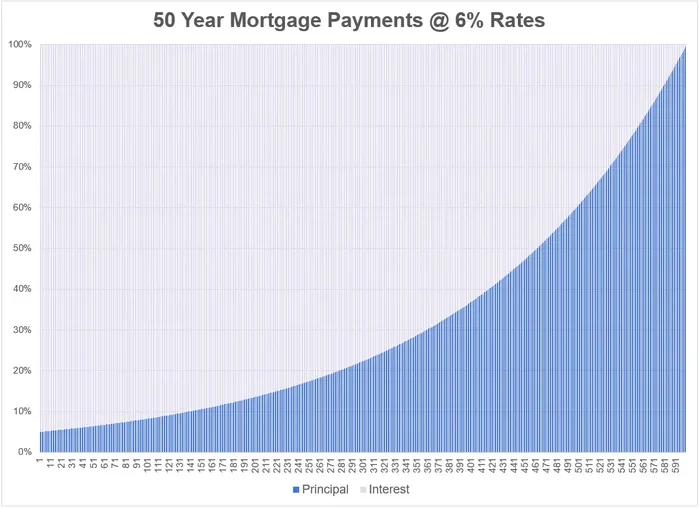
Can you get a 50 year mortgage? It is possible, but not common. Most lenders offer 30-year terms instead. This loan lowers monthly payments but increases total interest. You should weigh the costs carefully before deciding.
Buying a home is a big step. Many people worry about the monthly cost. A longer loan term can help lower that bill. You might wonder if a 50-year option exists. The short answer is yes, but it is not standard. Most banks prefer 30-year fixed rates. Some specialized lenders do offer longer terms. This option appeals to buyers wanting lower payments. However, it comes with significant trade-offs. You need to understand the full picture before applying.
Interest rates play a huge role here. A longer term means more interest paid overall. Your monthly cash flow improves, but your total cost rises. This is a key factor in your decision. You should look at your long-term goals. Do you plan to stay in the home forever? Or do you plan to move soon? These questions matter when choosing a loan. We will explore everything you need to know.
Key Takeaways
- Availability: 50-year mortgages are rare and not offered by all lenders.
- Lower Payments: Extending the term reduces your monthly principal and interest cost.
- Higher Interest: You will pay significantly more interest over the life of the loan.
- Equity Build: Building home equity happens much slower compared to a 30-year loan.
- Qualification: Lenders may have stricter income requirements for such long terms.
- Alternatives: Consider a 30-year loan with extra payments as a flexible option.
- Refinancing: You can refinance later if your financial situation improves.
📑 Table of Contents
Understanding the 50-Year Mortgage Option
A 50-year mortgage is exactly what it sounds like. You borrow money for fifty years. The monthly payments are spread out over that time. This makes each payment smaller than a standard loan. It is often seen as a niche product. Not every bank offers this specific term. You might need to search for specialized lenders. Some credit unions or private lenders might have them. It is crucial to ask your loan officer directly.
Who Offers These Loans?
Traditional big banks rarely offer this term. You will likely find them with niche lenders. These lenders target specific buyer profiles. They might focus on high-cost areas. In places like California, housing prices are very high. Buyers there need every bit of help they can get. A 50-year term lowers the monthly burden. It helps people qualify for loans they otherwise could not. This is the main selling point for these products.
How It Differs from Standard Loans
The standard loan is usually 30 years. Some people choose 15-year terms for speed. A 50-year loan sits on the opposite end. It maximizes the time you have to pay. This reduces the monthly principal portion. Most of your early payment goes to interest. This is true for almost all mortgages. But it is more extreme with a 50-year term. You build equity very slowly in the beginning.
The Pros and Cons of Long-Term Loans
Every financial decision has two sides. You must weigh the benefits against the risks. A lower monthly payment is attractive. It frees up cash for other things. You might use that cash for investments. Or you might use it for daily living expenses. This flexibility is the main advantage. However, the cost over time is high. You pay interest for five decades. That adds up to a large sum of money.
Benefits of Lower Monthly Payments
Lower payments help with budgeting. It reduces stress on your monthly income. You have more room for savings. You can handle emergencies better. This is helpful for first-time buyers. They often have tight budgets. A lower payment makes homeownership feel safer. It reduces the risk of default. If you lose income temporarily, the bill is smaller. This provides a safety buffer for your family.
Drawbacks of Increased Interest Costs
The total interest is the biggest downside. You pay for the privilege of lower payments. Over 50 years, this cost is massive. You might pay double the interest of a 30-year loan. This reduces your net wealth over time. You also build equity slower. If you sell early, you owe more. Your profit margin on the sale is lower. This is important if you plan to move. You should calculate the total cost carefully.
Comparing 50-Year vs 30-Year Mortgages
Let’s look at the numbers. A comparison helps clarify the choice. Imagine a loan amount of $300,000. The interest rate is 6% for both loans. The 30-year payment is higher. The 50-year payment is lower. But the total interest tells a different story. The 50-year loan costs much more in the end. You need to see this table to understand.
| Feature | 30-Year Mortgage | 50-Year Mortgage |
|---|---|---|
| Monthly Payment | Higher | Lower |
| Total Interest Paid | Lower | Much Higher |
| Equity Build Speed | Faster | Slower |
| Qualification Ease | Standard | Easier (Lower Debt-to-Income) |
| Long-Term Cost | Less Expensive | More Expensive |
This table shows the trade-off clearly. You save money monthly but lose money long-term. Your debt-to-income ratio improves with the 50-year loan. This helps you qualify for the mortgage. Lenders look at this ratio closely. A lower payment means a better ratio. This can be the key to approval. But you must accept the higher total cost.
Qualifying for a Extended Term Mortgage
Getting approved requires meeting standards. Lenders check your credit score first. A good score gets you better rates. They also look at your income stability. You need to show steady employment. Your debt-to-income ratio is critical. Since the payment is lower, this ratio looks better. This helps if you have other debts. Car loans or student loans affect this ratio. A 50-year term can help balance these out.
Income and Credit Requirements
You need a stable job history. Lenders want to see consistency. They usually require two years of employment. Your credit score should be decent. A higher score saves you money on rates. Even with a long term, a bad score hurts. You might face higher interest rates. This negates some benefits of the long term. You should check your credit report first. Fix any errors before applying.
Debt-to-Income Ratio Considerations
This ratio is vital for approval. It compares your debt to your income. A 50-year mortgage lowers the housing debt part. This makes the ratio look healthier. You might qualify for a larger loan amount. This is helpful in expensive markets. You can buy a nicer home for the same payment. But remember, you are borrowing more money. Ensure you can afford the maintenance costs too.
Alternatives to Consider Before Signing
You do not have to choose a 50-year loan. There are other ways to lower payments. You can choose a 30-year loan instead. Then you can pay extra when you can. This gives you flexibility. You are not locked into the long term. You can stop extra payments if money is tight. This is often a better strategy. It saves interest while keeping options open.
30-Year Loan with Extra Payments
This is a popular strategy among experts. You take the standard 30-year term. You make extra principal payments monthly. Even a small amount helps. It reduces the total interest significantly. You build equity faster this way. You can stop the extras anytime. This protects you during hard times. A 50-year loan locks you in longer. The 30-year plus extra payments is more flexible.
Adjustable Rate Mortgages
Another option is an ARM. These start with lower interest rates. The rate stays fixed for a few years. Then it adjusts based on the market. This can lower your initial payment. But the rate can go up later. This carries risk if rates rise. You need to plan for the adjustment. This is not as stable as a fixed loan. But it can help with initial affordability.
Is a 50-Year Mortgage Right for You?
Deciding depends on your situation. Are you cash-poor but income-stable? Do you plan to stay long-term? If you move soon, the cost is wasted. You pay most interest in the early years. If you stay 50 years, you pay it all. Most people do not stay that long. You might refinance or sell before then. Think about your life plan. Will your income grow over time? If yes, a shorter loan might be better later.
Long-Term Financial Goals
Consider your retirement plans. You do not want a mortgage in retirement. A 50-year loan spans many decades. You might still be paying when you retire. This can strain your fixed income. It is better to be debt-free sooner. Think about your children too. Do you want to leave them a paid-off home? A long loan delays this goal. Align the loan with your life goals.
Exit Strategies and Refinancing
You can refinance later. If your income grows, you can switch. You can move to a 15 or 30-year loan. This speeds up your equity build. You can do this when rates drop too. Refinancing has costs though. You will pay closing fees again. Make sure the savings outweigh the costs. Have a plan to exit the 50-year term. Do not stay in it forever if you can help it.
Choosing a mortgage is a big decision. You must look at the whole picture. A 50-year mortgage lowers monthly stress. But it increases total lifetime cost. You pay more interest over the decades. Equity builds slower than standard loans. Many lenders do not even offer this term. You might need to look hard to find one. Alternatives like a 30-year loan exist. You can pay extra on those loans. This gives you flexibility and savings. Think about your future income and goals. Do not stretch yourself too thin. Homeownership should be a blessing, not a burden. Make the choice that fits your life.
Frequently Asked Questions
Can you get a 50 year mortgage from major banks?
Most major banks do not offer 50-year terms. You will likely need to find a specialized lender. Credit unions or private lenders might have these options available for specific buyers.
Does a 50 year mortgage lower monthly payments?
Yes, extending the term significantly reduces the monthly payment. This lowers your debt-to-income ratio and frees up cash flow. However, you will pay much more interest over the life of the loan.
Is it harder to qualify for a 50 year loan?
Qualification can be easier regarding monthly income ratios. The lower payment helps your debt-to-income calculation. But lenders may still require good credit and stable employment history.
Can I pay off a 50 year mortgage early?
Most mortgages allow early payoff without penalties. You can make extra principal payments to shorten the term. This helps you save on interest and build equity faster.
What are the risks of a 50 year mortgage?
The main risk is paying excessive interest over time. You also build home equity very slowly. If you sell early, you might owe more on the loan than expected.
Should I choose a 30 year or 50 year mortgage?
A 30-year loan is usually better for long-term wealth. You can always pay extra on a 30-year loan to mimic a shorter term. This gives you flexibility without the high total interest cost.
