
Does mortgage pre approval affect credit score? Yes, it can cause a small, temporary dip. Lenders run a hard inquiry to verify your finances. This usually drops your rating by a few points. The good news is that multiple inquiries within a short window often count as one. Your score recovers quickly with on-time payments and low credit utilization. Understanding this process helps you shop for loans with confidence.
Buying a home is one of the biggest financial steps you will ever take. Naturally, you want to know how every move affects your money. One common worry is whether a mortgage pre approval will hurt your credit rating. The short answer is yes, but the impact is usually small and short lived. Let us walk through exactly what happens, why it happens, and how you can protect your financial standing while still getting the loan you need.
When you seek a home loan, lenders want to see your full financial picture. They check your payment history, debt levels, and recent credit activity. To do this properly, they run a hard inquiry on your credit file. This type of check shows that you are actively seeking new credit. Scoring models notice this activity and may adjust your rating slightly. The change is normal, predictable, and rarely a deal breaker.
Many homebuyers also confuse pre qualification with pre approval. A pre qualification often uses a soft inquiry. That means it does not touch your credit score at all. A formal pre approval goes further. The lender verifies your income, assets, and debts. They also run a hard pull. Knowing the difference helps you plan your loan search with confidence. Below, we break down every detail so you can move forward wisely.
Key Takeaways
- Hard inquiries cause minor dips: A mortgage pre approval typically lowers your credit score by five to ten points temporarily.
- Rate shopping window protects you: Credit scoring models treat multiple mortgage inquiries within fourteen to forty-five days as a single inquiry.
- Pre qualifications differ from pre approvals: A soft pull for pre qualification does not impact your score, while a formal pre approval requires a hard pull.
- Timing matters for your application: Applying for other credit cards or auto loans right before or during mortgage shopping can compound score drops.
- Recovery is fast: Your score usually bounces back within a few months as long as you maintain healthy credit habits.
- Lenders value stability: A small, recent inquiry rarely disqualifies you, but multiple unrelated hard pulls can raise red flags.
- Check your reports first: Reviewing your credit reports for errors before applying helps you avoid unnecessary score drops.
📑 Table of Contents
- How Does Mortgage Pre Approval Affect Credit Score Basics
- The Real Impact of a Mortgage Inquiry on Your Rating
- Rate Shopping and the Credit Score Window
- Pre Approval Versus Pre Qualification and Credit Checks
- Does Mortgage Pre Approval Affect Credit Score When You Apply Elsewhere
- Smart Timing and Habits to Protect Your Score
- Expert Insights and Common Mistakes to Avoid
- Final Thoughts on Does Mortgage Pre Approval Affect Credit Score
How Does Mortgage Pre Approval Affect Credit Score Basics
A mortgage pre approval triggers a hard inquiry. A hard inquiry happens when a lender requests your full credit report to make a lending decision. This is different from a soft inquiry, which occurs when you check your own score or when a company runs a background check for a non lending reason. Hard inquiries can lower your score because they signal that you are taking on new debt.
The good news is that the drop is usually minor. Most people see a decrease of five to ten points. Some people see no change at all. The exact impact depends on your current credit profile. If you have a long history of on time payments and low balances, the inquiry will barely register. If your file is thinner or you have recent late payments, the dip may feel a bit more noticeable.
It also helps to understand that one hard inquiry is not a major event. Credit scoring models are designed to reward responsible borrowing over time. A single pre approval check is a normal part of the homebuying process. Lenders expect it. So do the scoring systems. You do not need to panic over a small, temporary adjustment.
What Makes a Hard Pull Different From a Soft Pull
Soft pulls happen when you review your own credit, or when a lender sends you a pre approved offer based on basic information. These checks do not affect your score. Hard pulls happen when you formally apply for credit and give permission for a full review. Mortgage pre approval falls into the hard pull category because the lender must verify your ability to repay a large loan.
The key difference is permission and purpose. Soft checks are informational. Hard checks are decisional. When a mortgage lender runs a hard inquiry, they are measuring risk. They want to see whether you have taken on new debt recently. They also want to confirm that your reported income and accounts match your credit file. This deeper review is why the inquiry appears on your report and why your score may shift slightly.
Why Lenders Require a Full Credit Check
A mortgage is a long term commitment. Lenders need a complete view of your financial habits. They look for payment consistency, credit mix, and recent borrowing activity. A hard inquiry gives them access to the full report they need to make a safe lending decision. Without it, they would be guessing about your risk level.
This thorough check also protects you. It helps ensure you get a loan that fits your budget. It prevents you from borrowing more than you can comfortably repay. While the inquiry may cause a tiny dip, the tradeoff is a clearer path to homeownership. You gain a realistic picture of what you can afford before you make an offer on a house.
The Real Impact of a Mortgage Inquiry on Your Rating
Many people ask whether a mortgage pre approval affects credit score numbers in a meaningful way. The honest answer is that the impact is small and temporary. A single hard inquiry usually reduces your score by a few points. In many cases, the change is barely visible on your report. The effect fades as newer positive activity replaces the inquiry in your scoring timeline.
Your starting point matters. If your score is already strong, the dip will be minimal. If your score is near a cutoff for a better interest rate, even a small change can feel important. That is why it helps to check your credit before you apply. You want to enter the pre approval process from a solid position. Cleaning up errors, lowering card balances, and avoiding new debt can help you stay in the best possible range.
Another factor is your overall credit profile. Scoring models look at many signals at once. Payment history carries the most weight. Credit utilization matters too. The length of your credit history also plays a role. A hard inquiry is just one piece of the puzzle. It does not erase years of good habits. If you keep your balances low and pay on time, your score will reflect that strength.
How Many Points Can You Expect to Lose
Most borrowers lose about five to ten points from a single mortgage inquiry. Some lose fewer. Some lose a bit more. The range depends on your file. People with very thin credit files may notice a slightly larger dip because they have fewer positive data points to buffer the change. People with thick, healthy files often see almost no movement.
It is also worth noting that the inquiry itself is not the only reason a score can shift. When you open a new account later, your average account age changes. Your credit mix may change too. Those factors can influence your score more than the inquiry itself. For a mortgage pre approval, though, the inquiry is the main event. The loan is not yet open. You are simply getting a conditional commitment from a lender.
How Long the Effect Lasts
A hard inquiry stays on your credit report for two years. Its effect on your score, however, fades much faster. In most cases, the impact is strongest in the first month or two. After that, the inquiry becomes less important to the scoring model. Within a few months, many borrowers see their score return to where it was before the pull.
This short lived effect is why timing matters. If you plan to apply for a mortgage, try to avoid other hard inquiries around the same time. Do not open new credit cards. Do not finance a car right before your loan search. Keep your credit activity steady. That way, the mortgage inquiry stands alone, and your score can recover quickly.
Rate Shopping and the Credit Score Window
One of the most helpful features of modern scoring models is the rate shopping window. When you compare mortgage offers, you may apply with more than one lender. That can mean more than one hard inquiry. Credit scoring systems recognize this behavior. They treat multiple mortgage inquiries within a short period as a single inquiry for scoring purposes.
The exact window varies by model. Some systems use a fourteen day window. Others use a forty-five day window. To stay safe, many experts suggest completing your mortgage shopping within a focused timeframe. If you apply with three lenders over two weeks, your score will likely feel only one inquiry. This design exists to encourage smart comparison shopping without punishing borrowers.
This window does not mean you can stretch your applications out over many months without consequence. If you spread inquiries across half a year, each one may count separately. That can add up. So, if you are wondering does mortgage pre approval affect credit score when you compare several lenders, the answer is still yes, but the impact is grouped when you shop efficiently.
How the Shopping Window Works in Practice
Imagine you contact three lenders in a ten day span. Each one runs a hard inquiry. The scoring model sees three mortgage related pulls close together. It treats them as one for scoring purposes. Your score drops once, not three times. This is a major relief for homebuyers who want to compare rates and terms.
The key is to keep your shopping focused. Get your pre approvals within a compact window. Ask lenders how long their pre approval letters remain valid. That helps you coordinate your search. It also helps you make a decision before your conditional commitment expires. A tight timeline protects your score and keeps your home search moving.
Soft Versus Hard Inquiries During Loan Shopping
Some lenders offer an initial pre qualification that uses a soft inquiry. This step gives you a rough idea of what you might qualify for. It does not affect your score. Later, when you choose a lender and move toward a formal pre approval, that lender will run a hard inquiry. That is the point where your score may dip slightly.
You can use the soft step to narrow your options. Then, once you are ready, you can proceed with one or two formal pre approvals inside the shopping window. This approach balances information gathering with score protection. It also helps you avoid unnecessary hard pulls from lenders you are not seriously considering.
Pre Approval Versus Pre Qualification and Credit Checks
People often use these terms interchangeably, but they mean different things. A pre qualification is an early, informal estimate. The lender usually asks for basic details and may run a soft inquiry. No deep verification happens at this stage. It is a helpful starting point, but it is not a commitment.
A pre approval is more serious. The lender verifies your income, employment, assets, and debts. They review your credit report with a hard inquiry. They then issue a conditional commitment for a specific loan amount. This step carries more weight with sellers because it shows you have been vetted. It also means your credit score may take a small, temporary hit.
If you are trying to protect your score, start with pre qualification. Use it to gauge your budget. Then move to pre approval when you are ready to make offers. This sequence helps you avoid premature hard inquiries. It also keeps your credit activity clean while you search for the right home.
When a Soft Pull Is Enough
A soft pull is enough when you only want a rough estimate. It is also enough when you are in the very early stages of planning. You can check your own score, review your reports, and ask a lender about general guidelines. None of these steps require a hard inquiry. They give you useful context without touching your rating.
Soft checks are also useful for learning where you stand before you talk to lenders. If you spot errors, you can fix them first. If your utilization is high, you can pay balances down. These actions can improve your score before the hard pull happens. That way, the pre approval reflects your best possible profile.
When You Truly Need a Hard Pull
You need a hard pull when you want a formal pre approval letter. Sellers and real estate agents take this document seriously. It shows that a lender has reviewed your file and is willing to support a loan up to a certain amount. That credibility matters in competitive markets. It can make your offer stand out.
A hard pull is also necessary when you are ready to lock in a rate or move toward underwriting. At that point, the lender must confirm every detail. The inquiry is part of the verification process. It is not a penalty. It is a standard step that helps the lender issue a reliable commitment.
Does Mortgage Pre Approval Affect Credit Score When You Apply Elsewhere
This is a smart question. The answer is that other applications can add up. If you apply for a credit card, an auto loan, or another mortgage around the same time, each application may generate its own hard inquiry. Even if the mortgage inquiries are grouped, unrelated inquiries can still appear separately. That can create a larger dip than you expected.
The timing of your applications matters a lot. If you open a new card the week before your mortgage pre approval, your score may already be lower. Then the mortgage inquiry adds to that change. If you keep your credit activity quiet during your home search, the mortgage inquiry stands alone. That usually means a smaller, easier to manage adjustment.
Lenders also look at your broader pattern. They want to see stability. A single mortgage inquiry is normal. Several unrelated hard pulls in a short span can look like stress. It may suggest you are chasing credit. To avoid that impression, limit new applications while you are shopping for a home loan.
The Risk of Multiple Unrelated Applications
Unrelated applications do not benefit from the rate shopping window. A credit card inquiry and a mortgage inquiry are not treated as the same event. If you apply for both in the same month, you may see two separate hits. That can lower your score more than you planned. It can also change your debt to income picture if the new account comes with a balance.
This is why many homebuyers pause other credit applications. Hold off on new cards. Wait on auto financing. Keep your credit file calm while you pursue your mortgage. This simple habit can make a noticeable difference in how your score responds.
Co Signers and Joint Applications
If you apply with a co signer or joint applicant, both credit files may be reviewed. Each person may see a hard inquiry. Each person may also see a small score adjustment. The same rate shopping rules can apply to each borrower, but the overall effect depends on both files. If one file is thinner, that person may feel the dip more.
Communication helps here. If you are applying with a partner, plan your credit activity together. Avoid new inquiries on both sides. Check both reports for errors. Align your timing so the mortgage pre approval is the main event for both borrowers.
Smart Timing and Habits to Protect Your Score
You can take simple steps to keep your score steady during the mortgage process. Start by reviewing your credit reports early. Look for mistakes in account numbers, balances, and payment dates. Dispute errors promptly. A cleaned up report gives lenders a clearer view and can help your score reflect your true habits.
Next, lower your credit card balances. Utilization has a strong influence on your score. Paying down balances before the pre approval can help you land in a better range. Try to keep your reported balances low relative to your limits. If possible, pay cards down before the statement closing date so the lower balance is reported.
Then, avoid new debt. Do not open new accounts. Do not move large sums between cards. Do not take on new loans. Keep your financial picture steady. This stability helps the mortgage inquiry remain a small, isolated event. It also shows lenders that you are focused on the home loan, not chasing new credit.
Before You Apply
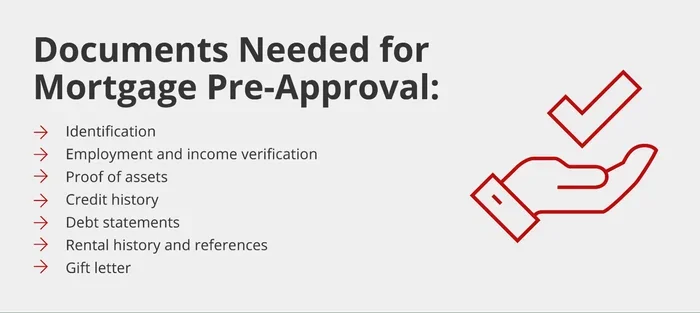
Before you apply, gather your documents. Check your income records, bank statements, and tax returns. Make sure your information is consistent. Lenders appreciate organized borrowers. This preparation can speed up the pre approval and reduce back and forth requests that might delay your search.
Also, compare lenders before you commit. Ask about their pre approval process. Ask whether they start with a soft check. Ask how long the pre approval lasts. These details help you choose a lender who fits your timeline and your score protection goals.
During the Mortgage Process
During the process, keep your credit behavior consistent. Pay your bills on time. Keep your balances low. Avoid large purchases on credit. Do not change jobs if you can help it, since income stability matters too. These habits support a smooth path from pre approval to final approval.
If you need to compare lenders, do it within a compact window. Get your pre approvals close together. Keep copies of your letters. Track expiration dates. This organized approach helps you shop wisely while keeping your score impact minimal.
After the Pre Approval
After you receive your pre approval, stay the course. Do not open new credit lines. Do not make big financial moves until your loan closes. Lenders may check your credit again before funding. A fresh hard inquiry or a new balance can complicate the final stage. Keep things steady so your approval holds.
If your score dips slightly after the pre approval, do not overreact. It is normal. Focus on the habits that build long term strength. On time payments, low utilization, and patience will help your score recover. In most cases, the small dip is a brief pause on your journey, not a roadblock.
Expert Insights and Common Mistakes to Avoid
Experts agree that a mortgage pre approval is a healthy step, not a credit disaster. The key is to treat it as part of a planned process. Prepare your file first. Shop within a focused window. Avoid unrelated applications. These habits keep the impact small and manageable.
One common mistake is panic. Some borrowers see a few points drop and assume they ruined their credit. That is not the case. Another mistake is over shopping. Applying with many lenders over several months can create multiple separate inquiries. That can add up. A third mistake is ignoring report errors. A mistake on your report can hurt you more than the inquiry itself.
Another mistake is misunderstanding the difference between pre qualification and pre approval. Starting with a hard pull before you are ready can waste an inquiry. Use the soft step first when you only need a rough estimate. Save the hard pull for when you are serious about making offers.
Quick Tips for a Smooth Experience
- Check your reports early: Fix errors before the hard pull.
- Lower card balances: Reduce utilization before you apply.
- Shop in a tight window: Keep mortgage inquiries close together.
- Pause other applications: Avoid new cards or loans during your home search.
- Use pre qualification first: Get a soft estimate before the hard pull.
- Keep paying on time: Consistency protects your score over time.
Common Mistakes to Skip
- Applying everywhere: Spreading applications across months can create multiple hits.
- Opening new credit: New accounts can lower your score and change your debt picture.
- Ignoring errors: Mistakes on your report can drag your score down unfairly.
- Panicking over a small dip: A few points is normal and usually temporary.
- Making big purchases on credit: Large balances can raise utilization and stress your file.
Final Thoughts on Does Mortgage Pre Approval Affect Credit Score
So, does mortgage pre approval affect credit score numbers? Yes, but usually in a small and temporary way. A hard inquiry may lower your score by a few points. The effect fades quickly when you keep your credit habits healthy. If you shop for lenders within a focused window, the scoring models often treat your comparisons as one inquiry. That makes rate shopping much safer.
The best approach is simple. Prepare your credit before you apply. Use pre qualification when you only need a rough idea. Move to pre approval when you are ready to make offers. Avoid unrelated applications during your home search. Keep paying your bills on time and keep your balances low. These steps help you protect your score while still moving toward homeownership.
A mortgage pre approval is a tool that helps you buy with confidence. It shows sellers you are serious. It helps you understand your budget. And yes, it may cause a tiny, short lived dip in your score. That is normal. With a little planning, you can handle it easily and keep your financial path on track.
Frequently Asked Questions
Does mortgage pre approval affect credit score if I only check my own credit first?
Checking your own credit is a soft inquiry, so it does not affect your score. A formal mortgage pre approval usually requires a hard inquiry, which may lower your score slightly. Starting with a self check helps you plan before the hard pull happens.
How long does a mortgage inquiry stay on my credit report?
A hard inquiry remains on your credit report for two years. Its impact on your score is usually strongest in the first few months and then fades quickly. Most borrowers see their score recover within a short period if they maintain good credit habits.
Will applying with multiple lenders hurt my score more?
Not if you shop within a compact window. Most scoring models treat multiple mortgage inquiries in a short period as a single inquiry for scoring purposes. Spreading applications across many months can create separate hits, so it is best to compare lenders quickly.
Is a pre qualification the same as a pre approval for my credit score?
No. A pre qualification often uses a soft inquiry and does not affect your score. A pre approval usually involves a hard inquiry because the lender verifies your full financial profile. Use pre qualification for an early estimate and pre approval when you are ready to make offers.
Can I improve my score before getting a mortgage pre approval?
Yes. Paying down credit card balances, correcting report errors, and avoiding new debt can help your score before the hard pull. On time payments and low utilization also strengthen your profile. These steps can help you enter the pre approval process from a better position.
Should I avoid all other credit applications while shopping for a mortgage?
It is wise to pause unrelated applications during your home search. New credit cards or auto loans can create additional hard inquiries and change your debt picture. Keeping your credit activity steady helps the mortgage inquiry remain a small, isolated event.
