
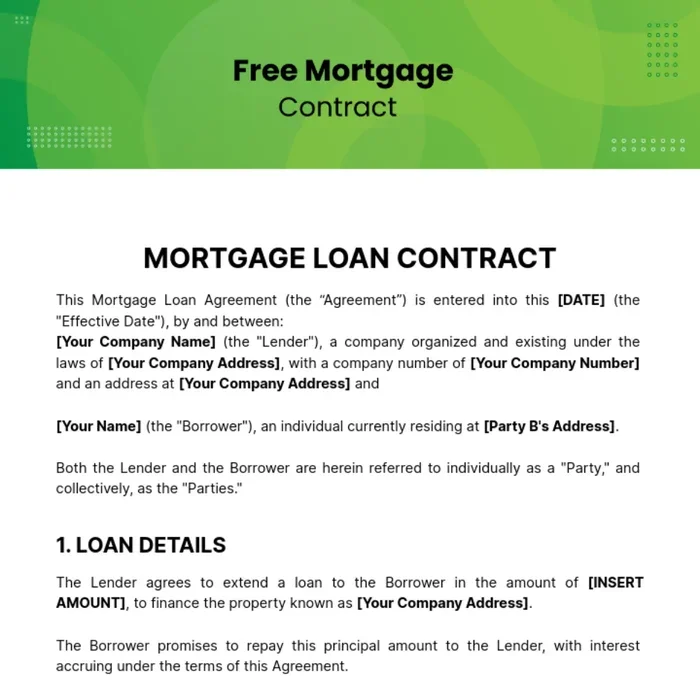
Banks switching currency on mortgage contracts voided situations create serious legal and financial trouble for homeowners. This guide explains why lenders change currencies, the risks involved, and how to protect your property rights. You will learn the steps to take if your contract terms change unexpectedly. Understanding these rules helps you avoid losing money or your home.
Buying a home is one of the biggest dreams in life. It represents stability and safety for your family. But what happens when the rules change without warning? Imagine signing a loan in one currency and waking up to find the terms altered. This is the reality of banks switching currency on mortgage contracts voided situations. It sounds confusing and scary. Many people do not know their rights when this happens.
Financial institutions sometimes face pressure from global markets. They might try to adjust loan terms to protect their interests. However, they cannot simply change the deal without consequences. When a bank switches currency without proper agreement, the contract may become invalid. This creates a lot of stress for the borrower. You might worry about losing your house or paying more money. It is important to understand the laws that govern these agreements.
This article will guide you through the complex world of mortgage contracts. We will look at why banks make these changes. We will also discuss what it means for a contract to be voided. You will learn how to spot warning signs early. Knowledge is your best defense against financial trouble. Let us explore how to keep your home loan secure.
Key Takeaways
- Contract Validity: Changing currency terms without consent can void the agreement.
- Legal Protection: Local laws often protect borrowers from unilateral changes.
- Financial Risk: Currency shifts can drastically increase your monthly payments.
- Communication: Always demand written notice before any contract changes.
- Professional Help: Consult a lawyer if you suspect unauthorized currency switching.
- Documentation: Keep all loan documents and correspondence safe.
- Early Action: Address discrepancies immediately to prevent foreclosure risks.
📑 Table of Contents
Understanding Mortgage Contract Basics
A mortgage contract is a legal promise between you and the lender. You agree to pay back money over a set time. The bank agrees to lend you the funds for your property. Everything must be clear in the document. The currency used is a key part of this deal. It determines how much you pay each month. If the currency changes, the value of your debt changes too.
Most contracts specify the currency explicitly. This protects both parties from market volatility. You know exactly what you owe in local money. The bank knows what they will receive. Clarity prevents disputes later on. When you sign the paper, you expect stability. You plan your budget based on these numbers. Unexpected changes disrupt your financial life.
Why Currency Matters in Loans
Currency value fluctuates constantly in the global market. A strong currency means you pay more if your income is in a weaker one. This risk is why contracts lock in the currency type. It creates a predictable environment for repayment. Borrowers need certainty to manage their household expenses. Lenders need certainty to manage their risk exposure.
When the agreed currency shifts, the balance of power changes. The borrower might end up paying much more than planned. This can lead to default or foreclosure. The bank might argue it is necessary for their survival. But the law usually favors the written agreement. You signed up for a specific deal. Changing it fundamentally alters the contract nature.
Why Banks Switch Currency Terms
Banks operate in a complex financial ecosystem. They deal with international funds and local regulations. Sometimes, the source of their lending money changes currency. They might pass this cost to the borrower. Other times, local laws devalue the national currency. The bank might try to switch to a stable foreign currency. They claim this protects the loan value.
However, this is often a breach of contract. They cannot force new terms on existing clients. It violates the principle of consent. You did not agree to this new risk. The bank might try to hide this in fine print. They hope borrowers will not notice the change. Ignorance is not a valid legal defense for them either. You have the right to know every term.
Market Volatility and Lender Risks
Global economies face ups and downs regularly. Inflation can erode the value of money quickly. Banks worry about losing value on long-term loans. They might seek to switch to a harder currency. This is common in countries with unstable economies. But it must be done legally and ethically.
Unilateral changes are rarely legal without clause support. The contract must allow for currency adjustment. Even then, there are usually limits and notice periods. Borrowers should read these clauses carefully. If the clause is vague, it might be unenforceable. Courts often look at the intent of the agreement. Fairness is a key principle in contract law.
Legal Implications of Voided Contracts
When a bank acts improperly, the contract may be voided. This means the agreement is no longer valid. It returns both parties to their pre-contract state. This is a serious legal outcome. It can stop foreclosure proceedings temporarily. It gives you time to negotiate or find new financing.
Courts examine the breach of terms closely. Did the bank follow the law? Did they notify you properly? Was the change material to the agreement? A material change affects the core value. Currency is definitely a material term. Changing it without consent is a major breach. You have grounds to challenge the bank.
Consumer Protection Laws
Many regions have strong consumer protection laws. These laws prevent unfair banking practices. They require transparency in all loan agreements. Banks must explain any changes clearly. They must give you time to respond. If they fail this, penalties may apply. You might be entitled to compensation too.
Regulatory bodies oversee banking activities strictly. You can file a complaint with them. They investigate unauthorized changes thoroughly. This adds pressure on the bank to resolve issues. Do not ignore these regulatory options. They exist to help people like you. Use them to protect your financial interests.
Signs Your Mortgage Terms Are Changing
You need to stay alert to any changes. Watch your monthly statements closely. Look for unusual currency codes or symbols. Check if the payment amount fluctuates wildly. These are red flags for currency switching. Do not assume it is just a rate change. Verify the currency type explicitly.
Communication from the bank is another clue. Look for letters about contract amendments. Read every document they send you. Do not throw them away thinking they are junk. Sometimes banks bury important news in newsletters. Stay proactive about your loan details. Knowledge prevents surprises later.
Checking Your Loan Documents
Review your original mortgage agreement today. Find the section on currency and payments. Note the specific language used there. Compare it with your latest statement. If there is a mismatch, ask questions immediately. Write down the dates of your inquiries. Keep records of all your communications.
Request a full copy of the current contract. Ensure it matches what you signed. Look for any addendums or riders. These might contain hidden change clauses. If you find discrepancies, seek legal advice. Do not sign anything new without understanding it. Your signature binds you to the terms.
Steps to Take If Contracts Are Voided
If you suspect a voided contract, act fast. Do not ignore the problem hoping it goes away. Contact the bank in writing immediately. State your concern clearly and politely. Ask for justification of the currency change. Request a revert to the original terms.
Gather all your evidence and documents. This includes emails, letters, and statements. Organize them chronologically for clarity. This helps your lawyer understand the case. You might need to escalate the issue. Consider filing a formal complaint with regulators. Legal action might be necessary in severe cases.
Seeking Professional Legal Advice
Lawyers specialize in banking and contract disputes. They know the local laws and precedents. A consultation can clarify your position quickly. They can write letters on your behalf. This often gets faster responses from banks. Do not try to fight complex banks alone. Professional help increases your chances of success.
Look for attorneys with relevant experience. Ask about their fees and payment structures. Some work on contingency for certain cases. Get a clear estimate before starting. Knowing the costs helps you plan financially. Your home is worth the investment in protection.
Protecting Yourself From Future Risks
Prevention is better than cure in finance. Read every clause before signing any loan. Ask questions about anything unclear. Demand clarity on currency terms specifically. Do not rush the signing process. Take your time to understand the commitment.
Monitor your loan performance regularly. Set up alerts for payment changes. Keep your contact information updated with the bank. Ensure you receive all official notices. Build a relationship with your loan officer. Good communication can resolve issues early. Stay informed about economic trends too.
Building Financial Resilience
Maintain an emergency fund for unexpected costs. This helps if payments increase temporarily. Diversify your income sources if possible. Do not rely on a single currency for all assets. Speak to a financial advisor about hedging risks. They can suggest strategies to protect your wealth.
Stay educated on banking regulations in your area. Laws change over time frequently. Knowing your rights keeps you empowered. Join consumer advocacy groups for support. They share information on common banking scams. Community knowledge is a powerful tool.
Expert Insights on Mortgage Stability
Experts agree that transparency is key. Banks should communicate changes openly. Borrowers should demand clarity always. Trust is the foundation of lending. When trust breaks, contracts suffer. Both sides must act in good faith.
Legal experts suggest documenting everything. Written records win disputes often. Verbal agreements are hard to prove. Always follow up phone calls with emails. This creates a paper trail for evidence. It protects you if things go wrong.
Common Mistakes to Avoid
Many people ignore small changes initially. This allows problems to grow larger. Do not dismiss minor discrepancies. Investigate them right away. Another mistake is delaying legal help. Time limits exist for filing claims. Act within the statutory periods always.
Some borrowers stop paying out of anger. This hurts your credit score badly. It gives the bank more leverage against you. Continue paying while disputing the terms. Protect your credit reputation fiercely. It is vital for your future financial health.
Key Takeaways for Homeowners
Understanding your mortgage protects your home. Know the currency terms in your contract. Watch for unauthorized changes closely. Act quickly if you see issues. Seek professional help when needed. Your financial stability depends on vigilance. Stay proactive and informed always.
Banks switching currency on mortgage contracts voided situations are serious. But you have rights and options. Do not feel powerless against large institutions. The law supports fair dealing. Use the information here to stand your ground. Your home is your sanctuary. Protect it with knowledge and action.
Frequently Asked Questions
What does it mean when a mortgage contract is voided?
A voided contract means the agreement is no longer legally binding. It usually happens due to a major breach of terms. You may not have to follow the new currency rules. Consult a lawyer to confirm your specific situation.
Can a bank change my mortgage currency without asking?
Generally, no. Banks need your consent to change material terms. Unilateral changes are often illegal or unenforceable. You should review your contract clauses carefully. Legal advice can help you challenge this.
What are the signs of currency switching in my loan?
Look for changes in payment amounts or currency codes. Check your statements for foreign currency symbols. Read any amendment letters from the bank closely. Discrepancies in the total owed are also warning signs.
Is it safe to ignore bank notices about contract changes?
No, ignoring notices can hurt your case later. You should respond in writing to dispute changes. Keep records of all your communications. Ignoring them might be seen as acceptance of terms.
How can I protect my mortgage from currency risks?
Read all contract terms before signing anything. Ask specific questions about currency stability. Monitor your statements regularly for errors. Consider fixed-rate loans in stable currencies.
When should I hire a lawyer for mortgage issues?
Hire a lawyer if you suspect unauthorized changes. Seek help if the bank threatens foreclosure. Legal experts can negotiate on your behalf. Early intervention often leads to better outcomes.
