
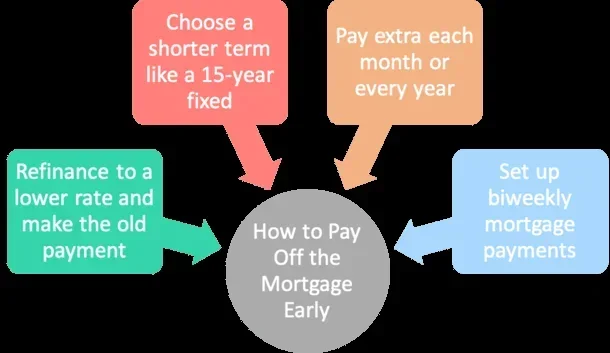
Paying off your 30 year mortgage in 15 years fast is possible with discipline and smart planning. You can save thousands in interest and own your home sooner. Start by making extra payments and cutting unnecessary costs. Small changes add up quickly over time.
Owning a home feels amazing. But that thirty year mortgage can look scary. Many people want freedom sooner. They dream of no monthly payments. You can make that dream real. Paying your 30 year mortgage off in 15 years fast takes effort. It also takes a clear plan. This guide shows you how. We keep things simple. You do not need fancy math. You just need consistency.
Think about what you could do with extra money. Imagine no house payment every month. That cash could go to travel. It could fund your retirement. It could help your kids. The freedom is worth the work. You might worry it is too hard. It is not. Small steps build big results. Let us walk through the steps together. You will learn practical tricks. You will see real numbers. You will feel confident to start.
Key Takeaways
- Extra Payments Matter: Even small additional payments reduce principal faster and save interest.
- Biweekly Plans Work: Switching to biweekly payments adds one extra month of payments each year.
- Refinancing Helps: Lower interest rates can accelerate your payoff timeline significantly.
- Budget Tightening: Cutting daily expenses frees up cash for mortgage principal.
- Windfalls Count: Use tax refunds, bonuses, or gifts to make lump sum payments.
- Stay Consistent: Automatic payments keep you on track without thinking about it.
- Check Penalties: Always verify prepayment penalties before making large extra payments.
📑 Table of Contents
Why Pay Your 30 Year Mortgage Off In 15 Years Fast
Most people accept the full thirty years. They assume that is just how it works. But you have choices. Paying half the time saves a lot. Interest is the real cost here. Banks earn billions from interest. You can keep that money instead. A shorter timeline means less interest paid. It also builds equity faster. You own more of your home sooner.
This path also reduces stress. Debt can feel heavy. Watching the balance drop helps. You sleep better at night. You gain financial breathing room. Life changes too. Jobs shift. Families grow. Owning your home outright gives stability. It protects you in hard times. That is why many choose this route.
The Interest Savings Are Huge
Let us look at a simple example. Say you borrow three hundred thousand dollars. The rate is six percent. Over thirty years, you pay a lot of interest. The total cost climbs high. Now cut that time in half. You pay far less interest. The savings can be tens of thousands. That money stays in your pocket. You can invest it elsewhere. You can enjoy life more.
Numbers vary by location and rate. But the principle stays the same. Less time means less interest. That is the core benefit. You work hard for your money. Keep more of it. This is one of the best financial moves you can make.
Make Extra Payments Each Month
The easiest way to speed things up is simple. Pay more than the minimum. Even a little helps. Add fifty dollars extra each month. That small amount chips away at the principal. The principal is the loan balance. Lower balance means less interest next month. It creates a snowball effect. Your payments work harder over time.
You do not need a huge sum. Consistency matters most. Pick an amount you can afford. Make it automatic. Set up an automatic transfer. That way you never forget. You treat it like a bill. You pay it first. This habit builds momentum quickly.
Use Biweekly Payment Plans
Another smart trick is changing your schedule. Most people pay once a month. Try paying every two weeks instead. You make half the payment each time. That equals twenty six half payments a year. That is thirteen full payments. You make one extra payment without noticing. This alone shaves years off the loan.
Many lenders offer this option. Some charge a small fee. Check the terms first. You can also do it yourself. Just split your payment. Send it every two weeks. Track it in a spreadsheet. The result is the same. You pay faster with less effort.
Refinance To A Shorter Term
Refinancing can change your whole timeline. You might switch to a fifteen year loan. The interest rate is often lower. Shorter loans carry less risk for banks. They reward you with better rates. Your monthly payment may rise. But the total interest drops a lot. You still reach your goal faster.
This works best when rates are low. Watch the market closely. Talk to a few lenders. Compare the numbers side by side. Look at closing costs too. Make sure the savings outweigh the fees. A good refinance can save you years. It can also lower your rate. That is a double win.
Compare Monthly Payment Vs Total Cost
Some people fear higher monthly payments. That worry is normal. But look at the full picture. A fifteen year loan costs more each month. Yet you pay it off in half the time. You stop paying sooner. You save on interest big time. Use a simple comparison table to decide.
Here is a quick look at the trade off:
- Thirty year loan: Lower monthly payment. Higher total interest. Longer debt.
- Fifteen year loan: Higher monthly payment. Much lower total interest. Faster freedom.
- Extra payments on thirty year: Flexible. You control the pace. Good if income varies.
Choose what fits your life. Flexibility matters for some. Speed matters for others. Both paths can work. The key is intention. Do not just drift along. Pick a plan and stick to it.
Cut Expenses And Redirect Cash
You need cash to pay faster. Finding that cash starts with a budget. Look at where your money goes. Track every dollar for a month. You will spot leaks. Maybe you dine out too much. Maybe you pay for unused subscriptions. Small cuts add up fast. Redirect that money to your mortgage.
Try the envelope method. Put cash in categories. When it is gone, stop spending. This builds discipline. You also free up mental space. You know exactly where you stand. That clarity helps you stay on track. You can also sell things you do not need. Turn clutter into extra payments.
Use Windfalls Wisely
Life brings surprise money sometimes. Tax refunds are common. Work bonuses happen too. Family gifts can arrive. Do not spend these on fleeting things. Put them straight toward the principal. One big payment makes a dent. It lowers the balance instantly. That reduces future interest charges.
Make a rule for windfalls. Decide ahead of time. Say fifty percent goes to the mortgage. The rest goes to savings or fun. This keeps you balanced. You still enjoy life. But you move toward freedom. That is a healthy trade off.
Stay Motivated And Track Progress
Long goals need fuel. Motivation keeps you going. Track your balance every month. Watch the number drop. Celebrate small wins. Pay off ten thousand dollars? Mark it. Hit the halfway point? Celebrate again. These moments matter. They remind you why you started.
Share your goal with someone. A friend can keep you accountable. You can also join online groups. People share tips and cheers. You feel less alone. You pick up new ideas. Community makes hard things easier. You also learn from others mistakes. That saves you time.
Avoid Common Mistakes
Many people start strong. Then they drift. Life gets busy. Extra payments stop. Do not let that happen. Set reminders. Keep your auto payments active. Review your budget each quarter. Adjust when needed. Life changes. Your plan should too.
Watch out for prepayment penalties. Some loans charge you for paying early. Read your contract carefully. Ask your lender direct questions. You want full clarity. Also avoid using emergency savings to pay extra. Keep a safety net. You need cash for surprises. Balance speed with safety.
Expert Insights On Paying Your 30 Year Mortgage Off In 15 Years Fast
Financial experts agree on a few things. First, start early. Time is your best friend. Second, keep it simple. Complex plans fail. Third, protect your emergency fund. Do not risk your stability. Fourth, review your loan terms yearly. Rates and rules change. Stay informed.
Experts also warn against burnout. Do not squeeze every dollar. Leave room for joy. A strict plan that breaks is useless. A flexible plan that lasts wins. Find your sweet spot. Push hard, but breathe. You are building a life, not just paying a loan.
Many people also ask about investments. Should you pay the mortgage or invest? It depends on your rate. If your loan rate is high, pay it down. If your rate is low, investing may win. Compare the numbers. Think about your risk tolerance. There is no single right answer. Your situation guides the choice.
Key Takeaways For Your Journey
You now have a clear path. Paying your 30 year mortgage off in 15 years fast is within reach. Use extra payments. Try biweekly scheduling. Consider refinancing. Trim your budget. Use windfalls wisely. Track your progress. Avoid common traps. Stay steady. These steps work together. They build speed over time.
Remember why you started. Picture your debt free home. Feel the relief. That vision powers you through tough days. You do not need perfection. You need persistence. Start with one small step today. Send an extra fifty dollars. Set up a biweekly plan. Call a lender for refinance quotes. Action creates momentum. Momentum creates results.
Your home should support your life. It should not chain you down. Take control of your timeline. You can do this. Many have done it before you. You can join them. Keep your eyes on the goal. Celebrate each win. Keep moving forward. Freedom is closer than you think.
Frequently Asked Questions
Can I pay my 30 year mortgage off in 15 years without refinancing?
Yes, you can. Make extra payments toward the principal each month. Even small amounts add up over time. Consistency matters more than size.
Will my monthly payment go up if I pay faster?
Not necessarily. If you keep the same loan, your required payment stays the same. You just add extra on top. Refinancing to a shorter term may raise the required payment.
Are there penalties for paying my mortgage early?
Some loans have prepayment penalties. Check your loan agreement carefully. Ask your lender about any fees. Most modern loans do not charge this.
Is it better to invest or pay off my mortgage early?
It depends on your interest rate and goals. High loan rates favor paying down debt. Low rates may favor investing. Compare returns and risk before deciding.
How much extra should I pay each month?
Start with an amount you can sustain. Fifty to one hundred dollars is a common start. Increase it when your budget allows. The best amount is one you can keep paying.
Does a biweekly payment plan really save years?
Yes, it usually does. You make one extra full payment each year. That extra amount reduces principal faster. Many lenders offer this option.
