
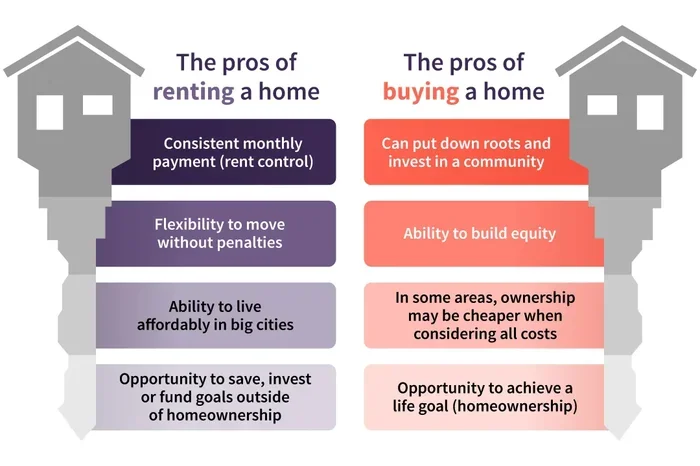
Understanding whats the difference between mortgage and rent helps you plan your money better. A mortgage builds equity over time while rent gives you flexibility without long-term commitment. Both options have unique costs and benefits depending on your lifestyle goals. We will break down payments, ownership rights, and hidden fees clearly. You will learn which choice fits your budget and personal situation best.
Key Takeaways
- Ownership vs. Flexibility: A mortgage builds equity while rent offers freedom to move quickly without property ties.
- Monthly Costs Differ: Mortgage payments often include principal and interest while rent covers housing usage only.
- Maintenance Responsibility: Homeowners handle repairs themselves while landlords fix issues for renters.
- Long-Term Wealth: Buying creates asset value over time whereas renting does not build personal equity.
- Upfront Expenses: Mortgages need down payments and closing costs while renting requires security deposits and first month rent.
- Market Risks: Home values can rise or fall while rent prices change based on local demand and lease terms.
- Lifestyle Fit: Your career stability and future plans should guide whether you buy or rent right now.
[FEATURED_IMAGE_PLACEHOLDER]
📑 Table of Contents
- Understanding Whats The Difference Between Mortgage And Rent
- The Core Financial Structure
- Ownership Rights and Responsibilities
- Long-Term Wealth and Equity Building
- Upfront Costs and Monthly Budget Impact
- Lifestyle Fit and Future Plans
- Common Mistakes to Avoid
- Final Thoughts on Whats The Difference Between Mortgage And Rent
Understanding Whats The Difference Between Mortgage And Rent
Many people ask whats the difference between mortgage and rent when they think about their next home. This question matters because housing costs take a big part of your monthly budget. You want to know where your money goes each month. You also want to know what you get in return for those payments.
Some folks dream of owning a house someday. Others prefer the freedom to move when life changes. Both paths have real value. The right choice depends on your income, your goals, and your timeline. We will walk through the main points step by step so you can feel confident about your decision.
Let us start with the basic idea. A mortgage is a loan that helps you buy a property. You pay the lender over many years. Rent is a payment you make to live in a place owned by someone else. You do not own the property when you rent. That simple distinction shapes everything else that follows.
The Core Financial Structure
Money flow looks different in each case. When you pay a mortgage, part of your check goes to the loan balance. Another part goes to interest. Some payments also cover taxes and insurance. This mix changes over time as you pay down the loan.
Rent works in a simpler way. You pay a set amount each month. That amount covers your right to live there for that period. You do not pay down any loan. You do not build ownership. The landlord uses that money to cover their own costs and profit.
Principal and Interest Breakdown
A mortgage payment often has two main parts. The principal reduces what you owe. The interest is the cost of borrowing money. Early in the loan, interest takes a larger share. Later, more of your payment goes to the principal. This shift happens slowly over the life of the loan.
Rent does not have this split. You pay one flat amount. The landlord handles the property loan, taxes, and repairs. You just pay for your space. This makes rent easier to predict each month. You know exactly what leaves your account.
Hidden Costs to Watch
Both options carry extra costs that people sometimes miss. Homeowners face repair bills, yard work, and appliance replacements. Renters usually avoid these costs. But renters may pay fees for pets, parking, or early lease breaks. You should look at the full picture before you decide.
It helps to list every cost you might face. This list keeps you from feeling surprised later. You can also compare total yearly spending instead of just monthly payments. That broader view shows the true cost of each choice.
Ownership Rights and Responsibilities
When you buy with a mortgage, you hold the title to the property. That means you can paint walls, add a fence, or change the flooring. You also take on the duty to keep the home in good shape. If the roof leaks, you call the repair person and pay the bill.
Renting gives you fewer rights to change the space. You usually cannot make major updates. You also have less duty for big repairs. The landlord must handle structural issues and major systems. This can feel like a relief when you do not want to manage home upkeep.
Control Over Your Space
Owners enjoy more freedom to shape their environment. You can garden, remodel, and decorate as you like. This control can make a house feel truly yours. It can also boost your enjoyment of daily life. Many people value this sense of personal space highly.
Renters live by the lease rules. Some landlords allow small changes like paint or shelves. Others want the unit exactly as it was when you moved in. You should read the lease carefully before you sign. Clear rules save you from trouble later.
Maintenance and Repair Duties
Homeowners carry the full load for maintenance. You must plan for seasonal tasks like heating checks, gutter cleaning, and lawn care. You also need an emergency fund for sudden breaks. This work takes time and money. It can be rewarding if you enjoy home projects.
Renters usually submit repair requests and wait for action. The landlord or property manager handles the fix. This saves you time and stress. It also removes the need for tool kits and repair skills. Many busy people prefer this setup.
Long-Term Wealth and Equity Building
One big reason people buy is the chance to build equity. Equity is the part of the home you truly own. It grows as you pay down the loan and as the property value rises. Over time, this can become a meaningful financial asset.
Rent does not create equity. Your payments cover housing use only. You do not own a piece of the building. That does not make renting bad. It just means your money goes toward living space instead of an asset. Both paths can work well depending on your goals.
How Equity Grows Over Time
Equity rises in two main ways. First, each mortgage payment reduces the loan balance. Second, market value may increase over the years. If the home value goes up, your equity grows faster. This can help you later when you sell or refinance.
Keep in mind that home values can also dip. Markets change with local jobs, interest rates, and supply. You should think about a longer stay when you buy. A short timeline can make buying less beneficial. Planning ahead helps you avoid stress.
Rent as a Flexible Strategy
Renting can be a smart move when life feels uncertain. You can move for a new job, family needs, or a change of scenery. You do not worry about selling a home or covering two houses at once. This flexibility has real value for many people.
Some renters invest the money they save from lower upfront costs. They put funds into retirement accounts or other assets. This approach can also build wealth over time. The key is to use the flexibility wisely and save consistently.
Upfront Costs and Monthly Budget Impact
Buying usually needs more cash at the start. You need a down payment, closing costs, and often moving expenses. You may also want an emergency fund for early repairs. These costs can feel heavy at first. Planning helps you manage them better.
Renting often needs a smaller start. You usually pay a security deposit and the first month rent. Some places ask for the last month too. You may also pay application fees or pet deposits. The barrier to entry is often lower than buying.
Budget Planning Tips
Look at your full monthly income before you choose. Add up rent or mortgage, utilities, insurance, and maintenance. Leave room for savings and fun. A tight budget can cause stress even if the house is beautiful. Balance matters more than flash.
Try to keep housing costs within a comfortable share of your income. Many people use a simple rule of thumb to stay on track. You can adjust that rule to fit your local market and personal goals. The best budget is one you can keep during busy months and slow months alike.
Quick Tips for Smart Choices
- Track all housing costs, not just the base payment.
- Save for emergencies before you buy a home.
- Read leases carefully to avoid surprise fees.
- Compare total yearly costs instead of monthly numbers alone.
- Think about your timeline before you commit to a loan.
Lifestyle Fit and Future Plans
Your life stage matters a lot. A young professional may value mobility and low upfront costs. A growing family may want stable roots and more space. A retiree may prefer a smaller place with less upkeep. There is no single answer for everyone.
Think about your job, your family, and your plans for the next few years. If you may move soon, renting can feel easier. If you want to settle down, buying may fit better. Your comfort and stability matter just as much as the numbers.
When Renting Makes Sense
Renting works well when you want to test a new neighborhood. It also helps when your income is changing or your family is growing. You can move without the stress of selling a property. This freedom can save time and money during big life shifts.
Renting also suits people who do not want home repair duties. If you prefer weekends for hobbies or family time, a rental can free you from yard work and project stress. That trade-off is worth a lot to some people.
When Buying Makes Sense
Buying fits well when you want long-term stability. It can also suit people who enjoy home projects and customization. If you plan to stay in one area for many years, ownership may feel rewarding. You can put down roots and shape your space.
Buying can also support long-term financial goals. Over time, equity may help you fund retirement or a future move. This path takes patience and care. It works best when your income and plans feel steady.
Common Mistakes to Avoid
People often focus only on the monthly payment. That view can hide the real cost of each option. A mortgage may seem higher, but it builds equity. Rent may seem simpler, but it does not create ownership. Look at the full picture.
Another mistake is ignoring maintenance and repair costs. New owners sometimes feel shocked by the first big fix. Renters sometimes assume every repair is free, but some leases have fees or limits. Read the details before you sign anything.
Expert Insights on Choosing Well
Financial advisors often suggest matching your housing choice to your timeline. If you may move in a few years, renting can reduce hassle and cost. If you plan to stay longer, buying may offer more stability and potential gain. Your personal plan matters most.
Experts also remind people to keep an emergency fund. Homeownership can bring surprise bills. Renting can bring lease changes or move costs. A cash cushion helps you handle both paths with less stress. Peace of mind is a real benefit.
Key Takeaways for Your Decision
- Match the choice to your timeline and life plans.
- Compare total costs, including repairs, fees, and moving expenses.
- Think about flexibility if your job or family may change soon.
- Consider equity if long-term wealth is a top goal.
- Keep savings ready for surprises in either path.
Final Thoughts on Whats The Difference Between Mortgage And Rent
So whats the difference between mortgage and rent at the end of the day? A mortgage helps you buy a home and build equity over time. Rent gives you a place to live with more flexibility and less upkeep. Both can fit a smart budget when you understand the trade-offs.
Your best choice depends on your money, your goals, and your plans. If you want stability and ownership, a mortgage may be the better path. If you want freedom and lower upfront costs, renting may suit you well. Either way, clear planning leads to better results.
Take your time, compare the numbers, and think about your future. A good housing choice supports your life instead of stressing it. When you know whats the difference between mortgage and rent, you can move forward with confidence and peace of mind.
Frequently Asked Questions
Is a mortgage always more expensive than rent?
Not always. A mortgage can cost more each month, but it also builds equity and may offer long-term value. Rent may be lower upfront, but it does not create ownership. The best choice depends on your local market and personal budget.
What costs do renters need to plan for?
Renters should plan for security deposits, first month rent, and possible application fees. You may also face pet fees, parking charges, or lease break costs. It helps to read the lease carefully before you sign.
How does equity help a homeowner?
Equity is the part of the home you truly own. It grows as you pay down the loan and as the property value rises. This can give you more financial options later, such as selling or refinancing.
Can renting be a good long-term choice?
Yes, renting can work well for people who value flexibility or want to avoid repair duties. Some renters also invest their savings in other ways. The right choice depends on your goals and life stage.
What should I check before buying a home?
You should check your budget, job stability, down payment, and how long you plan to stay. It also helps to save for repairs and moving costs. A clear plan makes the buying process much smoother.
Do renters ever build wealth like homeowners?
Renters can still build wealth by saving and investing in other assets. Homeownership is one path to equity, but it is not the only path. Good money habits matter more than the type of housing you choose.
