

Separation in a marriage means living apart while staying legally married. It can be a cooling-off period or a step toward divorce. Many couples use it to fix problems. Others use it to prepare for ending things. Understanding what separation means helps you make smart choices.
This is a comprehensive guide about What Does Separation In A Marriage Mean.
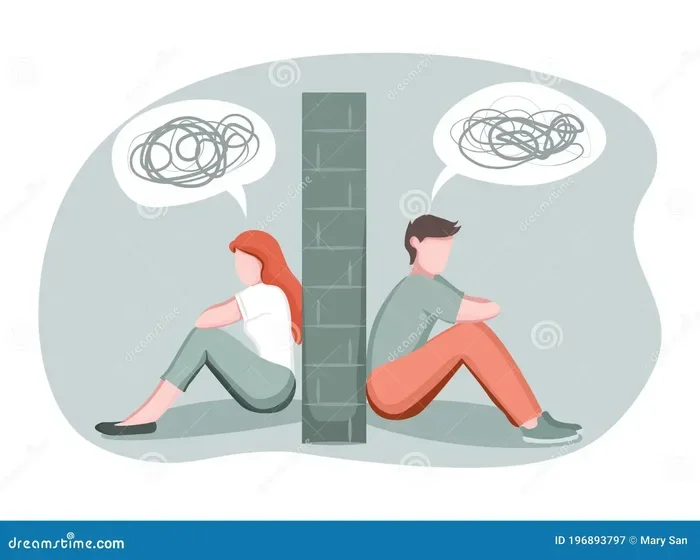
Visual guide about married couple separation concept
Image source: thumbs.dreamstime.com
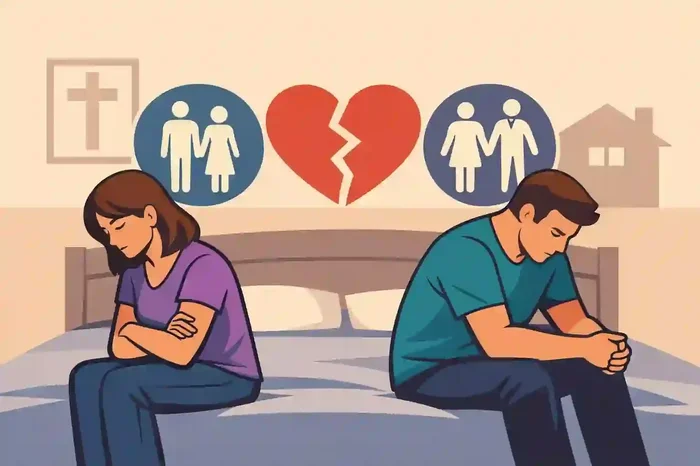
Visual guide about married couple separation concept
Image source: media.invisioncic.com

Visual guide about married couple separation concept
Image source: media.invisioncic.com
Key Takeaways
- Separation means living apart: You stay married but live in different homes.
- It can be a trial period: Some couples use it to test if divorce is needed.
- Legal rules vary by state: You must follow local laws about separation.
- Communication matters most: Clear talks prevent confusion and hurt.
- It does not guarantee divorce: Some couples reconcile and stay together.
- Financial ties may remain: You may still share debts or assets.
- Kids need extra care: Children feel the change deeply.
[FEATURED_IMAGE_PLACEHOLDER]
What Does Separation in a Marriage Mean
Marriage is a big promise. Sometimes that promise gets hard to keep. Life brings stress, fights, and growing apart. When things get rough, some couples choose to live apart. This step is called separation in a marriage. It is not divorce. You are still married in the eyes of the law. But you stop sharing a home and daily life.
People ask what does separation in a marriage mean because the answer is not simple. It can mean many things. For some, it is a pause. For others, it is a path to ending the marriage. The meaning depends on why you choose it and what you hope to gain. This article will help you understand the real meaning. You will learn the types, the rules, and the outcomes. You will also learn how to handle it with care.
The Real Meaning Behind Separation
At its core, separation in a marriage means you and your spouse live in different places. You may sleep in different beds. You may eat meals alone. You may stop doing daily tasks together. But you do not file divorce papers yet. The legal tie stays in place. This gives you space to think and breathe.
Many people think separation means the marriage is over. That is not always true. Some couples use it to cool down after a big fight. Others use it to see if they can live without each other. It can be a test. It can be a reset. It can also be a slow walk toward divorce. The meaning changes based on your goals.
It helps to know that separation meaning is personal. One couple may see it as a chance to fix things. Another may see it as the first step to parting ways. You and your spouse should talk about what it means for you. Write down your goals. Be clear about what you want. This stops mixed signals and hurt feelings.
Why Couples Choose to Separate
Couples choose separation for many reasons. Some need space after a heated argument. Others want to step back from constant tension. Here are common reasons:
- Constant conflict: Fights happen too often and go nowhere.
- Loss of trust: Cheating, lying, or secrecy breaks trust.
- Growing apart: Interests, goals, or values change over time.
- Stress overload: Money, work, or family pressure builds up.
- Need for clarity: One or both partners need time to think.
- Safety concerns: Abuse or fear makes living together unsafe.
When these issues pile up, living together can feel heavy. Marital separation gives room to sort things out. It can lower daily stress. It can also show you what life looks like apart. That view can guide your next step.
Types of Separation You Should Know
Not all separations look the same. The type you choose shapes what happens next. Some are informal. Some are legal. Some are short. Some last a long time. Knowing the types of separation helps you pick the right path.
Informal Separation
This is the most common type. You simply move out or ask your spouse to move out. No lawyer is involved. No court papers are filed. You agree on basics like bills, kids, and visits. This type is flexible. It is also less protected. If things go wrong, there is no legal paper to guide you. That is why clear agreements matter.
Legal Separation
Legal separation is a formal step. You file papers with the court. A judge may approve terms for money, custody, and support. You stay married, but your rights and duties are defined. This option gives more structure. It can protect both sides. It also costs more and takes more time. People often choose this when they want space but still hope to fix the marriage.
Trial Separation
A trial separation is a set period of living apart. You may agree on a date to check in again. This works well when both people want to save the marriage. It gives you a clear window to reflect. You can ask, “Do I feel better apart?” “Do I miss my spouse?” “Can we solve the real problem?” This type can lead to reconciliation or to divorce.
Legal and Financial Aspects of Separation
Many people forget that separation in a marriage still carries legal weight. You are still married. That means some ties remain. Money, debt, and property do not always split on their own. You need to understand the rules in your state.
Money and Debt During Separation
When you live apart, bills can get messy. Who pays the rent? Who pays the credit card? Do you keep joint accounts open? These questions need answers. If you share accounts, both names may still be on the debt. That means one person’s spending can affect the other. It is smart to separate finances where possible. Open your own account. Track your own spending. Keep records of who pays what.
Property and Assets
Joint property stays joint until you divide it. A house, a car, or a savings account may belong to both. If you plan to divorce later, these items will need division. If you hope to reconcile, you may keep them shared. Either way, write down what you own together. Make a simple list. This prevents fights later.
Legal Rights and Rules
Laws differ by place. Some states recognize legal separation. Some do not. Some states have rules about how long you can be apart before divorce papers change. A legal separation can affect alimony, custody, and property later. It is wise to learn the local rules. A short talk with a family law expert can save you trouble. You do not need to hire one for every step, but you should know your rights.
Emotional Impact on Both Partners
Living apart stirs strong feelings. Some people feel relief. Some feel fear. Some feel guilt. Others feel hope. Emotional impact varies from person to person. The same separation can feel like a fresh start to one partner and a heartbreak to the other.
Common Feelings During Separation
You may notice a mix of emotions. That is normal. Here are feelings people often report:
- Relief: Less daily tension can feel like a weight lifted.
- Loneliness: Missing shared routines can hurt.
- Confusion: Not knowing the end goal can feel unsettling.
- Hope: Some see separation as a chance to heal.
- Anger: Old wounds may still sting.
- Fear: Worry about divorce or losing the family can grow.
These feelings can change week to week. That is why patience matters. Do not rush to judge the whole experience in the first few days. Give yourself time to adjust.
How It Affects Self-Worth
Some people start to doubt themselves during separation. They ask, “Did I fail?” “Am I not enough?” “What did I do wrong?” These thoughts can drain confidence. Try to keep a balanced view. Separation is a situation, not a verdict on your value. You can learn from it. You can grow from it. You can also choose what comes next with a clear mind.
How to Navigate Separation Constructively
Separation works best when you handle it with care. It is not a vacation. It is a serious step. You can use it to build clarity or create more damage. The choice is in your daily actions. Here are practical ways to move through it well.
Set Clear Ground Rules
Talk about the basics first. Cover these points:
- Living arrangements: Who stays in the home? Who moves out?
- Money: How will bills be split? Which accounts stay open?
- Kids: Where will the children sleep? How will visits work?
- Communication: How often will you talk? By text, call, or email?
- Guests and dating: Are other people allowed around the kids? Can either partner date?
Write these rules down. A simple note on paper can prevent confusion. Revisit the rules after a few weeks. Adjust them if needed.
Keep Communication Respectful
You do not have to agree on everything. But you do need to speak with respect. Use calm words. Avoid blame. Focus on the present issue. If a talk gets heated, take a break. Come back later. Good communication lowers the chance of hurtful fights. It also protects children from tension.
Make Time for Reflection
Use the space to think honestly. Ask yourself:
- What problems led to this separation?
- Which issues can be fixed?
- What changes do I need to make?
- Do I want to rebuild the marriage?
- What would a healthy relationship look like for me?
Journaling can help. Write a few lines each day. Patterns will show up over time. You may see the same issue again and again. That clue matters. It points to the real work ahead.
Protect the Children
Kids feel separation deeply. They may worry, act out, or blame themselves. Keep their routine steady. Tell them the truth in simple words. Reassure them that they are loved. Avoid putting them in the middle. Do not ask them to carry messages. Do not speak badly about the other parent. Children do best when adults keep the peace around them.
Know When to Get Help
Sometimes separation brings more pain than expected. A counselor can help you sort feelings and choices. A financial advisor can help with money questions. A lawyer can explain your legal options. Getting help is not a sign of failure. It is a smart move. Support can keep you from making rushed decisions.
Signs Separation May Lead to Reconciliation
Not every separation ends in divorce. Some couples come back together with better habits. They learn how to fight fair. They learn what each person needs. They build a new rhythm. Here are signs that reconciliation may be possible:
- Both partners show up to talk honestly.
- The real problems get named and addressed.
- Trust starts to rebuild through small actions.
- Kids are kept safe and calm.
- Money and home rules feel fair to both.
- Each person takes responsibility for their part.
Reconciliation takes work. It is not just moving back under one roof. It is changing the patterns that caused the split. If both people are willing, separation can become a turning point.
Signs Separation May Lead to Divorce
Sometimes separation confirms that the marriage is ending. The space shows that the problems are deep. The distance feels right. The stress drops when you are apart. Here are signs that divorce may be the likely path:
- One or both partners stop trying to fix things.
- Trust cannot be rebuilt after repeated breaks.
- Core values or life goals no longer match.
- Separation brings peace, not pain.
- Communication stays hostile no matter what you try.
- Legal or financial steps are already moving forward.
If this sounds familiar, do not rush. Take your time. Make decisions with care. Divorce is a big change. Knowing what does separation in a marriage mean for your future can help you prepare.
Common Mistakes During Separation
People often make the same errors when they separate. Avoiding these traps can save you pain and money.
Mistake 1: No Clear Plan
Drifting without rules leads to confusion. Bills get missed. Kids get caught in the middle. Talks turn into fights. Set a simple plan early.
Mistake 2: Using Kids as Messengers
This puts too much weight on children. It creates stress and loyalty conflicts. Talk directly with your spouse. Keep kids out of adult issues.
Mistake 3: Dating Too Fast
Starting a new romance right away can cause hurt and legal trouble. It can also block reconciliation if one partner still hopes to fix the marriage. Be thoughtful. Check your local rules too.
Mistake 4: Mixing Money Without Records
Shared spending without tracking creates disputes. Keep receipts. Use separate accounts when you can. Save notes on who paid for what.
Mistake 5: Assuming Separation Fixes Everything
Space alone does not solve deep problems. If the core issues stay hidden, the same fights will return. Use the time to learn and change.
Expert Insights on Making Separation Work
Experts often say that separation is a tool, not a solution. It gives you room. What you do with that room matters most. Here are common insights from relationship professionals:
Focus on the Real Issue
Surface fights often hide deeper needs. One partner may want respect. The other may want safety. One may need help with stress. The other may need appreciation. Name the real need. That is where healing starts.
Use Small Wins
Big fixes take time. Small wins build trust. Show up on time. Keep a promise. Speak kindly. Follow through on a plan. These small acts add up. They prove change is possible.
Keep the End Goal in Mind
Ask yourself what you want at the end. Do you want a healthier marriage? Do you want a peaceful split? Your goal shapes your choices. Let that goal guide your daily steps.
Take Care of Your Health
Separation is stressful. Sleep, food, movement, and support matter. Do not ignore your own needs. A tired mind makes poor choices. A cared-for mind sees clearer.
Key Takeaways for Your Next Steps
Separation is a major step. It can bring clarity, relief, and growth. It can also bring fear and uncertainty. The outcome depends on how you handle it. Keep these points in mind:
- Define the meaning: Decide what separation means for your marriage.
- Set clear rules: Cover money, kids, housing, and communication.
- Protect the children: Keep their world steady and safe.
- Track finances: Separate accounts and keep records.
- Check the law: Learn your local rules about legal separation.
- Reflect honestly: Use the space to learn what you need.
- Seek support: Counselors, lawyers, and advisors can help.
If you are asking what does separation in a marriage mean for your life, start with clarity. Write your goals. Talk with your spouse. Build a simple plan. Then take the next step with care.
Frequently Asked Questions
What does separation in a marriage mean legally?
Legally, separation means you live apart but stay married. In some places, you can file for legal separation to set rules for money and kids. Laws vary by state, so check your local rules.
Can separation save a marriage?
Yes, it can. Some couples use the space to calm down and fix core problems. It works best when both people commit to honest talks and real change.
How long should a separation last?
There is no fixed rule. Some couples set a few weeks or months to check in. Others stay apart longer. The right length depends on your goals and the issues you face.
Do I need a lawyer for separation?
Not always. Informal separation does not require a lawyer. Legal separation may need one to file papers and set terms. A short consult can help you understand your options.
What should I tell my children about separation?
Use simple, honest words. Reassure them that they are loved and safe. Keep adult details private. Let them know their routine will stay as normal as possible.
Does separation affect money and debt?
Yes, it can. Joint accounts and debts may still tie you together. It is wise to separate finances where possible and keep clear records of bills and payments.
Is it okay to date during separation?
It depends on your goals and local rules. Dating can complicate reconciliation and may affect legal terms. Think carefully before starting a new relationship during this time.
Final Thoughts
Separation in a marriage is a serious step with many possible meanings. For some, it is a pause that brings peace and clarity. For others, it is the start of a new chapter apart. The key is to know why you are doing it and what you hope to gain. Clear rules, honest talks, and careful planning make a big difference.
Use this time to learn. Learn about your needs. Learn about your spouse’s needs. Learn what works and what does not. Whether you move toward reconciliation or divorce, a thoughtful path protects your future. That is the real value of understanding what does separation in a marriage mean. It helps you choose with confidence instead of fear.
Frequently Asked Questions
What is What Does Separation In A Marriage Mean?
What Does Separation In A Marriage Mean is an important topic with many practical applications.
