
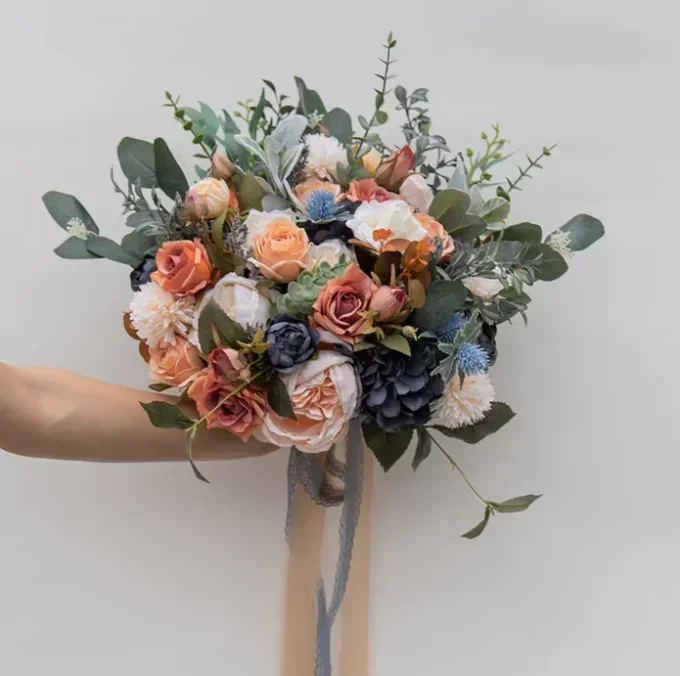
Are fake flowers tacky at a wedding? The short answer is no, not when you choose quality blooms and style them thoughtfully. Many couples now prefer silk and high-end faux arrangements because they last forever, stay perfect in any weather, and often cost less than fresh stems. The real key is avoiding cheap, shiny plastics and matching your venue vibe. With the right florist and smart placement, faux flowers can look just as romantic and polished as the real thing.
This is a comprehensive guide about Are Fake Flowers Tacky At A Wedding.

Visual guide about Realistic fake wedding flowers
Image source: artificialplantssupplier.com
Visual guide about Realistic fake wedding flowers
Image source: ae01.alicdn.com
Visual guide about Realistic fake wedding flowers
Image source: thebridesbouquet.co.uk
Key Takeaways
- Quality matters most: High-end silk or latex blooms look elegant, while cheap plastic stems quickly read as tacky.
- Venue and season drive the choice: Outdoor summer weddings, destination events, and late-season dates often benefit from reliable faux arrangements.
- Mixing fresh and faux works beautifully: Pairing real greenery with silk focal flowers keeps bouquets lush and budget-friendly.
- Styling beats the material: Matte finishes, natural color palettes, and thoughtful placement make faux flowers look refined.
- Practical perks add up: Reusable centerpieces, no wilting, and easier shipping make fake flowers a smart planning tool.
- Guest perception is changing: Modern couples and attendees care more about overall design than whether stems are real or artificial.
[FEATURED_IMAGE_PLACEHOLDER]
Are Fake Flowers Tacky at a Wedding? The Honest Answer
Planning wedding decor often starts with one big question: should you use real blooms or go with artificial arrangements? Many couples worry that silk or faux flowers will look cheap or overdone. The truth is simpler. Are fake flowers tacky at a wedding? Not when you choose the right materials and style them with care. The overall look depends on quality, color, and how the pieces fit your venue. A well-made faux bouquet can look just as soft and romantic as a fresh one. A low-quality plastic stem, on the other hand, can pull the whole room down.
Wedding flowers do more than decorate tables. They set the mood, support your color story, and help photos look polished. Fresh flowers bring natural scent, soft movement, and seasonal charm. Faux flowers bring consistency, durability, and often a lower price tag. Both options can work beautifully. The best choice depends on your budget, your venue, and the vibe you want on your big day. When you treat artificial blooms as a design tool instead of a shortcut, they can elevate your celebration instead of hurting it.
Why Couples Choose Faux Wedding Flowers
A lot of brides and grooms lean toward silk or latex arrangements for practical reasons. Real flowers can be unpredictable, especially in warm weather or during off-season months. Faux stems stay fresh-looking from setup to send-off. They also travel well, which helps for destination weddings or long days with multiple photo stops. Another big draw is reuse. Centerpieces and ceremony arches can sometimes move to the reception, and bouquets can be kept as keepsakes. That flexibility makes faux wedding flowers appealing for couples who want more control over their decor.
Budget plays a role too. Fresh blooms can get expensive fast, especially when you want out-of-season varieties or large installations. Quality artificial arrangements often cost less upfront, and they do not require last-minute replacement. That said, you still want to invest in good materials. Cheap stems with glossy finishes and stiff petals tend to look obvious in photos. Matte textures, natural color variation, and realistic shaping make a huge difference. If you treat the material as part of your overall style, the result feels intentional rather than improvised.
What Makes Artificial Flowers Look Tacky
The material itself is not the problem. The look comes from poor quality and weak styling. Shiny plastic petals, overly bright colors, and stiff stems often read as artificial in a bad way. When every bloom looks identical, the arrangement can feel flat and factory-made. Another common issue is mismatched scale. Huge, heavy centerpieces can overwhelm a small dining table, while tiny bud vases can get lost on a wide guest table. Wedding decor mistakes usually happen when the flowers do not fit the room or the color palette feels disconnected.
Lighting matters as well. Harsh flash can expose the synthetic texture of lower-quality stems. Soft lighting, warm tones, and layered greenery help faux flowers blend into the space. It also helps to avoid colors that look too perfect or too neon. Soft blush, ivory, muted mauve, and natural greens usually photograph better than bright synthetic shades. If you want a vintage or rustic look, choose blooms with slightly varied petal shapes and natural-looking foliage. The goal is to create a sense of depth, not a uniform plastic look.
When Fake Flowers Actually Make Sense
Some weddings benefit from artificial arrangements more than others. Outdoor summer events can be tough on fresh flowers because heat wilts petals quickly. A bright patio, a beach setting, or a late-afternoon ceremony can leave real stems looking tired before the reception starts. Faux flowers stay steady through the heat and keep your tables looking fresh for hours. They also work well for destination weddings, where transporting delicate blooms can be stressful and costly. If your venue has strict setup times or limited refrigeration, artificial options can reduce last-minute pressure.
Seasonal availability is another factor. Some beloved flowers are hard to source in certain months, and importing them can drive up costs. Faux versions let you keep your desired palette without chasing rare stems. They also help when you want a very specific color that fresh flowers cannot match exactly. For couples building a strong brand look or a themed celebration, consistency matters. Silk wedding bouquet choices and matching centerpieces can keep the whole room tied together. That does not mean you must go fully artificial. Even a partial mix can solve logistical problems while keeping the look refined.
How to Style Faux Flowers So They Look Elegant
Great styling starts with the materials. Look for matte finishes, realistic petal layers, and flexible stems. Ask to see samples in person if you can. Compare how the blooms look in natural light and in the lighting you will have at the venue. You should also pay attention to greenery. Realistic leaves and varied foliage add depth and make arrangements feel less uniform. A floral design tips approach that mixes textures usually works better than relying on one bloom type alone.
Placement is just as important as the flowers themselves. Use faux arrangements where they will be seen clearly, but avoid over-decorating every surface. A few strong focal points often look better than many small cheap pieces. For centerpieces, keep the height low enough for conversation or add vertical interest with tall candlesticks and greenery instead of bulky blooms. For bouquets, pair silk flowers with real ribbons, soft wrapping, and maybe a few fresh filler stems. That blend softens the overall look. If you want a polished result, think of the arrangement as part of a larger composition, not a standalone prop.
Mixing Fresh and Artificial for the Best of Both Worlds
You do not have to choose one side only. Many couples get the best results by combining real and faux elements. Fresh greenery, herbs, or delicate filler flowers can soften artificial focal blooms. That mix adds scent, movement, and a natural feel while keeping the main shape stable. You can also use real flowers where they matter most, like in bridal bouquets or ceremony arrangements, and rely on faux pieces for long-lasting centerpieces or backdrops. This approach gives you control without sacrificing the natural charm of fresh stems.
A mixed approach also helps with budget and timing. You can spend more on the arrangements that will be photographed closely and use artificial wedding centerpieces for tables that need durability. That strategy keeps the overall look balanced. Just make sure the colors and textures match. If the fresh greenery is soft and natural, choose faux blooms with similar tones and finishes. If the fresh flowers are bold and glossy, your artificial pieces should not feel too dry or matte. Consistency keeps the room from looking mismatched.
Quick Tips for Choosing Wedding Faux Flowers
- Inspect the petals closely. Soft texture and natural color variation beat shiny, uniform blooms every time.
- Test the look in venue lighting. What looks good in a shop may read differently under warm bulbs or outdoor sun.
- Use greenery to soften arrangements. Realistic foliage adds depth and makes faux stems feel more organic.
- Keep scale in mind. Match centerpiece size to table size so the room feels balanced, not crowded.
- Mix materials thoughtfully. Combine faux blooms with fresh greenery, fabric ribbons, or candles for a layered look.
- Plan for reuse. Choose arrangements that can move from ceremony to reception if that fits your timeline.
Are Fake Flowers Tacky at a Wedding When Compared to Fresh Blooms?
It helps to compare the two options side by side instead of treating one as automatically better. Fresh flowers bring natural scent, gentle movement, and a living quality that guests notice right away. They also change over the day, which can be charming in a rustic or garden setting. Faux flowers stay consistent, hold their shape, and work well when timing or weather is uncertain. Neither option is automatically elegant or automatically tacky. The result depends on execution. A thoughtful fresh arrangement can look stunning, and a well-made faux arrangement can look just as refined.
Cost and logistics often decide the choice more than style alone. Fresh flowers may require earlier delivery, careful storage, and replacement if something arrives damaged. Faux flowers can be set up ahead of time and reused across different parts of the day. That flexibility matters for couples who want fewer moving parts. On the other hand, if you love the scent and softness of real blooms, fresh flowers may be worth the extra planning. The best choice is the one that supports your venue, your budget, and the experience you want guests to remember.
A Simple Comparison of Fresh vs. Faux Wedding Flowers
Use this quick comparison to see where each option shines. The right pick depends on your priorities, not on a universal rule.
- Appearance over time: Fresh flowers change naturally during the day, while faux flowers stay consistent from setup to cleanup.
- Weather tolerance: Real blooms can struggle in heat or wind, while artificial stems hold up better in challenging conditions.
- Scent and texture: Fresh flowers offer natural fragrance and softness, while faux blooms rely on visual detail and styling.
- Budget flexibility: Faux arrangements often cost less for large installations, while fresh flowers may fit better when you want seasonal variety.
- Reusability: Artificial pieces can sometimes be kept or repurposed, while fresh flowers are usually one-day only.
- Overall elegance: Both can look polished when quality materials and thoughtful design are in place.
Common Mistakes to Avoid With Artificial Wedding Flowers
One of the biggest mistakes is buying based on price alone. Low-cost stems can look flat and overly synthetic, especially in close-up photos. Another misstep is choosing colors that do not suit the venue or dress tone. A bright, saturated palette can clash with soft linens or warm wood surfaces. It also helps to avoid overcrowding. Too many matching arrangements can make the room feel repetitive instead of curated. Wedding flower styling should feel intentional, with a few strong pieces rather than a lot of filler.
Skipping the sample check is another issue. Always review the flowers in the lighting you will actually use. A bouquet that looks perfect in a bright showroom may look stiff under dim reception lights. Also, do not forget the accessories. Cheap ribbon, overly glossy vases, or mismatched containers can make even good flowers look less refined. When you pay attention to the full presentation, the arrangement feels complete and polished.
Expert Insights on Faux Wedding Florals
Designers often say the material matters less than the finish. A skilled florist can shape silk blooms, add realistic greenery, and place them in a way that feels natural. That professional touch changes everything. It also helps to think about your guest experience. Most attendees notice the overall atmosphere first, not whether each petal is real. Good lighting, coordinated colors, and comfortable table settings usually leave a stronger impression than the material of the flowers alone. If the room feels cohesive, the flowers will feel cohesive too.
Another helpful insight is to match the flowers to the story you want to tell. A soft, romantic reception may call for muted tones and delicate shapes. A bold, modern event may work better with cleaner lines and stronger color contrast. Faux flowers can support either direction if you choose them with purpose. The key is to avoid treating them like generic decor. When they fit your theme and quality level, they become part of the design instead of a compromise.
Final Thoughts on Are Fake Flowers Tacky at a Wedding
So, are fake flowers tacky at a wedding? They can be, but only when the quality is low or the styling feels careless. Handled well, faux flowers can be elegant, practical, and beautiful. They offer consistency, durability, and often more flexibility than fresh stems. They also let couples keep a specific color story without fighting seasonality or weather. The best results come from choosing realistic materials, matching the flowers to the venue, and styling them with intention.
If you are deciding between fresh and artificial blooms, think about your priorities. Do you want natural scent and movement, or do you value stability and reuse? Do you need arrangements that can survive heat, travel, or a long reception? There is no wrong answer. The right choice is the one that supports your vision and your budget. With thoughtful selection and smart design, faux flowers can absolutely feel refined and wedding-appropriate.
Frequently Asked Questions
Are fake flowers tacky at a wedding if I use them for centerpieces?
Not necessarily. Centerpieces made with quality faux blooms and realistic greenery can look elegant, especially when the scale fits the table and the colors match your palette. The key is avoiding shiny, cheap stems and keeping the arrangements balanced.
Can fake wedding flowers look real in photos?
Yes, they can. High-quality silk or latex flowers with matte finishes and natural color variation often photograph very well. Soft lighting and layered greenery help them blend in instead of standing out as artificial.
Should I mix fresh and faux flowers at my wedding?
Many couples do, and it can be a smart choice. Fresh greenery or filler flowers add softness and scent, while faux focal blooms keep the arrangement stable and consistent. Just make sure the textures and colors work together.
Are fake flowers a good choice for outdoor summer weddings?
They often are. Heat and sun can wilt fresh flowers quickly, while artificial stems stay looking fresh throughout the event. That makes faux flowers a practical option for warm outdoor venues and long celebration days.
How do I choose quality artificial wedding flowers?
Look for soft petal texture, realistic shaping, and natural color variation. Compare samples in the lighting you will use, and pay attention to the greenery as well. If the materials feel flexible and detailed, they are more likely to look refined.
Will guests notice if I use fake flowers instead of fresh ones?
Most guests notice the overall atmosphere more than the material itself. If the room feels coordinated, the lighting is flattering, and the arrangements suit the venue, guests usually focus on the experience rather than whether the flowers are real or artificial.
