
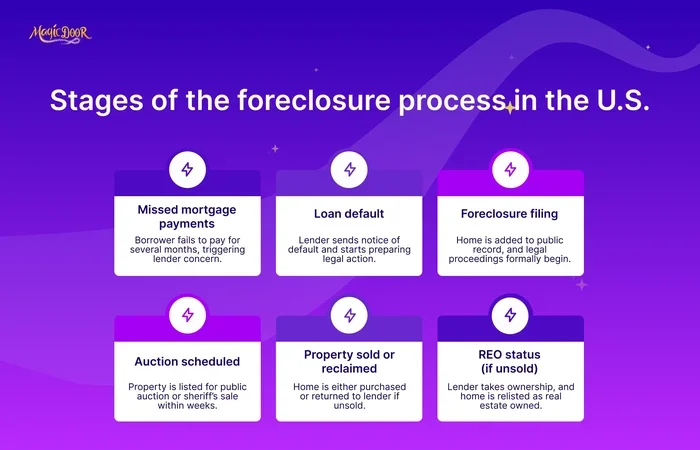
Falling behind on payments creates massive stress. I Havent Paid My Mortgage in 7 Years brings you to the edge of foreclosure. You must act now to stop the bank. This guide explains your rights clearly. You can find a path forward today.
This is a comprehensive guide about I Havent Paid My Mortgage In 7 Years.
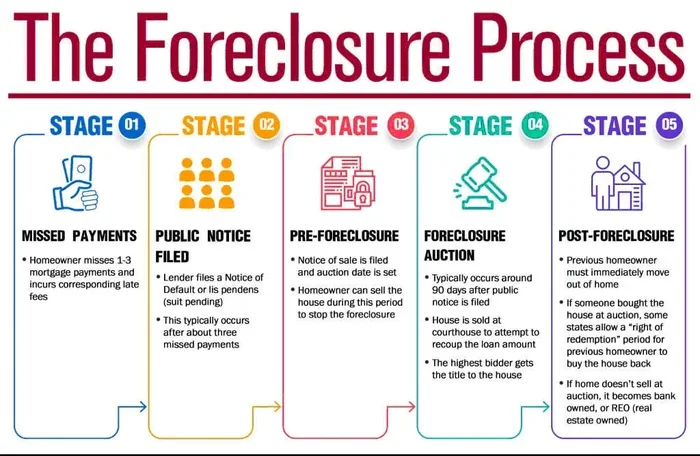
Visual guide about overdue mortgage foreclosure concept
Image source: century21auction.com
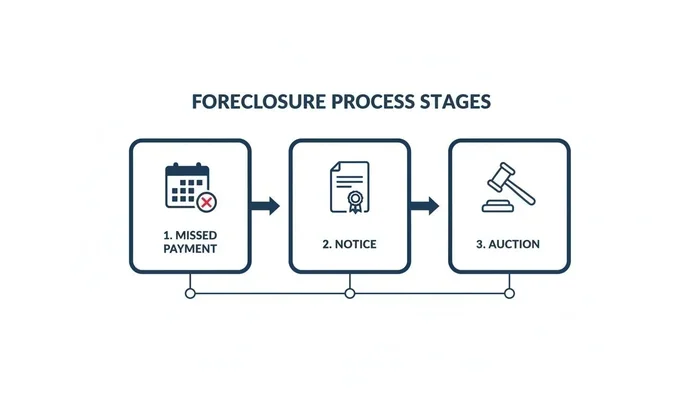
Visual guide about overdue mortgage foreclosure concept
Image source: eaglecashbuyers.com
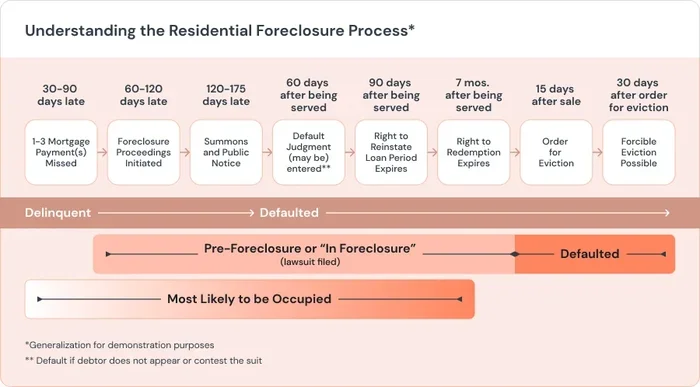
Visual guide about overdue mortgage foreclosure concept
Image source: savinghomes.org
Key Takeaways
- Immediate Action: Contact your lender immediately to stop foreclosure proceedings.
- Legal Rights: Understand foreclosure laws and redemption periods in your state.
- Loan Modification: Ask for a modification to lower monthly payments permanently.
- Forbearance: Seek temporary relief if your financial hardship is short-term.
- Credit Impact: Expect significant damage to your credit score from missed payments.
- Government Help: Look into HUD-approved counseling for free professional advice.
- Future Planning: Rebuild finances carefully before buying a home again.
[FEATURED_IMAGE_PLACEHOLDER]
Understanding the Gravity of I Havent Paid My Mortgage in 7 Years
Missing payments creates a sinking feeling. You might feel frozen in time. Seven years is a very long time. Most banks start foreclosure much sooner. This delay suggests something unique is happening. Maybe the bank paused the process. Perhaps you filed for bankruptcy protection. Or maybe you were on a special plan. Whatever the reason, the clock is ticking now. You need to understand where you stand legally. The bank owns the loan contract. You own the home until they take it. But they must follow strict rules. These rules vary by state and location. Some states require court approval for foreclosure. Others allow non-judicial processes. Knowing your state laws helps you plan. You should not ignore letters from the bank. Ignoring them makes things worse. You need to open every envelope. You need to answer every call. Silence is your enemy right now. Communication shows you care about the debt. It shows you want to solve the problem. Banks prefer working with talkative borrowers. They hate chasing ghosts. So speak up today. Tell them you want to fix this. Ask them what your current status is. Get clarity on the total debt owed. Interest adds up fast over seven years. The balance might be much higher now. You need to know the exact number. This number drives your next move. It tells you if keeping the home is possible. It tells you if walking away is smarter. Knowledge is your best tool here. Use it to protect your future.
Why Did the Payments Stop?
People stop paying for many reasons. Job loss is a common cause. Medical bills can drain savings quickly. Divorce often splits finances apart. Some people face mental health struggles. Depression can make bills feel impossible. Others might have been scammed by bad advice. Maybe a friend told you to wait. Maybe you thought the bank would forget. None of these reasons matter to the bank. They care about the contract terms. But these reasons matter to you. You need to understand your own story. This helps you explain it to the lender. Lenders want to know if you can pay now. They want to know if the problem is fixed. If you lost a job, do you have one now? If medical bills caused it, are they paid? Be honest with yourself first. Then be honest with the bank. Hiding the truth leads to failure. Showing progress leads to solutions. You might qualify for special programs. These programs help people with specific hardships. Tell them your story clearly. Write it down if you need to. Keep it simple and true. This builds trust with the loan servicer. Trust opens doors to modification options.
The Legal Status of Your Loan
Seven years changes the legal picture. Statutes of limitation vary by location. Some debts expire after a certain time. Mortgage liens usually last much longer. The debt itself might not vanish. The lien on the house stays strong. The bank can still foreclose on the property. They can also sue for the money owed. This is called a deficiency judgment. You could owe money even after losing the home. This is a scary thought for many. But laws protect borrowers in some cases. Some states ban deficiency judgments. Others limit the amount they can take. You need a local expert to check this. A real estate attorney can review your file. They can tell you if the debt is enforceable. They can check if the bank followed rules. Missing a step can hurt the bank’s case. You might have leverage they do not know. Do not assume you are helpless. Do not assume you are safe either. Get the facts before you decide. This step costs money but saves stress. It prevents big mistakes later. You deserve to know your legal standing.
Immediate Steps to Take When I Havent Paid My Mortgage in 7 Years
You must move fast to save options. The first step is gathering documents. Find your original loan papers. Find any letters you sent or received. Find records of any payments made. Even small payments show good faith. Put everything in one folder. Digital copies work well too. Scan every piece of paper you find. Organize them by date. This creates a clear history for you. It also helps if you get legal aid. The second step is contacting the lender. Do not wait for them to call you. Call their loss mitigation department. This team handles troubled loans. Tell them you want to discuss options. Ask for a complete account statement. Verify the balance and interest rate. Ask about late fees and penalties. These add up over seven years. You need to see the full cost. The third step is checking your credit. Pull your reports from all three bureaus. See how the missed payments look. They likely show serious delinquency. This affects your ability to rent or buy. You need to know the damage. Then you can plan to fix it. Credit repair takes time and effort. Start this process alongside the mortgage work. Do not let one problem ignore the other. Both need attention right now.
- Gather all loan documents and correspondence.
- Contact the loss mitigation department immediately.
- Pull credit reports from all three bureaus.
- Calculate the total debt including penalties.
- Consult a local real estate attorney.
Contacting Your Loan Servicer
Talking to the bank feels intimidating. You might feel shame or fear. Remember that they are just doing their job. They want to recover their money. They prefer a paying borrower over a foreclosure. Foreclosure costs them time and money too. So they have reasons to help you. Prepare for the call beforehand. Write down your questions on paper. Have your account number ready. Have your income details ready. They will ask about your budget. Be ready to share your monthly income. Be ready to share your monthly expenses. They need to see if you can pay. If you cannot pay the full amount, say so. Ask if they offer a modification. Ask if they offer a repayment plan. Take notes during the conversation. Write down the name of the person you speak with. Write down the date and time. Follow up with an email if possible. This creates a paper trail. It protects you if things go wrong. Stay calm and polite during the talk. Anger shuts down communication quickly. Cooperation opens up more paths. You are negotiating a solution. Treat it like a business meeting. Keep your emotions in check. Focus on the numbers and options.
Assessing Your Financial Reality
You need a clear view of your money. List all your income sources. Include wages, benefits, and side jobs. List all your monthly expenses. Include food, utilities, and car payments. Include credit card bills and medical debts. Subtract expenses from income. See what is left over. This number tells you your capacity. If the number is negative, you have a problem. You cannot afford the mortgage right now. You need to cut expenses or increase income. If the number is positive, you might afford it. But can you afford the arrears too? Seven years of missed payments is a lot. You might owe tens of thousands in fees. Adding that to the monthly payment might be too high. You need to run the math carefully. Use a spreadsheet or a notebook. Do not guess the numbers. Use actual bank statements. Be realistic about your situation. Do not hope for money that is not there. Planning based on false hope leads to failure. Face the truth even if it hurts. It is the only way to fix it. You can build a plan on truth. You cannot build a plan on wishes.
Exploring Loan Modification Options
Modification changes the loan terms permanently. This is often the best path for keeping a home. The bank lowers the interest rate sometimes. They might extend the loan term too. A longer term means lower monthly payments. They might add the missed payments to the balance. This is called capitalization of arrears. You then pay the new total over time. This brings you current without a big lump sum. You must qualify for this option. You need to show financial hardship. You need to show ability to pay the new amount. The bank will review your finances deeply. They will check your credit and income. This process takes time to complete. Be patient while they review. Submit all documents quickly when asked. Delays can cause the offer to expire. Accepting a modification stops foreclosure usually. It lets you stay in the home. It resets your payment history moving forward. But it does impact your credit score. The modification might show as a settlement. This is better than foreclosure though. It shows you tried to honor the debt. Future lenders look at this closely. You must explain the situation later. Honesty about the modification helps. You can explain the hardship was temporary. You can show you recovered financially. This makes you a better candidate later.
Forbearance Agreements
Forbearance is a temporary pause. It is not a permanent fix. The bank lets you skip payments for a while. They might reduce payments for a short time. This helps if you have a short-term crisis. Maybe you are between jobs right now. Maybe you have a medical event coming. You must agree to catch up later. The missed payments are due at the end. You need a plan to pay that lump sum. If you cannot pay the lump sum, this fails. Then foreclosure can start again. Use forbearance only if you are sure. Do not use it to buy time without a plan. You need to know when you will recover. You need to know how much you will earn. Write this plan down clearly. Share it with the lender. They need to see you can resume payments. Forbearance is a bridge, not a destination. Cross the bridge quickly. Do not live on the bridge forever. The goal is to return to normal payments. Make sure you can reach that goal. If not, look at other options instead.
Refinancing Possibilities
Refinancing is hard with missed payments. Your credit score is likely very low. Most lenders want a good credit history. They want to see on-time payments recently. Seven years of silence hurts your profile. But some government programs exist. FHA loans sometimes help people refinance. You might qualify for a streamline refinance. This requires less documentation sometimes. You must be current on payments to qualify though. If you are not current, you need to cure the default first. You might need to pay the arrears upfront. This is hard if you have no cash. You might need a family loan to help. Or you might need a personal loan. High interest rates on personal loans are risky. Weigh the costs carefully before borrowing. Refinancing resets your clock on the loan. You start paying interest again on a new term. This can cost more in the long run. Calculate the total cost of the new loan. Compare it to your current loan terms. Make sure the math works for you. Do not jump into a bad deal out of panic. Take your time to evaluate the offer. Read all the fine print carefully. Ask questions about every fee listed. You have the right to understand the deal.
Considering Exit Strategies
Sometimes keeping the home is not possible. You might not have the income to support it. You might owe more than the house is worth. This is called being underwater on the loan. Selling the house might not pay off the debt. You might need to walk away from the property. This is a hard decision to make. It affects your pride and your future. But it might be the smart financial move. Staying in a home you cannot afford causes stress. It drains money you need for food or health. Walking away frees up that cash. You can rent a cheaper place instead. You can rebuild your savings again. This is a valid strategy for some people. You should not feel ashamed of survival. Survival is the most important goal. Protecting your family comes first. The house is just an asset. It is not worth ruining your life over. Think about what matters most to you. Is it the building or your stability? Choose the path that brings peace. Choose the path that allows healing. Sometimes letting go is the strongest move.
Short Sale Negotiations
A short sale sells the home for less than owed. The bank agrees to accept the proceeds. They forgive the remaining balance sometimes. This avoids foreclosure on your record. It is less damaging than a foreclosure usually. You need to find a buyer for the home. You need the bank to approve the price. The bank will order an appraisal first. They want to know the market value. If the offer is too low, they reject it. You need a real estate agent experienced in this. Regular agents might not know the process. Short sales take a long time to close. Patience is required from everyone. You must continue paying taxes and insurance. You must keep the home in good condition. Do not leave the property abandoned. Vacant homes get damaged easily. Damage reduces the sale price further. Keep the grass cut and lights on. Show the home as if you still own it. This helps get a better offer. A better offer means less debt for you. It means a cleaner break from the loan.
Deed in Lieu of Foreclosure
This option gives the deed to the bank. You voluntarily transfer ownership to them. It is faster than a short sale. It is cheaper for the bank too. They might offer you cash for keys. This helps you move out smoothly. You get a little money to relocate. You avoid the public shame of foreclosure. The credit impact is similar though. Both show up on your credit report. Both make borrowing hard for years. You need to negotiate the terms clearly. Ask about the deficiency balance. Will they forgive the rest of the debt? Get this promise in writing. Do not trust verbal agreements alone. Written contracts protect your rights. Ensure you are released from liability. Otherwise, they can still chase you for money. This is a critical detail to check. Many people miss this important step. They think they are free but they are not. Read the release clause very carefully. Ask a lawyer to review the document. It is worth the extra cost for safety.
The Impact on Your Credit and Future
Missing payments for seven years hurts credit. Your score is likely very low now. It might be in the poor range. This affects many parts of your life. Landlords check credit before renting. They might deny you an apartment. Utility companies might require deposits. Employers might check credit for some jobs. It is a hurdle you must clear. But credit scores can recover over time. Negative items fall off after seven years. Since you are at seven years, some items might drop soon. The original missed payments might expire. But the foreclosure or settlement stays longer. You need to monitor your reports closely. Dispute any errors you find immediately. Errors happen often on damaged reports. Fixing them boosts your score slightly. Pay all new bills on time always. This builds a new positive history. New positive data pushes out the old bad data. It shows you have changed your habits. Lenders look at recent behavior mostly. Show them you are reliable now. Show them you can manage money well. This builds trust for the future.
Rebuilding Your Financial Life
Start small with your money habits. Create a simple budget for yourself. Track every dollar you spend. Use an app or a notebook. Know where your money goes each month. Cut unnecessary expenses where you can. Cook at home instead of eating out. Cancel subscriptions you do not use. Save a small emergency fund first. Even one hundred dollars helps. It prevents new debt when surprises happen. Then focus on paying down other debts. High interest credit cards are a priority. Pay them off as fast as you can. This frees up more cash flow. It reduces stress in your daily life. Consider credit counseling for help. They can negotiate with creditors for you. They can help you make a plan. Non-profit agencies offer free advice. Avoid companies that promise quick fixes. Those are often scams targeting desperate people. Real help takes time and effort. Be wary of anyone asking for upfront fees. Legitimate counselors do not charge big fees. Check their reputation before signing up. Protect yourself from further financial harm. You have already suffered enough loss. Do not let anyone take more from you.
Waiting to Buy Again
You will want to buy a home again. You should wait until you are ready. Lenders have waiting periods after foreclosure. This period is usually three to seven years. It depends on the loan type and reason. FHA loans might allow buying sooner. Conventional loans often require more time. You need to rebuild your credit score. You need to save for a down payment. You need to prove stable income again. Do not rush into a new mortgage. Rushing leads to repeating the same mistakes. Take time to learn from this experience. Understand what went wrong before. Was it the house or the budget? Was it the job or the health? Fix the root cause before buying again. Make sure you have a safety net. Make sure you have a stable job. Make sure you have savings for repairs. Homeownership costs more than just the loan. You need money for taxes and maintenance. You need money for insurance and utilities. Plan for all these costs carefully. Do not stretch your budget to the limit. Leave room for unexpected expenses. This keeps you safe in the future.
Seeking Professional Guidance
You do not have to do this alone. Professionals can guide you through the maze. HUD-approved counselors are a great start. They offer free advice to homeowners. They know the latest government programs. They can talk to the bank for you. They can review your loan documents. They can spot errors or violations. This service is usually free of charge. Look for a local agency in your area. Check their credentials before meeting. Make sure they are truly non-profit. Avoid anyone who guarantees results. No one can guarantee a specific outcome. Be careful of foreclosure rescue scams. Scammers target people in your situation. They might ask for your deed or money. They might promise to stop foreclosure magically. These promises are usually lies. Never sign over your deed to a stranger. Never pay money to someone you do not know. Verify every company you work with. Check reviews and complaints online. Protect yourself from further exploitation. You are vulnerable right now. Scammers know this and will exploit it. Stay sharp and trust your instincts. If something feels wrong, it probably is.
Legal Aid and Attorneys
Sometimes you need a lawyer’s help. If the bank is breaking the law, call one. If they are harassing you, call one. If you face a deficiency judgment, call one. Legal aid societies help low-income people. They might take your case for free. Private attorneys cost money but offer focus. They can negotiate settlements for you. They can represent you in court. They can explain your rights clearly. Many offer a free initial consultation. Use this meeting to learn your options. Ask about their fees upfront. Ask about their experience with mortgages. You want someone who knows this field. Real estate law is very specific. A general lawyer might not know enough. Find a specialist in foreclosure defense. They understand the local court rules. They understand the bank’s common tactics. This knowledge helps your case significantly. It levels the playing field for you. You stand a better chance with counsel. Do not wait until the last minute. Get help as soon as you can. Early intervention prevents bigger problems. It stops the bank from gaining ground. It gives you time to think clearly.
Final Thoughts on I Havent Paid My Mortgage in 7 Years
This situation is stressful but solvable. You have options even now. You do not have to lose everything. You just need to take the right steps. Start by gathering your information today. Contact your lender and ask for help. Look into modification or exit strategies. Protect your credit and your future. Seek professional help when you need it. You can recover from this hardship. Many people have walked this path before. They found a way to move forward. You can do the same with effort. Focus on what you can control. Let go of what you cannot change. Build a plan that works for you. Your home is important, but your peace is too. Make the choice that brings you stability. You deserve a secure future ahead. Take the first step right now. Pick up the phone and make a call. Send an email to start the conversation. Action breaks the cycle of fear. It brings you closer to a solution. You have the power to change this. Use it wisely starting today.
Frequently Asked Questions
Can I lose my home after 7 years of non-payment?
Yes, the bank can still foreclose on the property. The lien remains valid even after many years of non-payment. You need to check your local foreclosure laws immediately.
Will my credit score ever recover from this?
Yes, credit scores can recover over time. Negative items fall off your report after seven years. New positive payment history helps rebuild your score.
Is bankruptcy a good option for this situation?
Bankruptcy can stop foreclosure temporarily. It offers legal protection from creditors for a while. You should consult an attorney to see if it fits your needs.
Can the bank sue me for the missed money?
They might sue for a deficiency judgment. This depends on your state laws and loan type. Some states protect borrowers from this specific legal action.
How do I talk to my lender about this?
Call the loss mitigation department directly. Be honest about your financial hardship and current income. Ask specifically about modification or repayment plans.
What if I owe more than the house is worth?
You might consider a short sale or deed in lieu. These options help you exit without paying the full difference. Negotiate with the bank to forgive the remaining balance.