
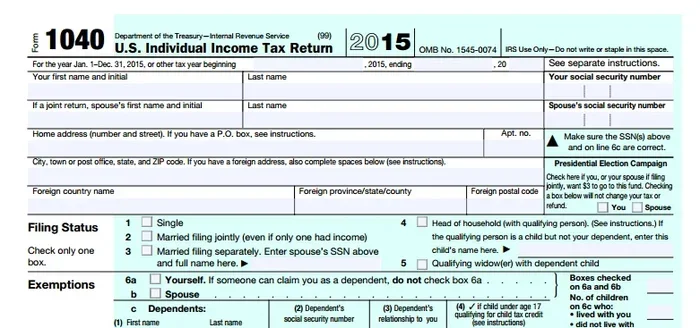
A tax disbursement on your mortgage is the payment your lender sends to your local government for property taxes. This payment usually comes from your escrow account, which collects funds from your monthly mortgage payment. Understanding this process helps you avoid surprises and manage your home budget better.
This is a comprehensive guide about What Is A Tax Disbursement On My Mortgage.
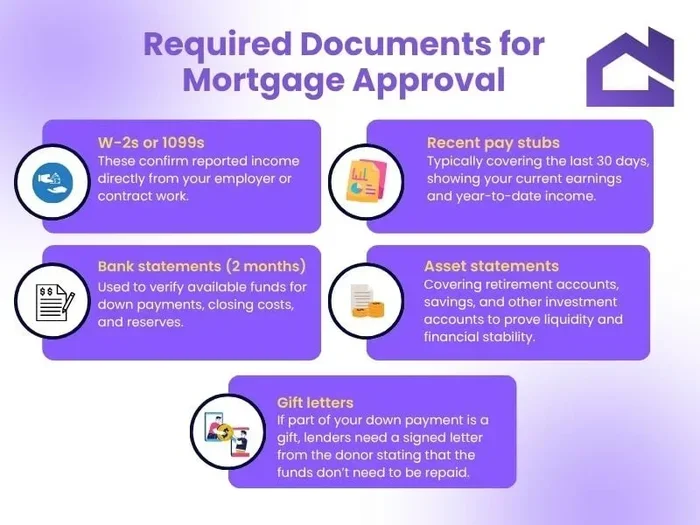
Visual guide about mortgage tax document review
Image source: districtlending.com
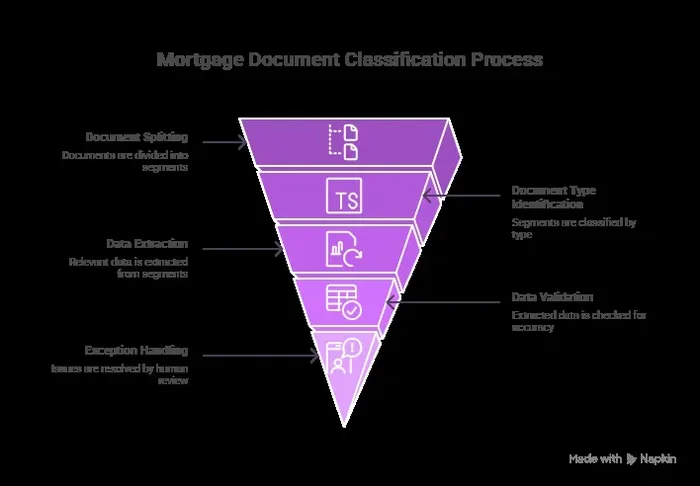
Visual guide about mortgage tax document review
Image source: cdn.prod.website-files.com
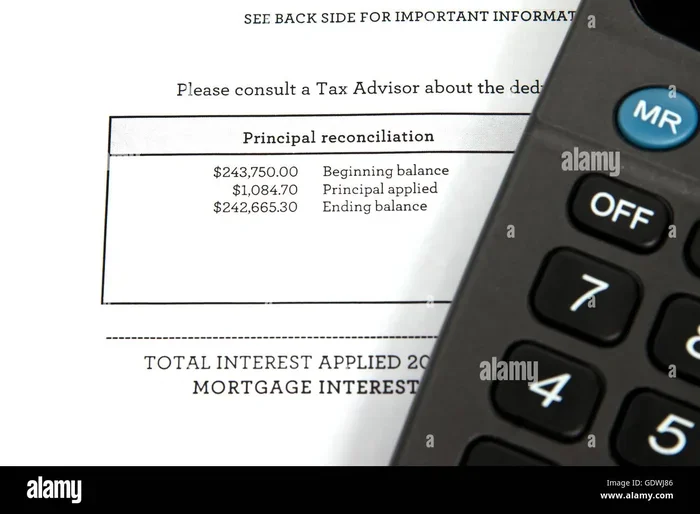
Visual guide about mortgage tax document review
Image source: c8.alamy.com
Key Takeaways
- Escrow Accounts: Lenders collect money each month to cover property taxes and insurance.
- Tax Disbursement: This is the actual payment sent to your tax authority from your escrow funds.
- Monthly Payments: Your mortgage payment often includes principal, interest, taxes, and insurance (PITI).
- Annual Analysis: Lenders review your escrow account yearly to adjust for tax changes.
- Shortages: If taxes go up, you might need to pay extra or increase your monthly payment.
- Communication: Always check your statements to ensure the disbursement was made on time.
- Budgeting: Knowing your tax disbursement helps you plan your long-term home finances.
[FEATURED_IMAGE_PLACEHOLDER]
What Is a Tax Disbursement on My Mortgage
Buying a home is a big step. It comes with many new terms and responsibilities. One term you might see on your statement is tax disbursement. You might ask, what is a tax disbursement on my mortgage? It sounds complex, but it is actually simple.
Basically, this is the money your lender sends to your city or county. They pay your property taxes for you. This happens because many lenders require an escrow account. This account holds money for future bills. Let us break down how this works for you.
Understanding this helps you feel more in control. You will know where your money goes each month. You will also know why your payment might change. Let us look at the details of mortgage escrow and tax payments.
Understanding Mortgage Escrow Accounts
Most homeowners have an escrow account. This is a special savings account held by your lender. You do not hold the money directly. Instead, you pay into it every month. Your lender then uses this money to pay big bills.
These bills usually include property taxes and homeowners insurance. Sometimes they include mortgage insurance too. By spreading the cost over twelve months, it becomes easier to pay. You do not need to save a huge lump sum yourself.
The lender manages this account for you. They are responsible for paying the bills on time. This protects their interest in your home. If taxes are not paid, the government could take the property.
How Escrow Builds Up
Every month, a portion of your mortgage payment goes into escrow. This amount is calculated by your lender. They look at your tax bill and insurance premium. They divide the total by twelve.
For example, if your taxes are $1,200 a year, you pay $100 a month. This money sits in your escrow account. It grows until the tax bill is due. Then, the lender sends the payment.
This system makes budgeting easier for you. You do not have to worry about saving for tax season. The money is already set aside. This is a key part of understanding mortgage escrow account functions.
The Role of Property Tax Payments
Property taxes are a major cost of homeownership. Local governments use these taxes to fund schools and roads. The amount you pay depends on your home value and location. Taxes can change from year to year.
Your lender wants to ensure these bills are paid. They have a financial interest in your property. If you miss tax payments, you could lose the home. So, they handle this through your escrow account.
When the tax bill arrives, the lender checks your escrow balance. If you have enough money, they send the payment. This payment is the tax disbursement. It clears your debt to the local government.
Why Lenders Handle This
Lenders handle this to protect their investment. It also helps you avoid large, unexpected bills. Paying a small amount monthly is less stressful than paying a big bill once a year. It ensures you do not forget the due date.
Some loans do not require escrow. This is more common with strong borrowers. But most standard mortgages include it. It is a safety measure for everyone involved.
How Tax Disbursement Works
So, how does the money actually move? It starts with your monthly mortgage payment. This payment is often called PITI. That stands for Principal, Interest, Taxes, and Insurance.
The principal and interest pay off your loan. The taxes and insurance go into escrow. When the tax bill is due, the lender withdraws the money. They send it directly to the tax collector.
You will see this on your annual escrow statement. It shows how much was collected. It also shows how much was paid out. This transparency helps you track your funds.
Timing of the Payment
Tax dates vary by location. Some places bill in the summer. Others bill in the fall. Your lender knows these dates. They will pay the bill before the deadline.
You do not need to send the money yourself. The lender takes care of the timing. This is one of the benefits of having an escrow account. You can relax knowing the bill is handled.
Changes in Property Taxes and Escrow Analysis
Property taxes are not always fixed. They can go up if your home value increases. They can also go up if tax rates change. When this happens, your escrow needs more money.
Lenders perform an annual escrow analysis. They review your account once a year. They check if you have enough money to cover future bills. If taxes went up, they will adjust your payment.
This means your monthly mortgage payment might increase. It is not because your loan interest changed. It is because your tax bill changed. This is a common reason for payment adjustments.
Dealing with Escrow Shortages
Sometimes, you might not have enough in escrow. This is called a shortage. It happens if taxes rise faster than expected. When this occurs, you have options.
You can pay the shortage in a lump sum. Or, you can spread it over the next year. Spreading it means your monthly payment goes up slightly. Both options fix the balance.
It is important to read your escrow analysis letter. It explains any changes clearly. If you have questions, call your lender. They can walk you through the numbers.
Managing Your Mortgage Payment and Taxes
You should keep an eye on your statements. Check your monthly mortgage statement regularly. Look for the escrow portion of the payment. Make sure it matches your expectations.
Also, review your annual escrow statement. This document lists all disbursements. It shows when the property tax payments were sent. Verify that the amounts are correct.
If you see a mistake, act quickly. Contact your lender or loan servicer. Errors can happen, though they are rare. Being proactive protects your credit and home.
Tips for Homeowners
Here are some tips to manage this process well.
- Keep Records: Save all your tax bills and escrow statements.
- Ask Questions: If a number looks wrong, ask your lender immediately.
- Plan for Increases: Expect your payment to rise if taxes go up.
- Check Due Dates: Know when your local taxes are due each year.
- Review Insurance: Ensure your insurance premium is also covered in escrow.
These steps help you stay on top of your finances. You will understand where every dollar goes. This knowledge reduces stress about homeownership.
Common Mistakes to Avoid
Many homeowners make simple mistakes with escrow. One common mistake is ignoring the annual statement. You might miss a shortage notice. This could lead to penalties later.
Another mistake is assuming the payment never changes. As we discussed, taxes change. Your payment should change too. Do not be surprised if the amount adjusts.
Some people think they can skip payments if taxes are paid. This is not true. You must keep paying into escrow. The account needs to stay funded for next year.
Expert Insights on Escrow Management
Experts suggest you treat escrow like a budget line item. Even though the lender pays the bill, you fund it. Knowing the annual tax amount helps you plan. You can save extra money if you do not have escrow.
If you pay taxes directly, set up a separate savings account. Put money in it every month. This mimics the escrow system. It prepares you for the big bill.
Communication is key. If you have financial trouble, talk to your lender. They might offer options to help you catch up. Ignoring the problem makes it worse.
Conclusion
Understanding what is a tax disbursement on my mortgage is vital for every homeowner. It is simply the payment your lender makes for your property taxes. This happens through your escrow account. It helps you manage large expenses over time.
Keep track of your statements and payments. Expect changes if taxes rise. Stay in touch with your lender if you have questions. By managing this well, you protect your home and your wallet. Homeownership is a journey, and knowing these details makes it smoother.
Frequently Asked Questions
What happens if I do not have enough money in my escrow account?
If your escrow account has a shortage, your lender will notify you. You can pay the difference in one lump sum or increase your monthly payment. This ensures future tax bills are covered without issues.
Can I pay my property taxes directly instead of using escrow?
Some lenders allow this, but many require escrow for certain loan types. If you pay directly, you must save enough money throughout the year. You are responsible for meeting all deadlines yourself.
Why did my mortgage payment increase even though my interest rate stayed the same?
Your payment likely increased because your property taxes or insurance premiums went up. The lender adjusts your escrow contribution to cover these higher costs. This is part of the annual escrow analysis process.
How often does the lender perform an escrow analysis?
Lenders typically perform an escrow analysis once a year. They review your account to ensure enough funds are collected for upcoming tax and insurance bills. You will receive a statement explaining any changes.
What is included in a PITI mortgage payment?
PITI stands for Principal, Interest, Taxes, and Insurance. This is the total monthly amount you pay. The taxes and insurance portions go into your escrow account to pay those bills when they are due.
Will I get a refund if I have too much money in my escrow account?
Yes, if your account has a surplus above a certain limit, the lender must refund you. This often happens if your property taxes decrease. The excess funds are usually sent to you as a check or applied to your loan.
Frequently Asked Questions
What is What Is A Tax Disbursement On My Mortgage?
What Is A Tax Disbursement On My Mortgage is an important topic with many practical applications.
