
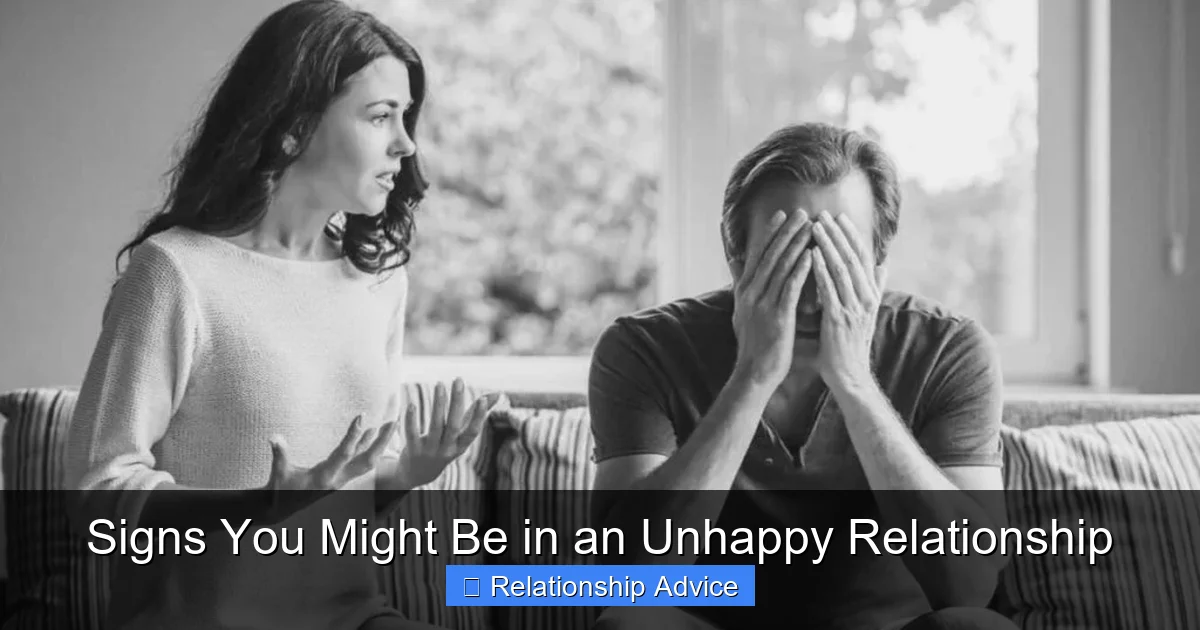
If you often feel lonely, unheard, or resentful with your partner, it might be time to assess your relationship. This guide explores common signs of an unhappy relationship—from emotional distance to lack of support—and offers practical insights to help you decide your next steps.
Key Takeaways
- Constant arguing or silence: Whether you fight all the time or avoid talking altogether, poor communication is a major red flag in an unhappy relationship.
- Feeling emotionally disconnected: If you no longer share thoughts, dreams, or feelings, emotional intimacy may be fading.
- Lack of physical affection: A noticeable drop in hugs, kisses, or sex can signal deeper dissatisfaction.
- You feel more stressed than supported: Being with your partner should uplift you—not drain your energy or increase anxiety.
- You imagine a life without them: Fantasizing about being single or comparing your relationship to others’ can point to underlying unhappiness.
- You’ve stopped growing together: Healthy relationships encourage personal and mutual growth—stagnation often means disconnection.
- Trust has been broken—and not repaired: Repeated betrayal, secrecy, or dishonesty erodes the foundation of any strong partnership.
📑 Table of Contents
- Introduction: Is Your Relationship Making You Happy—or Just Hanging On?
- 1. You’re Always Arguing—or Avoiding Conversation Altogether
- 2. You Feel Emotionally Disconnected
- 3. Physical Affection Has Faded—or Disappeared
- 4. You Feel More Stressed Than Supported
- 5. You Imagine a Life Without Them
- 6. You’ve Stopped Growing Together
- Conclusion: It’s Okay to Want More
Introduction: Is Your Relationship Making You Happy—or Just Hanging On?
You know that warm, safe feeling you get when you’re truly connected to someone? The kind where you can laugh over inside jokes, share your fears without judgment, and feel like you’re on the same team? That’s what a healthy, happy relationship feels like. But what happens when that spark fades—and you’re left wondering if you’re just going through the motions?
It’s easy to confuse routine with contentment. Maybe you’ve been together for years, and things have settled into a predictable rhythm. But predictability isn’t the same as happiness. In fact, many people stay in relationships long after they’ve stopped feeling fulfilled—sometimes out of comfort, fear of being alone, or hope that things will “get better.” The truth is, if you’re constantly questioning whether you’re happy, there’s a good chance you’re not.
Recognizing the signs of an unhappy relationship isn’t about blaming your partner or yourself. It’s about honesty—with yourself and with each other. Because staying in a relationship that drains you can take a toll on your mental health, self-esteem, and even your physical well-being. The good news? Awareness is the first step toward change. Whether that means working on the relationship or deciding it’s time to move on, understanding what’s really going on is essential.
1. You’re Always Arguing—or Avoiding Conversation Altogether
Visual guide about Signs You Might Be in an Unhappy Relationship
Image source: relationshipculture.com
One of the most telling signs of an unhappy relationship is how you communicate—or don’t. Healthy couples don’t avoid conflict, but they handle it with respect and a willingness to understand each other. In contrast, unhappy relationships often fall into one of two extremes: constant fighting or complete silence.
Frequent, Unresolved Arguments
Do you find yourself having the same argument over and over—about chores, money, in-laws, or how you spend your time? If your fights never lead to resolution and instead leave you feeling frustrated, unheard, or even angry for days, that’s a red flag. Arguments themselves aren’t the problem; it’s how they’re handled.
For example, Sarah and Mark had been together for six years. Lately, every conversation about their future—kids, careers, where to live—turned into a heated debate. “It’s like we’re speaking different languages,” Sarah said. “We both want good things, but we can’t agree on how to get there.” Their arguments rarely ended with compromise. Instead, they’d storm off, sleep in separate rooms, and avoid each other for days. Over time, the resentment built up, and the emotional distance grew.
This kind of pattern is common in unhappy relationships. When communication breaks down, small disagreements escalate into full-blown conflicts. And without resolution, the cycle repeats—each time chipping away at trust and connection.
The Silent Treatment and Emotional Withdrawal
On the flip side, some couples stop arguing altogether—not because they’ve resolved their issues, but because they’ve given up. The silent treatment, passive-aggressive comments, or simply avoiding deep conversations can be just as damaging as constant fighting.
Imagine coming home after a long day, excited to tell your partner about a promotion at work—only to be met with a shrug and a change of subject. Or trying to talk about feeling lonely, only to be told, “You’re overthinking it.” When your attempts to connect are repeatedly dismissed or ignored, it sends a clear message: your feelings don’t matter.
This emotional withdrawal creates a sense of isolation, even when you’re physically together. You might start to feel like you’re living with a roommate rather than a partner. Over time, this lack of emotional availability can make you question whether your partner even cares about your happiness.
What Healthy Communication Looks Like
In a happy relationship, couples may disagree—but they listen. They use “I” statements (“I feel overwhelmed when…”) instead of accusations (“You never help!”). They take breaks when emotions run high and return to the conversation when they’re calmer. Most importantly, they work toward solutions, not just winning the argument.
If you’re stuck in a cycle of arguing or silence, try this: set aside 15 minutes a week for a “check-in” conversation. No distractions, no phones. Take turns sharing how you’re feeling about the relationship—what’s working, what’s not, and what you need from each other. It’s not about fixing everything at once. It’s about reopening the door to honest communication.
2. You Feel Emotionally Disconnected

Visual guide about Signs You Might Be in an Unhappy Relationship
Image source: relationshipculture.com
Emotional intimacy is the glue that holds relationships together. It’s the ability to be vulnerable, to share your innermost thoughts, and to feel truly seen and understood by your partner. When that connection fades, even the most committed couples can feel miles apart.
You No Longer Share Your Inner World
Think about the last time you told your partner about a dream you had, a fear you’ve been carrying, or something that made you genuinely happy. If it’s been weeks—or longer—that’s a sign of emotional disconnection.
In happy relationships, partners regularly check in with each other’s inner lives. They ask thoughtful questions, remember small details, and celebrate each other’s wins. But in unhappy relationships, conversations often stay surface-level: “How was your day?” “Fine.” “Did you pick up the dry cleaning?” “Yes.”
This lack of depth can make you feel invisible. You might start to wonder, “Does my partner even know me anymore?” Or worse, “Do they even care?”
You Feel Lonely—Even When You’re Together
One of the most heartbreaking signs of an unhappy relationship is feeling lonely in the presence of your partner. You might sit on the same couch, watch the same show, or sleep in the same bed—but feel completely alone.
This kind of loneliness isn’t about physical proximity. It’s about emotional absence. You might crave connection but feel like your partner is emotionally unavailable. Maybe they’re distracted by their phone, work, or their own stress. Or maybe they’ve simply stopped making an effort to understand you.
For instance, James noticed that he and his wife, Lisa, hadn’t had a real conversation in months. “We’re together every day,” he said, “but it’s like we’re just coexisting. I miss the way we used to talk for hours about anything and everything.” That sense of emotional distance left James feeling isolated, even though he wasn’t physically alone.
How to Rekindle Emotional Intimacy
Rebuilding emotional connection takes time and effort—but it’s possible. Start small. Share one thing each day that made you feel something—joy, frustration, gratitude. Ask your partner open-ended questions like, “What’s something you’ve been thinking about lately?” or “What’s a memory that always makes you smile?”
You can also try new experiences together—take a class, go on a weekend trip, or start a shared hobby. Novelty can spark conversation and help you see each other in a new light.
Most importantly, be patient. Emotional intimacy doesn’t return overnight. But every small step toward openness and vulnerability brings you closer to the connection you once had—or helps you realize it’s time to move on.
3. Physical Affection Has Faded—or Disappeared
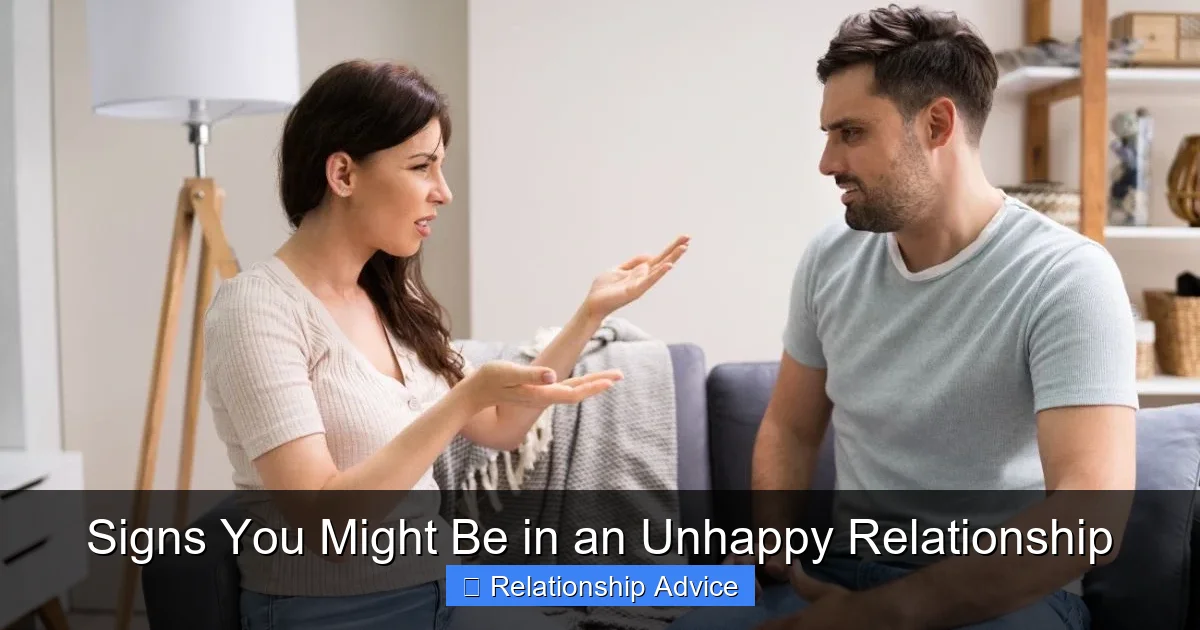
Visual guide about Signs You Might Be in an Unhappy Relationship
Image source: realestlove.com
Physical touch is a powerful way to express love, comfort, and connection. From holding hands to hugging goodbye, these small gestures reinforce your bond. But in unhappy relationships, physical affection often dwindles—or vanishes completely.
The Decline of Everyday Touch
You don’t need to be constantly kissing or cuddling to have a healthy relationship. But consistent, affectionate touch—like a hand on the shoulder, a kiss on the forehead, or sitting close on the couch—helps maintain emotional closeness.
When these gestures disappear, it can feel like a loss of warmth. You might start to feel more like roommates than lovers. And over time, that lack of physical connection can lead to feelings of rejection or unattractiveness.
For example, Maria noticed that she and her husband hadn’t held hands in over a year. “It’s not that we’re fighting,” she said. “We just don’t touch anymore. It’s like we’ve forgotten how.” That absence of touch left Maria feeling disconnected and longing for intimacy.
Sexual Intimacy and Its Role
Sex is often one of the first areas to suffer in an unhappy relationship. But it’s not just about frequency—it’s about quality and emotional connection. If sex feels mechanical, obligatory, or emotionally distant, it may be a sign of deeper issues.
Some couples stop having sex altogether. Others go through the motions but feel nothing. Either way, the lack of sexual intimacy can create tension, resentment, and a sense of loneliness.
It’s important to note that changes in libido are normal—stress, health issues, and life transitions can all play a role. But if the decline in physical intimacy is paired with other signs of unhappiness, it’s worth exploring what’s really going on.
Reintroducing Affection—Gently and Respectfully
If you want to rebuild physical connection, start with non-sexual touch. Hold hands while watching TV. Give each other a hug when you wake up. Sit close during dinner. These small gestures can help reestablish comfort and closeness.
When it comes to sex, communication is key. Talk openly—and without judgment—about your needs, desires, and concerns. If needed, consider seeing a couples therapist or sex therapist to help navigate these conversations.
Remember: physical affection should feel good for both of you. It’s not about pressure or performance. It’s about connection, comfort, and care.
4. You Feel More Stressed Than Supported
A healthy relationship should be a source of strength, not stress. Your partner should be someone you turn to in tough times—not someone who adds to your burden.
Your Partner Drains Your Energy
Do you feel exhausted after spending time with your partner? Do you leave conversations feeling worse than when you started? If so, your relationship may be taking more from you than it’s giving.
In unhappy relationships, partners often criticize, complain, or dismiss each other’s feelings. They might make you feel guilty for having needs or invalidate your experiences. Over time, this emotional drain can leave you feeling depleted and resentful.
For example, Rachel felt like she was constantly walking on eggshells around her boyfriend. “He’d get angry over small things—like me being five minutes late or forgetting to text back,” she said. “I started dreading our time together because I never knew what would set him off.” That constant tension left Rachel anxious and emotionally drained.
You Don’t Feel Supported in Your Goals
In a happy relationship, partners cheer each other on. They celebrate successes, offer encouragement during challenges, and believe in each other’s potential. But in unhappy relationships, support is often missing—or even replaced with competition or criticism.
Maybe your partner rolls their eyes when you talk about your career goals. Or they dismiss your dreams as “unrealistic.” This lack of support can make you feel isolated in your ambitions and question your self-worth.
How to Assess Emotional Support
Ask yourself: Does my partner make me feel stronger or weaker? Do I feel safe being vulnerable around them? Do they celebrate my wins—even the small ones?
If the answer is no, it’s worth having an honest conversation. Share how you’re feeling and what kind of support you need. If your partner is willing to listen and make changes, there’s hope. But if they dismiss your concerns or refuse to engage, it may be a sign that the relationship isn’t meeting your emotional needs.
5. You Imagine a Life Without Them
It’s normal to have occasional doubts—especially during tough times. But if you frequently imagine being single, compare your relationship to others’, or fantasize about life without your partner, it’s a strong indicator of unhappiness.
Fantasizing About Freedom
Do you catch yourself daydreaming about traveling alone, dating someone new, or just having more personal space? These thoughts aren’t inherently bad—but when they become frequent and intense, they may signal deeper dissatisfaction.
For instance, David often found himself scrolling through dating apps “just for fun.” “I’d never actually do anything,” he said. “But it made me feel alive in a way my relationship doesn’t.” That sense of longing for something different was a red flag he couldn’t ignore.
Comparing Your Relationship to Others
Social media doesn’t help. Seeing couples post about romantic getaways, anniversary gifts, or sweet moments can make your own relationship feel lacking—even if those posts are curated highlights.
But constant comparison is a sign that you’re unhappy with what you have. If you find yourself thinking, “Why can’t we be like them?” or “They seem so much happier,” it’s time to reflect on what’s missing in your own relationship.
What to Do If You’re Dreaming of Something Else
First, acknowledge your feelings without guilt. Wanting more doesn’t mean you’re ungrateful—it means you care about your happiness.
Next, identify what you’re missing. Is it romance? Communication? Shared values? Once you know what you need, you can decide whether your current relationship can meet those needs—or if it’s time to move on.
6. You’ve Stopped Growing Together
Healthy relationships evolve. Couples grow, change, and adapt over time. But in unhappy relationships, growth often stalls—or goes in opposite directions.
Different Life Goals and Values
Maybe you want kids and your partner doesn’t. Or you’re focused on career growth while they’re content with the status quo. When your core values and life goals no longer align, it creates tension and disconnection.
Lack of Shared Experiences
Do you still do things together that you both enjoy? Or have you drifted into separate routines—watching different shows, hanging out with different friends, pursuing separate hobbies?
Shared experiences build connection. Without them, it’s easy to feel like you’re living parallel lives.
How to Reconnect Through Growth
Talk about your individual goals and dreams. Are there ways to support each other’s growth? Can you find new activities to try together? Growth doesn’t have to mean big changes—it can be as simple as learning something new side by side.
Conclusion: It’s Okay to Want More
Recognizing the signs of an unhappy relationship isn’t about giving up. It’s about being honest with yourself and honoring your needs. You deserve a partnership that brings you joy, support, and growth—not one that leaves you feeling drained, lonely, or unseen.
If you’ve identified with several of these signs, take a deep breath. You’re not alone. Many people stay in relationships long after they’ve stopped feeling fulfilled. But awareness is power. Whether you choose to work on the relationship or walk away, the most important thing is that you’re paying attention to your own happiness.
Remember: a relationship should feel like a safe harbor, not a storm. If yours feels more like the latter, it’s okay to want more. And it’s never too late to make a change.
Frequently Asked Questions
How do I know if my relationship is unhappy or just going through a rough patch?
Every relationship has ups and downs, but an unhappy relationship often shows consistent patterns—like constant arguing, emotional distance, or lack of support—over weeks or months. If these issues persist despite efforts to improve them, it may be more than just a rough patch.
Can an unhappy relationship be fixed?
Yes, many unhappy relationships can improve with open communication, mutual effort, and sometimes professional help like couples therapy. The key is both partners being willing to reflect, change, and work together toward a healthier dynamic.
Is it normal to feel lonely in a relationship?
Occasional loneliness is normal, especially during stressful times. But if you frequently feel emotionally isolated or disconnected from your partner, it may signal deeper issues in the relationship that need attention.
Should I stay in a relationship if I’m not happy but love my partner?
Love alone isn’t always enough to sustain a healthy relationship. If your partner isn’t meeting your emotional needs or contributing to your well-being, it’s important to evaluate whether staying is truly in your best interest—even if you still care for them.
What’s the difference between a happy and unhappy relationship?
In a happy relationship, partners feel supported, connected, and valued. They communicate openly, resolve conflicts respectfully, and grow together. In an unhappy relationship, there’s often criticism, emotional distance, and a sense of isolation—even when physically together.
When should I consider ending an unhappy relationship?
Consider ending the relationship if you’ve tried to improve things, your needs consistently go unmet, and you feel more drained than fulfilled. Trust your instincts—if you’re constantly questioning your happiness, it may be time to move on.
