
Finding the best mortgage rates Canada 5 years fixed RBC can feel overwhelming at first. You want stable payments, clear terms, and a rate that actually fits your budget. This guide breaks down how RBC fixed mortgages work, what affects your rate, and how to compare options with confidence. You will also learn simple steps to save money and avoid common mistakes.
Buying a home is one of the biggest financial steps you can take. It is exciting, but it can also feel stressful. One of the biggest decisions is your mortgage type. If you want predictable payments, a fixed mortgage can make sense. Many homebuyers look closely at RBC because it is a major Canadian lender with a wide range of mortgage products.
A 5-year fixed mortgage is popular because it gives you a set interest rate for a good stretch of time. That means your principal and interest payments stay the same during that term. You do not have to worry about rate changes every month. For many people, that stability is worth a lot.
Still, the best mortgage rates Canada 5 years fixed RBC is not just about finding the lowest number on a page. The right choice depends on your income, your down payment, your credit profile, and how long you plan to stay in the home. In this guide, we will walk through what to look for, how RBC fixed mortgages usually work, and how to compare your options without getting lost in the details.
Key Takeaways
- Stable payments matter: A 5-year fixed mortgage keeps your payments predictable for half a decade.
- RBC offers multiple rate options: Your final rate depends on your credit, down payment, and mortgage type.
- Compare the full cost: Look at the rate, penalties, fees, and renewal terms together.
- Prepayment flexibility is important: Extra payment rules can help you pay off your mortgage faster.
- Negotiation can help: Many buyers do not realize rates and terms may be discussed.
- Refinancing has trade-offs: Breaking a fixed mortgage early can trigger penalties.
- Professional advice helps: A mortgage specialist can match your goals to the right RBC option.
📑 Table of Contents
Why a 5-Year Fixed Mortgage Is So Popular
A 5-year fixed mortgage is one of the most common choices for Canadian homebuyers. It offers a good balance between stability and flexibility. You lock in your rate for five years, which helps you plan your budget with confidence.
Here is why many people prefer this term:
- Predictable payments: Your interest rate stays the same for the full term.
- Easier budgeting: You know what your mortgage payment will be each month.
- Protection from rate increases: If market rates rise, your fixed rate stays put.
- A medium-length commitment: Five years is long enough to feel stable, but not as long as some longer terms.
That said, a fixed mortgage is not always the best fit for everyone. If you expect to move soon, or if you want more flexibility to make extra payments, you may want to compare terms carefully. The goal is to choose a mortgage that matches your life, not just one that looks good on paper.
Stability vs. Flexibility
Fixed mortgages are great when you value certainty. But they can be less flexible than variable-rate mortgages. For example, if rates drop, you do not automatically benefit unless you refinance or renew early. That is why it helps to think about your future plans before you commit.
If you are unsure, ask yourself a few simple questions:
- How long do I plan to stay in this home?
- Do I need payment stability, or can I handle some changes?
- Would I like the option to make extra payments often?
- Am I comfortable with the possible cost of breaking the mortgage early?
These questions can help you decide whether a 5-year fixed mortgage is the right fit.
How RBC Fixed Mortgage Rates Usually Work
RBC, like other major lenders, offers mortgage products with different features. When people talk about best mortgage rates Canada 5 years fixed RBC, they are usually comparing the interest rate, but that is only one part of the picture. RBC fixed mortgages can differ based on your situation and the specific product you choose.

Visual guide about Canadian home mortgage document
Image source: lionsgatefinancialgroup.ca
Several factors can affect the rate you are offered:
- Your credit history: A stronger credit profile can help you qualify for better options.
- Your down payment: A larger down payment can change your mortgage insurance needs and overall risk profile.
- Your employment and income: Lenders want to see that you can comfortably handle the payments.
- The property type: Some properties may be viewed differently than others.
- The mortgage features you choose: Closed vs. open terms, prepayment options, and payment frequency can all matter.
It is also helpful to understand that advertised rates are not always the same as personalized rates. The rate you see online may be a starting point, but your actual offer can change after the lender reviews your application.
Closed vs. Open Fixed Mortgages
One important distinction is the difference between closed and open mortgages.
- Closed mortgage: Usually offers a lower rate, but limits how much you can pay extra or break the contract early.
- Open mortgage: Gives you more flexibility to pay down the mortgage or exit early, but often comes with a higher rate.
If you think you might sell the home or pay off the mortgage soon, an open mortgage could make sense. If you plan to stay put and want the lowest possible rate, a closed mortgage is often more attractive.
What to Compare Beyond the Interest Rate
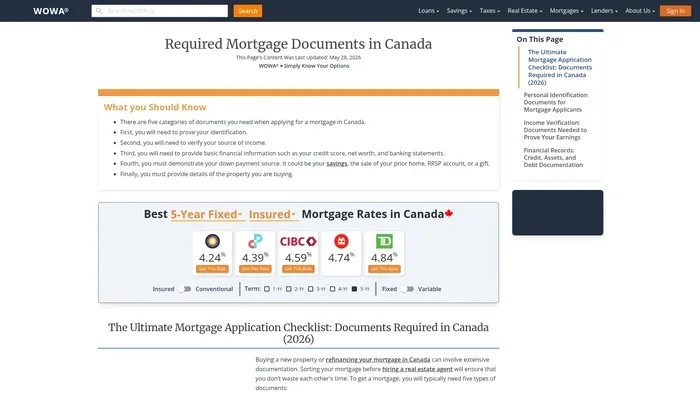
It is easy to focus only on the rate, but that can lead to surprises later. A slightly lower rate does not always mean a better overall deal. You should also look at the terms and conditions that affect how the mortgage works in real life.
Visual guide about Canadian home mortgage document
Image source: wowa.ca
Here are the key things to compare:
- Interest rate: The base cost of borrowing.
- Penalty for breaking the mortgage: This can be a big cost if you sell or refinance early.
- Prepayment privileges: Check how much extra you can pay each year without penalty.
- Payment frequency options: Monthly, biweekly, or accelerated payments can change how quickly you pay down the balance.
- Refinancing rules: Some mortgages make it easier to refinance later than others.
- Fees and closing costs: These can affect the true cost of the mortgage.
When you compare best mortgage rates Canada 5 years fixed RBC with other options, look at the full package. A mortgage with a slightly higher rate but better prepayment flexibility may be a better choice for your situation.
Quick Tip: Ask About the Total Cost
Do not just ask, “What is the rate?” Also ask, “What happens if I want to pay extra?” and “What would it cost to break this mortgage?” Those questions can reveal differences that matter a lot.
How to Get a Better Mortgage Rate
Many homebuyers hope to get the most favorable rate possible. The good news is that there are practical steps you can take to improve your chances. You cannot control every factor, but you can make yourself a stronger candidate.

Visual guide about Canadian home mortgage document
Image source: sandhusranmortgages.com
Here are some useful strategies:
- Check your credit first: Review your credit report for errors and fix any obvious issues before applying.
- Save for a larger down payment: This can reduce the size of the loan and may improve your options.
- Lower your debt load: Paying down other debts can improve your overall financial picture.
- Show stable income: Consistent employment and clear income documentation help.
- Compare multiple offers: Different lenders may present different terms, even for similar profiles.
- Ask about rate discounts or promotions: Sometimes lenders have special offers or flexibility.
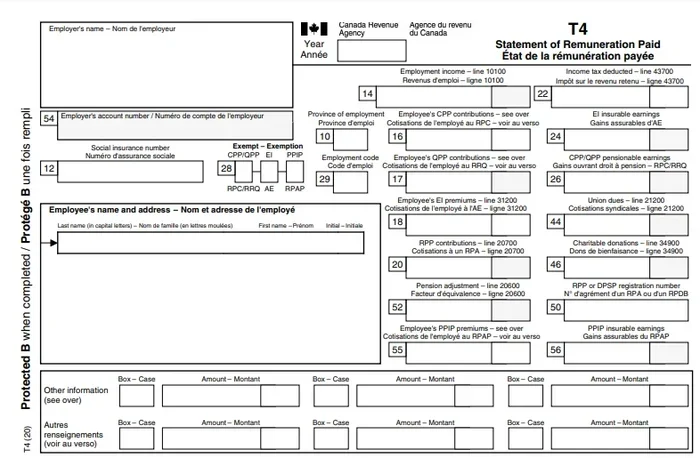
It also helps to be ready with your documents. When you apply, lenders usually want proof of income, proof of down payment, and details about the property. Being organized can make the process smoother.
Expert Insight: Do Not Rush the Application
A rushed application can lead to missed details. Take time to understand what you are signing. A mortgage is a long-term commitment, and small differences in terms can add up over time. If something is unclear, ask questions until it makes sense.
Common Mistakes to Avoid
Even smart buyers can make mistakes when choosing a mortgage. Knowing the common pitfalls can help you avoid them.
Here are some mistakes to watch for:
- Focusing only on the rate: The cheapest rate is not always the best mortgage if the terms are poor.
- Ignoring prepayment rules: If you want to pay down the mortgage faster, restrictive terms can slow you down.
- Underestimating penalties: Breaking a fixed mortgage early can be expensive.
- Stretching your budget too far: A comfortable payment matters, especially if life changes.
- Not planning for renewal: Your rate and terms will eventually come up for renewal, so think ahead.
- Assuming all lenders are the same: Features, service, and flexibility can vary.
A good mortgage choice is one that fits your budget today and leaves room for tomorrow. That means thinking about job changes, family plans, and possible moves.
Common Mistake: Overlooking Future Life Changes
It is easy to plan for your life right now. But mortgages last for years. If you might relocate for work, grow your family, or want to upgrade later, build that into your decision. Flexibility can be just as valuable as a low rate.
When a 5-Year Fixed Mortgage Makes the Most Sense
A 5-year fixed mortgage can be a strong choice in several situations. It is especially useful when you want certainty and plan to stay in the home for a while.
This term may be a good fit if:
- You prefer stable payments and want to avoid surprise changes.
- You plan to remain in the home for several years.
- You want protection if interest rates rise during your term.
- You are comfortable with a medium-length commitment.
- You want a simple, predictable mortgage structure.
On the other hand, if your plans are uncertain, you may want to compare shorter or more flexible options. The right mortgage is the one that supports your goals without creating unnecessary pressure.
Quick Comparison: Fixed vs. Variable Considerations
Fixed and variable mortgages both have strengths. A fixed mortgage gives you certainty. A variable mortgage may offer different rate dynamics and sometimes more flexibility. The better choice depends on your comfort with risk, your timeline, and the current market environment.
Here is a simple comparison:
- Fixed mortgage: Stable payments, easier planning, less exposure to rate increases during the term.
- Variable mortgage: Payments may change with the rate, which can create uncertainty but may also offer different opportunities.
If you value peace of mind, a fixed mortgage often feels safer. If you are comfortable with some fluctuation, a variable option may be worth exploring.
Final Thoughts on Choosing the Right RBC Fixed Mortgage
Choosing a mortgage is about more than chasing the lowest number. It is about finding a loan that fits your life, your budget, and your future plans. If you are comparing best mortgage rates Canada 5 years fixed RBC, take the time to look at the full picture. Pay attention to the rate, the prepayment options, the penalties, and the renewal terms.
A 5-year fixed mortgage can be a smart choice if you want stability and plan to stay put. RBC offers a range of mortgage features, and the right one depends on your personal situation. Compare carefully, ask clear questions, and make sure you understand what you are signing.
The best mortgage is the one that helps you feel confident, not stressed. When you know your priorities and compare your options thoughtfully, you can make a choice that supports your home and your financial goals for years to come.
Frequently Asked Questions
What is a 5-year fixed mortgage?
A 5-year fixed mortgage keeps your interest rate the same for five years. Your principal and interest payments stay predictable during that term, which makes budgeting easier.
Does RBC offer 5-year fixed mortgages?
RBC offers fixed-rate mortgage options, including 5-year terms, but the exact products and features can vary based on your situation. It is best to speak with a mortgage specialist to confirm what fits your needs.
What affects the mortgage rate I get?
Your credit history, income, down payment, debt levels, and the property itself can all influence the rate you are offered. Lenders look at the overall risk of the loan before setting your terms.
Is the lowest rate always the best choice?
Not always. A lower rate can be attractive, but you should also check penalties, prepayment options, and other terms. A slightly higher rate with better flexibility may be a better fit for some buyers.
What happens if I want to break a fixed mortgage early?
Breaking a fixed mortgage early can trigger a penalty, which may be significant. The exact cost depends on the mortgage terms and how much time is left in the contract.
Should I compare RBC with other lenders?
Yes, comparing multiple lenders can help you understand your options more clearly. Different lenders may offer different rates, features, and levels of flexibility, so it helps to look at the full package.
