
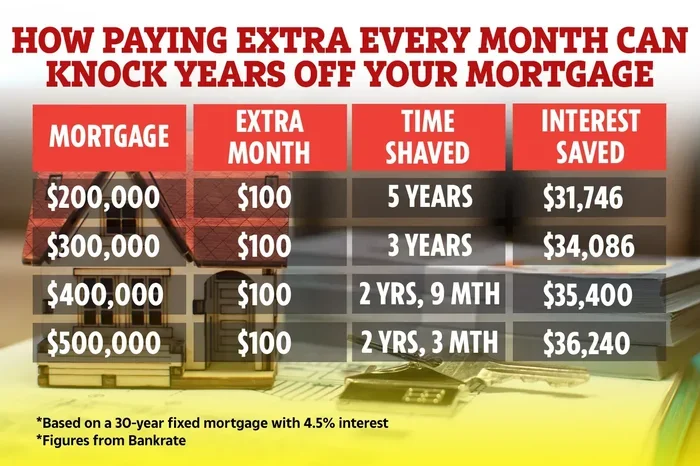
If you pay 1000 extra on your mortgage each month, you can dramatically reduce your loan balance and save a fortune in interest. This simple habit speeds up equity growth and helps you own your home sooner. We will break down the exact savings, timing strategies, and smart ways to apply extra funds without hurting your budget. You will also learn when extra payments make sense and when you should pause.
Buying a home feels amazing until the monthly payment shows up again and again. Many homeowners ask a simple question: if I pay 1000 extra on my mortgage, will it really help? The short answer is yes, and the impact can be surprisingly large. A single extra payment each month can shrink your balance, lower your total interest, and move your payoff date forward by years.
This guide explains exactly how extra payments work, what changes on your statement, and how to decide if this move fits your life. We will keep the math simple and focus on practical steps you can use right away. You will see how principal reduction works, how interest savings grow over time, and what to check before you send that extra money.
Key Takeaways
- Interest savings: Paying extra cuts total interest costs by thousands over the life of the loan.
- Faster equity: Extra payments build ownership quicker and improve your net worth.
- Shorter term: Consistent extra payments can shave years off a standard 30-year mortgage.
- Budget fit: A 1000 monthly extra payment works best when your emergency fund is solid.
- Lender rules: Confirm how your servicer applies extra money to principal, not future payments.
- Opportunity cost: Compare mortgage savings against other goals like investing or paying high-interest debt.
- Flexibility: Even occasional extra payments help, so you can adjust based on cash flow.
📑 Table of Contents
- How Extra Payments Change Your Mortgage
- If I Pay 1000 Extra on My Mortgage, How Much Can I Save?
- Should You Pay Extra Every Month or Occasionally?
- How to Make Extra Payments the Right Way
- When Extra Payments Make the Most Sense
- Common Mistakes to Avoid
- Quick Tips for Paying Extra Wisely
- Expert Insights on Extra Mortgage Payments
- Final Thoughts on Paying Extra
How Extra Payments Change Your Mortgage
A mortgage payment usually covers two main parts each month. The first part goes toward interest, which is the cost of borrowing money. The second part goes toward principal, which is the actual loan balance. Early in your loan, most of your payment covers interest, so the balance drops slowly. Later in the loan, more of your payment hits principal, and the balance falls faster.
When you pay 1000 extra on your mortgage, that money can go directly to principal if you instruct your lender correctly. This matters because principal is the number that interest is calculated on. A smaller principal means less interest next month, and even more of your regular payment goes toward the balance. That creates a snowball effect that speeds up payoff.
Think of it like a hill. Your regular payment is the steady walk upward. An extra payment is a boost that helps you climb faster. The earlier you start, the bigger the benefit, because interest has less time to build on the remaining balance. Even one extra payment can make a noticeable difference if your loan is still young.
What Happens to Interest Over Time
Interest is the biggest cost in most long-term home loans. It grows quietly in the background, especially during the first years. Extra payments interrupt that growth by lowering the balance sooner. That means every future month is calculated on a smaller number.
Here is a simple way to picture it. If your balance is high, interest takes a bigger slice of each payment. If your balance drops faster, interest takes a smaller slice. Over many months, those smaller slices add up to real savings. This is why people often say extra payments save more than they expect.
Why Timing Matters
The best time to start extra payments is early in the loan, but later still works. Early extra payments reduce interest for a longer stretch of the loan. Later extra payments still help, especially if you want to finish paying off the home before retirement or another major life change. The key is consistency, not perfection.
If your budget changes, you can adjust. You do not need to commit to the same amount forever. Some months you may pay the full 1000 extra, and other months you may pay less. The goal is to keep momentum going without creating stress.
If I Pay 1000 Extra on My Mortgage, How Much Can I Save?
The exact savings depend on your interest rate, loan balance, and how many years remain. Still, the pattern is clear. An extra 1000 each month can cut total interest substantially and move your payoff date forward by a meaningful amount. The higher your rate, the bigger the savings tend to be.

Visual guide about person paying extra mortgage
Image source: sammamishmortgage.com
Let’s use a simple example. Imagine a loan with a balance that still has many years left and a moderate interest rate. A regular payment covers interest first, then principal. When you add 1000 extra toward principal, the balance drops faster. Over time, the loan ends sooner, and the interest total falls sharply. The result is more money kept in your pocket.
This is where the idea of mortgage payoff calculator tools becomes useful. You can plug in your numbers and see the estimated interest savings and new payoff date. That makes the decision easier because you can compare the extra payment against your other financial goals.
Example Scenario With Steady Extra Payments
Suppose you have a long-term home loan and you decide to pay 1000 extra every month. In the first year, your principal drops more than it would have otherwise. In the second year, interest has less room to grow. By the time several years pass, your loan term has shortened, and your total interest cost is lower.
This kind of plan works best when you keep the extra payment steady. A steady plan helps you build a routine and makes the math easier to track. It also helps you see progress on your balance, which can be very motivating.
Why Rate and Balance Change the Result
Your interest rate plays a big role. A higher rate means interest costs more, so extra payments create larger savings. A lower rate still benefits from extra payments, but the savings may be smaller in absolute terms. Your current balance matters too, because a larger balance gives interest more space to grow.
If you are unsure, run your numbers through a early mortgage payoff calculator. That gives you a clearer picture of how much you could save and how soon you could finish. It also helps you decide whether 1000 extra is the right amount for your situation.
Should You Pay Extra Every Month or Occasionally?
You do not have to choose all or nothing. Some people prefer a fixed monthly extra payment because it becomes part of the budget. Others prefer to make occasional lump-sum payments when they have extra cash from bonuses, gifts, or other windfalls. Both approaches can work well.
Visual guide about person paying extra mortgage
Image source: i.ytimg.com
A monthly extra payment creates a steady reduction in principal. That can be easier to plan around and easier to automate. Occasional lump-sum payments are more flexible, because you can size them based on your cash flow. If your income changes from month to month, occasional payments may feel safer.
Monthly Extra Payment Pros and Cons
A monthly extra payment has several advantages. It builds a habit, keeps your balance falling steadily, and makes progress predictable. It can also simplify your planning because you treat the extra amount like a recurring expense.
The downside is that it reduces monthly flexibility. If money gets tight, a fixed extra payment may feel heavy. That is why it is important to leave room for emergencies and other priorities. A mortgage should not crowd out your basic safety net.
Occasional Lump-Sum Payment Pros and Cons
Occasional payments give you freedom. You can use tax refunds, work bonuses, or savings surges when they arrive. This approach can still reduce interest and shorten the loan, especially if the lump sums are meaningful.
The tradeoff is that progress may be less predictable. If you wait for extra cash, the balance may not drop as quickly. Still, this method can be a smart middle ground if you want to pay extra without locking yourself into a strict monthly commitment.
How to Make Extra Payments the Right Way
Before you send extra money, check how your lender applies it. Some servicers automatically treat extra funds as advance payment for future months. That may not help you as much as directing the money to principal. You want the extra amount to reduce the balance now, not push next month’s payment ahead.
Visual guide about person paying extra mortgage
Image source: wiserinvestor.com
A good first step is to contact your lender or check your online portal. Ask how to mark extra payments for principal reduction. If there is a special box or note field, use it every time. Clear instructions help ensure your money works the way you want.
Confirm Principal Application
This step matters more than many people realize. If extra money goes toward future installments, your loan balance may not shrink as fast as you expect. You may still be on track, but the interest savings and payoff speed can change. Always verify the method before you commit to a regular extra payment plan.
If your servicer offers an option to pay toward principal only, use it. If the process is unclear, ask for written instructions. A few minutes of checking can prevent confusion later.
Keep Your Budget Balanced
Extra mortgage payments are helpful, but they should fit your overall financial picture. Make sure you have a solid emergency fund first. That fund protects you if the car breaks down, a medical bill appears, or work hours change. A home is important, but financial stability matters too.
Also consider other debts. If you have higher-interest debt, it may make more sense to handle that first. The best choice depends on your numbers. A paying off mortgage early plan works best when it supports your broader goals instead of competing with them.
When Extra Payments Make the Most Sense
Extra payments are especially useful when your budget is stable and your rate is meaningful. They also help if you want to free up future cash flow by eliminating the mortgage sooner. For some people, owning a home outright brings peace of mind and reduces monthly obligations.
This strategy can also fit well if you plan to stay in the home for a long time. If you expect to move soon, the payoff benefit may be smaller, because you may not hold the loan long enough to capture the full interest savings. In that case, you might prefer a more flexible approach.
Long-Time Homeowners
If you plan to remain in the home for many years, extra payments can be very rewarding. You have more time to benefit from the reduced balance and lower interest costs. You also get a clearer path to full ownership, which many homeowners value highly.
For long-time homeowners, consistency is often the biggest advantage. A regular extra payment plan can create a strong sense of progress and help you reach a debt-free milestone sooner.
People With Stable Income
If your income is steady and your essentials are covered, extra payments can fit nicely. You can plan around them without much stress. This is often the ideal situation because the extra payment becomes a normal part of your financial routine.
Even then, it helps to keep some flexibility. Life changes, and a plan that feels comfortable today may need adjusting later. The best plan is one you can maintain without strain.
Common Mistakes to Avoid
One common mistake is assuming extra payments automatically go to principal. They may not, unless you specify that clearly. Another mistake is sending extra money without checking your emergency fund or other debts first. That can leave you exposed if something unexpected happens.
Some people also focus only on the mortgage and ignore other goals. Retirement savings, insurance, and basic liquidity matter too. A balanced plan usually works better than an aggressive one that creates pressure.
Skipping the Lender Check
If you do not confirm how the extra payment is applied, you may not get the result you want. Always check the process before you start. It is a small step that can make a big difference in how fast your balance drops.
Stretching Too Thin
Extra payments should not leave you unable to cover normal expenses. If paying 1000 extra each month makes your budget fragile, scale it back. A smaller extra payment is still useful, and it may be more sustainable.
Quick Tips for Paying Extra Wisely
Use these simple tips to keep your plan on track:
- Verify principal application: Make sure extra funds reduce the balance, not future payments.
- Start with safety: Build an emergency fund before committing to large extra payments.
- Compare rates: If other debt costs more, consider handling that first.
- Use calculators: A mortgage interest savings calculator can show your likely payoff timeline.
- Stay flexible: Adjust the extra amount when life changes.
- Track progress: Review your balance regularly to stay motivated.
- Automate if possible: Recurring extra payments can make the habit easier.
Expert Insights on Extra Mortgage Payments
Financial experts often say extra mortgage payments are a good tool, but not always the best first step. The right choice depends on your interest rate, your other goals, and how much liquidity you want. Some experts suggest prioritizing high-interest debt or retirement contributions before making large extra mortgage payments.
Other experts point out the psychological benefit of reducing housing debt. For many people, seeing the balance fall faster creates confidence and relief. That emotional boost can be just as important as the math, especially if the mortgage feels heavy.
A balanced approach usually wins. You can make extra payments while still saving for other priorities. That way, you move toward owning your home sooner without ignoring the rest of your financial life.
Final Thoughts on Paying Extra
If you pay 1000 extra on your mortgage, you can make real progress toward a smaller balance and a shorter loan. The exact benefit depends on your rate, balance, and timing, but the overall effect is usually powerful. Extra payments reduce interest, build equity faster, and can help you reach ownership sooner.
The best plan is one that fits your budget, protects your emergency fund, and matches your long-term goals. Check how your lender applies extra money, run the numbers, and decide what amount feels comfortable. Even if you cannot pay 1000 extra every month, occasional extra payments can still help. The most important thing is to start with a clear plan and keep moving forward.
Frequently Asked Questions
If I pay 1000 extra on my mortgage, will it reduce my monthly payment?
Usually not right away. Extra payments typically reduce the principal balance, which lowers total interest over time, but your required monthly payment often stays the same unless you recast or refinance.
Is it better to pay extra every month or once a year?
It depends on your cash flow and goals. Monthly extra payments create steady progress, while yearly lump sums offer more flexibility, and both can reduce interest if applied to principal.
Do extra mortgage payments help more early in the loan?
They often help more early because interest has more time to build on a larger balance. Still, extra payments can be useful at any stage if you want to save interest and finish sooner.
Should I pay extra on my mortgage if I have credit card debt?
Not always. If your credit card interest rate is much higher, it may make more sense to pay that down first. Compare the rates and choose the option that saves the most money overall.
How do I make sure my extra payment goes to principal?
Check your lender’s payment options and specify that the extra amount should be applied to principal. If needed, contact customer service or use the note field on your payment portal.
Can paying extra on my mortgage affect my taxes or deductions?
It may affect your interest deduction indirectly because you pay less interest over time. The best approach is to review your situation with a tax professional if you rely on mortgage interest deductions.