

Refinancing your home loan can save you money when interest rates drop, but timing and costs matter. Can you refinance mortgage when rates go down is a common question with a simple answer: yes, but you must run the numbers first. This guide walks you through the math, the steps, and the smart moves that protect your wallet.
Can you refinance mortgage when rates go down is one of the first questions homeowners ask when the news sounds good. The short answer is yes. You can refinance when rates drop, and many people do. The real question is whether it makes sense for your situation. A lower rate can shrink your monthly payment and reduce the total interest you pay over time. But there are costs, rules, and timing details that can change the outcome.
This guide breaks the process into simple steps. You will learn how to compare numbers, what lenders look for, and which mistakes to avoid. We will keep the language plain and the advice practical. By the end, you will know how to decide if a refinance is worth it and how to move forward with confidence.
Key Takeaways
- Yes, you can refinance when rates drop: Lower rates can reduce your monthly payment and total interest, but you must compare closing costs against your savings.
- Break-even math matters most: Divide your closing costs by your monthly savings to find how many months it takes to recoup the expense.
- Equity and credit shape your options: Stronger equity and higher credit scores unlock better rates and more loan choices.
- Loan term changes affect long-term cost: Shortening your term can save interest, while extending it may lower payments but increase total cost.
- Closing costs can erase savings: Fees, appraisal, and title work can add up, so negotiate and shop multiple lenders.
- Timing and rate locks protect you: A rate lock can shield you from market swings while you finish the application.
- Not every drop is worth it: Small rate dips may not justify the effort unless you plan to stay in the home long enough.
📑 Table of Contents
Can You Refinance Mortgage When Rates Go Down
When rates fall, refinancing becomes more attractive. Lenders often see more applicants because borrowers want to capture the savings. You can usually refinance a primary home, a second home, or an investment property, though rules vary. The key is to match the new loan to your goals. Some people want a lower payment. Others want to pay the loan off faster. Some want to switch from an adjustable rate to a fixed rate for stability.
A lower market rate does not guarantee a better deal for you. Your personal rate depends on your credit, your equity, your debt-to-income ratio, and the lender you choose. Two people can see the same headline rate and get very different offers. That is why shopping matters. Get quotes from more than one lender and compare the full cost, not just the interest rate.
Why a Rate Drop Can Help You
A rate drop can lower your monthly payment and reduce the interest portion of each payment. That frees up cash for other goals. It can also help you build equity faster if you keep the same term and put the savings toward principal. If you have an adjustable-rate mortgage, a drop may make a fixed rate look safer and more predictable. Stability can be worth a lot when budgets are tight.
There is another benefit that people often overlook. Refinancing can remove private mortgage insurance if your home value has risen enough. That can lower your payment without changing your rate much. It is a useful move when your loan balance has dropped below the threshold for coverage. Always ask the lender to check this for you.
When a Rate Drop May Not Be Worth It
Small rate drops may not cover the closing costs. If you plan to move soon, the math may not work. If your current loan has a low rate already, the savings could be tiny. If your credit has slipped, you might not qualify for the best rates. In these cases, waiting or focusing on other goals may be smarter.
There is also the question of time. Refinancing resets part of your loan timeline unless you choose a term that matches your remaining balance. A new thirty-year loan can lower payments, but it may add years of interest. That trade-off is fine for some people and not for others. Think about your plans for the home before you sign anything.
The Math Behind Refinancing When Rates Drop
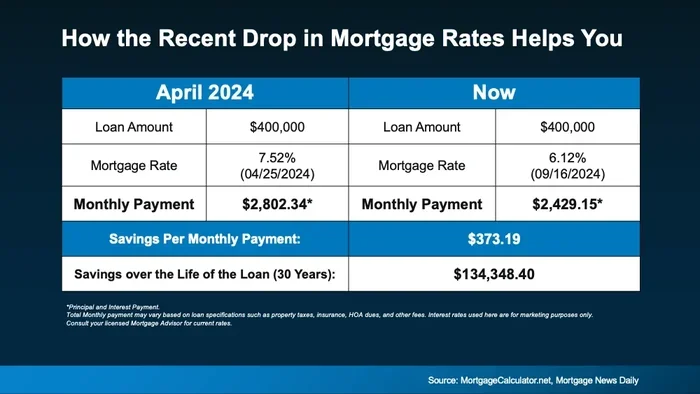
Numbers tell the truth. Before you apply, estimate your savings and your costs. A simple break-even calculation shows how long it takes to recover the fees. This step keeps you from chasing a rate that looks good but costs more in the end.
Visual guide about mortgage refinance rate drop
Image source: files.keepingcurrentmatters.com
Start with your current loan. Note the balance, the rate, the term, and the monthly payment. Then look at the new offer. Compare the rate, the term, and the estimated closing costs. The difference in monthly payment is your gross savings. Divide the closing costs by that savings to find the break-even point in months. If you plan to stay longer than that, the refinance may be a good fit.
Break-Even Example
Imagine you owe $200,000 at 6.5 percent with twenty years left. Your payment is about $1,520. A new loan at 5.5 percent for the same balance and term drops the payment to about $1,305. That is roughly $215 in monthly savings. If closing costs are $3,000, your break-even is about fourteen months. If you plan to stay longer, the deal looks strong. If you plan to move sooner, the costs may outweigh the benefit.
This example is simple. Real life adds taxes, insurance, and possibly mortgage insurance. Those items can change the payment and the savings. Always ask for a written estimate that lists every fee. A clear picture helps you compare offers without surprises.
Total Interest Over Time
Monthly payment is only one part of the story. Total interest matters too. A shorter term usually means higher payments but less interest overall. A longer term usually means lower payments but more interest overall. If your goal is to save money over the life of the loan, look at the total cost, not just the monthly number.
You can also keep your current payoff date by choosing a term that matches your remaining time. For example, if you have fifteen years left, a fifteen-year refinance can keep you on track while lowering the rate. This approach can reduce interest without stretching the timeline. It is a balanced choice for people who want savings and structure.
What Lenders Look For When You Refinance
Lenders review your whole financial picture. They want to know that you can handle the new payment and that the home provides enough security. Your credit score, equity, income, and debts all play a role. A strong profile usually unlocks better rates and fewer conditions.

Visual guide about mortgage refinance rate drop
Image source: c21affiliated.com
Equity is a big factor. More equity often means better terms and easier approval. If your home value has grown, you may have more options than you think. Credit score matters too. Even a small improvement can move you into a better pricing tier. That is why it helps to check your credit before you apply and fix simple errors if you find them.
Credit Score and Pricing Tiers
Lenders often use pricing tiers based on credit bands. A higher score can earn a lower rate or lower fees. If your score is near a cutoff, paying down a small balance or correcting a report error might help. The goal is not to chase perfection. The goal is to put yourself in the best position for the offer you want.
Keep your credit steady during the process. Avoid opening new accounts or making large purchases on credit. Those moves can change your score or your debt-to-income ratio. A stable profile helps the lender give you a clean approval.
Income, Debt, and Documentation
Lenders will verify income and employment. They will also review your monthly debts. A lower debt-to-income ratio can improve your options. Have your pay stubs, tax returns, and bank statements ready if you are self-employed or have variable income. Clear paperwork speeds up the review and reduces back-and-forth.
If your situation has changed, be ready to explain it. A new job, a bonus structure, or a recent raise can affect how a lender views your application. Honest, clear information builds trust and keeps the process moving.
Costs, Fees, and What You Can Negotiate
Refinancing costs money. Typical fees include application, appraisal, title, origination, and recording charges. Some lenders offer credits that reduce your out-of-pocket cost in exchange for a slightly higher rate. Others let you roll the costs into the loan. Each choice has a trade-off.

Visual guide about mortgage refinance rate drop
Image source: x-default-stgec.uplynk.com
You can often negotiate parts of the package. Ask for a loan estimate from more than one lender and compare line items. Some fees are flexible. Some are tied to third parties and less flexible. Focus on the total cost and the rate together. A low rate with high fees may not beat a slightly higher rate with low fees.
Ways to Lower Your Closing Costs
Shop around. Different lenders price the same risk differently. Ask about no-closing-cost options and compare the rate impact. Request a credit for some fees if you plan to keep the loan for a long time. Check whether your current lender offers a streamline option that reduces paperwork and cost. If your home value supports it, ask whether you can drop insurance coverage and save money that way.
Keep the process moving. Delays can sometimes create extra charges or lock issues. Respond quickly to document requests. A smooth file often costs less than a messy one because it reduces the chance of added work.
Rolling Costs Into the Loan
Rolling costs into the balance lowers your cash need at closing. That can be helpful if you want to keep some savings on hand. The trade-off is a higher loan amount and, in some cases, a higher payment. Make sure the new balance still fits your goals. If you are close to a pricing tier or an insurance threshold, a higher balance could change your terms.
This option can make sense if you plan to stay in the home long enough to benefit from the lower rate. If you move soon, the extra balance may not be worth it. Run both versions of the math and compare them side by side.
Timing, Rate Locks, and Smart Moves
Timing matters because rates can change while your application is in progress. A rate lock can protect you for a set period. That gives you certainty while you finish the paperwork. Locks can have fees or conditions, so ask about the terms before you commit.
Watch the market, but do not try to time it perfectly. No one knows the exact bottom. Focus on your break-even and your plans for the home. If the numbers work and the lock protects you, that is often enough. A good deal today can be better than a maybe deal tomorrow.
Choosing the Right Term
Your term choice shapes your payment and your total cost. A shorter term can save interest and build equity faster. A longer term can free up monthly cash. Some borrowers keep their remaining term to avoid adding years. Others extend the term to lower the payment and improve cash flow. There is no single right answer. The right answer matches your budget, your timeline, and your goals.
If you want flexibility, consider a term that gives you room to make extra payments. Extra principal payments can shorten the loan without committing you to a higher required payment. That hybrid approach can be a smart middle ground.
Common Mistakes to Avoid
Do not focus only on the rate. Look at the full cost and the term. Do not assume a no-closing-cost offer is always best. Check what you are giving up for the credit. Do not ignore the break-even point. If you plan to move before you break even, the savings may never arrive. Do not make big credit moves during the process. Keep your file stable. Do not skip the written estimate. Verbal numbers can change, and written numbers protect you.
Another common mistake is forgetting to compare the new payment with your budget. A lower rate is great, but a payment that strains your cash flow defeats the purpose. Choose a payment that fits your life, not just your hopes.
When a Refinance Makes the Most Sense
A refinance often makes the most sense when you plan to stay in the home long enough to pass the break-even point. It also makes sense when your equity and credit support a better rate. It can make sense if you want to change from an adjustable rate to a fixed rate for peace of mind. It can make sense if you want to remove insurance or adjust the term to fit a new goal.
Think about your broader plan. If you expect income changes, a lower payment may give you room. If you expect to stay put for years, a lower rate can compound into real savings. If you want to pay the loan off faster, a shorter term can help you get there. Match the loan to the life you actually live.
Quick Tips for a Smooth Refinance
- Get multiple quotes: Compare at least three lenders to find the best mix of rate and cost.
- Run the break-even math: Know exactly how long it takes to recover the fees.
- Check your equity: Ask whether your home value lets you drop insurance or improve pricing.
- Keep credit steady: Avoid new debt and large charges while the file is open.
- Read the estimate line by line: Focus on total cost, not just the headline rate.
- Ask about locks and credits: Understand the trade-offs before you commit.
- Plan for the term: Choose a timeline that fits your future, not just your current budget.
Expert Insights
Experienced loan officers often say the best refinance is the one that solves a real problem. That problem might be a high payment, an unstable rate, or extra insurance. It might also be a chance to build equity faster. The point is to align the loan with a clear goal. When the goal is clear, the decision gets easier.
Another useful insight is to treat the process like a project. Set a timeline, gather documents early, and respond fast. A clean file often leads to a smoother closing. Small habits like these can save time and reduce stress. They also help you compare offers on a fair basis because each lender sees a stable, complete application.
Final Thoughts on Refinancing When Rates Drop
Can you refinance mortgage when rates go down is a practical question with a practical answer. Yes, you can, and many homeowners do. The win comes from doing the math, checking your equity and credit, and choosing a term that fits your plans. A lower rate can help, but only if the total picture works for you.
Take your time, compare offers, and focus on the break-even. Ask questions until the estimate makes sense. If the numbers line up and the loan supports your goals, a refinance can be a smart move. If they do not, it is okay to wait. The best decision is the one that fits your home, your budget, and your future.
Frequently Asked Questions
Can you refinance mortgage when rates go down if you have a small amount of equity?
Yes, but your options may be limited. Less equity can mean higher rates or extra insurance. Ask lenders whether your home value and balance still support a refinance that saves you money.
How much does it cost to refinance when rates drop?
Costs vary by lender and location. Typical fees include appraisal, title, origination, and recording charges. Get a written estimate and compare the total cost, not just the rate.
How long should I wait before refinancing after rates fall?
Wait only as long as you need to gather quotes and confirm the math. A rate lock can protect you while you finish the application. Do not delay just to chase a slightly lower number.
Can refinancing lower my payment without changing my rate much?
Yes. Dropping mortgage insurance, changing the term, or adjusting the balance can lower the payment. Sometimes a small rate change plus a cost adjustment creates the biggest benefit.
Is it better to shorten the term or lower the payment?
It depends on your goal. A shorter term usually saves interest over time. A longer term usually lowers the payment. Choose the option that matches your cash flow and your timeline.
What should I avoid doing while my refinance is in process?
Avoid opening new credit, making large purchases on credit, or changing jobs if you can. Keep your file stable so the lender can finish the review without delays or surprises.