

Having kids transforms married men in profound and often unexpected ways. From shifting priorities to deeper emotional growth, fatherhood reshapes identity, relationships, and daily life in meaningful, lasting ways.
Becoming a father is one of the most transformative experiences a married man can go through. It’s not just about diapers, midnight feedings, or school drop-offs—though those are very real. It’s about a fundamental shift in identity, values, and daily habits. For many men, life before kids feels like a different chapter—one filled with spontaneity, personal freedom, and a focus on career or hobbies. But once a child enters the picture, everything changes. And while every man’s journey is unique, there are consistent, big ways married men change after having kids.
These changes aren’t always dramatic or immediate. Sometimes they creep in quietly—like choosing to skip a late-night work event to read bedtime stories, or feeling a surge of pride when your toddler says “I love you” for the first time. Other times, the shift is seismic: reevaluating career paths, redefining what success means, or learning to communicate more openly with your spouse. The truth is, fatherhood doesn’t just add responsibilities—it reshapes who you are.
In this article, we’ll explore the major ways married men evolve after becoming dads. From emotional growth to lifestyle adjustments, we’ll look at real-life examples, practical insights, and the deeper meaning behind these changes. Whether you’re a soon-to-be dad, a new father, or years into parenting, understanding these shifts can help you navigate this new phase with more awareness, grace, and connection.
Key Takeaways
- Increased sense of responsibility: Men often become more focused on providing stability, safety, and long-term planning for their family.
- Greater emotional awareness: Parenthood encourages men to process emotions more openly and develop stronger empathy.
- Shift in time management: Free time diminishes, leading to more intentional use of time and stronger boundaries around work and leisure.
- Deepened marital bond: Shared parenting experiences can strengthen the marital relationship through teamwork and mutual support.
- Redefined masculinity: Traditional roles evolve as men embrace nurturing, vulnerability, and active caregiving.
- Improved patience and perspective: Daily challenges with kids teach men to slow down, appreciate small moments, and let go of minor stressors.
- Stronger work-life balance focus: Many men reevaluate career goals to prioritize family time and personal well-being.
📑 Table of Contents
- 1. A Shift in Priorities: From “Me” to “We”
- 2. Emotional Growth and Increased Empathy
- 3. Redefining Masculinity and Embracing Nurturing Roles
- 4. Improved Patience and a New Perspective on Life
- 5. Strengthened Marital Bond Through Shared Purpose
- 6. A Renewed Focus on Health and Long-Term Well-Being
- Conclusion: Embracing the Journey of Fatherhood
1. A Shift in Priorities: From “Me” to “We”
One of the most noticeable changes in married men after having kids is a dramatic shift in priorities. Before children, many men center their lives around personal goals—career advancement, hobbies, social outings, or even just downtime. But once a baby arrives, the focus naturally turns outward. The “me” mindset gives way to a “we” mindset, where decisions are made with the family’s well-being in mind.
This doesn’t mean men lose their individuality. Instead, they begin to see their personal goals as part of a larger family picture. For example, a man who once chased promotions at all costs might now prioritize a job with better work-life balance, even if it means a smaller paycheck. Or someone who loved weekend trips with friends might now plan family vacations instead.
Real-Life Example: Choosing Stability Over Status
Take Mark, a 38-year-old software engineer. Before his daughter was born, he was known for working 60-hour weeks and chasing high-profile projects. But after his daughter’s birth, he noticed he was missing key moments—first steps, school plays, even simple bedtime routines. He realized his career success wasn’t fulfilling if it came at the cost of being present for his family.
So Mark made a bold move: he switched to a less demanding role at a smaller company. The pay was lower, and the prestige wasn’t the same, but he gained something far more valuable—time. Now, he leaves work at 5 p.m. every day, helps with homework, and tucks his daughter in. “I used to think success was about titles and salary,” he says. “Now, it’s about being there when my kid needs me.”
Practical Tip: Audit Your Time
If you’re a new dad feeling overwhelmed by shifting priorities, start by auditing how you spend your time. Track your week: how many hours go to work, family, personal time, and sleep? Are your choices aligned with your values? Small adjustments—like setting a hard stop on work emails after 7 p.m. or scheduling regular family dinners—can make a big difference.
2. Emotional Growth and Increased Empathy
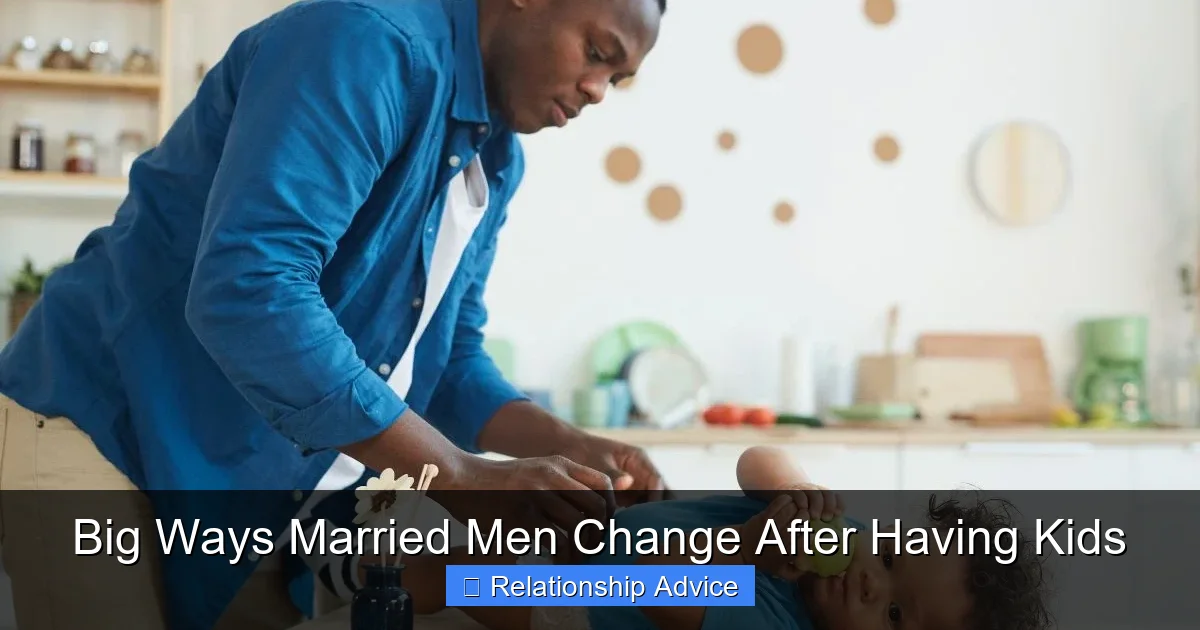
Visual guide about Big Ways Married Men Change After Having Kids
Image source: realestlove.com
Fatherhood often acts as a catalyst for emotional growth in men. While society has historically encouraged men to be stoic and self-reliant, parenting demands vulnerability, patience, and emotional intelligence. Suddenly, you’re dealing with a tiny human who can’t tell you what’s wrong—only cry, scream, or cling to you. This forces men to tune into emotions—both their child’s and their own—in ways they may never have before.
Many married men report becoming more in tune with their feelings after having kids. They learn to recognize frustration, anxiety, or sadness not as weaknesses, but as signals that something needs attention. This emotional awareness often extends to their marriage, where they become better listeners and more supportive partners.
From Stoic to Supportive: A Husband’s Evolution
James, a 42-year-old teacher, admits he used to “shut down” during conflicts with his wife. “I’d just go quiet or change the subject,” he says. “I thought avoiding arguments was being strong.” But after their son was born, James found himself dealing with constant stress—sleepless nights, financial pressure, and the emotional toll of parenting. Instead of retreating, he started opening up.
“I realized my wife was going through the same thing,” he explains. “We were both exhausted and overwhelmed. Instead of hiding my feelings, I started saying, ‘I’m really stressed today. Can we talk about it?’ That simple shift changed everything.”
Now, James and his wife have weekly check-ins to discuss how they’re feeling—both about parenting and their relationship. “It’s not always easy,” he says, “but it’s made us closer.”
Practical Tip: Practice Emotional Check-Ins
Try starting small. Each night, ask yourself: “How am I really feeling today?” Then share one emotion with your spouse—even if it’s just “I felt frustrated when the baby wouldn’t stop crying.” This builds emotional honesty and strengthens your bond.
3. Redefining Masculinity and Embracing Nurturing Roles

Visual guide about Big Ways Married Men Change After Having Kids
Image source: realestlove.com
Traditional ideas of masculinity often emphasize strength, independence, and emotional restraint. But fatherhood challenges these norms. Men who once saw caregiving as “women’s work” often find themselves changing diapers, soothing colicky babies, and singing lullabies—all while feeling a deep sense of purpose.
This shift isn’t just about practical tasks. It’s about redefining what it means to be a man. Many married men discover that being strong doesn’t mean being silent—it means being present, vulnerable, and willing to show love in everyday ways.
Breaking Stereotypes: The Stay-at-Home Dad
When Alex’s wife landed a high-paying job after their second child was born, they made a joint decision: Alex would become the primary caregiver. “People looked at me funny at first,” he says. “Some asked if I was ‘babysitting’ my own kids.” But Alex embraced the role fully. He learned to cook, manage schedules, and even started a parenting blog.
“I used to think being a man meant providing financially,” Alex says. “Now I know it’s about providing love, stability, and presence. My kids see me as their safe place—and that’s the greatest honor.”
Practical Tip: Challenge Gender Roles at Home
Start by sharing responsibilities equally. If you’re used to your spouse handling all the childcare, take over one routine—like bath time or school pickup—and make it yours. This not only lightens your partner’s load but also deepens your connection with your child.
4. Improved Patience and a New Perspective on Life

Visual guide about Big Ways Married Men Change After Having Kids
Image source: i.pinimg.com
Parenting is the ultimate test of patience. Toddlers throw tantrums. Babies wake up every two hours. Kids ask “why?” a hundred times a day. For many men, this constant demand for calm, consistency, and understanding leads to a surprising outcome: greater patience.
But it’s not just about enduring frustration. Men often report a deeper appreciation for small moments—the giggle during a bath, the way a child holds your hand, the quiet of a morning before the chaos begins. These moments become anchors in a busy life.
From Rushing to Savoring: A Dad’s Mindset Shift
David, a 35-year-old marketing manager, used to live by the clock. He’d rush through meals, skip playtime, and feel anxious if things weren’t on schedule. But after his son was born, he realized how much he was missing.
“One day, my son was playing with blocks and just laughing—no reason, just pure joy,” David recalls. “I stopped what I was doing and just watched. It was one of the most peaceful moments of my life.”
Now, David makes a point to slow down. He takes walks with his son, even if it means being late to a meeting. He eats breakfast with his family, even if it’s messy. “I used to think time was money,” he says. “Now I know time is love.”
Practical Tip: Practice Mindful Parenting
Try the “pause and notice” technique. When you feel impatient, pause for three breaths. Then notice one small, positive thing about the moment—your child’s smile, the sound of their voice, the way they hold a toy. This simple practice can transform frustration into connection.
5. Strengthened Marital Bond Through Shared Purpose
While parenting can strain a marriage, it can also deepen it. When both partners are actively involved in raising a child, they often develop a stronger sense of teamwork and shared purpose. The daily challenges of parenting—sleepless nights, financial stress, discipline decisions—require communication, compromise, and mutual support.
Many married men find that their relationship with their spouse evolves from a romantic partnership to a parenting partnership—and that’s not a bad thing. In fact, it can be incredibly fulfilling.
Teamwork in Action: Co-Parenting Success
When Rachel and her husband, Tom, had their first child, they quickly realized they had different parenting styles. Rachel was more structured; Tom was more laid-back. At first, this caused tension. But instead of arguing, they started having weekly “parenting meetings” to align on routines, rules, and goals.
“We realized we weren’t competing—we were on the same team,” Tom says. “Now, we support each other. If I’m stressed, Rachel steps in. If she’s overwhelmed, I take over.”
Their marriage has grown stronger because of it. “We’re not just husband and wife,” Rachel says. “We’re co-captains of this parenting ship.”
Practical Tip: Schedule Regular Check-Ins
Set aside 15 minutes each week to talk about parenting—not as complaints, but as a team. Discuss what’s working, what’s not, and how you can support each other. This builds unity and prevents resentment.
6. A Renewed Focus on Health and Long-Term Well-Being
Having kids often makes men more aware of their own health. The thought of not being around to see their children grow up—or not being able to keep up with them—can be a powerful motivator. Many married men start exercising more, eating better, and scheduling regular check-ups after becoming fathers.
This isn’t just about longevity. It’s about being present—physically and emotionally—for their family.
From Couch to 5K: A Dad’s Health Journey
When Ben’s daughter was born, he was overweight and rarely exercised. “I told myself I was too busy,” he says. But one day, his daughter asked him to play tag—and he couldn’t keep up. “She was laughing, and I was out of breath,” he recalls. “That was my wake-up call.”
Ben started walking every day, then jogging, then training for a 5K. He lost 40 pounds and feels more energetic than he has in years. “I want to be the dad who runs around the park, not the one sitting on the bench,” he says.
Practical Tip: Start Small with Health Goals
You don’t need to run a marathon. Start with a 10-minute walk after dinner or swap soda for water. Small changes add up—and your family will notice the difference.
Conclusion: Embracing the Journey of Fatherhood
The big ways married men change after having kids aren’t just about added responsibilities—they’re about transformation. Fatherhood reshapes priorities, deepens emotional intelligence, redefines strength, and strengthens relationships. It’s not always easy. There will be sleepless nights, moments of doubt, and days when you feel like you’re failing. But there will also be laughter, love, and a sense of purpose that’s hard to match.
The key is to embrace the journey—not as a burden, but as an opportunity to grow. Every diaper changed, every tantrum soothed, every bedtime story read is a step toward becoming not just a better dad, but a better man.
So if you’re a married man navigating life with kids, give yourself grace. Celebrate the small wins. Lean on your partner. And remember: the changes you’re experiencing aren’t just shaping your family—they’re shaping you.
Frequently Asked Questions
Do all married men change after having kids?
Not every man changes in the same way or to the same degree, but most experience some shift in priorities, emotions, or habits. The extent of change often depends on involvement in parenting, personal values, and support systems.
Can fatherhood improve a marriage?
Yes, when both partners are actively involved and communicate well, parenting can strengthen a marriage through shared purpose, teamwork, and deeper emotional connection.
Is it normal for men to feel overwhelmed after having kids?
Absolutely. Many new fathers experience stress, anxiety, or even postpartum depression. It’s important to talk about these feelings and seek support if needed.
How can men balance work and family after having kids?
Set clear boundaries, prioritize family time, and be intentional with your schedule. Consider flexible work options and delegate tasks when possible.
Do men become more patient after becoming fathers?
Many do. The daily demands of parenting—like soothing a crying baby or handling tantrums—often teach men to slow down and respond with greater calm and understanding.
Can fatherhood change a man’s career goals?
Yes. Many men reevaluate their careers to prioritize work-life balance, financial stability, or roles that allow more time with family.