
Buying a home is exciting, but knowing your budget keeps stress low. With a $300,000 salary, you earn well above the national average, yet lenders still look at debt, down payment, and interest rates. This guide explains exactly how much mortgage can i afford with 300k salary while keeping payments comfortable. You will learn simple rules, real examples, and smart steps to protect your finances.
Key Takeaways
- Income sets the ceiling, not the floor: A $300k salary gives you strong borrowing power, but your actual limit depends on debt, taxes, and lifestyle goals.
- Debt-to-income ratio matters most: Lenders usually prefer a front-end ratio near 28% and a back-end ratio under 36%, though some programs allow higher limits.
- Down payment changes monthly cost: Putting more cash down lowers your loan balance, reduces private mortgage insurance, and shrinks monthly payments.
- Interest rates move the math fast: Even a small rate change can shift your affordable price range by tens of thousands of dollars.
- Pre-approval clarifies your real budget: A lender review shows what you can borrow, while your personal comfort zone shows what you should spend.
- Emergency savings protect your home: Keeping reserves for repairs, job changes, and life events prevents mortgage stress later.
- Total cost of ownership beats sticker price: Taxes, insurance, maintenance, and HOA fees all affect what you can truly afford each month.
📑 Table of Contents
- How Much Mortgage Can I Afford With 300k Salary: The Quick Answer
- How Lenders Decide Your Borrowing Limit
- The Real Monthly Cost of Homeownership
- Smart Budgeting Strategies for a $300k Income
- Comparing Loan Scenarios Before You Buy
- Common Mistakes When Estimating Affordability
- Final Thoughts on How Much Mortgage Can I Afford With 300k Salary
How Much Mortgage Can I Afford With 300k Salary: The Quick Answer
If you earn $300,000 per year, you likely qualify for a large loan. Many buyers in this income range target homes priced between $600,000 and $900,000, depending on debt and down payment. That range often keeps monthly housing costs within a comfortable share of take-home pay. Still, the exact number depends on your full financial picture. A lender can approve a big amount, but your personal budget may tell a different story. The best approach is to separate what you can borrow from what you want to spend.
Think of affordability as a balance, not a single number. Your salary opens doors, but your monthly obligations, savings, and long-term plans set the ceiling. A strong income helps you handle higher payments, yet it does not erase the need for breathing room. This guide breaks the math into simple steps so you can make a confident choice. You will see how lenders think, how to estimate your payment, and how to protect your future.
The 28/36 Rule Made Simple
Lenders often use two ratios to judge risk. The first is the front-end ratio, which looks at housing costs only. The second is the back-end ratio, which includes all debt payments. A common rule of thumb suggests keeping housing costs near 28% of gross income and total debt under 36%. With a $300k salary, that usually means a strong starting point for approval. But these ratios are limits, not goals. You can borrow less and still live well.
For example, gross monthly income on a $300k salary is about $25,000 before taxes. If you follow the 28% guideline, housing costs could reach roughly $7,000 per month. That number includes principal, interest, taxes, and insurance. If you also carry car loans, student loans, or credit card payments, the back-end ratio may tighten your budget. The key is to calculate both ratios and then decide which number feels safe for your life.
Gross Income vs. Take-Home Pay
Your salary sounds large, but taxes and deductions reduce what lands in your bank account. Mortgage lenders use gross income for approval, while you live on net income. That difference matters when you set your monthly budget. A payment that looks fine on paper can feel tight after payroll deductions. Always compare the lender’s number with your actual take-home pay.
A practical way to stay comfortable is to build your budget from net income first. Estimate taxes, retirement contributions, healthcare costs, and other payroll items. Then decide how much of your real paycheck you want to devote to housing. This method keeps your lifestyle realistic and helps you avoid stretching too far. A $300k salary gives you flexibility, but smart planning keeps that flexibility useful.
How Lenders Decide Your Borrowing Limit
Lenders do not look at salary alone. They review your entire financial profile to judge whether you can repay the loan. That review includes credit history, existing debt, employment stability, and the size of your down payment. A high income helps, but a clean credit profile and low debt often matter just as much. Understanding this process helps you prepare before you shop.
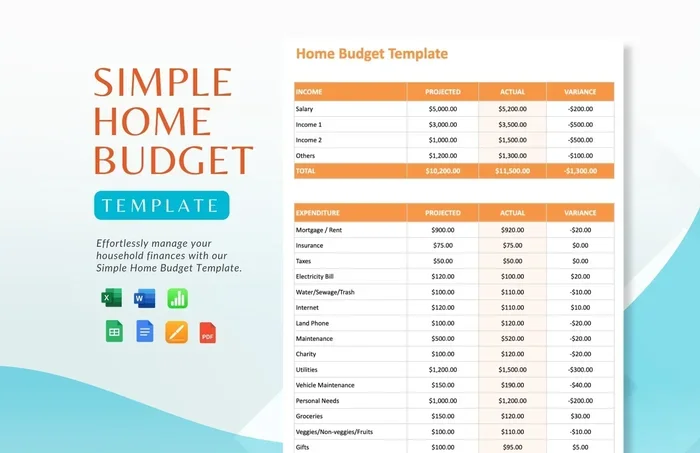
Visual guide about home buying budget planning
Image source: images.template.net
When you apply, the lender estimates risk using standardized guidelines. They want proof that your income is stable and likely to continue. They also check whether your monthly obligations leave enough room for a mortgage payment. If your profile looks strong, you may receive a higher approval amount. If your debt load is heavy, the same salary may support a smaller loan. The goal is to match the loan to your real capacity to pay.
Credit Score and Interest Rate Connection
Your credit score affects more than approval. It also influences your interest rate, which changes your monthly payment. A better score usually unlocks a lower rate, which means you can borrow more for the same payment. A lower score can raise your rate and shrink your buying power. Even a small rate difference can move the math by a meaningful amount.
For buyers with a $300k salary, this effect can be significant. Suppose two people earn the same income but receive different rates. The one with the lower rate may afford a larger home without increasing the monthly payment. That is why it helps to review your credit early. Fixing errors, lowering card balances, and making on-time payments can improve your position before you apply.
Debt-to-Income Ratio in Real Life
Debt-to-income ratio is one of the most important numbers in the process. It compares your monthly debt payments to your gross monthly income. Lenders use it to see whether a new mortgage fits safely into your budget. A lower ratio usually signals less risk. A higher ratio may still get approved, but it can leave less room for surprises.
Imagine you earn $300k and already pay $1,500 toward student loans and $800 toward a car each month. Those payments reduce the income available for housing. If you want a lower monthly mortgage payment, you may need to pay down some debt first. On the other hand, if your debt is light, your buying power increases. The ratio is not just a lender rule. It is a practical signal about how much pressure your budget can handle.
Down Payment and Loan Type Effects
Your down payment changes the loan size and sometimes the loan program. A larger down payment reduces the amount you borrow and may remove private mortgage insurance. That can lower your monthly cost and improve your overall affordability. A smaller down payment keeps more cash in your pocket now, but it usually increases the monthly payment. Both choices can work, depending on your goals.
Loan type also matters. Conventional loans, government-backed loans, and specialty programs each have different rules. Some allow lower down payments, while others ask for stronger credit or income documentation. If you are wondering how much mortgage can i afford with 300k salary, the loan structure can shift the answer. A program with a lower rate or better terms may help you buy more comfortably. Always compare options instead of assuming one loan fits every situation.
The Real Monthly Cost of Homeownership
A mortgage payment is only part of the story. Homeownership comes with ongoing costs that affect what you can truly afford. Property taxes, homeowners insurance, maintenance, and possibly HOA fees all add up. If you ignore these costs, your budget may look healthier than it really is. A full estimate keeps your plan grounded.

Visual guide about home buying budget planning
Image source: bogiolo.com
It helps to think in terms of total monthly housing cost. That includes the loan payment plus taxes and insurance. It also includes a reserve for repairs, because homes need upkeep. A new roof, a broken water heater, or routine servicing can create sudden expenses. If your salary is strong, you still want a cushion for these realities. Comfort comes from planning for the whole picture, not just the loan.
Principal, Interest, Taxes, and Insurance
The classic mortgage payment is often called PITI. That stands for principal, interest, taxes, and insurance. Principal pays down the loan balance. Interest is the cost of borrowing. Taxes go to local authorities and vary by location. Insurance protects the property and may be required by the lender. Together, these pieces determine your real monthly obligation.
Location can change taxes a lot. Two homes with similar prices may carry very different tax bills. Insurance can also vary based on the property type, age, and local risk factors. When you compare homes, look at the full PITI estimate rather than the loan payment alone. That approach gives you a clearer sense of affordability and helps you avoid surprises after closing.
Maintenance and Hidden Costs
Maintenance is easy to overlook when you are excited about a new home. Yet every house needs care. Painting, landscaping, plumbing repairs, and appliance replacements all cost money over time. A useful habit is to set aside a portion of your budget for home repairs each month. That reserve keeps small problems from becoming big stressors.
Some homes also include HOA fees or special assessments. These charges can be predictable or occasional, but they still affect your budget. If you are buying in a community with shared amenities, ask about the fee structure and any pending projects. A $300k salary gives you room to manage these costs, but only if you account for them early. Hidden costs do not have to be a shock if you plan for them.
Smart Budgeting Strategies for a $300k Income
A high income can support a nice home, but it can also support a stressful one if you overspend. The best strategy is to choose a payment that leaves room for savings, travel, family goals, and peace of mind. You do not have to spend the maximum the lender offers. In fact, borrowing less often creates more freedom.
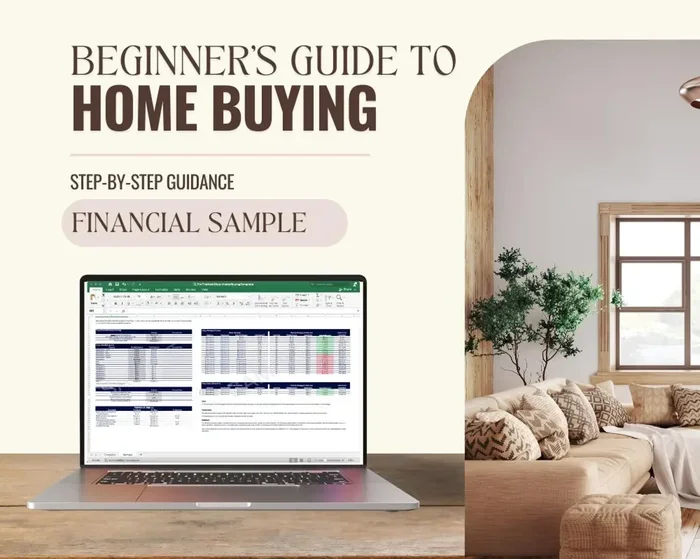
Visual guide about home buying budget planning
Image source: i.etsystatic.com
Start by defining your priorities. Ask yourself what you want from your money each month. Maybe you want to invest more, save for children, travel, or build a stronger emergency fund. Once you know your goals, you can set a housing budget that supports them. This mindset turns the question from “What can I borrow?” into “What should I spend?” That shift is one of the smartest steps a high earner can take.
The 30% Comfort Zone
Many financial planners suggest keeping housing costs near 30% of gross income or less, depending on your situation. For a $300k salary, that often creates a healthy balance between homeownership and other goals. This is not a strict law, but a practical guideline. It helps you avoid becoming house-rich and cash-tight.
A comfort zone also protects you if life changes. Job shifts, family needs, or unexpected repairs can affect your finances. If your payment is modest relative to your income, you have more flexibility to adapt. That flexibility is valuable. A home should support your life, not dominate it. Using a conservative target can make your mortgage feel manageable for the long run.
Emergency Fund and Future Goals
Before you commit to a large payment, make sure your emergency fund is solid. Homeownership can bring surprise costs, and a strong savings buffer reduces anxiety. Aim to keep enough cash for several months of expenses, plus a separate home repair reserve if possible. That way, a big bill does not force you to scramble.
You should also think about future goals. If you plan to change jobs, start a family, or invest in other priorities, your mortgage should leave space for those plans. A $300k salary gives you options, but only if you protect them. The most successful buyers usually choose a home that fits their broader life, not just their current paycheck.
Comparing Loan Scenarios Before You Buy
It helps to compare a few different scenarios before you choose a home. Small changes in down payment, rate, and loan term can change your monthly payment and total cost. Looking at more than one option makes your decision clearer. You may find that a slightly smaller loan gives you more comfort without sacrificing much.
Below is a simple comparison to show how different choices can affect affordability. These numbers are illustrative, not exact quotes, because taxes, insurance, and rates vary by location and borrower. Use this as a starting point, then run your own numbers with a lender or calculator.
| Scenario | Down Payment | Estimated Loan | Approx. Monthly Payment |
|---|---|---|---|
| Conservative | 20% | Lower balance | More breathing room |
| Moderate | 10% | Medium balance | Balanced payment |
| Aggressive | 5% | Higher balance | Higher monthly cost |
This table shows a simple idea: more down payment usually means a smaller loan and a lighter monthly burden. Less down payment keeps cash available now, but it often raises the payment and may add mortgage insurance. The right choice depends on your cash reserves, risk tolerance, and long-term plans. There is no single best answer for everyone.
Fixed vs. Adjustable Considerations
Loan structure also affects affordability. A fixed-rate mortgage keeps the same interest rate for the life of the loan, which makes payments predictable. That stability is helpful if you plan to stay in the home for a long time. An adjustable-rate mortgage may start with a lower payment, but the rate can change later. That can make long-term planning harder.
For many buyers with a strong income, predictability is worth prioritizing. A fixed payment makes it easier to budget for other goals. If you choose an adjustable loan, make sure you can still afford the payment if the rate rises. Affordability is not only about today’s payment. It is also about whether the payment stays manageable over time.
Common Mistakes When Estimating Affordability
Even high earners can make avoidable mistakes when estimating what they can afford. One common error is using gross income without accounting for taxes and deductions. Another is focusing only on the mortgage payment and ignoring taxes, insurance, and maintenance. A third mistake is assuming the maximum approval amount is the right spending target. These missteps can create pressure after closing.
Another frequent mistake is skipping the debt review. Existing loans, card balances, and monthly obligations can reduce your comfort zone more than you expect. Some buyers also forget to budget for moving costs, furniture, and initial repairs. A thorough estimate includes all of these pieces. When you plan carefully, you avoid turning a strong salary into a tight monthly budget.
Quick Tips for Staying on Track
- Check your credit early so you know where you stand before applying.
- Pay down high-interest debt if it squeezes your monthly cash flow.
- Save for closing costs in addition to your down payment.
- Compare full PITI estimates instead of loan payments alone.
- Keep reserves for repairs, job changes, and life events.
- Choose a payment that supports your goals, not just the lender’s maximum.
Final Thoughts on How Much Mortgage Can I Afford With 300k Salary
A $300,000 salary gives you strong purchasing power, but the best decision comes from looking at the whole picture. Lenders care about ratios, credit, debt, and down payment. You should care about those too, along with your comfort, savings, and future plans. If you ask yourself how much mortgage can i afford with 300k salary, the most useful answer is the one that leaves you secure, not just approved.
Take your time, compare scenarios, and choose a payment that supports the life you want. A home should fit your budget today and still feel manageable tomorrow. When you balance income, debt, and long-term goals, you can buy with confidence and keep your finances healthy for years to come.
Frequently Asked Questions
How much house can I afford with a 300k salary?
Many buyers with a $300k salary can target homes in a wide price range, often depending on debt, down payment, and interest rates. A lender may approve a large amount, but your comfortable budget may be smaller. The best number is one that leaves room for taxes, insurance, savings, and repairs.
What mortgage can I afford on 300k?
The mortgage you can afford depends on your monthly obligations and the payment you want to carry. If your debt is low and you make a solid down payment, you may afford a larger loan comfortably. If you have higher debt or want more savings flexibility, a smaller loan may fit better.
How much mortgage can I afford with 300k salary and no debt?
With no debt, your back-end ratio improves, which can increase your borrowing capacity. That usually means more room for a mortgage payment within standard lending guidelines. Still, you should check taxes, insurance, maintenance, and your personal comfort level before deciding.
Does a 300k salary guarantee a large mortgage approval?
No, a high salary helps a lot, but approval also depends on credit, employment stability, debt, and the loan program. A strong income can be offset by high debt or credit issues. Lenders look at the full profile, not just salary alone.
How much mortgage can I afford with 300k salary and high debt?
If your monthly debt payments are high, your available income for housing shrinks, which may reduce your affordable loan amount. Paying down some debt before applying can improve both approval odds and comfort. It also lowers the risk of feeling stretched after closing.
Should I use the maximum mortgage amount the lender offers?
Not always. The maximum amount shows what you may qualify for, not necessarily what fits your life. A smaller payment can leave more space for savings, investments, and unexpected costs. Choosing a comfortable payment often creates more long-term stability.
