

Facing heavy workloads and tight deadlines can take a serious toll on your well-being. The effects of academic stress often show up as anxiety, poor sleep, and trouble focusing. This guide breaks down why pressure builds up and how it changes your mind and body. You will also find simple steps to regain control and protect your peace. Understanding these challenges is the first step toward a healthier school life.
School life moves fast. One minute you are planning your week, and the next you are staring at a deadline that feels impossible. Effects of academic stress are more common than many people admit. They touch your mood, your health, and even your relationships. The good news is that you do not have to face it alone. With the right tools, you can lower the pressure and protect your well-being.
Stress shows up when demands feel heavier than your resources. For students, that often means exams, projects, and the fear of falling behind. It can also come from family expectations or the desire to build a bright future. When pressure stays high for too long, your body and mind start to pay the price. Learning how this works is the first step toward real change.
Key Takeaways
- Stress affects both mind and body: Academic pressure can trigger anxiety, fatigue, headaches, and weakened immunity.
- Perfectionism fuels the fire: Setting unrealistically high standards often leads to burnout and self-criticism.
- Sleep and focus suffer first: Late-night studying and worry disrupt rest, making it harder to learn and remember.
- Support systems matter: Talking to friends, family, or counselors reduces isolation and builds coping skills.
- Small habits create big change: Time blocking, breaks, and realistic goals help manage pressure before it grows.
- Professional help is a strength: Therapists and campus resources offer proven tools for long-term resilience.
📑 Table of Contents
- Understanding the Effects of Academic Stress
- The Mental and Emotional Effects of Academic Stress
- The Physical Effects of Academic Stress
- How Academic Stress Affects Relationships and Daily Life
- Healthy Ways to Reduce the Effects of Academic Stress
- When to Seek Extra Support
- Final Thoughts on the Effects of Academic Stress
Understanding the Effects of Academic Stress
Academic pressure does not look the same for everyone. Some students feel it as a quiet worry that never leaves. Others feel it as a sudden rush of panic before a test. The effects of academic stress can be mental, physical, or both. It often begins with small signs that are easy to ignore. Then it grows until daily life feels much harder.
What Triggers School Pressure
Many things can spark stress in school. A heavy course load is a common cause. So is poor time management, especially when assignments pile up. Social pressure can also play a role. You may feel pushed to keep up with peers or meet high family expectations. Even positive goals, like earning a scholarship, can create intense strain.
Another big trigger is the fear of failure. This fear can make simple tasks feel dangerous. You might delay starting an assignment because you worry it will not be good enough. That delay then creates more stress, which leads to more delay. It becomes a loop that is hard to break. The key is to notice the loop early.
How Stress Differs From Healthy Challenge
Not all pressure is bad. A reasonable challenge can help you grow. It can push you to study, practice, and improve. The difference is control. Healthy challenge feels manageable. Stress feels overwhelming. When you can plan, rest, and recover, pressure may stay useful. When you feel trapped, it turns into strain.
Think of it like exercise. A good workout strengthens your muscles. Too much training without rest causes injury. School pressure works the same way. Short bursts of effort can build focus and confidence. Constant tension without relief wears you down. Knowing the difference helps you respond in a smarter way.
The Mental and Emotional Effects of Academic Stress
The mind carries a lot of the load. When school pressure rises, your thoughts can become louder and darker. You may doubt yourself more than usual. You may also feel trapped by your schedule. These effects of academic stress can affect motivation, confidence, and emotional balance.
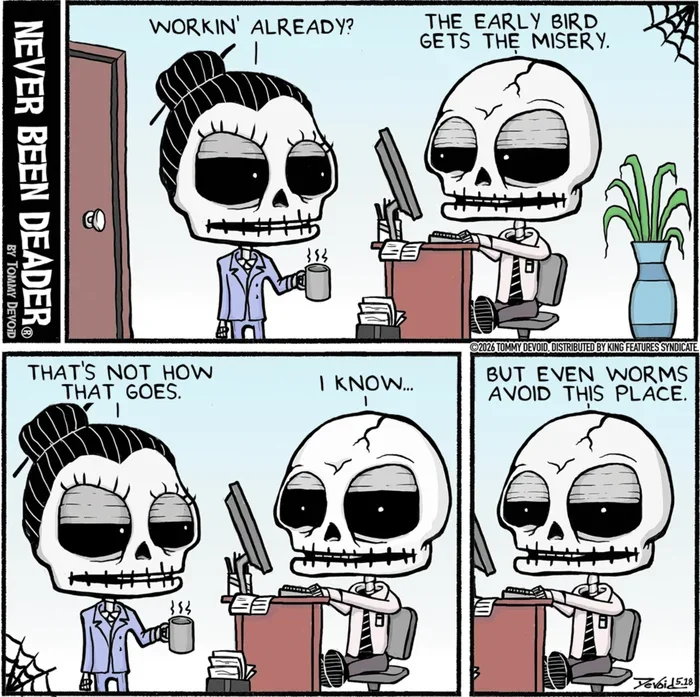
Visual guide about academic stress studying
Image source: wp.comicskingdom.com
Anxiety and Constant Worry
Anxiety is one of the most common responses to school pressure. You may replay conversations, worry about grades, or imagine worst-case outcomes. Your mind may race even when you try to rest. This can make it hard to enjoy free time. It can also make small problems feel much bigger than they are.
Over time, this constant worry can drain your energy. You might feel tense without knowing why. You may also avoid certain tasks because they feel too stressful. Avoidance brings short relief, but it usually increases fear later. Breaking the cycle starts with small, steady steps.
Self-Doubt and Burnout
Burnout is more than being tired. It is a deep sense of exhaustion and detachment. You may feel like nothing you do is enough. You may also lose interest in subjects you once enjoyed. This often happens when pressure continues for too long without support.
Self-doubt often grows alongside burnout. You may compare yourself to others and feel behind. You may question your intelligence or your future. These thoughts can become harsh and repetitive. They do not reflect your true ability. They reflect overload.
Mood Changes and Irritability
Stress can make emotions feel close to the surface. You may get frustrated more easily. You may also feel sad, numb, or overwhelmed. These shifts can affect friendships and family life. People may notice that you seem distant or short-tempered.
This does not mean you are failing. It means your system is overloaded. When your mind is under strain, emotional control becomes harder. Rest, honesty, and support can help restore balance. Even a small pause can soften the edge.
The Physical Effects of Academic Stress
Stress is not only in your head. It reaches into your body too. The effects of academic stress can show up as sleep problems, stomach issues, headaches, and low energy. Your body reacts to pressure by staying on alert. That response is useful in short bursts. It is exhausting when it never stops.

Visual guide about academic stress studying
Image source: cdn.neowin.com
Sleep Disruption and Fatigue
Sleep is often the first thing to suffer. You may stay up late to finish work. You may also lie awake thinking about tomorrow. Either way, rest gets cut short. Poor sleep then makes concentration harder. It also makes emotions harder to manage.
Fatigue follows close behind. You may feel worn out even after a full night in bed. This happens because stress can reduce sleep quality. It can also keep your nervous system on high alert. The result is a body that feels drained before the day is over.
Headaches, Tension, and Upset Stomach
Many students notice physical tension when pressure rises. Shoulders may feel tight. Jaws may clench. Headaches may appear during long study sessions. Some people also experience stomach discomfort, nausea, or changes in appetite. These symptoms are common signs that the body is carrying too much strain.
It helps to treat these signs seriously. They are not weaknesses. They are signals. When your body asks for a break, it is wise to listen. A short walk, a glass of water, or a few minutes of quiet breathing can help reset your system.
Weakened Immunity and Long-Term Strain
Ongoing stress can affect your immune system. You may notice that you catch colds more often. You may also take longer to recover. This happens because constant tension can interfere with the body’s natural repair processes. Over time, the wear adds up.
Long-term strain can also affect heart rate, digestion, and overall energy. You may feel run down in a way that is hard to explain. That is why stress management matters beyond grades. Protecting your health is not a distraction from success. It is part of it.
How Academic Stress Affects Relationships and Daily Life
School pressure does not stay in the classroom. It spills into your home, your friendships, and your habits. When your mind is crowded, it becomes harder to listen, connect, and enjoy simple moments. The effects of academic stress can change how you show up for the people around you.

Visual guide about academic stress studying
Image source: i.ytimg.com
Social Withdrawal and Loneliness
Stressed students often pull back from social life. You may skip gatherings because you feel behind. You may also feel too tired to text or meet friends. Over time, this can create loneliness. Isolation then makes stress feel heavier.
Connection is a protective factor. Even brief contact can help. A quick call, a shared meal, or a study break with a friend can ease the load. You do not need a perfect social life. You need a few reliable points of support.
Family Tension and Expectations
Family can be a source of comfort, but it can also add pressure. Some students feel they must meet parental hopes to earn approval. Others feel guilty when they rest. These feelings can create tension at home. Conversations may become strained, especially during exam season.
Clear communication helps. You do not need to carry every expectation silently. It is okay to explain what you are facing. It is also okay to ask for patience. Most families respond better when they understand the real pressure you feel.
Everyday Habits That Slip
When stress rises, routines often suffer. Meals may become irregular. Exercise may disappear. Hobbies may feel like luxuries. Screens may take over because they offer quick escape. These changes are common, but they can make stress worse over time.
Small routines act like anchors. A regular meal, a short walk, or a set bedtime can create stability. You do not need a perfect schedule. You need a few steady habits that remind your body it is safe to slow down.
Healthy Ways to Reduce the Effects of Academic Stress
You cannot remove every source of pressure. You can change how you respond to it. That shift matters more than you might think. The goal is not to become immune to stress. The goal is to build coping skills that keep pressure from taking over.
Build a Realistic Study Plan
A good plan lowers chaos. Start by listing what actually needs to be done. Break big tasks into smaller steps. Then assign each step to a specific time. This makes work feel more manageable. It also reduces the fear of the unknown.
Do not pack every minute of your day. Leave room for rest and unexpected delays. A plan that is too tight will collapse under pressure. A flexible plan gives you breathing room. That room is where focus grows.
Use Breaks and Boundaries
Breaks are not wasted time. They help your brain reset. Try short study blocks followed by brief pauses. Stand up, stretch, drink water, or look away from the screen. These small actions reduce mental fatigue.
Boundaries matter too. You may need to say no to extra commitments during busy weeks. You may also need to stop checking messages late at night. Protecting your attention is a smart form of self-care. It helps you finish work without losing yourself.
Take Care of Sleep, Food, and Movement
Your body needs basics before it can handle pressure well. Sleep comes first. Try to keep a steady bedtime when possible. Eat regular meals, even if they are simple. Move your body in ways that feel good, not punishing.
These habits do not solve every problem. They do give your system a stronger foundation. When you are rested and fed, challenges feel less sharp. You can think more clearly and respond more calmly.
Talk to Someone You Trust
Stress grows in silence. Sharing your load can make it lighter. Talk to a friend, family member, mentor, or counselor. You do not need a perfect explanation. You just need one safe person who will listen.
If stress feels too heavy, professional support can help a lot. Counselors can teach practical coping tools. They can also help you spot patterns that keep pressure alive. Asking for help is not a sign of weakness. It is a sign of strength and self-respect.
When to Seek Extra Support
Some stress is normal. Some stress needs more attention. If worry keeps you from sleeping, eating, or functioning, it is time to reach out. If you feel hopeless, panicked, or unable to cope, support matters even more. The effects of academic stress are serious when they start to control daily life.
Warning Signs to Watch For
Pay attention to patterns, not just bad days. Watch for constant anxiety, frequent tears, or a sense of dread before school. Notice if you avoid everything related to studying. Notice if physical symptoms keep returning. These signs suggest your system needs help.
Also watch for changes in behavior. You may stop enjoying things you used to love. You may become unusually angry or withdrawn. You may rely heavily on caffeine, alcohol, or scrolling to cope. These are signals that your current stress level is too high.
Where to Find Help
Start with the resources around you. Many schools offer counseling centers, tutoring, or academic advising. These services exist to help you succeed without burning out. You can also talk to a doctor if physical symptoms are strong or persistent.
Outside of school, trusted adults and mental health professionals can guide you. If you feel unsafe or overwhelmed by dark thoughts, seek immediate support from emergency services or a crisis line in your area. You deserve care, especially when pressure feels unmanageable.
Building Long-Term Resilience
Resilience is not about pretending stress does not exist. It is about recovering faster and learning as you go. That means practicing coping skills before exams arrive. It means checking in with yourself regularly. It also means treating mistakes as information, not proof that you are failing.
Over time, these habits create a stronger base. You become better at noticing early signs of strain. You become more willing to adjust your pace. You also become more compassionate with yourself. That compassion is powerful. It helps you keep going without breaking down.
Final Thoughts on the Effects of Academic Stress
School will always have deadlines, tests, and expectations. That does not mean you have to live in constant strain. The effects of academic stress are real, but they are not unbeatable. When you understand how pressure works, you can respond with more clarity and less fear.
Start small. Protect your sleep. Break tasks into steps. Reach out when you need help. These choices may seem simple, but they add up. They help your mind stay steadier and your body stay stronger. Most of all, they remind you that your worth is not defined by a grade or a deadline.
You are allowed to learn at a human pace. You are allowed to rest. You are allowed to ask for support. With the right habits and the right people beside you, school pressure can become manageable again. That is not just a better way to study. It is a better way to live.
Frequently Asked Questions
What are the most common effects of academic stress?
The most common effects include anxiety, poor sleep, trouble focusing, irritability, and physical tension. Some students also feel burned out, lonely, or overwhelmed by small tasks. These signs often show up when pressure lasts too long without relief.
How can academic stress affect sleep?
Academic stress can make it hard to fall asleep or stay asleep because your mind keeps replaying worries. It can also lead to late-night studying that cuts into rest. Over time, poor sleep lowers energy and makes concentration much harder.
Does academic stress always mean a student is failing?
No, stress can happen even when a student is doing well. High achievers often feel strong pressure to keep up their performance. Stress is about overload and fear, not just grades or failure.
What are some quick ways to lower school stress?
Try breaking work into smaller steps, taking short breaks, and setting a realistic study schedule. Drinking water, stretching, and getting a little movement can also help calm your body. If possible, talk to someone you trust about what feels heavy.
When should a student seek professional help for stress?
Help is a good idea if stress keeps you from sleeping, eating, or handling daily life. It is also important if you feel panicked, hopeless, or unable to cope on your own. A counselor, doctor, or trusted adult can help you find the right support.
Can healthy habits really reduce the effects of academic stress?
Yes, basic habits like sleep, regular meals, and movement give your body a stronger foundation for handling pressure. They will not remove every stressor, but they can make challenges feel less intense. Small steady habits often create the biggest difference over time.
