
Signs of a cult often hide behind friendly faces and grand promises. These groups use emotional control, isolation tactics, and fear to trap people. You will learn how to spot toxic group dynamics, protect your mind, and walk away safely. Recognizing these early warnings can save your freedom and peace.
Key Takeaways
- Red flags start small: Love bombing, constant praise, and sudden demands for loyalty often signal a controlling group.
- Isolation is a weapon: Cults slowly cut you off from family, friends, and outside information to increase dependence.
- Fear drives compliance: Threats of shame, punishment, or spiritual doom keep members obedient and quiet.
- Questioning gets punished: Healthy groups welcome doubt. Cults treat questions as betrayal or weakness.
- Money and time vanish: Demands for donations, endless events, and strict schedules drain your resources fast.
- Exit costs feel huge: Leaving often triggers guilt trips, harassment, or claims that you will fail without the group.
- Trust your gut: If you feel confused, controlled, or scared to speak up, pause and seek outside perspective.
📑 Table of Contents
Understanding the Signs of a Cult in Everyday Life
Most people picture cults as extreme groups in remote compounds. That image is too narrow. Many controlling groups look normal at first. They host friendly meetups, share inspiring messages, and promise a better life. The signs of a cult often hide in plain sight. You may notice small pressure tactics before the bigger control shows up.
A cult is not defined by its beliefs. It is defined by how it treats people. The group demands obedience. It rewards loyalty and punishes doubt. It places the leader or the system above your own judgment. That structure creates a power imbalance. You start to feel that you cannot think clearly without permission.
This matters because anyone can get pulled in. Smart, kind, and independent people often join these groups. They want connection, purpose, or answers. The group offers those things first. Then it slowly changes the rules. You give a little. Then you give more. Before you know it, your choices feel limited.
If you are reading this, you may already feel uneasy. That feeling is worth listening to. Your discomfort may be pointing to a pattern, not just a bad day. Let us look at the common warning signs so you can see the full picture.
Love Bombing and Sudden Belonging
One of the first signs of a cult is intense affection. New members get praised, hugged, and welcomed with too much enthusiasm. People say you are special, chosen, or finally understood. This feels wonderful at first. It can also feel overwhelming.
This tactic is called love bombing. The goal is to build quick attachment. When you feel valued, you lower your guard. You start trusting the group before you really know it. That trust becomes the foundation for later control.
Watch for these patterns:
- Constant compliments that feel too fast or too intense
- Pressure to join inner circles right away
- Claims that the group understands you better than your family or friends
- Rushing you to commit time, money, or identity
Healthy groups still welcome people. They also let them move at a normal pace. They do not demand instant loyalty. They let you ask questions. They let you say no without guilt.
Isolation From Outside Support
Another major warning sign is slow separation from your old life. The group may not forbid contact at first. It may simply suggest that your old friends do not understand you. It may say your family is negative or stuck. Over time, those comments weaken your outside ties.
Isolation does not always look dramatic. It often looks like subtle distance. You start skipping old routines. You spend more time with the group. You begin to see the world through its lens. Soon, the group becomes your main source of truth.

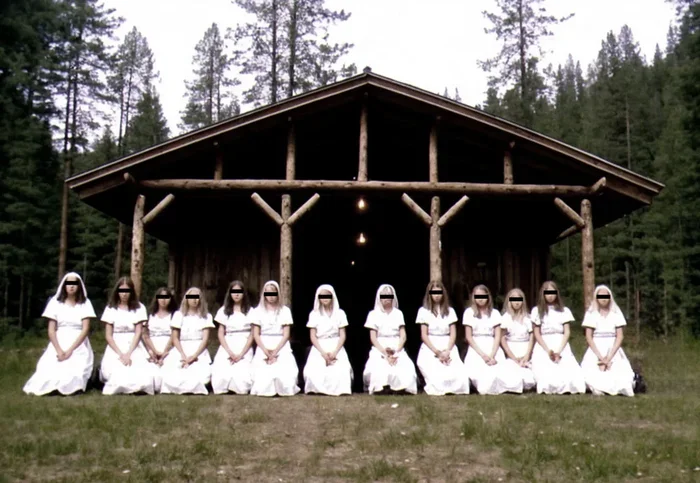
Visual guide about subtle cult group gathering
Image source: thumbs.dreamstime.com
Common isolation tactics include:
- Discouraging contact with critics or former members
- Making you feel guilty for spending time elsewhere
- Creating long events that leave little room for outside life
- Teaching that outside information is dangerous or misleading
This matters because dependence grows when support shrinks. If the group becomes your only community, leaving feels lonely and risky. That is exactly what controlling systems want.
Control Through Fear and Guilt
Cults rarely rely on force alone. They use emotional pressure. Fear and guilt become daily tools. You may feel afraid of disappointing the group. You may feel guilty for wanting privacy, rest, or independent thought.
Fear can take many shapes. It may be spiritual fear, like warnings of bad karma or divine punishment. It may be social fear, like shame or expulsion. It may be emotional fear, like the idea that you will lose your purpose or community. The exact flavor varies. The effect is the same. You stay compliant to avoid pain.
Guilt works alongside fear. The group may frame normal needs as selfishness. Wanting boundaries becomes a character flaw. Asking for clarity becomes rebellion. Over time, you start policing yourself. You do not need constant monitoring because you monitor yourself.
Quick signs of fear-based control:
- Threats, subtle or direct, about what happens if you leave
- Stories that paint outsiders as evil or doomed
- Punishment for mistakes, even small ones
- Pressure to confess private thoughts or personal history
A healthy community can disagree without threats. It can correct mistakes without shame. It does not need fear to keep people aligned.
Rigid Hierarchy and the Untouchable Leader
Many signs of a cult point to one central figure or a tight inner circle. The leader may be treated as always right. The system may claim special insight, authority, or access to truth. Questioning that authority becomes taboo.
This structure creates a one-way flow of power. Instructions come down. Loyalty goes up. Feedback does not move back up in a meaningful way. If someone raises a concern, the group may dismiss it, reframe it, or label the person as resistant. That protects the hierarchy from real accountability.
Look for these patterns:
- The leader cannot be questioned without consequences
- Rules apply to members but not to the inner circle
- Special privileges for leaders while others sacrifice
- Decisions made behind closed doors with little explanation
Power is not automatically toxic. But unchecked power is risky. When one person or small group controls truth, money, and belonging, members lose room to think for themselves.
Information Control and Us Versus Them Thinking
Controlling groups often manage what members see and hear. They may discourage outside books, podcasts, friends, or news. They may claim that only their teaching offers real answers. This narrows your worldview. It also makes the group feel like the only safe place.
Us-versus-them thinking strengthens that trap. The group becomes the good side. Outsiders become confused, hostile, or lost. That framing makes loyalty feel moral. It also makes doubt feel dangerous. You start protecting the group identity instead of your own well-being.
Signs of information control:
- Discouraging questions from outside sources
- Calling critics evil, blind, or manipulated
- Insisting that only group materials are trustworthy
- Rewarding members who repeat approved messages
When information gets filtered, judgment gets weaker. You need access to different views to think clearly. If the group blocks that access, pay attention.
Financial Pressure and Time Demands
Many people think of cults as spiritual or emotional traps. Money and time matter too. Controlling groups often ask for heavy sacrifices. They may request donations, sell expensive courses, or demand long hours. The ask may start small. It often grows quietly.
Time pressure works the same way. You may be expected to attend frequent events, recruit others, or stay available around the clock. Your schedule stops belonging to you. That makes it harder to reflect, compare, or leave. A packed routine can look devoted from the inside. From the outside, it can look draining.
Watch for these red flags:
- Pressure to give money before you feel ready
- Secretive financial practices or vague explanations
- Guilt for protecting your savings or personal budget
- Schedules that crowd out sleep, work, or family time
Generosity is healthy when it is chosen. Control is different. When giving feels mandatory, the group is no longer asking. It is requiring.
How to Protect Yourself and Respond Safely
If you notice several signs of a cult, slow down. You do not need to prove anything to the group. You need space to think. Step back from big decisions. Reduce your exposure. Talk to someone outside the group who knows you well.
Here are practical steps that can help:
- Write down what you observed, including dates and quotes
- Notice how you feel before and after meetings
- Set small boundaries and see how the group reacts
- Reconnect with one trusted friend or family member
- Ask for time before committing money or long-term plans
A controlling group may push back when you slow down. That reaction can tell you a lot. Healthy groups respect pause. They do not punish caution. If pressure rises the moment you ask for space, that is a strong warning.
If you feel trapped, keep your exit plan private at first. Reach out to supportive people. Keep important documents and finances accessible. Trust your instincts. You do not need to win an argument to leave. You only need to choose yourself.
Common Mistakes People Make When Doubting a Group
People often ignore early warnings because the group still feels warm. They tell themselves they can handle it. They assume they are just being sensitive. That delay can make leaving harder later.
Another common mistake is trying to fix the group alone. You may think that if you try harder, you will earn more freedom. That rarely works. Controlling systems are not built for mutual adjustment. They are built for compliance.
People also wait for perfect proof. They want one clear moment that confirms the danger. Real life is messier. Danger often shows up as a pattern, not a single event. If many small signs point the same way, trust the pattern.
Quick mistakes to avoid:
- Explaining away pressure because the people seem kind
- Isolating yourself while you try to figure it out
- Spending money or time to prove your commitment
- Believing that leaving means you failed
You did not fail by questioning. You woke up. That is courage, not weakness.
Final Thoughts on the Signs of a Cult
The signs of a cult are usually about control, not beliefs. Look for love bombing, isolation, fear, rigid authority, information limits, and heavy demands. One sign may be a rough patch. Many signs together tell a different story. Trust what you see over what you are told.

Visual guide about subtle cult group gathering
Image source: thumbs.dreamstime.com

Visual guide about subtle cult group gathering
Image source: thumbs.dreamstime.com
You deserve a community that respects your mind, your time, and your choices. You deserve to ask questions without fear. You deserve to leave without shame. If a group makes those basic rights feel impossible, step back and protect your life. The right path should feel clear, not forced.
Frequently Asked Questions
What are the earliest signs of a cult?
The earliest signs of a cult often include intense praise, quick pressure to commit, and hints that outsiders do not understand you. You may feel special at first, then slowly feel rushed to conform.
How can I tell if a group is healthy or controlling?
A healthy group welcomes questions, respects boundaries, and lets you keep outside relationships. A controlling group punishes doubt, limits information, and expects constant loyalty.
Why do smart people join cult-like groups?
People often join because they want connection, purpose, or answers. Cult-like groups offer warmth and meaning first, then increase pressure later. The trap is usually emotional, not intellectual.
What should I do if I notice red flags in a group?
Slow down, step back, and talk to someone outside the group. Write down what you are seeing and avoid big commitments until you feel clear. If pressure rises, trust that reaction.
Can a toxic relationship feel like a cult dynamic?
Yes. Some toxic relationship patterns mirror cult control, such as isolation, guilt, fear, and constant monitoring. If your partner treats your independence as a threat, pay close attention.
Is it safe to leave a controlling group suddenly?
It can be, but safety matters. Plan carefully, protect your finances and documents, and reach out to trusted support. If you expect harassment or retaliation, move thoughtfully and get help.
