
Threats to internal validity can quietly undermine your research results or relationship trust. This guide explains common pitfalls and shows you how to spot them early. You will learn practical steps to protect your conclusions and maintain healthy bonds. Understanding these risks helps you make better decisions every day.
This is a comprehensive guide about Threats To Internal Validity.
Visual guide about research validity threats concept
Image source: image.slideserve.com
Visual guide about research validity threats concept
Image source: questionpro.com
Visual guide about research validity threats concept
Image source: image4.slideserve.com
Key Takeaways
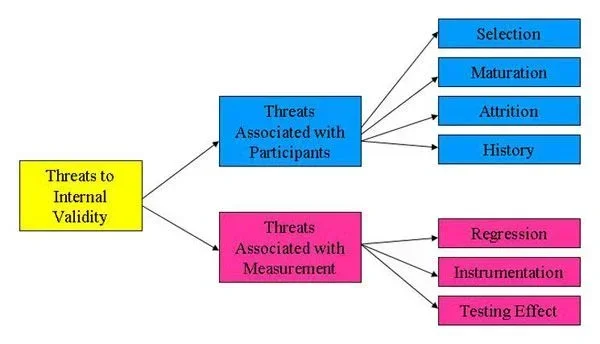
- History matters: outside events can change outcomes without you noticing.
- Maturation affects results: natural changes over time may skew your data.
- Testing effects exist: taking a test once can change how you perform later.
- Selection bias skews groups: uneven starting points create false conclusions.
- Attrition drops data: losing participants can hide real patterns.
- Instrumentation shifts: changing tools or methods alters measurements.
- Protect your validity: plan carefully and track every variable.
[FEATURED_IMAGE_PLACEHOLDER]
When you run a study or even navigate a close relationship, you want clear answers. You want to know what really causes what. But hidden forces often mess with your conclusions. These hidden forces are called threats to internal validity. They can make you think one thing caused another when it did not. That mistake can cost you time, money, and trust.
Imagine you try a new habit and feel better. You might think the habit worked. But maybe the season changed. Maybe you slept more. Maybe you just stopped worrying. The real cause might be something else entirely. This is why spotting threats to internal validity matters so much. It keeps you honest. It keeps your decisions grounded in truth.
The good news is you can learn to see these traps. You do not need a fancy degree. You just need a clear eye and a simple plan. This guide breaks down the most common risks in plain language. You will see how they show up in research and in daily life. You will also learn quick ways to reduce their impact. Let us walk through this together.
What Are Threats to Internal Validity
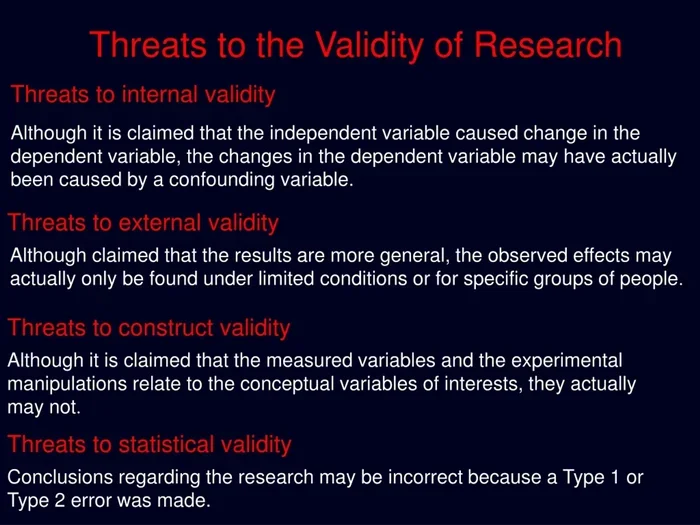
Internal validity asks a simple question. Did the thing you changed really cause the result you saw? If the answer is yes, your internal validity is strong. If the answer is maybe or no, you have a problem. Threats to internal validity are the reasons that maybe or no shows up. They creep in when other factors mix with your main variable.
Think of it like cooking. You add a new spice to a soup. The soup tastes better. But was it the spice? Or was it the fresh stock? Or the lower heat? If you do not control the other parts, you cannot trust your taste test. The same idea applies to studies, habits, and even relationship patterns. You need to isolate the real driver.
Researchers use this term to protect their conclusions. But you can use the same idea in everyday choices. When you read a claim, ask what else could explain it. When you judge your own progress, look for hidden shifts. This habit builds clarity. It also helps you avoid false confidence.
History as a Hidden Force
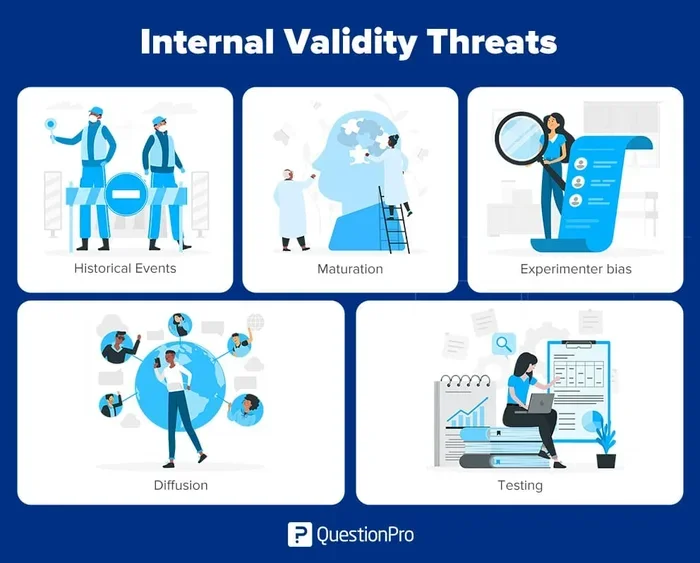
History means outside events that happen during your study or observation. These events are not part of your plan. Yet they can change the outcome. A sudden storm, a news story, a work crisis, or a family visit can all shift behavior. If you do not track these moments, you may credit the wrong cause.
For example, a team starts a new routine on Monday. By Friday, everyone feels calmer. You might think the routine worked. But maybe a big project ended that week. Maybe people got a quiet weekend. The outside event, not the routine, may have helped. This is why threats to internal validity often start with simple timing issues.
You can reduce this risk by noting major events. Keep a short log. Mark big changes in the environment. When you compare results, look at the full picture. This small habit keeps your conclusions cleaner.
Maturation Changes Everything Over Time
Maturation is the natural change that happens as time passes. People grow tired. They heal. They learn. They get bored. Their bodies and moods shift on their own. If you watch a group for a while, some change will happen no matter what you do. That change can look like your effect.
Picture a child who struggles with focus. You start a new plan and see improvement after a month. The plan may help. But the child may also have grown older. The brain may have matured. The skill may have developed naturally. Without a comparison, you cannot tell the difference. That uncertainty is one of the classic threats to internal validity.
To handle maturation, use comparison groups when you can. Track the same measure over time. Look for patterns that repeat across people. If everyone improves at the same pace, time itself may be the driver. If only your group improves, your method may truly matter.
Testing and Selection Effects
Some threats come from how you measure things. Others come from who you pick to measure. Both can twist your results. Testing effects and selection bias are two of the most common traps. They show up in labs, classrooms, and even personal check-ins.
Testing effects happen when the first measurement changes the second one. Taking a quiz once can make the next quiz easier. You remember the format. You remember the topics. You feel more calm. The second score rises, but not because of your intervention. It rises because the first test primed you. This is a quiet threats to internal validity example that many people miss.
Selection bias works differently. It happens when your groups start out uneven. One group may have more experience. Another may have more motivation. A third may have more support at home. If you compare them later, the gap may reflect the starting point, not your change. The result looks real, but it is partly a setup issue.
Testing Effects in Daily Life
You can see testing effects outside of research too. Think about a person who checks their mood each morning. The first check makes them notice patterns. The second check feels easier. They may report better awareness, not better mood. The act of measuring changed the experience.
This does not mean measurement is bad. It means measurement has side effects. If you want a clean read, space out repeated tests. Mix up the order when possible. Use fresh questions now and then. These small shifts lower the chance that the first test drives the second.
Selection Bias and Group Setup
Selection bias often hides in plain sight. You may compare two friends who try different routines. One friend already runs. The other never exercises. If the runner improves faster, the routine may not be the reason. The starting difference may be the reason. The same logic applies to classrooms, teams, and relationship dynamics.
A simple fix is to match people before you compare them. Look for similar starting points. If you cannot match, at least note the differences. Write them down. Then interpret results with care. This honest record-keeping protects you from overclaiming. It also makes your conclusions easier to trust.
Attrition, Instrumentation, and Regression
As time goes on, people drop out. Tools change. Extreme scores settle back toward the middle. These three forces can quietly distort your read. They are common threats to internal validity because they often happen without warning. You only notice them when the results look odd.
Attrition means people leave your study or your observation window. The ones who stay may differ from the ones who go. If the most stressed people quit, your final group looks calmer than the real mix. You may think your method worked. In truth, the dropouts changed the sample.
Instrumentation means the way you measure shifts over time. A scale gets recalibrated. A survey gets reworded. A rater gets stricter or looser. Even small changes can move scores. If you do not keep the tool steady, you cannot trust the trend.
Regression to the Mean Explained Simply
Regression to the mean is a fancy phrase for a simple idea. Extreme highs and lows often move toward average on their own. If someone has a terrible week, the next week may look better without any fix. If someone has a perfect day, the next day may dip. The change is normal noise, not a miracle.
This matters because people love to act when things are extreme. They start a new plan right after a crash. Then things improve. They credit the plan. But the improvement may have happened anyway. That is why threats to internal validity often appear right after dramatic moments. The timing tricks the eye.
A good defense is to watch multiple data points. Do not judge by one spike or one slump. Look at the slope over time. Compare with a similar group if you can. This broader view keeps you from reading too much into a single swing.
Keeping Tools and Samples Steady
To reduce attrition bias, track who leaves and why. Note the reasons in plain language. If the leavers share a trait, flag it. Then adjust your interpretation. A result may still be useful, but you should state the limits clearly. Honesty here builds trust.
To reduce instrumentation issues, lock your method down. Use the same questions. Use the same scale. Train raters to use the same standards. If you must change something, record the change and test its impact. Small discipline here saves you from big confusion later.
Confounding Variables and Relationships
A confounding variable is a hidden factor that touches both your cause and your effect. It can make two things look related when they are not. This is one of the trickiest threats to internal validity because the confounder often sits out of sight. You only find it when you ask careful questions.
Think about a couple who argues more after late nights. You might think fatigue causes the fights. But stress could be the real driver. Stress causes late nights. Stress also causes short tempers. The late nights and the fights are both signs of stress. If you miss that link, you will fix the wrong thing.
The same pattern shows up in many areas. A town starts a wellness program. Health improves. But a new park also opened. More people walked. The park may be part of the real story. If you ignore it, you will overcredit the program. Clear thinking means looking for the third factor.
How to Spot a Hidden Third Factor
Start by mapping the chain. Ask what else could influence both sides. List the likely candidates. Then check whether those candidates changed during your window. If they did, give them credit in your explanation. This habit keeps your logic clean.
Next, look for patterns that do not fit. If one person improves a lot and another does not, ask why. The difference may point to a confounder. It may point to support, sleep, schedule, or mindset. The outlier is often a clue, not a mistake. Follow the clue.
Simple Ways to Reduce Confounding
You cannot remove every hidden factor. But you can lower the risk. Keep conditions as steady as you can. Measure likely confounders when you can. Adjust your claims to match what you actually know. Clear limits are better than bold guesses.
You can also use small experiments in real life. Change one thing at a time. Watch the result. Then change it back. See if the pattern repeats. This simple rhythm gives you a stronger read than a single guess. It also makes your daily choices more intentional.
Practical Steps to Protect Your Conclusions
You do not need perfect control to make better decisions. You just need a few steady habits. These habits reduce threats to internal validity and help you read situations with more care. Use them in research, habit tracking, and relationship check-ins.
First, define what you expect before you start. Write the main cause and the main effect in plain words. Then list what else might move the result. This short map keeps you alert. It also makes your plan easier to follow.
Second, track context alongside outcomes. Note big events, mood shifts, schedule changes, and tool changes. A simple log works well. You do not need a complex system. You just need enough detail to explain surprises later.
Third, compare when you can. A second person, a second week, or a second method can reveal a lot. If the pattern holds across comparisons, your confidence grows. If it does not, you have a clue to dig deeper. Comparison is one of the best guards against false conclusions.
Quick Tips for Cleaner Readings
- Change one thing at a time when you can.
- Write down outside events that might matter.
- Use the same measure across checks.
- Watch for dropouts and note why they left.
- Compare groups or time periods before deciding.
- Question extreme swings before calling them proof.
Common Mistakes to Avoid
- Trusting one dramatic moment as solid proof.
- Ignoring who started where before comparing.
- Changing tools mid-stream without noting it.
- Assuming timing means causation too quickly.
- Forgetting that people change on their own over time.
Final Thoughts on Staying Clear and Confident
Clarity comes from patience, not from speed. When you slow down and ask what else could explain the result, you protect your judgment. That is the heart of managing threats to internal validity. You do not need to be perfect. You just need to be careful, curious, and honest about limits.
This mindset helps in many places. It helps when you test a new routine. It helps when you read a bold claim. It helps when you try to understand a relationship pattern. The same careful questions work everywhere. What changed? What else could explain this? Did I measure the same way? Did the people stay the same? These questions keep you grounded.
The more you practice, the easier it gets. You will start to notice timing tricks, hidden factors, and natural shifts. You will make fewer rushed conclusions. You will also share your ideas with more trust. That is a win in research, in life, and in the choices you make next.
What are the main threats to internal validity?
The main threats include history, maturation, testing effects, selection bias, attrition, instrumentation changes, and regression to the mean. These forces can create false cause-and-effect impressions. Watching for them helps you read results more accurately.
Why does internal validity matter in everyday decisions?
It matters because we often act on what we think caused a result. If the real cause is something else, our next step may fail. Strong internal validity helps you choose actions that truly work. It also keeps you from blaming the wrong thing.
How can I tell if testing effects are skewing my results?
Look for score changes that happen simply because a person took a first test. If the second measure feels easier or more familiar, testing may be helping. Spacing out checks and mixing question formats can lower this risk.
What is the easiest way to reduce selection bias?
Start with similar groups or people when you can. If that is not possible, record the starting differences clearly. Then interpret the final gap with caution. This honest approach keeps your conclusions from overreaching.
Can regression to the mean fool me into thinking a fix worked?
Yes, especially after a very bad or very good moment. Extreme values often drift toward average on their own. Watch several data points instead of one swing. That broader view helps you avoid false credit.
Do I need a formal study to handle these threats?
No. You can use the same ideas in daily life. Change one thing at a time, note outside events, and compare before you decide. Small, steady habits give you a clearer read without heavy setup.
Frequently Asked Questions
What is Threats To Internal Validity?
Threats To Internal Validity is an important topic with many practical applications.
