
Essential oils and OCD management can complement each other when used thoughtfully. Many people find that certain plant-based scents help lower stress and create a calmer mindset. This guide shows you how to use aromatherapy safely alongside your regular care. You will learn which oils may help, how to apply them, and what to avoid. Always talk to your doctor before adding new wellness habits to your routine.
If you live with obsessive-compulsive disorder, you know how exhausting constant thoughts and repeated habits can feel. Many people look for gentle ways to ease tension and create a calmer daily rhythm. That is where essential oils and OCD support can come in as a soothing add-on. Aromatherapy will not cure OCD, but it may help you feel more grounded while you follow your main care plan.
This guide walks you through the basics in a simple, friendly way. You will learn which scents people often use for relaxation, how to apply them safely, and how to build a small routine that fits your life. The goal is to give you practical ideas you can try with confidence.
Key Takeaways
- Supportive role: Essential oils and OCD care can work together as a calming add-on, not a replacement for treatment.
- Top choices: Lavender, bergamot, frankincense, and chamomile are popular for relaxation and stress relief.
- Safe use matters: Always dilute oils, do a patch test, and avoid ingesting them unless a professional says it is okay.
- Routine helps: Using oils at the same time each day can create a soothing ritual that lowers tension.
- Mind-body link: Scent can influence mood, so pairing aromatherapy with breathing or meditation may boost calm.
- Talk to your care team: Share any new wellness habits with your therapist or doctor to keep your plan safe and balanced.
- Track your response: Keep a simple journal to notice what helps, what does not, and how your body feels over time.
📑 Table of Contents
- Understanding OCD and Why Calm Matters
- Essential Oils and OCD Support: What the Hype Is About
- Top Essential Oils People Use for Calm and Focus
- How to Use Essential Oils Safely and Effectively
- Building a Calming Routine That Fits Your Life
- When Essential Oils Are Not Enough
- Final Thoughts on Essential Oils and OCD
Understanding OCD and Why Calm Matters
OCD is a mental health condition that often brings unwanted thoughts and a strong urge to repeat certain actions. These patterns can drain your energy and make everyday tasks feel heavier. When your nervous system stays on high alert, even small things can feel overwhelming. That is why many people look for extra tools that help them slow down and reset.
How Stress and OCD Feed Each Other
Stress can make obsessive thoughts louder, and those thoughts can create more stress. It becomes a loop that is hard to break. A calming scent will not stop the loop by itself, but it may help your body feel a little safer in the moment. That small shift can make it easier to use the coping skills you already know.
Why People Explore Aromatherapy
People often try aromatherapy because it is simple, gentle, and easy to weave into daily life. A soft scent can act like a cue to pause, breathe, and come back to the present. For some, that pause is enough to reduce the intensity of a rough moment. It can also create a more peaceful space for rest, journaling, or talking with a trusted person.
Quick Tips for a Calmer Baseline
- Keep a regular sleep schedule when you can.
- Build short breaks into your day.
- Use simple breathing exercises when tension rises.
- Create a quiet corner in your home for reset time.
- Stay connected with supportive friends or family.
Essential Oils and OCD Support: What the Hype Is About
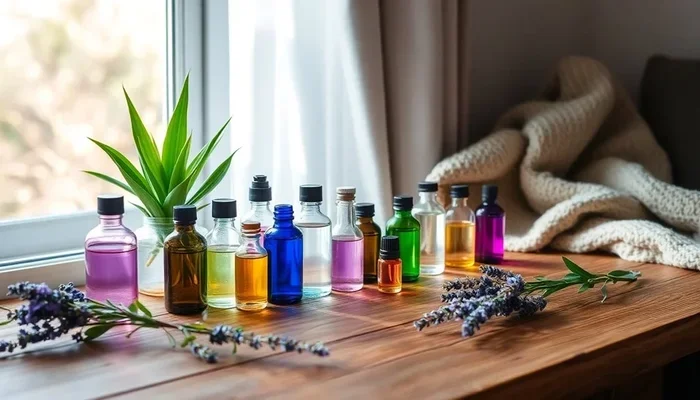
When people talk about essential oils and OCD, they usually mean using plant-based scents to support relaxation and emotional balance. These oils are concentrated extracts from flowers, leaves, bark, or peel. Their aroma travels through the nose and can influence how you feel in the moment. That does not mean they treat OCD directly, but they may help create a calmer environment for your mind and body.
Visual guide about Essential oils calming therapy
Image source: aromatherapynaturals.com
What Aromatherapy Can and Cannot Do
Aromatherapy may help reduce the feeling of tightness in your chest, lower the noise of a stressful day, or make it easier to settle into a routine. It can be a helpful comfort tool. What it cannot do is replace therapy, medication, or the guidance of a qualified professional. Think of it as a supportive habit that sits alongside your main plan.
The Mind-Body Connection in Simple Terms
Your sense of smell is closely tied to the parts of the brain that handle emotion and memory. That is why a familiar scent can quickly change your mood. If a scent feels safe and pleasant to you, it may help your body move toward a more relaxed state. The key is finding what feels soothing to you, because everyone responds a little differently.
Common Mistakes to Avoid
- Assuming a scent will fix obsessive thoughts on its own.
- Using too much oil, which can cause headaches or irritation.
- Skipping a patch test and risking skin sensitivity.
- Forgetting to check with a professional if you are pregnant, nursing, or managing other health concerns.
- Using oils in a way that feels stressful instead of calming.
Top Essential Oils People Use for Calm and Focus
There are many oils that people enjoy for relaxation, but a few show up again and again in conversations about essential oils and OCD support. Each one has a different feel, so it helps to learn the general vibe before you try it. Start with one or two options instead of buying a huge collection right away.
Visual guide about Essential oils calming therapy
Image source: cdn.shopify.com
Lavender for Softening Tension
Lavender is one of the most familiar calming scents. Many people like it for evening routines, quiet reading, or winding down after a busy day. It has a soft, floral feel that can signal rest time to your brain. If strong smells bother you, start with a very light amount.
Bergamot for a Lighter Mood
Bergamot has a bright, citrusy scent that some people find uplifting without feeling harsh. It may be a good choice when you want a gentle mood lift during a stressful stretch. Because citrus oils can be sensitive on the skin, it is wise to dilute them properly and avoid sun exposure on treated skin.
Frankincense for Slow Breathing
Frankincense has a deep, woody aroma that many people associate with slow, steady moments. It is often used during meditation, prayer, or quiet reflection. If your mind feels scattered, this scent may help you settle into a slower rhythm. A little goes a long way, so use it sparingly.
Roman Chamomile for Gentle Comfort
Roman chamomile has a sweet, apple-like scent that feels soft and comforting to many people. It is often chosen for moments when you want a nurturing, peaceful atmosphere. If you like mild scents, this may be a nice place to start. It can be especially pleasant in a warm bath or on a tissue near your pillow.
A Simple Comparison Table
Here is a quick look at how these oils are often used:
| Oil | Common Feeling | Popular Use | Good To Know |
|---|---|---|---|
| Lavender | Calm, soft, restful | Evening routine, pillow time | Start light if you are scent-sensitive |
| Bergamot | Bright, uplifting | Morning or afternoon reset | Dilute well; watch sun exposure |
| Frankincense | Grounding, slow, deep | Breathing, reflection, quiet time | Use sparingly; strong aroma |
| Roman Chamomile | Gentle, cozy, soothing | Bath, relaxation space | Nice for people who like mild scents |
Expert Insight on Choosing Oils
Many wellness professionals suggest picking one scent that feels pleasant to you and using it consistently for a while. That helps your brain connect the aroma with a calmer moment. It also makes it easier to notice whether the scent truly helps you. If one oil feels too strong or unpleasant, that is normal. You can simply try another.
How to Use Essential Oils Safely and Effectively
Using essential oils and OCD support well comes down to safety, consistency, and personal comfort. These oils are potent, so a careful approach matters. The goal is to make your routine feel easy, not complicated.
Visual guide about Essential oils calming therapy
Image source: essentialoilhaven.com
Dilution and Skin Safety
Most oils should be diluted before they touch your skin. A common method is to mix a few drops with a carrier oil, such as jojoba, sweet almond, or fractionated coconut oil. Always do a small patch test on your arm before using a new blend more broadly. If you notice redness, itching, or burning, stop using it and wash the area gently.
Inhalation and Diffusion
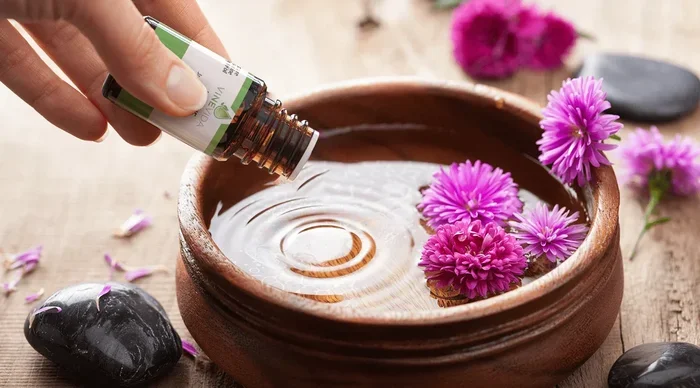
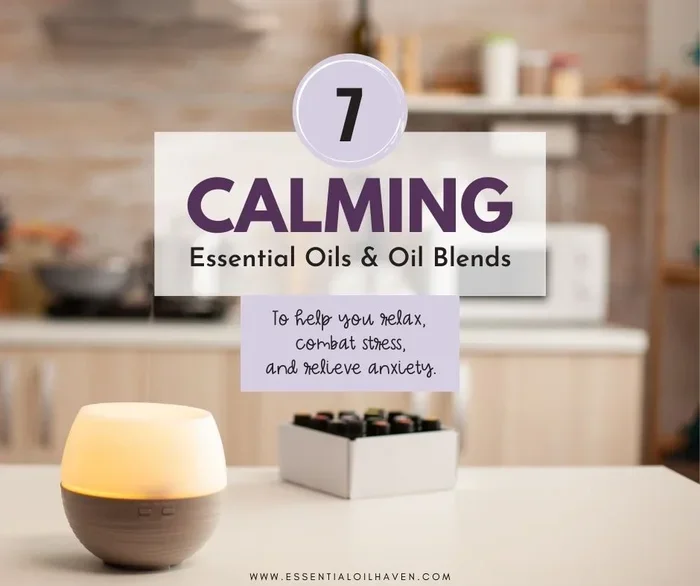
Many people prefer inhalation because it is simple and low-risk. You can use a diffuser, inhale from a tissue, or place a tiny drop on a cotton ball in a container. If you share space with others, remember that not everyone enjoys the same scent. Keep ventilation in mind and use only the amount you need.
Baths, Sprays, and Everyday Rituals
A few drops in a bath can feel soothing, but mix them with a carrier or solubilizer first so they spread evenly. You can also make a light room spray for your bedroom or reading nook. The best ritual is one you will actually repeat, so keep it simple. A short spray, a deep breath, and a quiet minute can be enough.
Common Mistakes in Application
- Using undiluted oil directly on sensitive skin.
- Adding too many drops and creating an overpowering scent.
- Forgetting to store oils away from heat and sunlight.
- Using old oils that have lost their freshness.
- Ignoring discomfort and pushing through irritation.
Quick Tips for a Smooth Start
- Begin with one oil instead of a complex blend.
- Use the same time of day to build a habit.
- Keep a small notebook to track your response.
- Choose a scent you genuinely enjoy, not one you think you should like.
- Stop and adjust if a scent makes you feel more tense.
Building a Calming Routine That Fits Your Life
A good routine should feel supportive, not demanding. If you are exploring essential oils and OCD habits, think about moments in your day when you naturally pause. Those are the best places to add a small calming ritual. You do not need a perfect schedule. You just need a repeatable one.
Morning Reset
Some people like a gentle start before the day gets busy. You might diffuse a light scent while you drink water, stretch, or write one priority for the day. The point is not to create a long routine. The point is to give your mind a soft landing as the day begins.
Midday Break
When stress builds, a short reset can help. Try stepping away for a minute, breathing slowly, and inhaling a familiar calming scent. This can be especially useful before a difficult task or after a tense conversation. Even a brief pause can help you return to the moment with a little more space.
Evening Wind-Down
Evenings are a popular time for calming scents. You might use a soft aroma while reading, journaling, or getting ready for bed. A consistent evening cue can help your body understand that it is time to slow down. If your mind tends to race at night, keep the routine simple and predictable.
Pairing Scent With Other Calming Tools
Aromatherapy often works best when it is part of a bigger calming plan. You might combine it with deep breathing, a short walk, stretching, or a favorite quiet activity. Some people also find it helpful to talk with a trusted person or write down what is on their mind. If you want more ideas for handling tough moments, you may enjoy reading about how to stay healthy and positive in personal challenges.
Key Takeaways for Routine Building
- Anchor your ritual to an existing habit.
- Keep the steps short and realistic.
- Use the same scent at the same time when possible.
- Notice what helps and what feels like too much.
- Adjust your routine as your needs change.
When Essential Oils Are Not Enough
It is important to be honest about limits. Essential oils and OCD support can be comforting, but they are not a standalone solution for a serious mental health condition. If your thoughts are getting louder, your habits are growing harder to manage, or daily life is becoming difficult, that is a sign to reach out for more support.
Signs You May Need More Help
You may need extra support if you notice your routines are taking up more time than you want, your anxiety is rising, or you feel stuck in a cycle that does not ease with self-care alone. It can also help to talk with someone if your sleep, work, or relationships are suffering. Getting help early is a strong, sensible move.
How to Talk to Your Care Team
If you start using aromatherapy, let your therapist, doctor, or counselor know. They can help you fit it into your overall plan in a safe way. If you ever feel overwhelmed by conflict or tension in close relationships, it may also help to learn more about the difference between the silent treatment and giving space. Clear communication can make your support system stronger.
Why a Combined Approach Often Works Best
Many people do best when they combine healthy habits, professional guidance, and small comfort tools. That might mean therapy, medication if prescribed, sleep support, movement, and a calming scent routine that helps you settle. The mix is personal. What matters is that your plan feels sustainable and supportive over time.
Expert Insight on Balanced Care
A balanced approach usually feels steadier than relying on one tool alone. Think of essential oils as a small lantern, not the whole path. They can help light a moment, but your bigger care plan is what guides the journey. If you are ever unsure, ask a professional who knows your history and can tailor advice to you.
Final Thoughts on Essential Oils and OCD
If you are looking for a gentle way to soften stress, essential oils and OCD support can be a thoughtful addition to your routine. The best results usually come from simple, safe use and a realistic habit you can actually keep. Start small, notice how you feel, and give yourself permission to adjust as you go. Calm is often built one small moment at a time.
Remember that aromatherapy works best as a comfort tool, not a cure. Keep your main care plan in place, stay connected to people who support you, and pay attention to what your body and mind are telling you. With a little patience, you can create a soothing rhythm that helps you feel more steady in daily life.
Frequently Asked Questions
Can essential oils help with OCD symptoms?
They may help you feel calmer and more relaxed, which can make it easier to cope with stress. However, they do not treat OCD itself and should be used alongside your main care plan.
Which essential oils are best for relaxation?
Lavender, bergamot, frankincense, and Roman chamomile are popular choices for many people seeking a calmer mood. The best one depends on your personal preference and how your body responds.
Is it safe to put essential oils on my skin?
Often yes, but they should usually be diluted with a carrier oil first. A patch test is a smart step to check for irritation before using a new oil more broadly.
Can I use essential oils in a diffuser all day?
You can use a diffuser for short periods, but constant long sessions may become overpowering for some people. It is usually better to use scent in moderation and give yourself breaks.
Do essential oils replace therapy or medication for OCD?
No, they do not replace professional treatment. They can be a comforting add-on, but therapy, medication, or other guidance from a qualified professional may still be important.
What should I do if a scent makes me feel worse?
Stop using it right away and get some fresh air if needed. Not every scent works for every person, so it is perfectly fine to try a different oil or skip aromatherapy altogether.
