
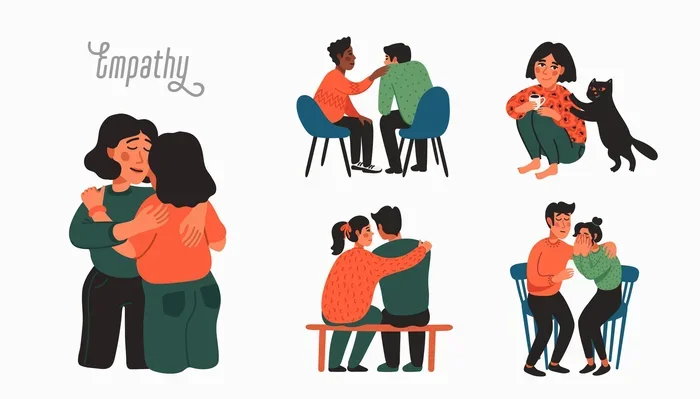
Expressing ourselves with empathy transforms how we connect with the people we love most. When we share our feelings with kindness and understanding, we build trust and reduce unnecessary conflicts. This guide will show you simple ways to communicate your needs while honoring your partner’s emotions. You will learn practical steps to make every conversation feel safer and more meaningful.
Love feels easy when everything goes well. But real connection grows when we navigate the hard moments with care. The way we share our thoughts, needs, and worries shapes the health of our relationships. When we express ourselves with empathy, we turn potential arguments into opportunities for closeness. This simple shift can change everything between two people who care about each other.
Many of us learned to speak up by being loud, defensive, or quiet to avoid trouble. Those habits might have protected us once, but they rarely build intimacy. Empathetic communication asks us to slow down. It invites us to look at our own hearts while staying open to the hearts of others. That balance is where true understanding begins.
In this guide, we will walk through clear, practical ways to share your inner world without pushing your partner away. You will find simple tools you can use today. You will also see how small changes in wording, timing, and tone can make a big difference. Let us start by looking at what empathy really means in love.
Key Takeaways
- Empathy starts with listening: Understanding your partner before speaking creates a safe space for honest dialogue.
- Use “I” statements: Focus on your own feelings instead of blaming to keep conversations productive and calm.
- Validate emotions first: Acknowledging your partner’s feelings does not mean you agree, but it shows you care.
- Timing matters: Choosing the right moment to share difficult thoughts prevents defensiveness and promotes openness.
- Body language speaks loudly: Gentle tone and open posture help your message land with warmth instead of tension.
- Practice daily: Small empathetic habits build a stronger foundation for handling bigger relationship challenges later.
📑 Table of Contents
What It Means to Express Ourselves with Empathy
Empathy is the ability to feel with someone, not just for them. In romantic relationships, it means we try to see the world through our partner’s eyes before we defend our own position. When we express ourselves with empathy, we do not hide our needs. We share them in a way that respects the other person’s experience too.
This approach blends honesty with kindness. You can be clear about what hurts you without making your partner feel like the enemy. You can ask for what you need without demanding it. That balance takes practice, but it is learnable. The goal is not perfection. The goal is connection.
Empathy Is Not Agreement
A common mistake is thinking that empathy means you must agree with everything your partner says. That is not true. You can understand why someone feels hurt without accepting blame that does not belong to you. You can see their pain and still hold your own boundaries. In fact, clear boundaries often grow stronger when both people feel heard.
When you separate understanding from agreement, conversations become less scary. Your partner feels seen. You feel respected. That combination creates room for real solutions instead of power struggles.
The Role of Emotional Safety
People open up when they feel safe. Emotional safety grows when we know our words will not be mocked, dismissed, or used against us later. If you want to express ourselves with empathy in your relationship, start by asking yourself one question: Does my partner feel safe when I speak?
Safety comes from consistent habits. It comes from keeping promises. It comes from staying calm when emotions run high. It also comes from admitting when you are wrong. These small acts build a foundation where both people can be honest without fear.
Why Empathetic Communication Matters in Love
Relationships rarely fail because of one big event. They usually wear down through hundreds of small moments. A dismissed feeling here. A sharp tone there. Over time, those moments create distance. Empathetic communication slows that wear and tear. It helps couples repair quickly and stay connected.

Visual guide about people expressing empathy together
Image source: img.freepik.com
When we express ourselves with empathy, we also model the kind of love we want to receive. That modeling matters. People often mirror the energy we bring to the relationship. If we bring warmth, curiosity, and respect, our partners are more likely to do the same.
Reducing Defensiveness
Defensiveness is one of the fastest ways to block real understanding. When people feel attacked, they protect themselves. They stop listening. They start planning their rebuttal. That is why the tone we use matters so much. A gentle start can keep a conversation on track.
Try noticing what happens when you lead with your own feelings instead of your partner’s faults. The room often feels lighter. The other person does not have to fight to be heard. That simple shift can save hours of unnecessary tension.
Building Trust Over Time
Trust is not built in one perfect talk. It is built through repeated experiences of being listened to and respected. Every time you share something vulnerable and your partner responds with care, trust grows. Every time you listen well and respond with kindness, trust grows too.
This is why expressing ourselves with empathy is not just a communication skill. It is a trust-building practice. It tells your partner, “You matter to me, even when we disagree.” That message is powerful. It can hold a relationship through many difficult seasons.
Strengthening Emotional Intimacy
Intimacy is more than physical closeness. It is the feeling of being known. When you share your fears, hopes, and needs with care, you invite your partner to know the real you. That kind of sharing deepens emotional intimacy in a way that surface-level talk never can.
Of course, vulnerability can feel risky. It asks us to drop our shields for a moment. But when empathy is present, vulnerability becomes a bridge instead of a burden. It helps both people feel closer, safer, and more connected.
How to Express Ourselves with Empathy in Daily Conversations
Empathy is not reserved for big relationship talks. It shows up in ordinary moments too. The way you ask about someone’s day, the way you respond to a small complaint, and the way you share your own stress all matter. These daily habits shape the emotional climate of your relationship.

Visual guide about people expressing empathy together
Image source: surveysensum.com
Here are some practical ways to bring empathy into everyday communication:
- Pause before reacting. A brief pause can stop a quick, hurtful response.
- Ask open questions. Questions like “What was that like for you?” invite deeper sharing.
- Name your feelings clearly. Saying “I feel overwhelmed” is clearer than snapping in frustration.
- Notice body language. A soft tone and relaxed posture help your words feel safer.
- Reflect back what you hear. Simple phrases like “It sounds like you felt ignored” show you are listening.
Starting Difficult Talks Gently
Hard conversations are inevitable. The goal is not to avoid them. The goal is to enter them with care. One helpful method is to start with what you appreciate before you bring up what hurts. That does not mean hiding the problem. It means setting a respectful tone.
For example, you might say, “I love how hard you work for our family. I have been feeling lonely lately, and I want to talk about that.” This kind of opening lowers the chance that your partner will feel blindsided. It also shows that your complaint comes from a place of care, not contempt.
Using “I” Statements With Care
“I” statements are a classic tool for a reason. They keep the focus on your experience instead of your partner’s failures. But they only work well when they are genuine. A phrase like “I feel like you never listen” is really a disguised accusation. That will not create empathy.
A more empathetic version might sound like, “I feel unheard when I share something important and the conversation moves on quickly. I would love it if we could pause and check in.” This keeps the focus on your feeling and your need without blaming. It also offers a clear, doable request.
Listening as an Act of Love
Empathy is a two-way street. You cannot only expect to be understood. You also have to understand. Listening well is one of the most loving things you can do in a relationship. It tells your partner, “Your inner world matters to me.”
Good listening does not mean you must fix everything. Often, people just want to be heard. You can say, “That sounds really hard. I am here with you.” Those words can be enough in the moment. Later, you can work on solutions together if needed.
Common Roadblocks and How to Move Past Them
Even with the best intentions, empathetic communication can feel hard. Stress, exhaustion, old wounds, and different communication styles can get in the way. Knowing these roadblocks ahead of time makes them easier to handle.

Visual guide about people expressing empathy together
Image source: blogger.googleusercontent.com
Here are some common barriers and simple ways to work through them:
- High emotions: When hearts race, words get sharper. Take a break and return when you are calmer.
- Old pain: Past hurt can color present conversations. Name the old wound if it is relevant, but do not let it dominate every talk.
- Different styles: Some people process out loud. Others need quiet time. Learn each other’s rhythms.
- assumptions: Assuming you know what your partner means can lead to confusion. Ask for clarification instead.
- Needing to be right: Being right can feel good for a moment, but connection matters more in the long run.
When Stress Gets in the Way
Stress can make anyone less patient. If you are both tired, hungry, or overwhelmed, empathy becomes harder. That does not mean you are bad at love. It means you are human. In those moments, it may help to delay a serious talk until you have rested and eaten.
A simple agreement like, “Let’s talk about this after dinner when we have more energy,” can prevent a lot of damage. It is not avoiding the issue. It is choosing a better time to handle it well.
When Past Hurt Colors the Present
Old wounds can flare up during new conversations. A small comment might feel huge because it touches an old fear. If that happens, try to notice the difference between then and now. You can say, “This feels familiar to something I have felt before, and I want to understand what is happening for me.”
That kind of honesty can prevent a spiral. It also gives your partner a chance to understand your reaction without feeling unfairly blamed. Expressing ourselves with empathy often means being honest about our triggers while taking responsibility for our own healing.
Building a Habit of Empathetic Expression
Empathy is a muscle. The more you use it, the stronger it gets. You do not need a perfect relationship to start. You only need a willing heart and a little practice. Small, consistent habits create big change over time.
Here are some habits that can help you make empathy part of your daily life together:
- Check in regularly. A short daily check-in can prevent small feelings from building into big ones.
- Celebrate understanding. When a tough talk goes well, notice it. Positive reinforcement helps habits stick.
- Repair quickly. If you slip into harsh words, go back and repair as soon as you can.
- Learn each other’s signals. Know what helps your partner feel calm and what makes them shut down.
- Keep growing. Empathy includes learning about yourself, too. Self-awareness makes connection easier.
Creating a Shared Communication Ritual
Rituals give relationships structure. They also create predictable moments of connection. You might try a weekly talk where you both share one thing you appreciated and one thing you struggled with. Keep it simple. The goal is not a formal meeting. The goal is a safe rhythm.
Over time, this kind of ritual can make hard conversations less intimidating. You both learn that you will have a dedicated space to be heard. That knowledge alone can lower anxiety and improve how you express ourselves with empathy throughout the week.
Repairing After Missed Connections
No one gets it right every time. You will misread your partner. You will say the wrong thing. You will get tired and impatient. What matters most is what happens next. Repair is where a lot of relationship strength is built.
A sincere repair can be simple: “I did not say that well. I was frustrated, but I do not want to speak to you that way. Can I try again?” That kind of honesty shows humility and care. It reminds both people that the relationship is bigger than any one bad moment.
When Empathy Needs Extra Support
Some relationship patterns are deeply rooted. If you and your partner keep having the same argument, or if one of you feels constantly unsafe, empathy alone may not be enough. That is okay. Love is not supposed to be carried alone. Support can help.
Sometimes outside guidance gives you new tools and a neutral space to practice. It can also help you see patterns that are hard to notice from the inside. Reaching out is not a sign of failure. It is a sign that you value the relationship enough to protect it.
Knowing When to Slow Down
There are times when pushing through a hard conversation does more harm than good. If emotions are too high, pause. If someone feels overwhelmed, slow down. Empathy includes knowing when to take a breath and come back later.
You can say, “I care about this conversation, and I want to give it my best attention. Can we take thirty minutes and come back?” That kind of boundary is not cold. It is respectful. It protects both people from saying things they may regret.
Keeping Empathy Alive in Long-Term Love
Long-term love needs fresh attention. It is easy to assume your partner already knows you care. But people need ongoing reassurance. They need to feel seen in who they are right now, not just who they were years ago.
Keep asking questions. Keep noticing changes. Keep making room for each other’s growth. When you express ourselves with empathy over the years, you create a relationship that can adapt, heal, and deepen. That is one of the most beautiful things love can become.
Conclusion
Love grows when we speak and listen with care. Expressing ourselves with empathy is not about being perfect. It is about being present, honest, and kind even when things feel hard. It is about choosing connection over winning, and understanding over fear.
You do not need to change everything at once. Start with one conversation. Try a gentler tone. Use one clear “I” statement. Listen a little longer than usual. Small steps add up. Over time, they create a relationship where both people feel safe enough to be fully themselves.
The heart of empathetic expression is simple: I care about you, and I care about what is true for me too. When both parts of that sentence are honored, love has room to breathe. And that is where real intimacy begins.
Frequently Asked Questions
How can I express myself with empathy when I feel angry?
Start by naming your anger without attacking the other person. Say something like, “I feel really frustrated right now, and I want to talk about this calmly.” If needed, take a short break so you can return with a steadier heart.
What if my partner does not respond empathetically at first?
You cannot control how someone else reacts, but you can keep your own tone respectful. Sometimes people need time to adjust to a new way of communicating. Stay consistent, and notice small signs of progress.
Is it okay to set boundaries while being empathetic?
Yes, boundaries and empathy can work together beautifully. You can understand someone’s feelings and still say no to something that hurts you. In fact, clear boundaries often make relationships healthier and more honest.
How do I know if I am being empathetic or just avoiding conflict?
Empathy includes honesty, while avoidance often hides your true feelings. If you are only keeping the peace by silencing yourself, that is not empathy. Real empathy means you care about both your needs and your partner’s needs.
Can empathetic communication help after a big argument?
Yes, it can be especially helpful after conflict. A calm repair conversation can lower shame and rebuild trust. Focus on what you learned, what you felt, and what you want to do differently next time.
What are simple daily habits that build empathetic expression?
Try short check-ins, active listening, and gentle wording during ordinary moments. Notice when your partner seems stressed and ask how you can support them. These small habits create a stronger foundation for harder conversations later.
