
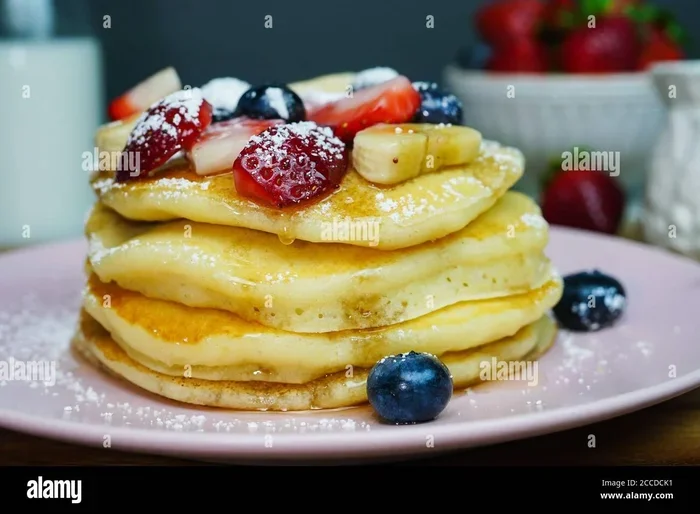
Youve been making pancakes wrong if your breakfast always turns out flat, tough, or unevenly cooked. The secret to perfect pancakes lies in simple tweaks like mixing less, controlling heat, and choosing the right fat. Once you fix these common mistakes, you will enjoy light, tender pancakes every single morning. Your kitchen routine will feel easier, and your family will notice the difference right away.
Have you ever stood in the kitchen and wondered why your pancakes never look like the ones in cookbooks? You are not alone. Many home cooks struggle with flat, rubbery, or unevenly browned pancakes. The good news is that the problem usually comes from a few small habits. Once you notice them, you can fix them fast.
Pancakes seem simple, but small details matter a lot. The way you mix the batter, the temperature of your pan, and even the order of your ingredients can change the final result. If you want light, tender, golden pancakes, you need a better approach. This guide will show you exactly what to change.
You will learn how to spot the most common mistakes and how to avoid them. We will talk about batter texture, heat control, flipping timing, and a few easy upgrades that make a big difference. By the end, you will feel confident making pancakes that taste fresh and satisfying.
Key Takeaways
- Mix gently: Overmixing creates tough gluten, so stir just until the dry ingredients disappear.
- Control the heat: Medium heat cooks pancakes evenly without burning the outside or leaving the center raw.
- Let the batter rest: A short pause allows the flour to hydrate, which creates fluffier results.
- Use the right fat: Butter adds flavor, while oil helps create a lighter texture.
- Flip at the right time: Wait for bubbles to form and pop before turning the pancake over.
- Measure carefully: Small changes in flour or liquid ratios can completely change the texture.
- Keep it simple: You do not need fancy tools or complicated steps to make excellent pancakes.
📑 Table of Contents
Why Youve Been Making Pancakes Wrong
Most people think pancake problems come from bad recipes. Usually, the recipe is fine. The real issue is how the batter is handled. When you treat pancake batter like cookie dough or bread dough, you create texture problems. Pancakes need a lighter touch.
Another common issue is heat. If your pan is too hot, the outside burns before the inside cooks. If it is too cool, the pancake spreads too much and turns pale. Many kitchens also have uneven stovetops, which makes consistency harder. That is why paying attention to the pan matters so much.
Ingredient choices can also cause trouble. Using old baking powder, the wrong flour, or too much liquid can ruin the texture. Even the size of your eggs can change the batter. If you have ever asked yourself why your pancakes turn out differently each time, these small variations are likely the reason.
The mixing mistake that ruins texture
One of the biggest reasons pancakes fail is overmixing. When you stir too much, you develop gluten. Gluten gives bread its chew, but it is not what you want in a soft pancake. The batter should look a little lumpy. Those small lumps are perfectly fine.
You should stop mixing as soon as the flour disappears. A few streaks of dry ingredient are better than a completely smooth batter. If you want extra tenderness, you can even let the batter sit for a few minutes before cooking. This short rest helps the flour absorb the liquid more evenly.
The heat problem most people ignore
A lot of cooks set the pan to high because they want a fast breakfast. That usually backfires. High heat creates a dark crust too quickly. The center then stays undercooked, and the pancake may collapse when you flip it. Medium heat is usually the safest choice.
It helps to test the pan before adding batter. A few drops of water should sizzle gently, not vanish instantly. If you have a heavy pan, it may hold heat well and need lower settings. If you use a thin pan, you may need to adjust more often.
The Ingredients That Change Everything
Pancakes are forgiving, but ingredients still matter. The right balance of flour, liquid, fat, and leavening creates the texture you want. If one part is off, the whole batch can feel heavy or dry. The good news is that you do not need rare ingredients to get great results.
All-purpose flour works well for most pancake recipes. It gives structure without making the pancake too dense. Some people like to add a little whole wheat flour for flavor, but too much can make the texture heavier. If you want a softer crumb, stick mostly to all-purpose flour.
Liquid also plays a big role. Milk creates richness, while buttermilk adds tang and tenderness. Water can work in a pinch, but it gives less flavor. If your batter seems too thick, add a small splash of liquid. If it seems too thin, add a little flour. Small adjustments often solve the problem.
Baking powder and baking soda
Leavening is what helps pancakes rise. Baking powder is the most common choice because it works quickly. If your baking powder is old, your pancakes may not puff up the way they should. It is worth checking the expiration date before you cook.
Baking soda can also help, especially if you use buttermilk or another acidic liquid. It reacts with the acid to create lift. If you use too much, though, the pancakes can taste metallic or soapy. The goal is balance, not excess.
Fat, flavor, and tenderness
Fat adds flavor and helps create a tender crumb. Melted butter is a classic choice because it tastes rich and familiar. Oil can make the pancakes a little lighter because it mixes more easily into the batter. Some recipes use both. Either way, fat should be measured carefully.
Too much fat can make the pancakes greasy. Too little can leave them dry. If you want a richer taste, you can also brush a little butter on the pan between batches. That small step adds flavor without changing the batter too much.
The Mixing Method You Should Be Using
A better pancake starts with a better mixing method. Instead of attacking the batter with rapid stirring, think gently. Combine the dry ingredients first, then add the wet ingredients. Stir slowly and stop early. This simple change often improves the texture right away.
If you are adding mix-ins like blueberries or chocolate chips, fold them in at the end. Do not crush them into the batter. If you mix them too hard, they can sink or bleed color into the pancakes. A light hand keeps everything neat and evenly distributed.
It also helps to use the right bowl and spoon. A wide bowl gives you room to stir without splashing. A fork or silicone spoon works well for gentle mixing. You do not need a mixer. In fact, a mixer can make the batter tougher if you are not careful.
Resting the batter briefly
Letting the batter rest is one of the easiest upgrades you can make. Even five minutes can help the flour hydrate fully. This can create a more even texture and better rise. It also gives the leavening a little time to start working.
If your kitchen is warm, do not let the batter sit too long. The bubbles may fade if it rests for a long time. A short pause is enough. If you want to prepare ahead, you can mix the dry and wet ingredients separately and combine them just before cooking.
When the batter looks too smooth
A perfectly smooth batter is not always the goal. If it looks like heavy cream, it may be too thin. If it looks like a thick paste, it may be too dense. You want something in between, with a little lumpiness. That texture usually gives the best results.
If the batter seems too runny, add a spoonful of flour. If it seems too stiff, add a small splash of milk. Make changes slowly. Pancake batter is easier to fix when you adjust in small steps.
Heat, Timing, and the Perfect Flip
The best pancakes are not just about batter. They are also about timing. You want the pan hot enough to create a gentle crust, but not so hot that the outside overcooks. Once you find the right temperature, keep it steady. Constant adjustments can make the results inconsistent.
When you pour the batter, give each pancake enough space. If they are too close, they may merge and become hard to flip. A measuring cup or ladle can help you keep the sizes similar. Uniform pancakes cook more evenly and look better on the plate.
Watch the surface as the pancake cooks. Small bubbles will appear and begin to pop. That is your signal that the bottom is setting. If you flip too early, the pancake may fold or splatter. If you wait too long, the bottom may get too dark.
How to know when to flip
You should flip when the edges look a little set and the bubbles on top start to break. The pancake should no longer look wet and shiny across the whole surface. At that point, it is usually ready for a gentle turn.
Use a thin spatula if you can. It slips under the pancake more easily and reduces the chance of tearing. Slide it underneath with confidence, then flip in one smooth motion. A hesitant flip can cause the pancake to fold.
Keeping cooked pancakes warm
If you are making a big batch, you do not want the first pancakes to get cold while you cook the rest. A low oven works well for this. Place the pancakes on a tray and keep them loosely covered. This helps them stay warm without drying out.
Avoid stacking too many hot pancakes directly on top of each other. They can steam and lose their crisp edges. A little space keeps the texture better. If you are serving immediately, you can also finish them one at a time and keep the others warm.
Simple Upgrades for Better Pancakes
You do not need a complicated recipe to make better pancakes. A few small upgrades can improve flavor and texture right away. These changes are easy to try, and they work with most basic pancake recipes.
One easy upgrade is vanilla. A little vanilla extract adds warmth and makes the pancakes taste more complete. Another is a pinch of salt. Salt makes the sweetness stand out and helps balance the flavor. Even a small amount matters.
You can also try a little sugar in the batter. It helps with browning and adds a gentle sweetness. If you like a more golden crust, this can help. Just do not add too much, or the pancakes may brown too quickly.
Toppings that make a big difference
Toppings can turn a good pancake into a memorable breakfast. Fresh fruit adds brightness and color. Warm berries, sliced bananas, or sauttered apples all work well. A little whipped cream or yogurt can add creaminess without feeling too heavy.
If you want something richer, maple syrup is a classic choice. It pairs well with butter and brings out the cozy feel of the meal. You can also drizzle honey, nut butter, or a little chocolate sauce if you want a sweeter treat. The best topping is the one that makes the meal feel special to you.
A cozy breakfast moment
Pancakes are more than food. They can make an ordinary morning feel slower and warmer. If you are cooking for someone you care about, the little details matter. A nicely stacked plate, a drizzle of syrup, and a hot cup of coffee can create a simple but thoughtful moment.
If you want to make the breakfast feel even more memorable, you can pair it with a small surprise. A handwritten note, fresh flowers, or a favorite mug can add a personal touch. For ideas on thoughtful gestures, you may enjoy our guide on Top 5 Romantic Memory Making Gifts For 2026 Expert Picks.
Common Mistakes and How to Avoid Them
Even experienced cooks can fall into the same pancake traps. The good news is that these mistakes are easy to fix once you know what to watch for. Here are the most common ones and what to do instead.
One mistake is using a pan that is too hot. This creates dark bottoms and uneven cooking. Another is flipping too soon, which can tear the pancake. A third is overmixing, which makes the texture tough instead of soft.
People also sometimes use too much batter per pancake. That makes the center harder to cook. Others forget to adjust for humidity or altitude, which can change the batter slightly. None of these problems are hard to solve. They just need a little attention.
Quick tips for better results
- Start with medium heat and adjust only if needed.
- Stir the batter just until it comes together.
- Use fresh baking powder for better rise.
- Keep pancake sizes consistent for even cooking.
- Let the first batch guide your timing for the rest.
- Warm finished pancakes gently instead of leaving them out.
Expert insights from the kitchen
Many cooks say the first pancake is never perfect. That is normal. The pan is still adjusting, and the heat may not be fully steady yet. Use the first pancake as a test. Watch how fast it browns and how the bubbles form. Then make small changes for the next one.
It also helps to keep your station simple. Measure the ingredients before you start. Have your spatula, ladle, and serving plate ready. When everything is close by, you can focus on the pan instead of searching for tools. A calm setup usually leads to better pancakes.
Key Takeaways for Fluffier Pancakes
If you want better pancakes, focus on the basics first. Gentle mixing, steady heat, and fresh ingredients will improve most batches. Once those pieces are in place, the rest becomes much easier. You do not need a perfect recipe. You need a better process.
Remember that pancakes are meant to be soft, not chewy. They should rise lightly and cook through without burning. If yours have been dense or uneven, the fix is usually simple. Adjust one thing at a time, and you will see the difference quickly.
The best part is that these changes are easy to repeat. Once you learn how your stove, pan, and batter behave, you can make excellent pancakes more often. Breakfast will feel less stressful and much more rewarding.
So if you have been disappointed with your results, do not blame the idea of pancakes altogether. You may have just been making pancakes wrong in a few small ways. With a lighter hand and a little patience, you can turn your morning routine into something delicious.
Frequently Asked Questions
Why are my pancakes flat instead of fluffy?
Flat pancakes usually happen because the batter was overmixed, the leavening was old, or the pan was too hot. Mix gently, use fresh baking powder, and cook over medium heat for better lift.
How do I know when the pancake is ready to flip?
Wait until bubbles appear on the surface and begin to pop, and the edges look set. That usually means the bottom is cooked enough for a clean flip.
Should pancake batter be smooth or lumpy?
A slightly lumpy batter is usually better because it shows you have not overmixed it. A perfectly smooth batter can sometimes turn out tougher or denser.
Why do my pancakes burn on the outside but stay raw inside?
This usually means the pan is too hot. Lower the heat so the outside browns slowly while the inside has time to cook through.
Can I let pancake batter sit before cooking?
Yes, a short rest of a few minutes can help the flour hydrate and improve the texture. Just do not let it sit too long, or the bubbles may start to fade.
What is the best way to keep pancakes warm for a crowd?
Place the cooked pancakes on a tray in a low oven and keep them loosely covered. This helps them stay warm without getting soggy or dry.
