
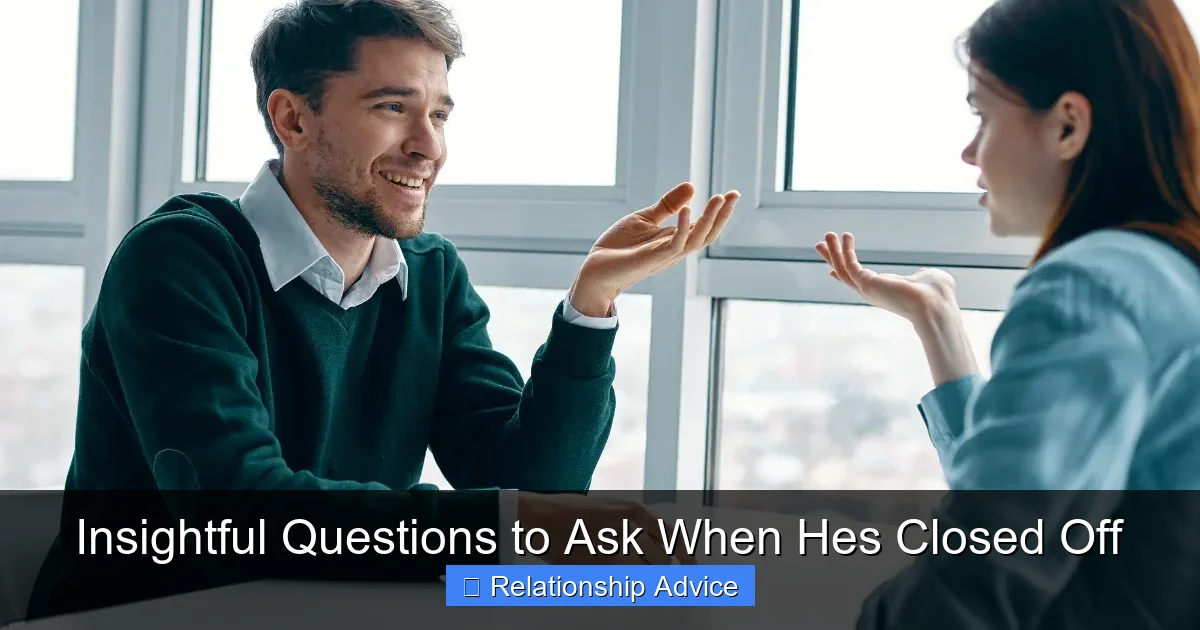
When he’s emotionally distant, silence isn’t the answer—curiosity is. Asking thoughtful, non-judgmental questions can gently invite him to open up without pressure. This guide shares practical, empathetic conversation starters that foster trust, deepen understanding, and rebuild emotional intimacy.
Key Takeaways
- Start with curiosity, not confrontation: Frame questions to show interest, not blame, so he feels safe sharing.
- Focus on feelings, not facts: Ask about emotions and experiences rather than demanding explanations.
- Use open-ended questions: These encourage longer, more meaningful responses instead of yes/no answers.
- Timing matters: Choose calm, private moments when he’s relaxed, not during stress or conflict.
- Listen actively: Your response matters as much as your question—validate his feelings without fixing them.
- Be patient: Emotional openness takes time; don’t rush or pressure him to reveal everything at once.
- Model vulnerability: Share your own feelings first to create a safe space for mutual honesty.
📑 Table of Contents
Why He Closes Off—And Why It Hurts
You’ve been there. You ask how his day was, and he shrugs. You try to talk about something deeper, and he changes the subject. Maybe he retreats to his phone, goes quiet, or gives one-word answers. It’s frustrating, lonely, and leaves you wondering: What did I do wrong? But here’s the truth—his emotional withdrawal probably isn’t about you at all.
Men are often socialized to suppress emotions, avoid vulnerability, and “handle things” on their own. Stress, anxiety, past trauma, or even just a bad day can trigger a shutdown response. When he closes off, it’s not necessarily rejection—it’s a defense mechanism. He might feel overwhelmed, unsure how to express himself, or afraid of being judged. And while that doesn’t make it easier for you, understanding the why behind his silence is the first step toward reconnecting.
The good news? You don’t need to force him to talk. You just need to create the right conditions—and ask the right questions. Insightful, gentle conversation starters can gently crack the door open, inviting him to share when he’s ready. The goal isn’t to extract information, but to build trust, show care, and remind him that he’s not alone.
The Power of Insightful Questions
Not all questions are created equal. A blunt “Why are you so quiet?” can feel like an accusation. But a thoughtful “I’ve noticed you’ve seemed a little distant lately—want to talk about it?” opens space for honesty. Insightful questions do more than gather information—they signal empathy, patience, and a desire to understand.
Visual guide about Insightful Questions to Ask When Hes Closed Off
Image source: realestlove.com
These questions work because they’re designed to reduce defensiveness. They avoid blame, focus on shared experience, and invite reflection rather than demand answers. When he feels safe, he’s more likely to open up—not because he’s pressured, but because he wants to.
Think of these questions as emotional bridges. They don’t bulldoze through walls; they lay down planks, one by one, until he feels confident enough to cross. And the best part? You don’t need to have all the answers. You just need to be present, curious, and willing to listen.
What Makes a Question “Insightful”?
An insightful question goes beyond surface-level chatter. It’s not about filling silence—it’s about deepening connection. Here’s what sets them apart:
- They’re open-ended: Instead of “Did you have a good day?” try “What was the highlight of your day?” This invites storytelling, not just a yes or no.
- They focus on feelings: “How did that make you feel?” is more revealing than “What happened?”
- They’re non-judgmental: Avoid phrasing that implies criticism, like “Why didn’t you tell me sooner?” Instead, say “I’d love to understand what’s been on your mind.”
- They show care: “I’ve been thinking about you—how are you really doing?” conveys concern without pressure.
These questions don’t force answers. They invite sharing. And when he feels heard—not interrogated—he’s more likely to respond in kind.
Questions to Ask When He’s Emotionally Distant
When he’s closed off, start gently. The goal isn’t to solve his problems or pull out every secret. It’s to show you’re there, you care, and you’re willing to listen—without judgment.
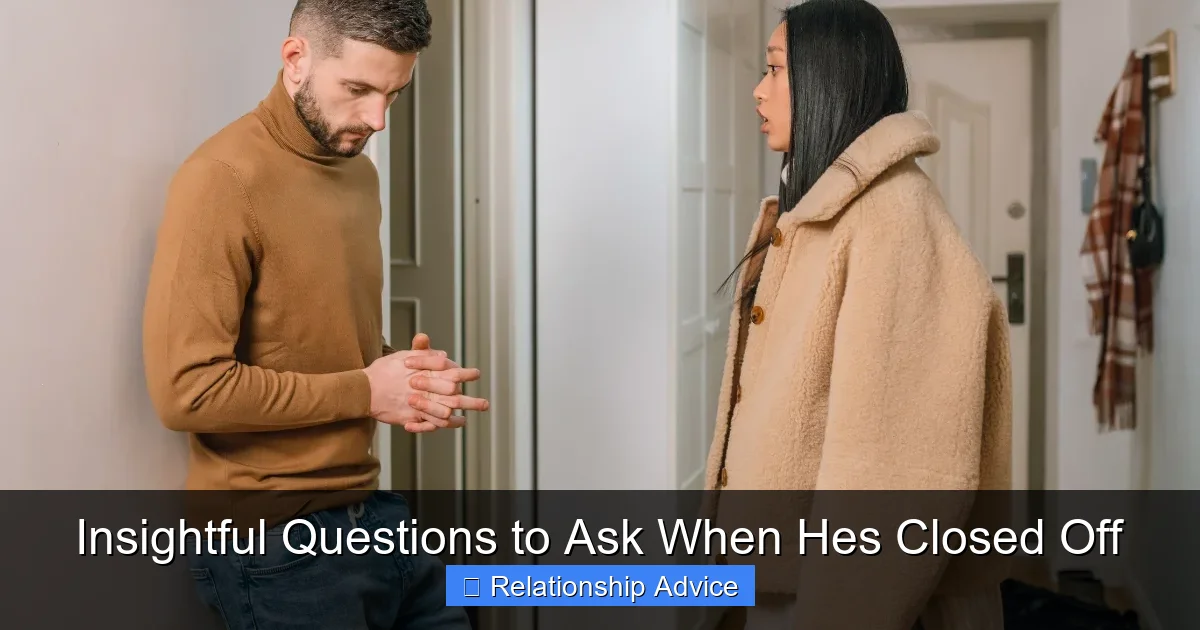
Visual guide about Insightful Questions to Ask When Hes Closed Off
Image source: realestlove.com
1. “How are you really feeling today?”
This simple question cuts through the usual “I’m fine” response. By adding “really,” you invite honesty. He might still say “fine,” but the tone matters. If he hesitates, follow up with, “You don’t have to have it all figured out—just wanted to check in.”
Example: After a long week, you notice he’s been quieter than usual. Instead of pushing, you say, “Hey, I’ve noticed you’ve seemed a little drained lately. How are you really feeling?” This opens the door without demanding entry.
2. “Is there anything on your mind that you’d like to talk about?”
This gives him control. He can say yes, no, or “maybe later.” The key is offering the option without pressure. It shows respect for his boundaries while signaling your availability.
Tip: Say this when you’re both relaxed—maybe during a quiet evening at home, not right after an argument. Timing makes a big difference.
3. “What’s been the hardest part of your week?”
This focuses on experience, not emotion—which can feel safer for someone who struggles to name feelings. It invites him to share challenges without needing to label them as “sad” or “stressful.”
Example: “I know work’s been intense. What’s been the hardest part of your week?” This acknowledges his stress and invites him to unpack it—on his terms.
4. “What do you need from me right now?”
This is powerful because it puts the focus on his needs, not your assumptions. Maybe he needs space. Maybe he wants a hug. Maybe he just wants you to listen. Let him tell you.
Why it works: It shows humility and care. You’re not guessing—you’re asking. And that alone can make him feel seen.
5. “When was the last time you felt really happy?”
This shifts the focus from problems to positivity. It’s a gentle way to reconnect with joy and can spark meaningful conversation about what matters to him.
Example: “I was thinking—when was the last time you felt really happy? I’d love to hear about it.” This invites storytelling and can remind him of good moments, even during tough times.
6. “Is there something I can do to support you better?”
This shows you’re not just asking for his emotional labor—you’re willing to step up. It positions you as a partner, not a therapist.
Tip: Follow up with action. If he says, “I just need some quiet time,” respect that. If he says, “I’d love to talk more,” make time.
How to Ask Without Pressuring Him
Asking insightful questions is only half the battle. The other half is how you ask them. Tone, timing, and body language matter just as much as the words.
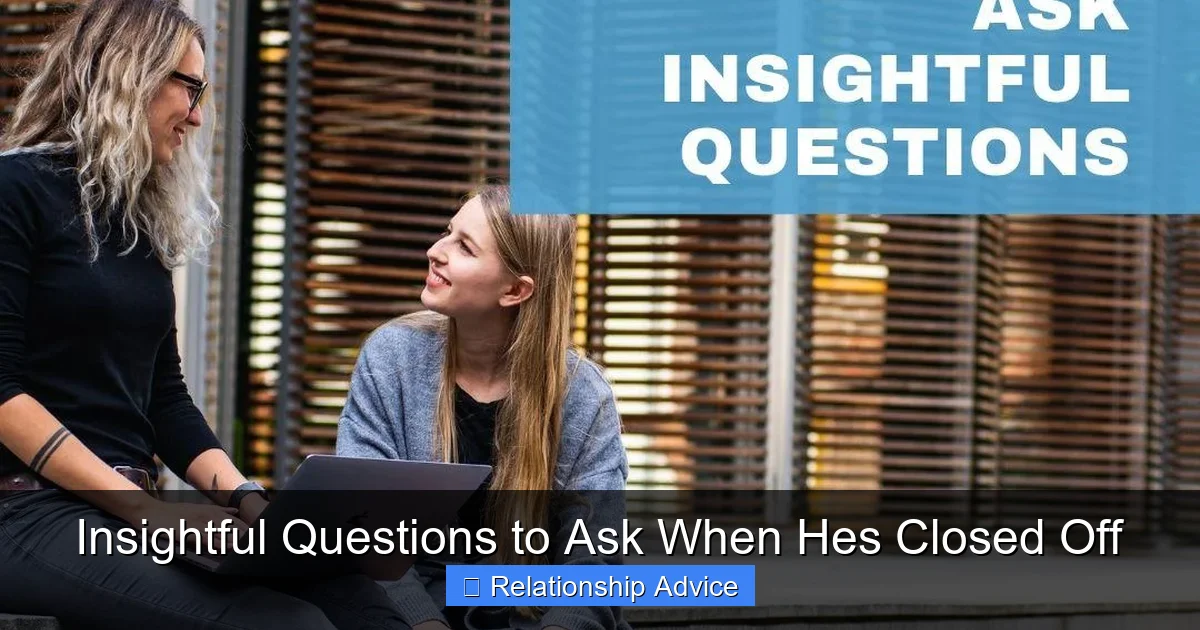
Visual guide about Insightful Questions to Ask When Hes Closed Off
Image source: franklincoveyme.com
Choose the Right Moment
Avoid asking deep questions when he’s stressed, distracted, or in public. Instead, look for calm, private moments—like during a walk, over dinner, or before bed. These are times when he’s more likely to be receptive.
Example: Instead of asking, “Why are you so quiet?” during a family gathering, wait until you’re alone. Say, “I’ve been thinking about you. Want to talk about what’s going on?”
Use a Soft Tone
Your voice should convey care, not concern or frustration. Speak slowly, gently, and with warmth. Avoid sounding interrogative or demanding.
Tip: Pair your words with open body language—uncrossed arms, eye contact, a relaxed posture. This signals safety.
Give Him an Out
Always include an option to decline. Say, “No pressure to answer—just wanted to check in.” This reduces the sense of obligation and makes him more likely to respond honestly.
Example: “I’ve noticed you’ve been quieter lately. Want to talk about it? No pressure if not.” This respects his boundaries while keeping the door open.
Don’t Interrupt or Fix
When he does open up, resist the urge to interrupt, offer solutions, or minimize his feelings. Instead, listen. Nod. Say, “That sounds really tough,” or “I can see why you’d feel that way.”
Why it matters: Men often shut down because they feel their emotions are dismissed or “fixed” instead of validated. Listening without fixing builds trust.
What to Do If He Still Won’t Open Up
Even with the best questions, he might still stay closed off. And that’s okay. Emotional intimacy can’t be forced—it has to be invited.
Respect His Pace
Some people need more time to process emotions. Pushing too hard can backfire, making him retreat further. Instead, continue showing up with small gestures of care—making his favorite meal, leaving a kind note, or simply sitting with him in silence.
Example: If he says, “I’m fine,” don’t argue. Say, “Okay. I’m here if you change your mind.” Then give him space.
Model Vulnerability
Sometimes, the best way to encourage openness is to go first. Share your own feelings—gently and honestly. “I’ve been feeling a bit disconnected lately, and I miss our talks.” This shows it’s safe to be vulnerable.
Tip: Keep it brief and non-accusatory. Focus on your experience, not his behavior.
Suggest Professional Support
If his emotional withdrawal is persistent and affecting your relationship, gently suggest therapy. Frame it as support, not criticism. “I’ve noticed you’ve been really stressed. Have you thought about talking to someone? I’d support you.”
Why it helps: A therapist can provide tools for emotional expression that you can’t. And suggesting it shows you care about his well-being, not just your relationship.
Building a Culture of Open Communication
Insightful questions are most effective when they’re part of an ongoing practice—not a one-time fix. Over time, they can help build a relationship where emotional honesty feels natural.
Make Check-Ins a Habit
Set aside regular time to connect—weekly, monthly, or even daily. This could be a “relationship check-in” where you both share highs, lows, and anything in between.
Example: “Every Sunday, let’s take 10 minutes to talk about how we’re both feeling. No pressure—just a chance to connect.”
Celebrate Small Openings
When he does share something, even a little, acknowledge it. “Thanks for telling me that. I really appreciate you opening up.” This reinforces that vulnerability is safe and valued.
Be Consistent
Emotional safety isn’t built in a day. It takes repeated acts of patience, listening, and care. Keep showing up—even when he doesn’t respond the way you hope.
Remember: Your consistency is what builds trust. Over time, he’ll learn that you’re a safe person to be honest with.
Final Thoughts: Patience, Presence, and Possibility
When he’s closed off, it’s easy to feel shut out, frustrated, or even rejected. But remember—his silence isn’t a reflection of your worth or your relationship’s strength. It’s often a sign of his own struggle to navigate emotions.
Insightful questions won’t fix everything overnight. But they can plant seeds of connection, one conversation at a time. They remind him that you see him, care about him, and are willing to meet him where he is—not where you want him to be.
So keep asking. Keep listening. Keep showing up. Because sometimes, the most powerful thing you can do isn’t to fix—it’s to be present. And in that presence, healing begins.
Frequently Asked Questions
What if he gets defensive when I ask questions?
It’s normal for someone to feel guarded when asked about emotions. If he reacts defensively, stay calm and reassure him. Say, “I’m not trying to push—I just care about you.” Give him space and try again later.
How often should I ask these questions?
Don’t overwhelm him. Ask once or twice a week, especially during calm moments. Consistency matters more than frequency. Let the conversation flow naturally.
What if he says “I’m fine” every time?
Acknowledge his response without arguing. Say, “Okay, I believe you. I’m here if you ever want to talk.” Then shift to a lighter topic. Forcing the issue can make him shut down more.
Can these questions work in long-distance relationships?
Absolutely. Use video calls or voice messages to ask thoughtful questions. The tone and intention matter more than the medium. Just be mindful of timing and his availability.
Should I ask the same question multiple times?
Not exactly. Rephrase or try a different angle. For example, if “How are you?” gets a shrug, try “What’s been on your mind lately?” Variety keeps the conversation fresh and less repetitive.
What if I’m the one who’s emotionally closed off?
That’s okay too. Start by sharing your own feelings first. Model the vulnerability you’d like to see. Say, “I’ve been feeling a bit distant lately—want to talk about it?” This can open the door for mutual honesty.