
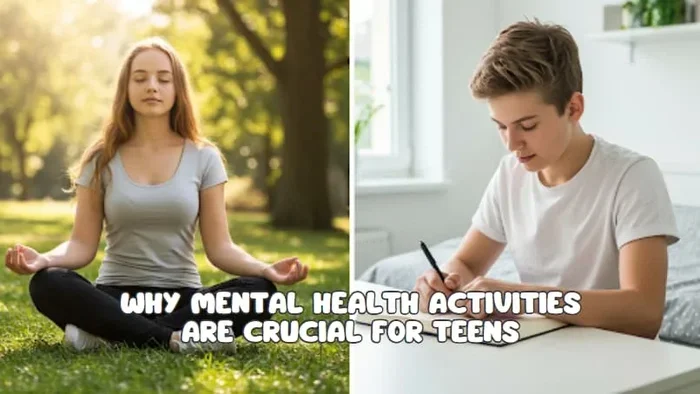
Teen mental health matters more than ever. Finding the right mental health activities for teens can help young people manage stress, build confidence, and develop healthy coping skills. This guide shares simple, proven strategies that parents and teens can use every day.
Key Takeaways
- Simple activities work best: Walking, journaling, and breathing exercises can calm the mind quickly.
- Consistency builds resilience: Daily habits help teens handle stress before it becomes overwhelming.
- Social connection matters: Talking with friends or joining group activities supports emotional well-being.
- Creative outlets reduce anxiety: Drawing, music, and writing let teens express feelings safely.
- Physical movement boosts mood: Exercise releases endorphins that improve mental health naturally.
- Parents play a key role: Supportive adults can guide teens toward healthy coping strategies.
- Professional help is okay: Therapy and counseling are valuable tools when activities alone are not enough.
📑 Table of Contents
- Why Mental Health Activities for Teens Matter
- Simple Daily Habits That Support Teen Mental Wellness
- Creative Outlets That Help Teens Express Emotions
- Movement and Physical Activities That Boost Mood
- Social Connection and Support Systems
- Mindfulness and Relaxation Techniques for Teens
- Expert Insights on Teen Mental Health Habits
- Key Takeaways
- Key Takeaways
- Conclusion
Why Mental Health Activities for Teens Matter
Being a teenager comes with real pressure. School, friends, social media, and family expectations can all pile up fast. Many teens feel overwhelmed before they even know how to name what they feel. That is why mental health activities for teens are so important. These simple practices give young people tools to handle stress, process emotions, and stay grounded.
Think of mental health like a muscle. It gets stronger with regular use. When teens practice healthy habits early, they build skills that last into adulthood. Small daily actions can prevent bigger problems later. They also teach teens that taking care of their minds is just as important as taking care of their bodies.
Parents, teachers, and mentors often wonder where to start. The good news is that you do not need fancy programs or expensive tools. Everyday activities can make a real difference. The key is finding what fits each teen’s personality and schedule. Some teens love quiet reflection. Others need movement or creative expression. There is no single right way to support teen mental wellness.
Understanding Teen Stress Triggers
Before picking activities, it helps to know what stresses teens out. Common triggers include:
- School pressure: Tests, grades, and homework can create constant worry.
- Social dynamics: Friend groups, dating, and peer approval feel huge at this age.
- Social media: Comparing yourself to others online can hurt self-esteem fast.
- Family changes: Moves, arguments, or new routines can shake a teen’s sense of stability.
- Future uncertainty: College, jobs, and big life decisions start feeling real during the teen years.
When you understand these triggers, you can match activities to what each teen actually needs. A student stressed about exams may benefit from focus and relaxation techniques. A teen dealing with social anxiety might need gentle group activities or one-on-one connection. The goal is to meet teens where they are.
Quick Tips for Getting Started
- Start small. Five minutes a day beats an hour once a month.
- Let teens choose activities they enjoy. Ownership increases follow-through.
- Make it routine. Attach mental health habits to existing daily tasks.
- Keep it judgment-free. Teens open up when they feel safe, not criticized.
Simple Daily Habits That Support Teen Mental Wellness
You do not need a complete lifestyle overhaul to see results. Mental health activities for teens work best when they fit naturally into daily life. Small habits stacked together create real change over time. Here are some easy practices that teens can start today.
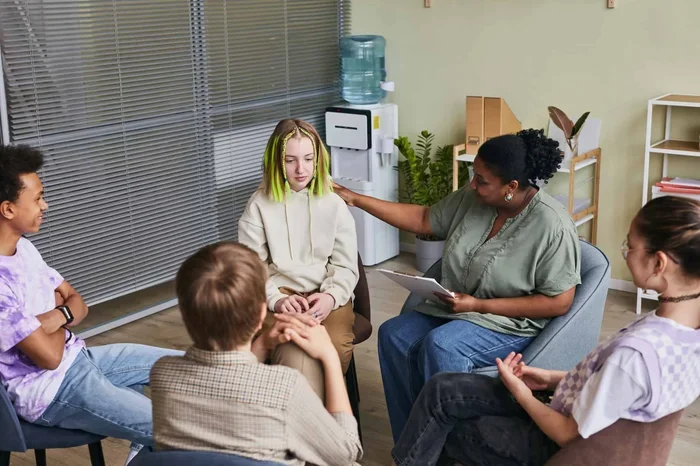
Visual guide about teens doing mental health activities
Image source: find-a-therapist.com
Morning Grounding Routines
How a teen starts the day sets the tone for everything that follows. A rushed, chaotic morning can spike anxiety before school even begins. A calm, intentional start does the opposite. Try these simple morning habits:
- Deep breathing for two minutes: Slow breaths signal the nervous system to relax.
- Stretching or light movement: Waking up the body helps clear mental fog.
- Writing down one intention: A single goal for the day creates focus and purpose.
- Drinking water before scrolling: Hydration supports brain function and mood stability.
These habits take less than ten minutes total. Yet they can shift a teen’s mindset from reactive to ready. Consistency matters more than perfection. Even doing one of these activities most days builds a stronger foundation.
Evening Wind-Down Practices
Sleep and mental health are deeply connected. Teens who scroll late into the night often struggle with restlessness and irritability the next day. A calming evening routine helps the brain transition into rest mode. Consider these wind-down ideas:
- Putting phones away thirty minutes before bed: Less screen time means better sleep quality.
- Reading something light: A book or magazine gives the mind a gentle focus point.
- Listing three good things from the day: Gratitude practice shifts attention away from stress.
- Listening to calm music or white noise: Soothing sounds help the body relax.
Teens who protect their sleep often notice better mood, sharper focus, and more patience. These evening habits are some of the most powerful mental health activities for teens because they support the body’s natural recovery process.
Creative Outlets That Help Teens Express Emotions
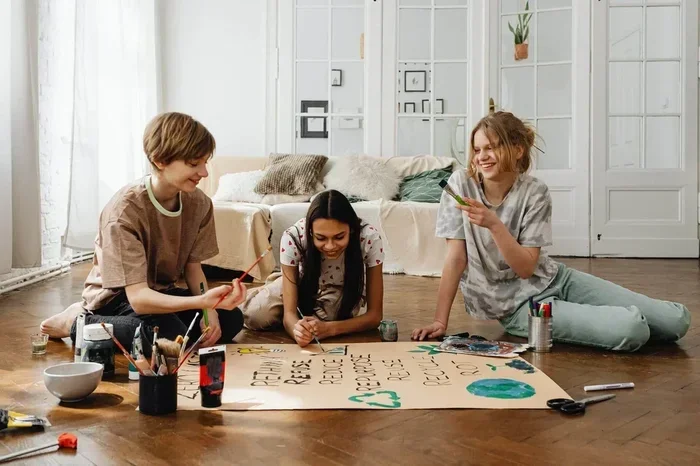
Not every teen feels comfortable talking about their feelings. Some struggle to find the right words. Others worry about being judged. Creative activities offer a safe bridge. They let teens process emotions without pressure. Art, music, and writing are excellent mental health activities for teens because they work on a deeper level than conversation alone.

Visual guide about teens doing mental health activities
Image source: mrscsolutions.com
Journaling for Clarity and Calm
Writing gives thoughts a place to land. When worries stay trapped in the head, they tend to grow bigger. Putting them on paper makes them feel more manageable. Teens can try different journaling styles:
- Brain dump journaling: Write everything on your mind without editing. Just get it out.
- Gratitude journaling: List a few things you appreciated today, no matter how small.
- Prompt-based journaling: Use questions like “What made me feel safe today?” or “What am I avoiding?”
- Letter writing: Write a letter to your future self or to someone you have conflict with (you do not have to send it).
The best part about journaling is that it is private. No one else has to read it. That freedom often helps teens be more honest with themselves. Over time, patterns emerge. Teens start to see what triggers their stress and what helps them feel better.
Art and Music as Emotional Release
Creative expression does not require talent. It only requires a willingness to try. Drawing, painting, playing an instrument, or even listening to music with intention can shift mood quickly. These activities engage different parts of the brain and give emotions a physical form.
Some teens prefer to create. Others prefer to consume art that reflects their feelings. Both approaches are valid. A teen who feels angry might pound clay or blast loud music. A teen who feels sad might sketch quietly or listen to soothing songs. The medium matters less than the result: a release of pressure and a chance to understand what is happening inside.
Quick Tips for Creative Mental Health Activities
- Keep supplies easy to access. A notebook on the bed is more likely to get used than one hidden in a drawer.
- Focus on process, not product. The goal is expression, not perfection.
- Try new mediums without pressure. Teens may surprise themselves with what resonates.
- Use creative time as a screen-free break. It gives the brain a different kind of rest.
Movement and Physical Activities That Boost Mood
The body and mind are tightly connected. When teens move their bodies, their brains release chemicals that improve mood and reduce stress. That is why physical activity is one of the most reliable mental health activities for teens. Movement does not have to mean intense workouts or team sports. Any activity that gets the body engaged can help.
Visual guide about teens doing mental health activities
Image source: mentalhealthcenterkids.com
Why Exercise Helps Mental Health
Physical activity triggers the release of endorphins, which are natural mood lifters. It also lowers stress hormones like cortisol. Regular movement improves sleep, boosts confidence, and gives teens a sense of accomplishment. Even a short walk can reset a bad mood. The key is finding activities that feel enjoyable, not punishing.
Teen-Friendly Movement Ideas
- Walking or hiking: Fresh air and changing scenery calm the nervous system.
- Dancing: Moving to music is fun and releases tension naturally.
- Yoga or stretching: These practices combine movement with breath awareness.
- Biking: A simple ride can clear the mind and build energy.
- Team sports or casual games: Social movement builds connection and confidence.
- Gardening or outdoor chores: Physical tasks with visible results can feel grounding.
Teens who resist traditional exercise often respond better to movement that feels playful or purposeful. The goal is to help them see activity as a tool for feeling better, not a chore to complete.
Building a Movement Habit Without Pressure
Forcing teens into workouts they hate backfires. Instead, invite exploration. Let them try different activities and notice what feels good. Some teens love the social side of group activities. Others prefer solo walks with headphones. Both are valid. The best movement habit is the one a teen will actually keep doing.
Parents can support this by modeling active habits themselves. A family walk after dinner or a weekend hike creates connection and movement at the same time. Teens are more likely to adopt habits they see valued at home.
Social Connection and Support Systems
Humans are wired for connection. Teens who feel isolated often struggle more with anxiety and depression. Strong relationships act as a buffer against stress. That is why social mental health activities for teens deserve serious attention. Connection does not always mean big group events. Sometimes it means one good conversation or a shared activity with someone who feels safe.
Building Healthy Friendships
Not all social time is equal. Teens need relationships where they feel seen and respected. Healthy friendships allow teens to be themselves without performance or pressure. Parents can encourage this by helping teens find clubs, teams, or groups that match their interests. Shared activities make it easier to build natural connections.
Teens can also practice small social habits that strengthen bonds:
- Checking in regularly: A simple text or call shows care and keeps connections alive.
- Listening without fixing: Sometimes friends just need to be heard, not solved.
- Setting boundaries: Saying no to things that feel wrong protects mental energy.
- Being honest about feelings: Vulnerability builds trust over time.
When to Seek Extra Support
Sometimes activities and friendships are not enough. Teens who feel persistently sad, anxious, or disconnected may need professional help. Therapy is a strong tool, not a last resort. It gives teens a dedicated space to understand themselves and learn coping skills with guidance.
If a teen refuses help at first, that is common. Patience and gentle encouragement work better than pressure. Adults can normalize therapy by talking about it openly and removing stigma. For more guidance on this, you can read about how to get someone mental help when they refuse. The earlier teens get support, the easier it is to build healthy patterns.
Mindfulness and Relaxation Techniques for Teens
Mindfulness sounds complicated, but it is really just paying attention to the present moment without judgment. For teens whose minds race from one worry to the next, this skill can be transformative. Mindfulness is one of the most flexible mental health activities for teens because it can be practiced anywhere, anytime.
Breathing Exercises That Calm the Nervous System
Breathing is the fastest way to signal safety to the body. When teens feel panicked or overwhelmed, their breathing often becomes shallow and fast. Slowing it down reverses that stress response. Try these simple techniques:
- Box breathing: Inhale for four counts, hold for four, exhale for four, hold for four. Repeat.
- 4-7-8 breathing: Inhale for four, hold for seven, exhale for eight. This longer exhale promotes relaxation.
- Belly breathing: Place a hand on the stomach and feel it rise and fall with each breath.
These exercises take less than a minute. Teens can use them before a test, during a conflict, or anytime stress spikes. The more they practice, the easier it becomes to access calm under pressure.
Grounding Techniques for Anxiety Spikes
When anxiety feels intense, grounding brings attention back to the present. A common method is the 5-4-3-2-1 technique:
- 5 things you can see
- 4 things you can touch
- 3 things you can hear
- 2 things you can smell
- 1 thing you can taste
This exercise interrupts spiraling thoughts by forcing the brain to notice immediate sensory details. It is simple, private, and effective. Teens can use it in class, at home, or in social situations where they feel overwhelmed.
Creating a Calm Space at Home
Environment affects mental state. A cluttered, noisy space can keep the brain on high alert. A calm corner gives teens a place to reset. This does not require a big room or expensive decor. A chair with a blanket, a small plant, a favorite book, or headphones can create a retreat. The point is to have a designated spot for decompressing.
Teens who have a go-to calm space are more likely to use it when they need it. It becomes a physical cue that rest is allowed and self-care is normal.
Common Mistakes to Avoid
- Treating mental health activities like a punishment: Framing them as a consequence creates resistance.
- Expecting instant results: Habits build slowly. Patience prevents frustration.
- Ignoring teen input: Activities imposed without choice rarely stick.
- Comparing teens to each other: Every person’s mental health journey is different.
- Waiting for a crisis to act: Prevention is easier than recovery.
Expert Insights on Teen Mental Health Habits
Professionals who work with teens often emphasize consistency over intensity. Small, regular practices beat occasional big efforts. They also stress the importance of autonomy. Teens are more likely to maintain habits they choose themselves. When adults act as guides instead of directors, teens take more ownership of their well-being.
Another key insight is that mental health is not separate from daily life. It shows up in sleep, food, movement, relationships, and how teens talk to themselves. Supporting teen mental wellness means looking at the whole picture, not just one activity. A teen who sleeps better, moves more, and feels heard will usually handle stress more effectively.
Experts also note that adults should model healthy habits themselves. Teens watch how the people around them handle stress. When parents practice breathing, set boundaries, and ask for help when needed, teens learn that these behaviors are normal and valuable.
Key Takeaways
Key Takeaways
- Start small and stay consistent: Five minutes of daily practice builds stronger habits than occasional long sessions.
- Match activities to the teen: Personality, interests, and stress triggers should guide the choices.
- Use creative outlets for expression: Journaling, art, and music help teens process feelings without pressure.
- Move the body to lift the mood: Walking, dancing, and stretching release natural stress relievers.
- Prioritize connection: Healthy relationships and open communication protect mental wellness.
- Teach mindfulness early: Breathing and grounding techniques give teens tools for high-stress moments.
- Seek professional support when needed: Therapy and counseling are valuable additions, not signs of failure.
Conclusion
Supporting teen mental wellness does not require perfect conditions or expensive programs. It starts with simple, repeatable mental health activities for teens that fit into real life. Breathing exercises, journaling, movement, creative expression, and strong relationships all work together to build resilience. The goal is not to eliminate stress completely. The goal is to give teens tools to navigate it with confidence.
When adults offer choices, model healthy habits, and stay patient, teens are more likely to engage. Mental health is a practice, not a destination. Every small step counts. With the right support, teens can learn to care for their minds the same way they care for everything else that matters.
Frequently Asked Questions
What are the best mental health activities for teens who resist talking about feelings?
Teens who do not want to talk often respond well to creative and physical outlets. Journaling, drawing, music, walking, and breathing exercises let them process emotions without pressure. These activities work because they do not require verbal vulnerability right away.
How much time should teens spend on mental health activities each day?
Even five to ten minutes a day can make a real difference. The key is consistency, not duration. Short daily habits build stronger coping skills than occasional long sessions. Teens can start small and increase time as the habit feels natural.
Can exercise really improve teen mental health?
Yes, movement releases endorphins and lowers stress hormones, which improves mood and reduces anxiety. It also supports better sleep and confidence. The best exercise is the one a teen enjoys enough to keep doing, whether that is walking, dancing, or playing a sport.
What if a teen refuses to try any mental health activities?
Resistance is common, especially if activities feel forced or judgmental. Start with low-pressure options and let the teen choose what feels safe. Modeling healthy habits yourself and keeping the conversation open can help over time. If needed, professional guidance can provide extra support.
Are mindfulness and breathing exercises effective for teen anxiety?
Yes, these techniques calm the nervous system quickly and help interrupt spiraling thoughts. They are especially useful during tests, conflicts, or social stress. Simple practices like box breathing or the 5-4-3-2-1 grounding method are easy to learn and use anywhere.
When should parents worry and seek professional help for their teen?
Parents should seek help if a teen shows persistent sadness, withdrawal, sleep changes, anger, or talk of hopelessness that does not improve. Therapy is a proactive tool, not a last resort. Early support helps teens build skills before small struggles become bigger problems.
