
Finding your spirit animal can feel like a mystical journey, but it is really about understanding yourself better. Your spirit animal reflects your inner traits, emotions, and life path in ways you might not notice. When you learn how to know your spirit animal, you gain clarity about your strengths and challenges. This guide will walk you through simple signs, meditation practices, and real-life examples that make the process clear and personal.
Many people hear the phrase spirit animal and think of trendy internet posts or catchy memes. But the real idea goes much deeper than a funny caption. A spirit animal is often seen as a guide, a mirror, or a symbol that connects to your inner world. It can reflect how you move through life, what you value, and what strengths you already carry. If you have ever wondered how to know your spirit animal, you are not alone. This question usually comes from a desire for more self-understanding, not just a fun label.
The journey starts with curiosity. You do not need special powers or a complicated ritual to begin. You only need attention, patience, and a willingness to notice patterns. Some people feel drawn to a certain animal for years. Others notice repeated appearances in dreams, stories, or everyday life. Those clues can matter more than you might expect. The goal is not to force an answer, but to create space for one to emerge.
In this guide, we will keep things simple and practical. You will learn what a spirit animal can represent, how people notice signs, and what steps can help you explore the idea with confidence. We will also look at common mistakes, helpful habits, and a few questions that can clarify your thoughts. By the end, you should have a clearer sense of how to know your spirit animal in a way that feels personal and grounded.
Key Takeaways
- Spirit animals reflect your personality: Your animal guide often mirrors your core traits, habits, and emotional patterns.
- Dreams and repeated encounters matter: Seeing the same animal often in dreams or daily life can signal a strong connection.
- Meditation helps reveal your guide: Quiet reflection and focused breathing can open your mind to animal symbolism.
- Personal resonance beats random lists: The right spirit animal feels meaningful to you, not just popular or trendy.
- Journaling tracks patterns over time: Writing down animal sightings and feelings helps you notice recurring themes.
- Spirit animals can shift with life stages: Your guide may change as you grow, face new challenges, or enter new chapters.
- Respect the symbolism, not the stereotype: Learn the deeper meaning of each animal instead of relying on surface-level traits.
📑 Table of Contents
- What Is a Spirit Animal and Why Does It Matter
- Common Signs People Notice When Exploring Spirit Animals
- How to Know Your Spirit Animal Through Reflection and Observation
- Meditation, Stillness, and Inner Listening
- How to Work With Your Spirit Animal Meaningfully
- Quick Tips for Staying Grounded
- Common Mistakes to Watch For
- Expert Insights and Final Thoughts
What Is a Spirit Animal and Why Does It Matter
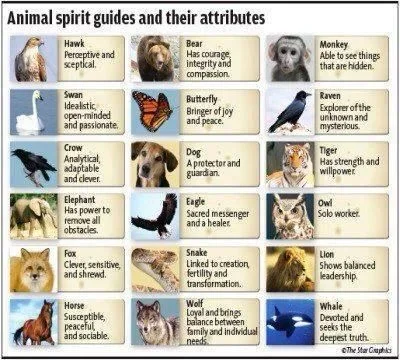
A spirit animal is usually understood as an animal that represents qualities, energies, or lessons connected to a person. Different traditions and cultures view this idea in different ways. Some people see it as a spiritual guide. Others treat it as a symbolic tool for self-reflection. Either way, the core idea stays similar: the animal stands for something inside you or something you are learning.
This matters because humans often understand themselves better through symbols. A wolf can remind you of loyalty, instinct, or independence. A bear may suggest strength, rest, or quiet confidence. A bird might point to freedom, perspective, or change. These associations are not fixed rules, but they can help you think about your own habits and feelings. When you ask how to know your spirit animal, you are really asking what parts of yourself you may be missing or underestimating.
Symbolism Can Support Self-Reflection
One of the best uses of spirit animal symbolism is self-reflection. It gives you a simple language for traits that may be hard to describe. Maybe you are protective of the people you love. Maybe you value solitude more than social noise. Maybe you adapt quickly when plans change. An animal symbol can make those patterns easier to see.
This does not mean the animal defines you completely. You are always more complex than one symbol. Still, a spirit animal can act like a mirror. It may highlight a strength you forget, a challenge you keep facing, or a quality you want to develop. That is why many people find the idea helpful during times of change or uncertainty.
Cultural Context and Personal Meaning
It helps to remember that animal symbolism appears in many cultures, and each one has its own stories and meanings. What matters most for you is the meaning that feels real in your life. If a certain animal keeps showing up in your thoughts, it may be worth exploring why. The connection does not have to be dramatic to be meaningful. Sometimes it is quiet and steady.
Personal meaning also grows over time. An animal that feels important during one season of life may matter less later. That is normal. Your interests, struggles, and goals change, and your sense of symbolism can change with them. So if you are exploring how to know your spirit animal, think of it as an ongoing conversation rather than a one-time answer.
Common Signs People Notice When Exploring Spirit Animals
People often ask whether there are clear signs that point to a spirit animal. The answer is more subtle than a giant billboard. Signs are usually patterns, not single events. They may appear in your thoughts, habits, dreams, or daily experiences. When you pay attention, these patterns can become easier to recognize.
Visual guide about spiritual animal guide symbolism
Image source: shunspirit.com
Here are some common signs people notice:
- You feel drawn to a certain animal again and again
- You see the same animal in different places or contexts
- The animal appears in your dreams or daydreams
- You admire the animal without knowing exactly why
- The animal seems to match your personality or struggles
- You notice the animal during moments of change or stress
Repeated Encounters and Everyday Patterns
Repeated encounters can be one of the easiest clues to notice. Maybe you keep seeing a certain bird outside your window. Maybe a particular animal appears in books, conversations, or media more often than expected. That does not automatically mean it is your spirit animal, but it may be worth paying attention. Repetition often catches the mind because it feels unusual.
Everyday patterns matter too. Think about the animals you feel calm around, excited by, or even intimidated by. Your reactions can tell you something. If one animal consistently stands out, it may be reflecting a part of your inner life. That is why many people begin their search by asking, how to know your spirit animal, and end up noticing their own reactions first.
Dreams, Intuition, and Emotional Pull
Dreams are another common place where people notice animal symbolism. A dream animal may feel vivid, strange, or emotionally strong. Sometimes it acts in ways that remind you of yourself. Other times it represents a feeling you have not fully named yet. Dreams are not literal instructions, but they can offer useful clues.
Intuition also plays a role. Some people simply feel a quiet pull toward one animal more than others. That feeling may not come with a long explanation. It may just feel right. Trusting that feeling can be part of the process, as long as you stay balanced and do not treat every thought as a final answer. A strong emotional pull is worth exploring, especially if it keeps returning.
How to Know Your Spirit Animal Through Reflection and Observation
If you want a practical way to begin, start with observation. This is often more helpful than chasing dramatic signs. Write down what you notice, when you notice it, and how it makes you feel. Over time, patterns become clearer. Reflection turns random thoughts into useful information.
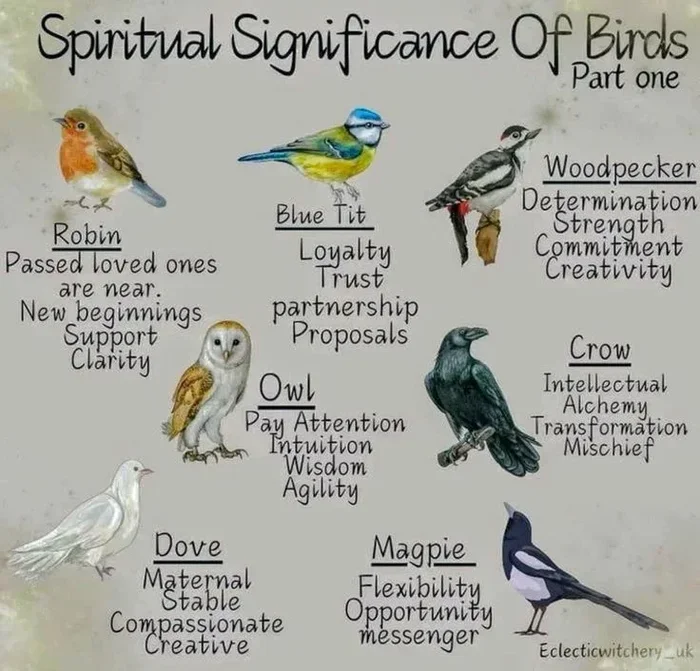
Visual guide about spiritual animal guide symbolism
Image source: i.pinimg.com
A simple way to reflect is to ask yourself a few questions:
- Which animal do I naturally admire?
- Which animal feels familiar when I think about my personality?
- When do I notice certain animals most often?
- What qualities do I associate with that animal?
- Do those qualities match what I value or struggle with?
Journaling Your Thoughts and Recurring Themes
Journaling is one of the easiest tools for this process. You do not need fancy prompts or long entries. Just note what comes up. If a certain animal appears in your thoughts, write it down. If you feel a strong reaction to an animal image, record that too. Include the setting, your mood, and any memories connected to it.
After a few weeks, review your notes. Look for repeated animals, repeated feelings, or repeated situations. You may notice that one animal keeps showing up during times when you need courage, rest, or focus. That can be a meaningful clue. Journaling helps you slow down and see patterns that daily life often hides.
Noticing Strengths, Struggles, and Personal Traits
Another helpful step is to match the animal with your own traits. Ask where you are resilient, cautious, playful, protective, or independent. Then see which animal feels connected to those qualities. For example, if you often adapt quickly and move between different social settings, you might relate to animals known for flexibility. If you are deeply loyal to a small circle, you may connect with animals that travel in close groups.
This is not about forcing a perfect match. It is about finding a symbol that helps you understand yourself better. The right spirit animal should feel useful, not random. If it helps you notice your strengths or face your struggles with more clarity, then it is doing its job. That is a big part of how to know your spirit animal in a grounded way.
Meditation, Stillness, and Inner Listening
Quiet time can make a big difference. When your mind is crowded, it is harder to notice subtle patterns. Meditation or simple stillness gives your thoughts room to settle. You do not need a complicated practice. Even a few minutes of focused breathing can help.
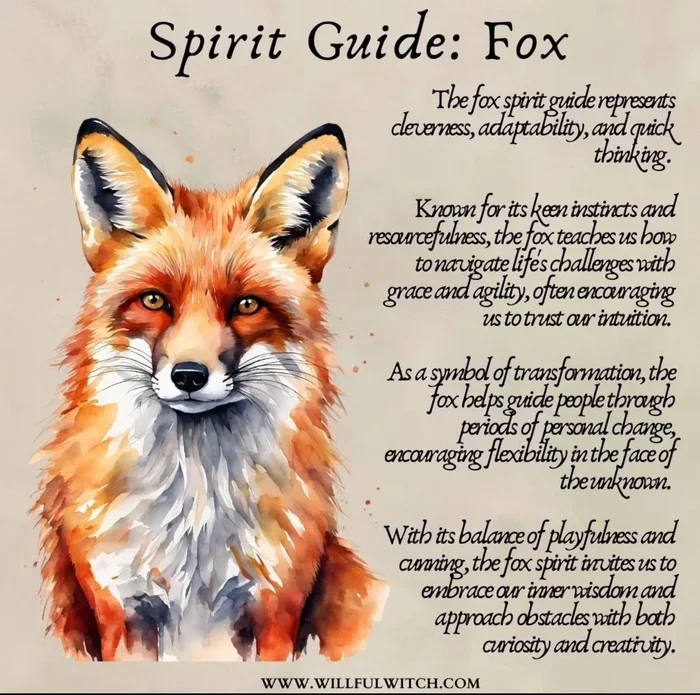
Visual guide about spiritual animal guide symbolism
Image source: i.pinimg.com
Try this basic approach:
- Sit comfortably and close your eyes
- Breathe slowly and steadily
- Let your mind picture a peaceful natural setting
- Notice if any animal appears in your imagination
- Pay attention to the feeling behind the image, not just the image itself
Guided Visualization and Calm Focus
Guided visualization can be useful if your mind feels too busy. You might imagine walking through a forest, standing near water, or sitting in an open field. Then you simply notice what comes forward. The point is not to control the scene. The point is to stay open. If an animal appears, ask yourself what it feels like. Is it calm, alert, powerful, shy, or playful? Those feelings can matter as much as the animal itself.
Calm focus also helps you separate fantasy from personal insight. Sometimes the first animal that pops into your head is just a passing thought. Other times, it carries a stronger emotional charge. The more you practice stillness, the easier it becomes to tell the difference. Over time, you may notice that one animal keeps returning when your mind is quiet. That repetition can be a meaningful signal.
Letting Meaning Emerge Slowly
A spirit animal connection often grows slowly. It may not feel obvious right away. You might question whether you are imagining things. That is normal. Meaning often becomes clearer after you sit with it for a while. Instead of demanding a quick answer, give yourself time to observe, reflect, and revisit your thoughts.
This patient approach is especially helpful if you are exploring how to know your spirit animal for the first time. Fast answers can be exciting, but slow understanding is often more reliable. Let the symbol prove its relevance through repeated resonance, not just a momentary impression.
How to Work With Your Spirit Animal Meaningfully
Once you feel drawn to a certain animal, the next step is to work with that connection in a healthy way. This does not mean treating the animal like a magic solution. It means using the symbol to encourage awareness, intention, and positive habits. The value lies in what it helps you do in real life.
Here are a few ways people often use spirit animal symbolism:
- As a reminder of personal strengths
- As a prompt for reflection during stress
- As a symbol for goals or values
- As a way to notice repeated life patterns
- As a tool for creativity or journaling
Using Symbolism for Growth and Awareness
If your spirit animal represents courage, you might ask whether you are avoiding something you need to face. If it represents patience, you might check whether you are rushing through a decision. If it represents adaptability, you might notice where you resist change. In this way, the animal becomes a gentle prompt, not a command.
This kind of use keeps the idea practical. It connects symbolism to everyday choices. That matters because personal growth usually comes from small repeated actions, not from one dramatic revelation. When you use your spirit animal as a reminder, it can support awareness without becoming overwhelming.
Avoiding Overthinking and Forced Meanings
A common mistake is trying too hard to make every detail fit. You do not need to explain every sighting, dream, or feeling as part of a grand plan. Sometimes an animal appears simply because it is part of nature, a story, or a passing thought. Balance is important. Stay open, but do not twist reality to match a preferred story.
Another mistake is copying someone else’s meaning without checking whether it fits you. A symbol that feels powerful to one person may not feel right to another. Your spirit animal should make sense in the context of your life, your emotions, and your experiences. If you stay honest and curious, you are much more likely to find a connection that feels real.
Quick Tips for Staying Grounded
If you want to keep this process healthy and clear, a few simple habits help:
- Write down what you notice instead of relying on memory
- Look for patterns over weeks, not just one day
- Stay skeptical of dramatic claims that demand instant belief
- Focus on what the symbol teaches you about yourself
- Revisit your ideas as you grow and change
These small habits keep the experience grounded. They also make it easier to answer how to know your spirit animal without drifting into confusion or wishful thinking. The goal is clarity, not mystery for its own sake.
Common Mistakes to Watch For
Even a simple practice can go off track if you are not careful. Here are a few common mistakes:
- Treating every coincidence as a sign
- Choosing an animal only because it looks cool
- Ignoring the emotional meaning behind the symbol
- Using spirit animal ideas to avoid real-life responsibility
- Forcing a meaning that does not actually fit
When you avoid these traps, the process becomes more useful. You stay connected to your own experience instead of chasing a fantasy. That is the healthiest way to explore animal symbolism.
Expert Insights and Final Thoughts
Many people find that spirit animal exploration works best when it is tied to self-awareness. The animal is not there to replace your judgment. It is there to support it. If you use it as a mirror, a reminder, or a prompt for reflection, it can be a meaningful part of your personal growth.
Remember that the question how to know your spirit animal is really a question about attention. What do you notice? What keeps returning? What feels emotionally true? Those answers often matter more than any checklist. Stay curious, stay patient, and let the meaning develop in a way that fits your life.
If you take one thing from this guide, let it be this: a spirit animal is most helpful when it helps you understand yourself more clearly. When you approach it with honesty, observation, and calm reflection, the process can become a simple but powerful tool for insight.
Frequently Asked Questions
How do I start figuring out my spirit animal?
Begin by noticing which animals you feel drawn to, see repeatedly, or connect with emotionally. Journaling those reactions over time often reveals patterns. The process works best when you stay curious instead of forcing an answer.
Can a spirit animal change over time?
Yes, many people find that their connection shifts as they grow or face new life stages. An animal that feels meaningful during one season may matter less later. That is normal and does not make your earlier connection invalid.
What if I feel drawn to more than one animal?
That can happen, especially if different animals reflect different parts of your personality. You can pay attention to which one shows up most often or feels strongest in certain situations. Sometimes one animal is simply more relevant to your current life chapter.
Do dreams really matter when finding a spirit animal?
Dreams can matter because they sometimes bring up repeated symbols or strong emotions. Still, they are best used as clues, not final proof. If a dream animal keeps appearing or leaves a lasting feeling, it may be worth reflecting on.
Is my spirit animal the same as my favorite animal?
Not always. A favorite animal may be chosen because it looks cool or cute, while a spirit animal usually carries deeper personal meaning. The right connection often feels emotionally resonant, not just visually appealing.
What if I do not feel any strong connection to animals?
That is okay too. You can still explore the idea through reflection, observation, and quiet attention. Sometimes the connection is subtle at first and becomes clearer after you slow down and notice your responses.
