
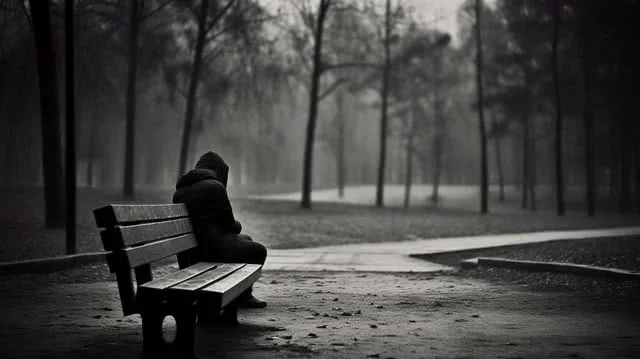
Some people genuinely prefer solitude, while others withdraw due to past hurt, anxiety, or shifting life priorities. Understanding the real reasons behind why would someone not want friends helps you respond with empathy instead of frustration. This guide explores the emotional, psychological, and practical factors that shape social preferences, so you can navigate your own relationships with clarity and confidence.
Friendship feels like a natural part of life for many people. We share stories, laugh together, and rely on each other during hard times. Yet some people actively avoid making friends or keep their social circles very small. This can feel confusing, especially when you care about someone who seems distant. You might wonder why would someone not want friends and whether something is wrong. The truth is that human connection looks different for everyone. Some people thrive in quiet independence. Others carry emotional wounds that make socializing feel risky. Many simply prioritize other parts of life. Understanding these differences helps you respond with patience instead of pressure.
It also helps to remember that choosing solitude is not always a sign of brokenness. Sometimes it is a healthy boundary. Sometimes it is a temporary phase. And sometimes it reflects a personality that simply values depth over breadth. If you are trying to understand a friend, a partner, or even yourself, this guide breaks down the most common reasons behind social withdrawal. You will also find practical ways to support someone who prefers distance, along with gentle questions to help you reflect on your own social needs.
Key Takeaways
- Understanding social withdrawal: Not wanting friends often stems from past trauma, social anxiety, or a natural preference for solitude rather than a personal rejection.
- Personality differences matter: Introverts, highly sensitive people, and those with secure independence may simply need less social interaction to feel fulfilled.
- Mental health plays a role: Depression, burnout, and chronic stress can temporarily or permanently reduce the desire for social connection.
- Past relationship patterns influence choices: Betrayal, toxic friendships, or inconsistent support often lead people to protect themselves by stepping away.
- Life transitions shift priorities: Career changes, parenting, grief, or spiritual growth can naturally redirect energy away from friendships.
- Respecting boundaries builds healthier dynamics: Pressuring someone to socialize often backfires, while gentle support and patience create safer spaces for connection.
- Self-reflection helps clarify your own needs: Exploring why you feel lonely or disconnected can reveal whether you need deeper friendships or simply different social rhythms.
📑 Table of Contents
Understanding Why Would Someone Not Want Friends
When you ask why would someone not want friends, the answer usually depends on the person’s history, personality, and current life situation. People do not usually wake up and decide to avoid connection for no reason. More often, they make quiet choices based on how social interaction feels to them. For some, spending time with others drains their energy. For others, past experiences taught them that friendship brings disappointment. And for many, life has become so full that friendship feels like another obligation rather than a joy.
The Difference Between Solitude and Isolation
It helps to separate solitude from isolation. Solitude is a chosen state. A person may enjoy reading, walking alone, or spending weekends without plans. That choice can feel restorative. Isolation, on the other hand, often feels forced or painful. Someone may want connection but feel unable to reach out. They may fear rejection, feel ashamed, or simply not know how to start. If you are trying to understand someone’s behavior, notice whether they seem peaceful alone or whether they seem stuck in loneliness. The difference matters.
Why Social Preferences Vary So Much
People also have different social baselines. Some individuals feel best with lots of interaction. Others feel best with very little. Neither style is wrong. A person who needs less social contact may still care deeply about others. They may just express care in quieter ways. They might check in occasionally, remember important details, or show up when it truly matters. If you expect everyone to socialize the same way, it becomes easy to misread their intentions.
Quick Tips for Reading Social Cues
- Notice consistency: Does the person consistently prefer alone time, or has their behavior changed recently?
- Watch for warmth: Someone can be private and still show kindness, curiosity, and care.
- Avoid assumptions: Quiet does not automatically mean unhappy, and social does not automatically mean healthy.
- Ask gently: A simple question like “Do you feel better with more space or more time together?” can open a honest conversation.
Past Hurt and Emotional Protection
One of the most common reasons behind why would someone not want friends is emotional protection. Friendship requires vulnerability. You share interests, personal stories, hopes, and sometimes fears. That openness can feel wonderful, but it also creates risk. If someone has been betrayed, ignored, or let down repeatedly, they may decide that silence feels safer than trust. This does not mean they do not value connection. It often means they are trying to avoid more pain.
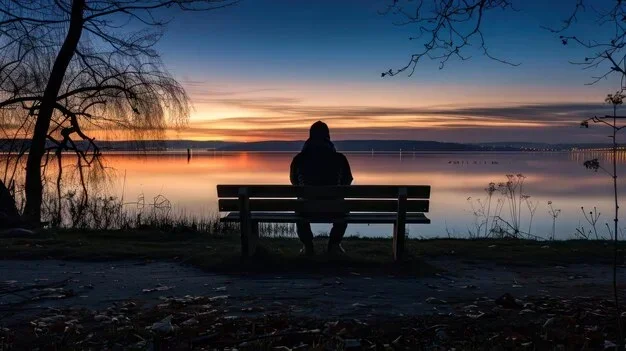
Visual guide about lonely person sitting alone
Image source: img.freepik.com
How Toxic Friendships Shape Future Choices
Not all friendships are healthy. Some people experience one-sided relationships where they give more than they receive. Others encounter gossip, manipulation, or constant competition. Over time, these experiences can teach a person to keep their guard up. They may stop reaching out because they do not want to be used again. They may also struggle to believe that genuine friendship exists. If this sounds familiar, it is important to recognize that healing takes time. Trust is not rebuilt through pressure. It is rebuilt through consistency, safety, and respect.
When Boundaries Become Walls
Healthy boundaries help people protect their energy and values. But sometimes boundaries harden into walls. A person may say they do not want friends because that feels easier than risking another disappointment. They may push people away before they can be rejected. This pattern can be especially painful for the people around them. If you care about someone like this, remember that you cannot force openness. You can only offer steady kindness and let them know you are not demanding anything from them.
Practical Ways to Respond with Care
- Do not take withdrawal personally: Their distance may be about past pain, not about your worth.
- Keep invitations low-pressure: Give them room to say no without guilt.
- Be consistent: Small, reliable actions often speak louder than grand gestures.
- Respect pacing: Trust grows slowly, especially after hurt.
Personality, Temperament, and Natural Social Needs
Another important piece of why would someone not want friends is temperament. Some people are naturally more inward-focused. They may think deeply, enjoy quiet routines, and feel most themselves when they have space. This is not a defect. It is simply a different way of moving through the world. These individuals may still enjoy companionship, but they often prefer fewer people and less frequent interaction.

Visual guide about lonely person sitting alone
Image source: thumbs.dreamstime.com
Introversion, Sensitivity, and Energy Limits
Introversion is often misunderstood. It is not the same as shyness, and it is not the same as dislike. Many introverts enjoy people but need recovery time afterward. Highly sensitive people may also feel overwhelmed by loud environments, emotional drama, or constant social demands. If someone has a limited social battery, they may choose to keep friendships minimal so they can protect their energy for work, family, or personal goals.
People Who Prefer Depth Over Breadth
Some individuals are simply selective. They would rather have one or two trusted people than a wide circle of acquaintances. They may value honesty, loyalty, and calm more than excitement or novelty. This can make them seem distant, especially if they decline group events or keep conversations light. In reality, they may be guarding the quality of their connections. They may not want casual socializing because it does not meet their needs.
Comparison: Different Social Styles
| Social Style | What It Often Looks Like | Common Misunderstanding |
|---|---|---|
| Introverted | Prefers smaller groups, needs downtime, enjoys quiet activities | Mistaken for unfriendliness or disinterest |
| Highly sensitive | Reacts strongly to noise, conflict, or emotional intensity | Mistaken for being overly dramatic or avoidant |
| Selective | Keeps a small circle, values deep trust over popularity | Mistaken for being aloof or hard to know |
| Independent | Enjoys self-directed routines, feels complete with less contact | Mistaken for not caring about others |
Quick Tips for Understanding Different Styles
- Notice how someone recharges: Alone time may be restorative, not rejecting.
- Pay attention to preferences: Some people prefer one-on-one time over group settings.
- Avoid comparing: Their social rhythm does not need to match yours.
- Value quality: A small, steady connection can matter more than frequent interaction.
Mental Health, Stress, and Life Transitions
Sometimes the answer to why would someone not want friends has less to do with personality and more to do with mental load. Depression, anxiety, grief, burnout, and major life changes can all shrink a person’s capacity for socializing. When someone is overwhelmed, friendship can feel like another task on an already full list. They may still care about people, but they simply do not have the emotional bandwidth to show it in usual ways.
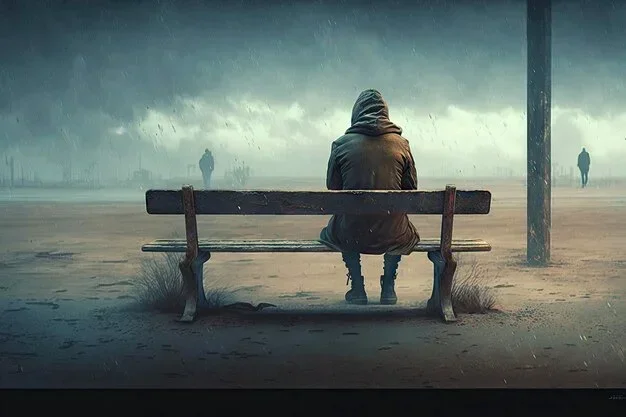
Visual guide about lonely person sitting alone
Image source: img.freepik.com
Depression and the Loss of Social Energy
Depression often changes how a person experiences connection. Activities that once felt easy may now feel exhausting. Conversations may feel difficult. Even simple texts can seem like too much. A person may isolate not because they want to, but because they feel numb, hopeless, or disconnected from themselves. If you notice this pattern in someone you care about, kindness matters more than persuasion. Gentle check-ins, without demands, can be more supportive than trying to “fix” their withdrawal.
Anxiety and the Fear of Social Mistakes
Social anxiety can make friendship feel risky. A person may worry about saying the wrong thing, being judged, or not being interesting enough. Over time, that fear can lead them to avoid situations where they might be evaluated. They may decline invitations, keep conversations short, or stay silent in groups. This can create a painful loop: anxiety leads to avoidance, and avoidance leads to more loneliness. If this resonates, it may help to remember that many people struggle with these fears privately.
Life Transitions That Change Priorities
Big changes can also reshape social habits. A new job, a move, a breakup, a baby, a health issue, or a loss can all shift a person’s focus. During these seasons, survival and adjustment often take priority over socializing. Someone may not be rejecting friendship. They may simply be trying to stay steady. Once the transition settles, their social interest may return. Or it may not, because some transitions change people in lasting ways.
Common Mistakes When Someone Withdraws
- Assuming laziness or coldness: Withdrawal is often about capacity, not character.
- Overwhelming them with attention: Too much pressure can increase stress.
- Taking silence as rejection: Sometimes silence is self-protection, not hostility.
- Trying to force positivity: Toxic optimism can make people feel misunderstood.
When Not Wanting Friends Is a Healthy Choice
It is easy to assume that everyone should want a busy social life, but that is not true. Some people genuinely feel better with limited friendship contact. They may have a strong sense of independence, a rich inner life, or a lifestyle that already meets many of their needs. For them, asking why would someone not want friends may come from the wrong assumption: that friendship is required for a meaningful life. It is not.
People Who Feel Complete on Their Own
Some individuals have strong ties to family, creative work, faith, community, or personal goals. They may feel fulfilled without a large circle of friends. They may enjoy occasional connection without needing constant companionship. This can be especially true for people who have learned to trust themselves and manage their own emotional needs well. Their solitude is not emptiness. It is self-sufficiency.
Choosing Fewer Friends to Protect Quality
A smaller social world can also be a deliberate choice. Someone may decide that they do not want to spread themselves thin across many casual relationships. They may prefer a few reliable connections that feel honest and calm. This can be a wise decision, especially for people who have experienced drama or exhaustion in the past. Quality often matters more than quantity, and some people know that instinctively.
When Independence Looks Like Strength
There is also something powerful about being comfortable alone. A person who can sit with their own thoughts, enjoy their own company, and handle life without constant validation often has a strong inner foundation. That does not mean they should isolate forever. Humans are social beings, and everyone benefits from some level of connection. But comfort with solitude can be a sign of resilience, not brokenness.
Expert Insights on Healthy Solitude
- Solitude can support clarity: Quiet time often helps people process emotions and make decisions.
- Autonomy can reduce dependency: People who enjoy their own company may feel less pressure in relationships.
- Boundaries can prevent resentment: Choosing fewer commitments can protect energy and peace.
- Self-knowledge improves relationships: Understanding your needs helps you connect more honestly.
How to Respond When Someone Pulls Away
If you are asking why would someone not want friends because someone in your life is distancing themselves, your next question may be what to do about it. The best response usually depends on your relationship and their reasons. If they are overwhelmed, gentle support works better than pressure. If they are guarded, consistency matters more than persuasion. If they simply prefer solitude, respect may matter most.
What Helps More Than Pressure
People often withdraw further when they feel cornered. They may sense that their boundaries are being treated like a problem to solve. Instead of trying to convince them to socialize more, focus on making connection feel safe. Keep your tone light. Keep your expectations realistic. Let them know you value them without demanding access to their time or energy.
When to Respect Distance
Sometimes the most loving choice is to step back. If someone has made it clear that they need space, honoring that request can be more supportive than repeated attempts to connect. This does not mean you disappear entirely. It means you leave the door open without standing in the doorway. You can still show care in small ways that do not require a big response.
How to Keep the Door Open Without Pushing
- Send simple messages: Short, warm notes can remind them they are not forgotten.
- Avoid guilt language: Phrases like “You never make time for me” often create defensiveness.
- Offer specific, low-effort options: A walk, a quiet coffee, or a quick call may feel easier than a big event.
- Accept their answer: If they say no, let the refusal be final for now.
What This Means for You
If you are wondering why would someone not want friends because you feel hurt by their distance, it may help to look at your own needs too. Sometimes the pain comes not only from their withdrawal, but from your hope that they would want more connection than they can currently give. That mismatch can be disappointing. It can also be a chance to reflect on what kind of friendship you need and where else you might find it.
Checking Your Own Expectations
It is natural to want closeness, consistency, and reciprocity. But not every person can offer the same level of availability. Some people are simply limited by temperament, stress, or history. If you keep expecting them to act like a more social person, you may end up frustrated. A healthier approach is to match your involvement to what they can realistically offer. That does not mean lowering your standards. It means seeing the relationship clearly.
Building a Wider Support Network
If one person’s distance leaves you feeling alone, it may be time to widen your circle. You do not need to replace them. You may simply need more connection overall. Consider joining a class, a volunteer group, a faith community, or a hobby space where you can meet people with similar interests. Small, repeated interactions often grow into friendships over time. The goal is not to collect friends quickly. The goal is to create chances for natural connection.
Key Takeaways for Navigating Friendship Differences
- Not all distance is rejection: Some people withdraw for protection, energy, or life circumstances.
- Respect reduces pressure: People are more likely to open up when they feel safe.
- Your needs still matter: You can care about someone and still seek connection elsewhere.
- Clarity prevents resentment: Understanding what a relationship can and cannot give helps you adjust expectations.
- Small consistency beats big gestures: Steady kindness often builds trust more effectively than intense effort.
Understanding why would someone not want friends can soften frustration and replace confusion with compassion. Some people need space because they are healing. Some need less social contact because of how they are wired. Some are simply focused on other parts of life. And some truly feel better with a quieter world. None of these reasons make friendship impossible, but they do mean that connection may look different than you expected. When you respond with patience, respect, and honest self-reflection, you create room for healthier relationships, whether that means staying close to the person in question or finding the support you need elsewhere.
Frequently Asked Questions
Why would someone not want friends even if they seem kind?
Some kind people simply prefer less social contact because of their personality, energy limits, or past experiences. Being warm does not always mean someone wants a large or active friendship circle. They may care deeply but still choose a quieter life.
Is it normal to not want friends at some point in life?
Yes, it can be normal, especially during stressful seasons, major transitions, or periods of grief. Some people also naturally need less social interaction than others. The key question is whether the person feels peaceful or stuck in loneliness.
What does it mean when someone avoids friendship after a breakup or betrayal?
It often means they are protecting themselves from more hurt. After disappointment, many people become cautious and pull back to regain emotional safety. That distance can be temporary, but it may take time before they feel ready to trust again.
How do I know if someone does not want friends or just needs space?
Look at the pattern over time. If they seem calm, steady, and content with solitude, they may simply need space. If they seem distressed, disconnected, or increasingly isolated, they may be struggling and could benefit from gentle support.
Should I keep trying to be friends with someone who keeps pulling away?
You can stay kind and keep the door open, but you should not keep pushing if they clearly do not want the same connection. It is healthier to respect their distance while also making sure your own social needs are met elsewhere.
Can someone who does not want friends still be happy?
Yes, many people are happy with limited social contact if that matches their personality and lifestyle. Happiness does not require a large friend group. It usually requires a life that feels meaningful, balanced, and aligned with the person’s needs.
