

When you turn defensive, you put up a wall to protect yourself from perceived criticism or threat. This reaction often blocks honest communication and can quietly damage trust in close relationships. Understanding what does it mean to turn defensive helps you spot triggers early and choose a calmer response. With a few simple shifts, you can replace defensiveness with genuine curiosity and connection.
Have you ever noticed how fast a simple comment can turn into a heated back-and-forth? One moment you are just talking. The next, your mind starts racing, your chest feels tight, and you reach for an excuse before the other person even finishes. That shift is a classic sign that you turn defensive. It happens to almost everyone, especially when emotions run high or the topic feels personal.
The tricky part is that defensiveness often feels like self-protection. You are not trying to cause trouble. You are trying to stay safe. Still, that safety move can quietly block honest conversation and make the other person feel unheard. If you have ever wondered what does it mean to turn defensive, you are not alone. This is one of those relationship habits that shows up in love, friendship, family, and even work.
In this guide, we will break down why this reaction happens, how it shows up in daily life, and what you can do when you feel that wall going up. You will also find simple tools that help you stay grounded during hard conversations. The goal is not to become perfect. The goal is to notice the pattern sooner and choose a better response.
Key Takeaways
- Defensiveness is a protection response: You turn defensive when you feel attacked, judged, or misunderstood.
- It blocks real communication: A defensive stance often stops you from hearing what the other person actually means.
- Triggers are personal: Past wounds, stress, and insecurity can make you react faster than you realize.
- Body signals come first: Tight chest, fast speech, and excuse-making often appear before you notice the shift.
- Curiosity beats defense: Asking clarifying questions helps you stay open instead of shutting down.
- Small pauses create change: A brief breath or timeout can interrupt the defensive spiral.
- Repair matters most: Owning your reaction and returning to the conversation builds trust over time.
📑 Table of Contents
- What Does It Mean to Turn Defensive in Everyday Life
- What Does It Mean to Turn Defensive in Relationships
- What Does It Mean to Turn Defensive When You Feel Misunderstood
- What Does It Mean to Turn Defensive During Conflict
- What Does It Mean to Turn Defensive at Work or With Friends
- Common Mistakes When You Turn Defensive
- Key Takeaways for Breaking the Pattern
What Does It Mean to Turn Defensive in Everyday Life
At its core, turning defensive means you move into protection mode. Your mind and body start working to keep you safe from a perceived threat. That threat might be real, but it might also be a comment, a tone, or a memory that simply feels risky. When this happens, your focus shifts from understanding the other person to defending your own position.
This reaction can look different from person to person. Some people get sharp and argumentative. Others go quiet and shut down. Some start over-explaining every detail. Others blame the other person right away. Even though these responses look different, they often come from the same place: a strong desire to avoid shame, rejection, or conflict.
It helps to remember that defensiveness is not a character flaw. It is a human reaction. The problem starts when it becomes a default setting. If you turn defensive often, conversations can start to feel like battles instead of exchanges. Over time, that pattern can make it harder to solve problems, share feelings, and feel close to the people you care about.
Why It Happens So Fast
Defensiveness often shows up before you even realize what is happening. That is because the brain cares a lot about safety. When it senses criticism, it may treat the moment like a danger signal. In that state, you are more likely to react than reflect. This is one reason people sometimes turn defensive during conversations that were not even meant to be harsh.
A few common reasons this happens quickly include:
- Past emotional wounds: Old experiences can make present comments feel heavier than they are.
- Fear of being wrong: If mistakes feel dangerous, you may defend your view to protect your self-image.
- Stress and fatigue: When you are tired or overwhelmed, your patience gets smaller and your reactions get bigger.
- Feeling misunderstood: If you think the other person is missing your point, you may push back instead of clarifying.
In other words, the reaction is often less about the exact words and more about what those words touch in you. That is why two people can hear the same sentence and respond in completely different ways.
What Does It Mean to Turn Defensive in Relationships
In close relationships, defensiveness can be especially powerful. You care more about these connections, so the stakes feel higher. A small comment from a partner, friend, or family member can feel like a bigger threat than it really is. When you turn defensive in love or friendship, the conversation can quickly lose its warmth.
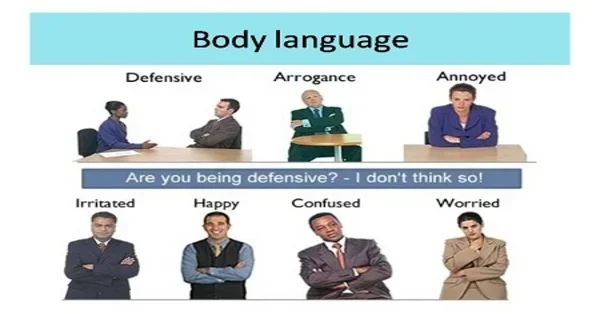
Visual guide about defensive body language concept
Image source: fairgaze.com
This often shows up in everyday moments. Maybe one person brings up a concern about chores, plans, or time together. The other person hears it as an attack on their character. Suddenly, the original issue gets lost. Now the talk is about who is blaming whom, who is right, and who is being unfair. That is a classic defensive spiral.
The hardest part is that defensiveness can create the very distance it tries to prevent. If you are always protecting yourself, the other person may feel they cannot reach you. They may stop sharing concerns, because they expect the conversation to become difficult. Over time, that can leave both people feeling isolated, even if they still care deeply.
Common Signs You Are Turning Defensive
It is not always easy to spot defensiveness while it is happening. The signs can be subtle at first. You might notice a sudden urge to justify yourself. You may feel irritated for no clear reason. You may even feel like the other person is being unfair before you fully understand the issue.
Here are some common signs that you may be shifting into defense mode:
- You explain before you listen: You start justifying your actions before hearing the full point.
- You hear criticism everywhere: Neutral comments start to feel like personal attacks.
- You bring up old issues: Instead of staying on the current topic, you drag in past mistakes.
- You minimize the other person: You act like their feelings do not matter or their point is silly.
- You feel physically tense: Your jaw tightens, your breathing changes, or your stomach drops.
If you notice these signs, it may be time to pause. That pause is not weakness. It is a way to interrupt the pattern before it grows.
When It Crosses From Protection to Problem
There is a difference between healthy boundaries and defensive shutdown. Boundaries help you say what is okay and what is not. Defensiveness usually tries to avoid discomfort by blocking the message entirely. One protects your values. The other protects your ego.
A helpful question is this: am I trying to stay respectful, or am I trying to win? If you are trying to win, you may be turning defensive without realizing it. Winning can feel good for a moment, but it rarely builds trust. Respect, on the other hand, leaves room for both people to feel seen.
This is especially important when emotions are high. In heated moments, it is easy to confuse self-protection with self-respect. But if every hard conversation turns into a defense battle, the relationship starts carrying too much tension. That is when it becomes a problem worth addressing.
What Does It Mean to Turn Defensive When You Feel Misunderstood
One of the most common triggers for defensiveness is feeling misunderstood. When someone seems to misread your intent, your first instinct may be to correct them quickly. That makes sense. Nobody likes being boxed into the wrong meaning. But if the correction comes too fast or too sharply, it can sound like resistance rather than clarity.
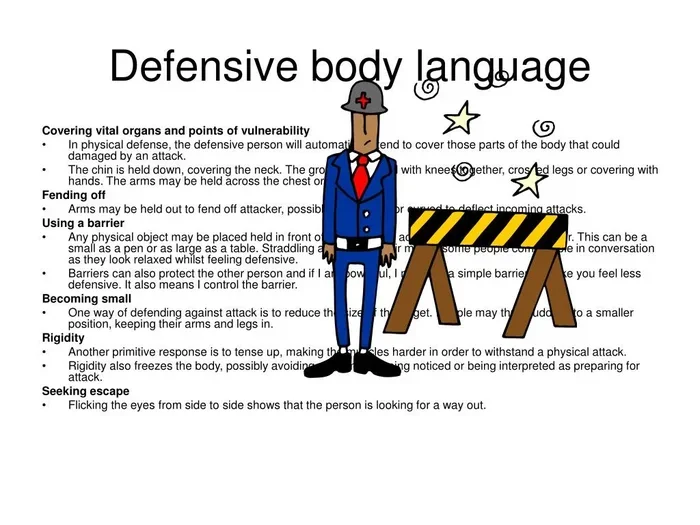
Visual guide about defensive body language concept
Image source: image3.slideserve.com
This is where many conversations go off track. One person says, “I feel like you are not listening.” The other person hears, “You are bad at listening,” and immediately defends themselves. Now the real message is buried under the reaction. The speaker still feels unheard, and the listener feels accused.
If you want to understand what does it mean to turn defensive in these moments, look at the gap between intent and impact. You may have meant one thing. The other person experienced something different. Defensiveness tries to close that gap by arguing, but curiosity often closes it faster.
How to Stay Open Instead
Staying open does not mean agreeing with everything. It means giving the other person a fair chance to be understood before you defend yourself. That small shift can change the whole tone of the conversation.
Try these simple moves when you feel misunderstood:
- Pause before replying: Give yourself a breath so you do not answer on autopilot.
- Repeat what you heard: Say, “So what I am hearing is…” This slows the conversation down.
- Ask for examples: If something feels vague, ask for a specific moment instead of guessing.
- Name your reaction: You can say, “I am feeling defensive right now, so I want to slow down.”
- Separate intent from impact: You can acknowledge their experience even if you did not mean harm.
These steps do not require perfect calm. They only require a little willingness to stay in the conversation long enough to understand it. That is often enough to reduce the defensive edge.
What Does It Mean to Turn Defensive During Conflict
Conflict has a way of pulling out our fastest reactions. When opinions clash, it is easy to feel cornered. If you turn defensive during conflict, you may start collecting evidence to prove your point instead of trying to understand the issue. That can make the disagreement grow larger than the original problem.
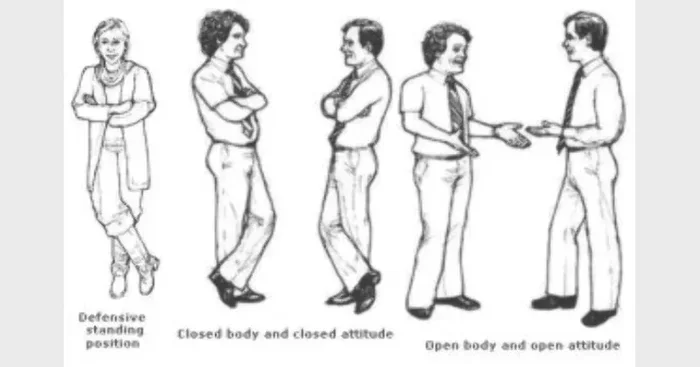
Visual guide about defensive body language concept
Image source: organiser.org
In conflict, defensiveness often sounds like this: “That is not what happened.” “You are exaggerating.” “You do the same thing.” “I only did that because you…” These phrases are not always false. They are just usually unhelpful in the middle of a tense moment. They shift the focus from the present issue to a courtroom-style debate.
The real challenge is that conflict already makes people feel vulnerable. Add defensiveness, and now both people may feel the need to protect themselves. That is why some arguments feel impossible to resolve. The issue is no longer the issue. The issue is the fear underneath the issue.
A Simple Way to Lower the Heat
If you want to interrupt defensiveness during conflict, focus on slowing the pace. Fast reactions usually feed the fire. Slower responses create room for choice. You do not need to become perfectly calm. You only need enough space to avoid saying things you will regret.
A practical approach looks like this:
- Take one breath before answering: This tiny pause can stop an automatic defense.
- Stick to one point: Do not pile every complaint into the moment.
- Use “I” language: Say how you feel instead of labeling the other person.
- Name the goal: Remind yourself that the goal is understanding, not victory.
- Return later if needed: If emotions are too high, pause and revisit the talk when you are steadier.
Conflict does not disappear when you stop defending yourself. In fact, real resolution often becomes more possible once you do. When both people feel less threatened, they can hear each other more clearly.
What Does It Mean to Turn Defensive at Work or With Friends
Defensiveness is not limited to romance or family. It also shows up at work, with friends, and in group settings. At work, it may appear when feedback feels personal or when a project is questioned. With friends, it may show up when you feel judged, excluded, or compared. The setting changes, but the core reaction is similar.
At work, defensiveness can make feedback harder to receive. Instead of treating feedback as information, you may treat it like a threat to your competence. That can slow growth and create tension with coworkers or managers. With friends, defensiveness can make casual comments feel loaded. A joke, a suggestion, or a difference of opinion can suddenly feel like a test.
The good news is that awareness helps in every setting. Once you know your patterns, you can prepare for them. You can notice the situations that tend to trigger you and give yourself a little extra space before reacting.
Quick Tips for Everyday Situations
Here are a few practical ways to reduce defensiveness in daily life:
- Check your stress level first: Hunger, exhaustion, and overwhelm make defensive reactions more likely.
- Separate feedback from identity: A comment about a task is not always a comment about your worth.
- Practice neutral listening: Try to understand the message before judging it.
- Ask for time if needed: It is okay to say, “I want to think about that before I respond.”
- Notice repeat triggers: If the same topic always sets you off, treat it as a clue, not a trap.
These habits take practice. You may not use them every time at first. Still, even one or two can change how a conversation unfolds.
Common Mistakes When You Turn Defensive
When people try to change a defensive pattern, they sometimes make well-meaning mistakes. One common mistake is pretending the reaction is not happening. If you ignore the defensiveness, it usually keeps driving the conversation from the background. Another mistake is turning the moment into self-blame. You do not need to beat yourself up to grow.
Some people also try to fix everything too fast. They may apologize too quickly just to end the tension, without actually understanding the concern. Others may over-correct and become overly passive, which can create a different kind of imbalance. Healthy change is usually more steady than dramatic.
A better approach is to notice the reaction, name it honestly, and choose one small shift. That might mean listening longer. It might mean asking one clarifying question. It might mean taking a break and returning later. Small actions repeated over time create real change.
Expert Insight: Why Curiosity Works Better Than Defense
Curiosity is one of the strongest tools against defensiveness because it changes your focus. Defense asks, “How do I protect myself?” Curiosity asks, “What is actually happening here?” That shift lowers the pressure. It also gives the other person a chance to feel heard, which often reduces their need to push harder.
You can practice curiosity in simple ways. Ask what the other person is most concerned about. Ask what they need from the conversation. Ask what part of the issue matters most to them. These questions do not guarantee agreement, but they do create a more open field for discussion.
If you want a practical reminder, think of defensiveness as a signal, not a sentence. It tells you that something feels important or unsafe. Once you notice that signal, you can respond with more choice.
Key Takeaways for Breaking the Pattern
If you have been asking yourself what does it mean to turn defensive, the short answer is this: it is a protection response that can block connection when it becomes automatic. The longer answer is that you can learn to spot it sooner, slow it down, and respond with more clarity. That work takes patience, but it is very possible.
Here is what matters most:
- Notice the early signs: Tightness, irritation, and fast excuses are clues.
- Pause before reacting: A breath or a short break can change the whole direction.
- Listen for the real concern: Try to understand the message beneath the words.
- Use curiosity instead of combat: Questions often work better than counterattacks.
- Repair when needed: If you do get defensive, own it and return to the conversation.
You do not have to eliminate defensiveness forever. The goal is simply to stop letting it run the show. When you can do that, hard conversations become less threatening and relationships become easier to protect.
Final Thoughts
Defensiveness is common, but it does not have to control your conversations. Once you understand what does it mean to turn defensive, you can start seeing it as a signal instead of a failure. That perspective gives you room to breathe, listen, and choose a better response. Over time, those small choices build trust, reduce tension, and make it easier to stay connected when things get tough.
If you want to go deeper on related relationship patterns, you may find it helpful to read about what it means when a guy wants to cuddle with you, what it means when you dream about someone, how to know if a guy likes you after intimacy, whether it is okay to set boundaries with your friends, and why it is not your job to make others happy. Each of these topics can shed more light on communication, emotional safety, and the way we protect ourselves in connection with others.
Frequently Asked Questions
What does it mean to turn defensive in a conversation?
It usually means you feel threatened or criticized, so you shift into protection mode instead of staying open to the message. This can show up as arguing, explaining too much, shutting down, or blaming the other person.
Why do people turn defensive so quickly?
People often turn defensive quickly because the brain treats criticism like a safety threat. Stress, tiredness, past hurts, and fear of being wrong can all make the reaction happen faster than logic does.
Is turning defensive always a bad thing?
Not always. Sometimes it signals that a boundary is being crossed or that something feels unfair. It becomes a problem when it blocks listening, escalates conflict, or becomes the default response in every hard conversation.
How can I tell if I am turning defensive?
You may notice physical tension, a strong urge to justify yourself, irritation, or a feeling that the other person is attacking you. You might also find yourself focusing on winning the point instead of understanding the concern.
What should I do when I notice I am turning defensive?
Pause, breathe, and slow the conversation down. Try repeating what you heard, asking a clarifying question, or naming your reaction so you can respond more thoughtfully instead of automatically.
Can defensiveness hurt relationships?
Yes, because it can make the other person feel unheard and can turn simple concerns into bigger conflicts. Over time, repeated defensiveness can create distance, even when both people still care about each other.
