
Survival mode keeps your body and mind stuck in constant alert, draining your energy and blocking joy. If you feel exhausted and overwhelmed, you are not alone. This guide shows you how to get out of survival mode with simple, proven steps. You will learn to calm your nervous system, reset your daily habits, and create lasting stability. Start your journey toward peace and strength today.
This is a comprehensive guide about How To Get Out Of Survival Mode.

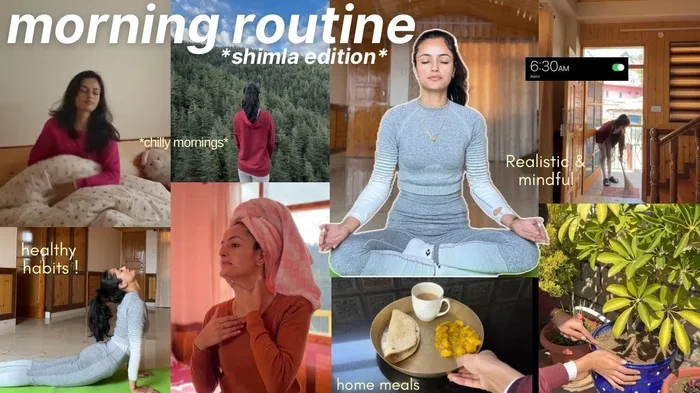
Visual guide about calm peaceful morning routine
Image source: i.ytimg.com
Visual guide about calm peaceful morning routine
Image source: contentmentwithsimplicity.com
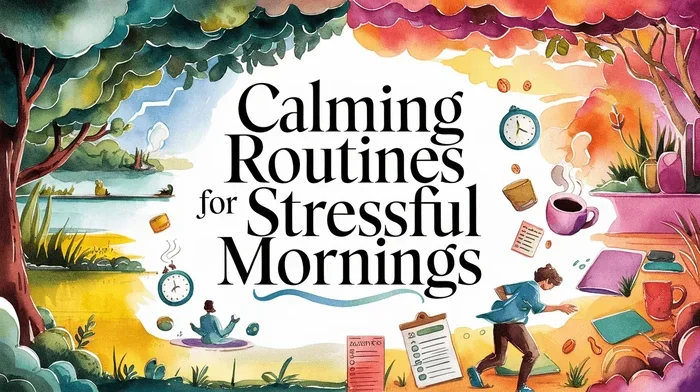
Visual guide about calm peaceful morning routine
Image source: aswellyoushould.com
Key Takeaways
- Survival mode is a stress response. Your body stays on high alert after prolonged hardship, making rest feel unsafe.
- Nervous system regulation comes first. Breathwork, grounding, and gentle movement help your body shift out of fight-or-flight.
- Small routines create safety. Predictable daily habits signal to your brain that you are no longer in danger.
- Support matters. Trusted friends, counselors, and community help you heal faster and stay accountable.
- Self-compassion speeds recovery. Be kind to yourself as you rebuild energy, confidence, and emotional balance.
- Progress is gradual. Healing from chronic stress takes time, patience, and consistent care.
[FEATURED_IMAGE_PLACEHOLDER]
Understanding Survival Mode and How to Get Out of It
Survival mode is what happens when your body and mind stay on high alert for too long. You may feel wired, tired, or numb. Your thoughts race. Your sleep suffers. Even small choices feel heavy. This state often starts after prolonged stress, trauma, or constant uncertainty. Your nervous system learns to protect you by staying ready for danger. The problem is that this protection can outstay its welcome. You keep running as if threats are everywhere, even when life has calmed down.
Learning how to get out of survival mode begins with understanding that this is a normal response, not a personal failure. Your body did its best to keep you safe. Now you can teach it that safety is possible again. The process takes time, but it is very doable. You do not need to fix everything at once. You only need a few steady steps that help your system relax and reset.
In this guide, you will find clear, practical tools. You will learn how to calm your body, simplify your days, and rebuild trust in yourself. You will also see how support, rest, and self-compassion fit into the picture. If you feel stuck in constant stress, this path can help you move toward steadiness and peace.
Signs You Are Still in Survival Mode
The first step is noticing what survival mode looks like in your daily life. People experience it differently, but many share common signs. You may feel these patterns in your body, your thoughts, and your relationships.
Physical Signs
Your body often speaks first. You might notice tight shoulders, a clenched jaw, or a racing heart. Sleep may be shallow or broken. You could wake up tired, even after a full night in bed. Some people get frequent headaches, stomach trouble, or a constant sense of tension. Your energy may spike and crash. You might rely on caffeine, sugar, or scrolling to keep going.
Emotional and Mental Signs
Emotionally, survival mode can feel like irritability, fear, or numbness. You may snap at people you care about. You may also feel detached, as if you are watching life from a distance. Focus can become hard. Memory may feel fuzzy. Simple tasks seem to demand too much effort. You might worry that one more problem will push you over the edge.
Behavioral Signs
Behavior often shifts too. You may say yes to everything, then burn out. Or you may withdraw and avoid people altogether. Decision-making can become exhausting. You might procrastinate because starting feels unsafe. Some people overwork to stay ahead of danger. Others freeze and wait for the next crisis to pass.
If these signs sound familiar, take a breath. Recognizing them is not a setback. It is the beginning of change. Once you can name what is happening, you can start to shift it.
How to Get Out of Survival Mode by Calming Your Nervous System
Your nervous system is the control center for stress and recovery. When it believes danger is near, it keeps you in a protective state. To move out of that state, you need signals of safety. These signals can be physical, mental, and environmental. The goal is not to force calm. The goal is to invite it.
Breath as a Reset Tool
Slow breathing is one of the fastest ways to send a safety message. Try a simple pattern. Inhale through your nose for four counts. Exhale through your mouth for six counts. Repeat this for a few minutes. Longer exhales help your body shift toward rest. You do not need a perfect technique. You only need a gentle rhythm that feels manageable.
Grounding in the Present
Survival mode often pulls you into the past or the future. Grounding brings you back to now. You can try the five-senses check. Name one thing you see. Then one thing you hear. Then one thing you feel. Add one thing you smell and one thing you taste if you can. This simple practice can reduce the sense of immediate threat. It reminds your brain that you are here, and you are okay in this moment.
Gentle Movement
Motion can help complete the stress cycle. You do not need intense workouts. A short walk, stretching, or slow swaying can be enough. The aim is to let your body release stored tension. If exercise feels like pressure, keep it light. Consistency matters more than intensity. Small movements done regularly can help your system learn that activity and safety can coexist.
Quick Tip
Pair breathwork with a calming cue. For example, hold a warm mug, sit near a window, or play soft music. Repeated cues can train your body to associate certain moments with relief.
Building Daily Habits That Create Safety
Safety is not only a feeling. It is also a pattern. Predictable routines tell your brain that life is becoming more stable. You do not need a perfect schedule. You need a few reliable anchors. These anchors help reduce decision fatigue and create a sense of control.
Start With Three Anchors
Choose three simple habits that are easy to repeat. For example, you might drink water soon after waking, take a short walk after lunch, and dim lights at the same time each evening. Keep the bar low. The goal is consistency, not complexity. When these anchors become familiar, they can steady your day.
Simplify Your Choices
Survival mode makes every choice feel urgent. Reduce the load where you can. Plan meals in a basic way. Lay out clothes the night before. Keep a short list of priorities. Fewer decisions mean more energy for what matters. This is not about rigidity. It is about removing unnecessary friction.
Protect Your Sleep
Rest is a cornerstone of recovery. Sleep helps your brain process stress and restore balance. To support it, lower stimulation before bed. Put your phone away a little earlier. Keep your room cool and dark if possible. Create a short wind-down routine. Even ten quiet minutes can help your body prepare for rest.
Quick Tips for a Safer Day
- Keep one consistent wake time. A steady rhythm helps your body trust the day.
- Eat at regular intervals. Stable meals can reduce energy crashes and mood swings.
- Take micro-breaks. Pause for one minute between tasks to relax your shoulders and jaw.
- Limit doomscrolling. Constant alerts can keep your system on edge.
These habits may feel small, but small things add up. Over time, they teach your mind and body that life can be predictable and manageable.
Support, Boundaries, and Self-Compassion
Healing does not happen in isolation. Support can make the journey easier and more sustainable. That support might come from friends, family, a counselor, or a community group. You do not have to carry everything alone. Asking for help is a strength, not a weakness.
Choosing the Right Support
Look for people who listen without rushing you. Good support feels steady, not dramatic. You want listeners who can hold space for your experience. If you are dealing with deep trauma or long-term anxiety, a mental health professional can be especially helpful. A therapist can help you understand your stress responses and build a plan that fits your life.
If you are trying to help someone else while you heal, the load can get heavy fast. In that case, you may also want to read how to get someone mental help when they refuse. It can be hard to balance your own recovery with concern for another person. Support should not become self-sacrifice.
Boundaries as Protection
Boundaries are not punishments. They are safety plans. You may need to say no to extra commitments. You may need to step back from draining conversations. You may need to limit time with people who leave you feeling raw. Boundaries help you conserve energy for healing. They also teach others how to treat you with respect.
Self-Compassion Changes the Pace
When you are in survival mode, your inner voice may become harsh. You might tell yourself to push harder or stop complaining. That voice usually adds more stress. Self-compassion offers a different path. It says you are doing your best with a heavy load. It allows you to rest without earning it. It lets you recover at a human pace.
If guilt shows up, notice it without obeying it. You can be grateful for your resilience and still admit that you are tired. You can honor what you have survived and still choose to slow down. Both truths can exist at once.
Common Mistakes
- Trying to fix everything at once. Big overhauls can overwhelm a stressed system. Start small.
- Ignoring your body’s signals. Pain, exhaustion, and tension are messages. Listen early.
- Isolating when things get hard. Connection often reduces the sense of threat.
- Using shame as motivation. Shame usually increases stress, not healing.
Rebuilding Confidence, Purpose, and Long-Term Resilience
Once your body starts to settle, you can turn toward the next question: what now? Survival mode can make life feel narrow. When the alarm quiets, you may notice space for interests, goals, and connection. This is a good sign. It means your system is opening up again.
Reconnect With What Matters
Start by noticing what feels meaningful, not what feels urgent. You might enjoy reading, cooking, walking, creating, or spending time with a pet. You might want to revisit a hobby you set aside. Pick one small activity that feels nourishing. Do it gently. The point is not productivity. The point is to remind yourself that life holds more than stress.
Set Goals That Feel Safe
Big goals can trigger pressure if your system is still sensitive. Break them into tiny steps. Instead of a massive makeover, choose one drawer, one meal plan, or one weekly walk. Small wins build confidence. They also prove to your brain that progress can happen without panic.
Strengthen Resilience Over Time
Resilience is not about never struggling. It is about recovering more quickly and caring for yourself well when life gets hard. You can build it through regular rest, honest communication, and flexible routines. You can also strengthen it by noticing what helps. Maybe a certain friend steadies you. Maybe a quiet morning protects your mood. Maybe journaling clears mental clutter. Keep what works.
If you are facing a major life shift, you may find it useful to explore how to figure out what to do with your life. Big transitions can feel overwhelming, especially when you are still recovering from stress. Clarity often grows through small experiments, not sudden answers.
Expert Insights
Many clinicians emphasize that recovery is relational and body-based. In other words, people often heal better when they feel supported and when they include the body in the process. Rest, movement, breath, and connection all matter. So does patience. Healing is rarely a straight line. Some days will feel easy. Others will feel like two steps forward and one step back. That pattern is normal.
If you ever feel stuck in a cycle of fear or rejection, you may also find comfort in resources like Bible verses to pray against the spirit of rejection. Spiritual practices can offer grounding and hope for some people, especially when paired with practical self-care and support.
How Long It Takes and What to Expect
People often want a timeline, but healing does not follow a fixed schedule. Some people notice changes in a few weeks. Others need months of steady practice. The pace depends on many factors, including how long you have been under stress, what kind of support you have, and how often you can rest.
A helpful comparison can make this feel less confusing.
| Focus Area | What It Helps | Example Practice |
|---|---|---|
| Nervous system calm | Reduces fight-or-flight intensity | Slow breathing, grounding, gentle movement |
| Daily structure | Creates predictability and less decision fatigue | Three anchors, simple routines, regular sleep |
| Emotional support | Lowers isolation and increases safety | Trusted friends, counseling, community |
| Self-compassion | Reduces shame and inner pressure | Kind self-talk, rest without guilt |
| Purpose and meaning | Reopens life beyond stress | Small goals, hobbies, values-based choices |
As you look at this table, remember that you do not need to master every area at once. Pick one row. Begin there. Then add another piece when you feel ready.
It can also help to know that setbacks are part of the process. A hard week does not erase your progress. It may simply mean your system needs more rest, more boundaries, or more support. Treat setbacks as information, not failure.
If you are comparing your journey to someone else’s, pause. Healing looks different for everyone. Your body, history, and circumstances are unique. The best measure of progress is not speed. It is whether you are becoming a little more steady, a little more compassionate, and a little more able to enjoy life.
Conclusion
Learning how to get out of survival mode is a brave and practical journey. You are not broken. Your system has been working hard to protect you. Now you can help it learn that safety is possible. Start with small signals of calm. Build simple routines. Reach out for support. Set boundaries that protect your energy. And treat yourself with the same kindness you would offer a good friend.
Over time, these choices can help you move from constant alert to a more grounded, sustainable life. You may not feel transformed overnight. That is okay. Real change often grows quietly, one steady step at a time. Keep going. Your peace is worth the effort, and you deserve a life that feels like more than just surviving.
Frequently Asked Questions
What does survival mode feel like?
Survival mode often feels like constant tension, exhaustion, irritability, or numbness. You may have trouble sleeping, focusing, or relaxing, even when there is no immediate danger.
How can I tell if I am making progress?
Progress often shows up as better sleep, fewer mood swings, and a little more room to breathe. You may notice that small tasks feel less overwhelming and that you recover faster after stress.
Do I need therapy to get out of survival mode?
Therapy is not always required, but it can be very helpful, especially after long-term stress or trauma. A counselor can help you understand your responses and build a plan that fits your needs.
What is the fastest way to calm down in survival mode?
Slow breathing, grounding in the present, and gentle movement are often the quickest ways to reduce alarm. These tools send safety signals to your body and can help you feel more settled.
Can lifestyle changes really help?
Yes. Simple routines, regular meals, better sleep habits, and limits on overstimulation can make a real difference. These changes help your brain and body experience more predictability and safety.
Why do I keep slipping back into stress?
Slipping back is common because healing is rarely linear. Stress, fatigue, and difficult life events can reactivate old patterns. The goal is not perfection. The goal is steady recovery and better care when stress returns.
